In this article
What you’ll learn
- White distilled vinegar is the gold standard for most surfaces.
- Never mix vinegar with bleach due to toxic gas risks.
- 2025 trends include scented concentrates and probiotic vinegar blends.
In the rapidly evolving world of home maintenance, few tools have stood the test of time quite like vinegar. As we navigate the cleaning landscape of 2025, cleaning with vinegar has transitioned from a "budget hack" to a cornerstone of the sophisticated, eco-conscious household. Whether you are looking to reduce your environmental footprint or seeking a safer alternative for a pet-filled home, understanding the nuances of this acidic powerhouse is essential for modern domestic efficiency.
The Science of Vinegar: Why It Works
To truly master cleaning with vinegar, we must first look at the chemistry. Vinegar’s effectiveness is primarily due to its acetic acid content. In 2025, we distinguish between standard "Distilled White Vinegar," which usually contains 5% acetic acid, and "Cleaning Vinegar," which is concentrated to 6%.
While a 1% difference might seem negligible, it actually makes cleaning vinegar 20% stronger than the culinary version. This increased acidity allows it to slash through mineral deposits, limescale, and soap scum with significantly less scrubbing. With a pH level of approximately 2.5, vinegar acts as a potent solvent for alkaline messes.
Note: Acetic acid is a natural byproduct of fermentation, making it a sustainable alternative to petroleum-based solvents found in many commercial cleaners.
The Disinfection Reality in 2025
It is a common misconception that vinegar is a total replacement for medical-grade disinfectants. While it is highly effective at killing specific pathogens like E. coli and Salmonella, vinegar is not an EPA-registered disinfectant. As of the latest 2025 safety standards, it does not meet the "99.9% kill rate" required for hospital-grade cleanliness and is largely ineffective against many modern viruses, including Norovirus and various strains of the flu. For high-touch areas during cold and flu season, vinegar should be used as a cleaner, followed by a registered disinfectant if necessary.
Best Practices and the "Golden Ratio"
For most household tasks, you don't need to use vinegar at full strength. In fact, a diluted solution is often more effective and safer for surfaces.
The 1:1 Golden Ratio
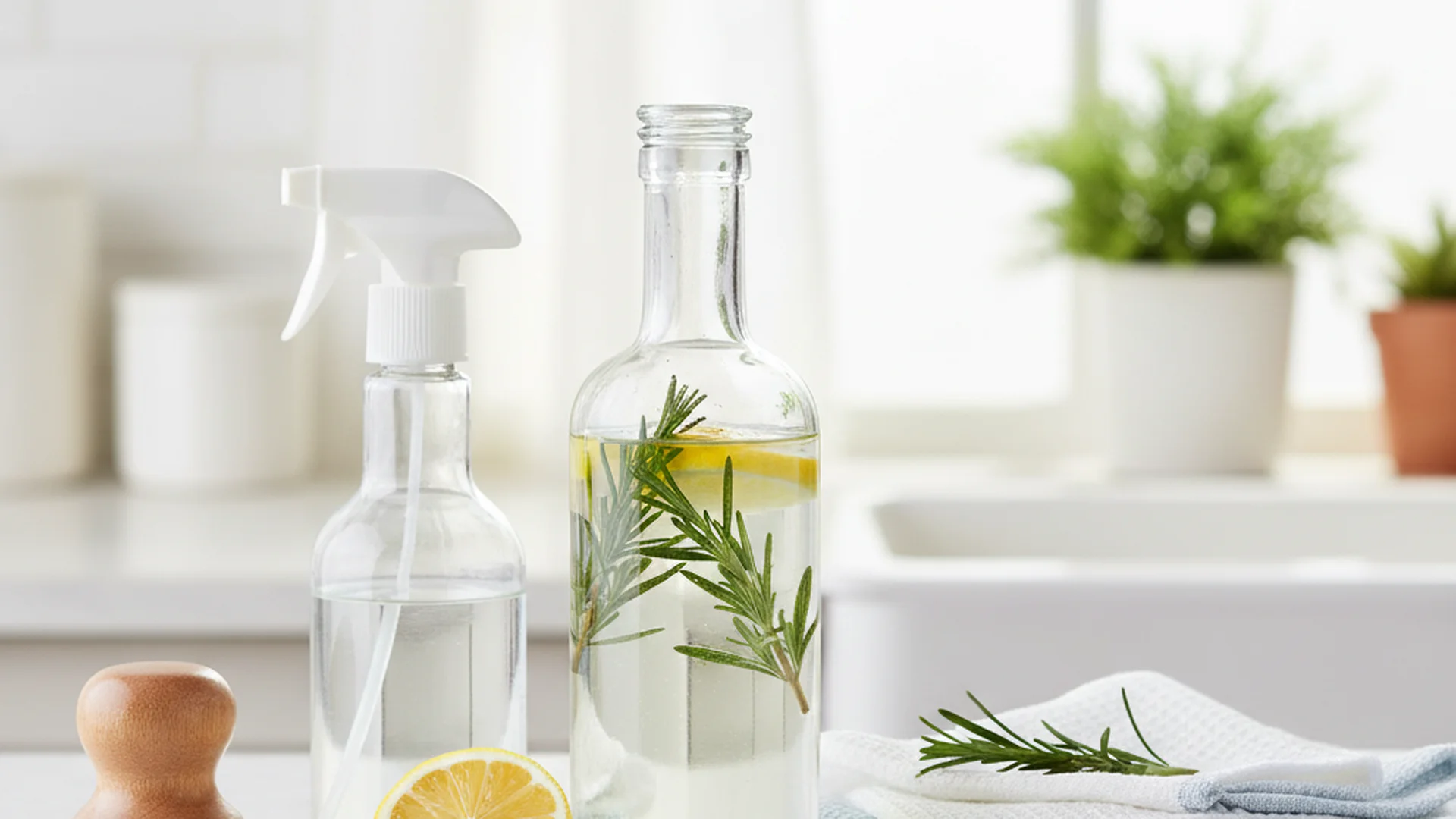
The standard for an all-purpose cleaner is a 1:1 mix of distilled white vinegar and distilled water. Using distilled water rather than tap water is a crucial 2025 recommendation; tap water contains minerals that can leave behind new spots and streaks, defeating the purpose of your cleaning efforts.
Real-World Example: The Kettle Descaling
If you live in a hard-water area, your kettle or coffee maker likely suffers from calcium buildup.
- Fill the appliance with a 50/50 mix of vinegar and water.
- Bring it to a boil (or run a brew cycle).
- Let it sit for 15 minutes.
- Rinse with two cycles of plain water. The result: A 95% reduction in limescale and a significantly more efficient heating element.
Window Wisdom
Cleaning windows with vinegar is a classic move, but there is a professional secret: never do it on a sunny day. The heat from the sun causes the vinegar solution to evaporate too quickly, which is the primary cause of those frustrating streaks. Wait for an overcast day or work in the early morning for a crystal-clear finish.
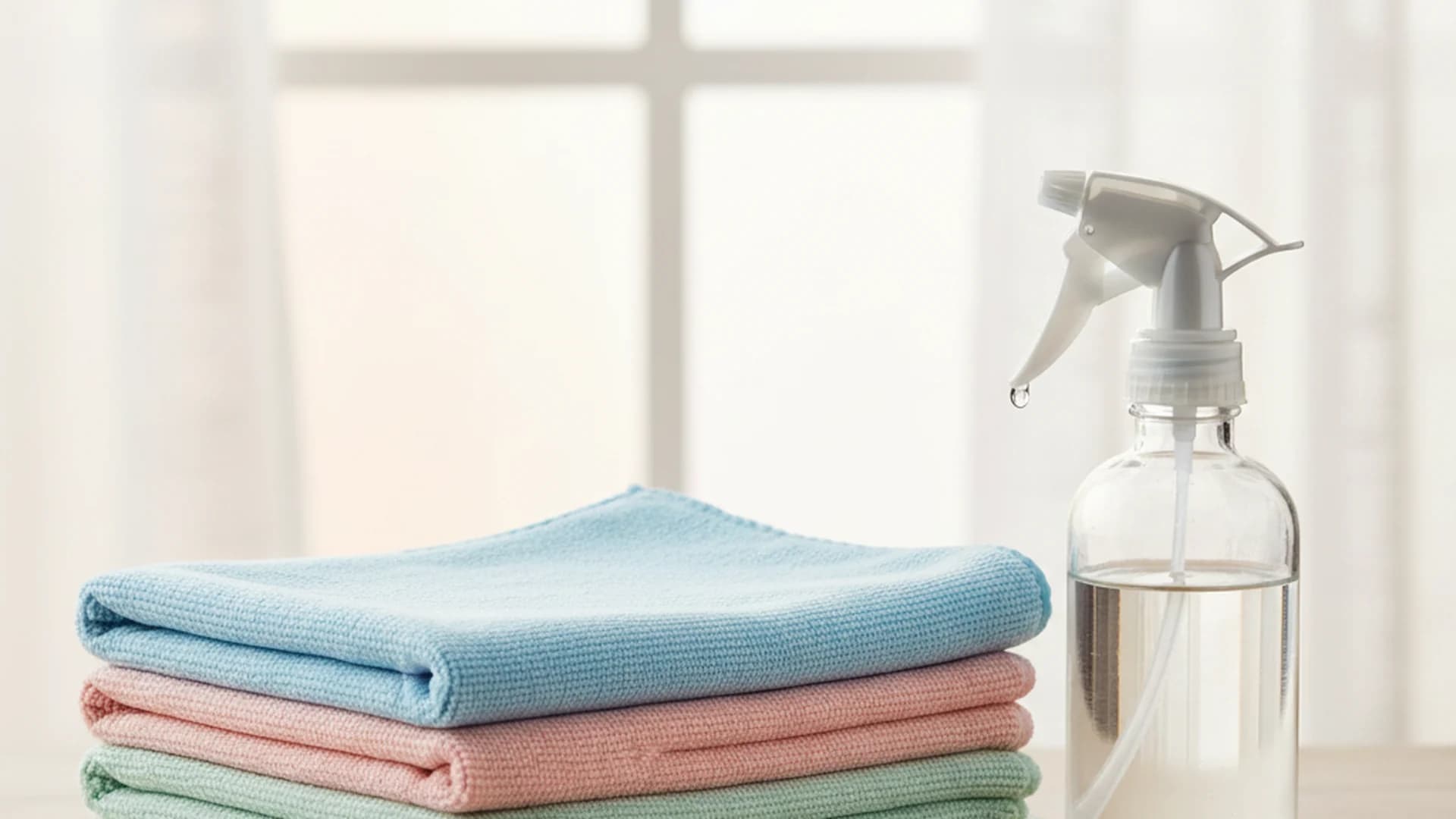
Tip: Use a microfiber cloth rather than a paper towel to avoid lint and to be more environmentally friendly.
Recent Trends: The 2025-2026 Evolution
The "Green Cleaning" movement has matured. We are no longer satisfied with just "clean"; we want "clean and experiential."
Nano-Boosted Vinegar
A major scientific breakthrough in early 2025 involved "supercharged" vinegar. Researchers successfully infused vinegar with cobalt-based nanoparticles to target antibiotic-resistant "superbugs." While these products are currently entering the industrial market, we expect consumer-grade versions to revolutionize the "cleaning with vinegar reviews" landscape by 2026.
Scented Vinegar Concentrates
One of the biggest complaints about vinegar has always been the pungent, salad-like odor. In 2025, high-end eco-brands have solved this by releasing vinegar concentrates infused with sophisticated essential oils like Sorrento Lemon, Sandalwood, and Eucalyptus. These concentrates allow you to harness the power of acetic acid while leaving your home smelling like a luxury spa.
The "Joy-First" Movement
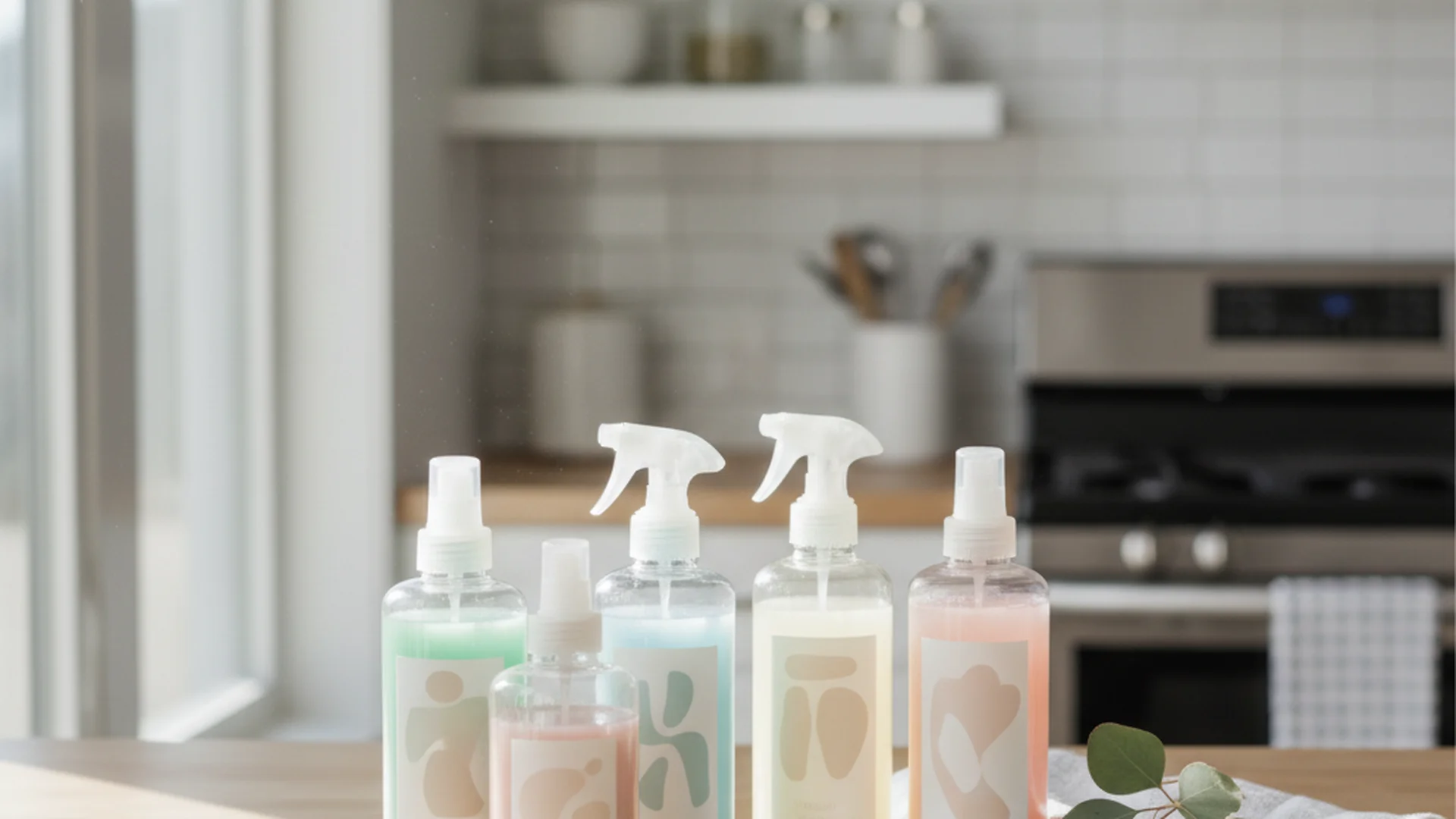
Cleaning is being rebranded as "self-care." This trend focuses on the aesthetic and meditative aspects of chores. Instead of ugly plastic jugs, 2025 homeowners are using aesthetic, refillable glass spray bottles and silicon-protected containers for their DIY vinegar mixes. This reduces plastic waste while making the act of cleaning feel intentional and "meditative."
Success: Switching to vinegar-based cleaners can reduce your household’s Volatile Organic Compound (VOC) emissions by up to 80%, leading to significantly better indoor air quality.
Common Mistakes to Avoid
Despite its versatility, vinegar is an acid. Using it incorrectly can lead to permanent damage or even dangerous chemical reactions.
The "Bleach" Death Trap
Warning: NEVER mix vinegar with bleach. When these two substances combine, they create chlorine gas. Even in small amounts, inhaling this gas can cause severe respiratory distress, coughing, and chemical burns to the lungs. Always read the labels of any store-bought cleaners before you consider adding vinegar to the mix.
The Stone Etcher
If you have granite, marble, or limestone countertops, keep the vinegar far away. The acid reacts with the calcium carbonate in natural stone, causing "etching." This isn't just a stain; it's a permanent dulling of the surface that can only be fixed by professional regrinding and polishing.
Electronic Screens
Your smartphone, laptop, and TV screens are coated with oleophobic (oil-repellent) and anti-glare layers. Vinegar will strip these coatings away, leaving your screens cloudy, prone to fingerprints, and potentially less responsive to touch.
Rubber Gaskets and Seals
While vinegar is great for descaling a dishwasher once a month, using it every cycle can be problematic. Over time, the high acidity can degrade the rubber seals and gaskets in front-load washing machines and dishwashers, eventually leading to leaks. Use it sparingly in these appliances.
| Surface/Task | Vinegar Recommendation | Why? |
|---|---|---|
| Windows | Highly Recommended | Evaporates quickly for a streak-free shine. |
| Granite Countertops | DO NOT USE | Causes permanent dulling and etching. |
| Coffee Makers | Recommended | Dissolves calcium and limescale buildup effectively. |
| Hardwood Floors | Use Caution | Can dull the finish if used undiluted or too frequently. |
| Tech Screens | DO NOT USE | Destroys anti-glare and oil-resistant coatings. |
| Laundry/Towels | Highly Recommended | Removes soap film and softens fabric naturally. |
Practical Applications: Laundry and Beyond
Cleaning with vinegar in the laundry room is one of the most underrated domestic efficiency tips.
The Laundry Rinse
Adding 1/2 cup of distilled white vinegar to your fabric softener dispenser can replace chemical softeners entirely. It works by breaking down the detergent residue that makes towels feel stiff and "scratchy." Furthermore, it is excellent at neutralizing "gym bag" odors and mildew scents in towels without masking them with heavy artificial fragrances.
Dealing with Egg Spills
Here is a counter-intuitive tip: If you drop a raw egg on the floor, do not reach for the vinegar. The acid in the vinegar causes the egg proteins to coagulate (essentially "cooking" them chemically), turning the liquid mess into a rubbery, glue-like substance that is significantly harder to wipe up. Use plain water and salt first, then follow up with vinegar for a final shine once the egg is gone.
Tip: To clean a microwave effortlessly, place a bowl of 1 part vinegar and 1 part water inside. Microwave for 5 minutes, then let the steam sit for 2 minutes. The grime will wipe off with zero scrubbing.
Frequently Asked Questions
Can I use Apple Cider Vinegar (ACV) instead?
Does the smell ever go away?
Can I mix vinegar with baking soda?
Is it safe for pets?
Conclusion
As we look toward the future of home care, cleaning with vinegar remains a primary tool for anyone seeking a balance between efficacy and ecology. Its chemical simplicity, combined with new 2025 trends like probiotic blends and scented concentrates, proves that you don't need harsh chemicals to achieve a professional-grade clean. By following the "Golden Ratio" and respecting the materials in your home, you can maintain a sparkling, healthy environment for years to come.
Success: Integrating vinegar into your routine not only saves money but also protects your family from the harsh VOCs found in traditional cleaners.
Cleaning that keeps score
Every task earns points, every streak multiplies them, and Premium adds a household leaderboard plus a monthly Dustagorgon to beat.
- Free forever
- 30 badges to earn
- Up to 6 in a household
No card needed. Set up your rooms in a couple of minutes.