In this article
What you’ll learn
- Baking soda is a mild alkaline cleaner (pH 8.1) that neutralizes acidic odors.
- Avoid mixing baking soda and vinegar in a bottle; use them sequentially for best results.
- Never use baking soda on aluminum, marble, or gold-plated surfaces.
As we move through 2025, the shift toward sustainable and non-toxic living has transitioned from a niche trend to a global standard. Today, homeowners are looking for more than just a sparkling surface; they want a home environment that supports their health and the planet. Cleaning with baking soda has emerged as the definitive solution for the modern era, offering a powerful, cost-effective, and eco-friendly alternative to harsh synthetic chemicals. As a professional cleaning consultant, I have seen firsthand how this simple kitchen staple can outperform expensive commercial products when used with the right technique.
The Science of Cleaning with Baking Soda
To understand why cleaning with baking soda is so effective, we have to look at the chemistry. Sodium bicarbonate is a mild alkaline substance with a pH of approximately 8.1 to 8.3. Most household odors and "grime" are acidic—think of the fatty acids in grease or the acidic compounds in perspiration and sour milk.
Because baking soda is a base, it doesn’t just cover up these smells; it chemically neutralizes them. In industrial tests, applying baking soda to waste containers was shown to reduce foul odors by up to 70%. Furthermore, its crystalline structure provides a gentle abrasive quality that lifts physical dirt without the aggressive scratching associated with silica-based scouring powders.
The 2025 Market Shift
This growth isn't just coming from bakeries; it is driven by a massive consumer pivot toward "green" home care. Recent surveys indicate that 70% of cleaning service consumers now demand non-toxic options, and 45% prioritize ingredient transparency above all else. When reading cleaning with baking soda reviews from 2025, the consensus is clear: simplicity is winning over complexity.
Note: Pure sodium bicarbonate is naturally aluminum-free. Don't be misled by "aluminum-free" labels on baking soda; that marketing distinction is only relevant for baking powder.
Best Practices and Expert Techniques
In my years of consulting, I've found that most people underutilize baking soda because they don't give it enough time to work. In 2025, we emphasize the "Mindful Cleaning" approach—treating chores as a ritual rather than a race.
The "Paste & Wait" Method
This is the gold standard for heavy-duty degreasing. Whether you are tackling a burnt casserole dish or a greasy oven floor, the ratio is key. Use a 3:1 ratio of baking soda to water to create a thick, spreadable paste.
Apply this paste to the surface and let it sit for at least 15 to 30 minutes. For ovens, I recommend leaving it overnight. This duration allows the alkalinity to break down grease at a molecular level, making the final wipe-down effortless.
The Probiotic Boost: A 2025 Innovation
One of the most exciting trends for 2026 is the synergy between baking soda and probiotics. After using a baking soda scrub to remove bulk grime, experts now recommend finishing with a probiotic surface spray. The baking soda provides the "deep clean," while the probiotics leave behind "good bacteria" that continue to eat away at microscopic organic matter, preventing future odor buildup.
Tip: Enhance your cleaning ritual by mixing your baking soda with 5-10 drops of essential oils like Hinoki or Eucalyptus for an aromatherapy experience while you scrub.
Real-World Applications
To see the true power of cleaning with baking soda, let’s look at three common household scenarios where it excels.
1. The Revitalized Kitchen Oven
Traditional oven cleaners are notorious for their caustic fumes. By using the "Paste & Wait" method described above, you can achieve the same results without a respirator.
- Process: Remove oven racks. Spread a thick layer of paste over the bottom and sides.
- Success: After 12 hours, wipe away with a damp microfiber cloth. The burnt-on carbon will slide right off.
2. High-Performance Laundry
In 2025, synthetic "activewear" fabrics are more common than ever, and they tend to trap "gym odors" that standard detergents can't reach.
- Process: Add 1/2 cup of baking soda directly into the drum with your clothes.
- Success: The soda regulates the water's pH, allowing your detergent to work more efficiently and neutralizing sweat acids trapped in the fibers.
3. Mattress Deodorization
Maintaining a healthy sleep microbiome is a top priority for home wellness in 2026.
- Process: Sieve a thin layer of dry baking soda over your mattress. Let it sit for 2 hours.
- Success: Vacuum it up with a HEPA-filter vacuum. It absorbs moisture and neutralizes skin oils without damaging the foam.
Warning: Never use a wet baking soda paste on memory foam. Moisture can become trapped in the cells of the foam, leading to internal mold growth.
The 2025 "Capsule" Cleaning Kit
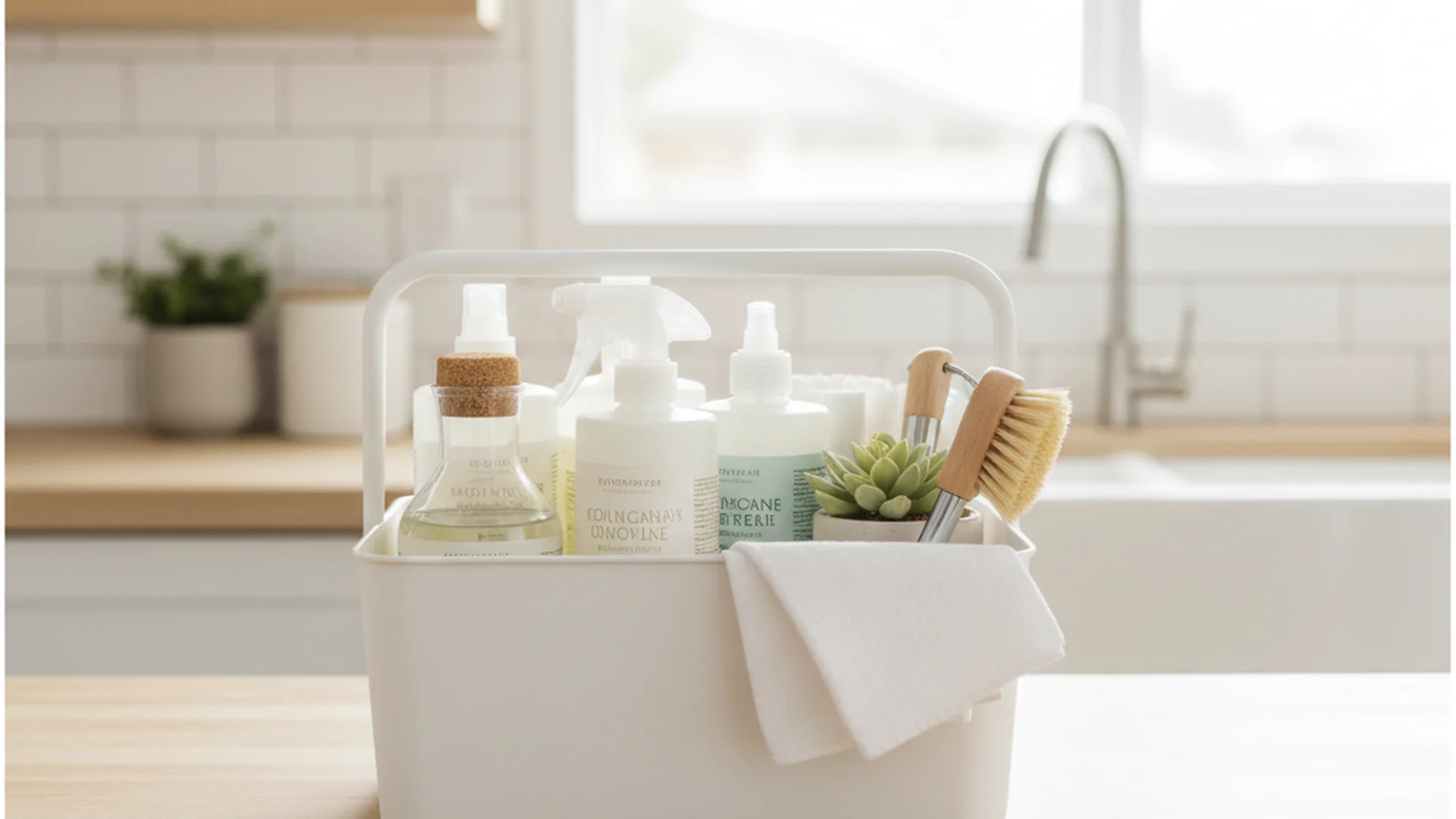
We are moving away from the "cabinet full of chemicals" era. The trend for 2026 is the "Capsule Cleaning Kit," consisting of only four essential ingredients:
- Baking Soda: For scrubbing and deodorizing.
- White Vinegar: For descaling and rinsing.
- Castile Soap: For lifting oils.
- Hydrogen Peroxide: For safe disinfection.
| Ingredient | Primary Function | Best Used On |
|---|---|---|
| Baking Soda | Abrasive & Deodorizer | Ovens, Sinks, Tubs |
| White Vinegar | Acidic Cleaner | Faucets, Windows |
| Castile Soap | Surfactant | Floors, Dishes |
| Hydrogen Peroxide | Disinfectant | Cutting Boards, Toilets |
Common Mistakes to Avoid
Even with a natural product, improper use can lead to frustration or surface damage. When cleaning with baking soda, avoid these common pitfalls.
The Vinegar Mix Myth
One of the most frequent mistakes highlighted in cleaning with baking soda reviews is mixing vinegar and baking soda in a spray bottle. While the resulting fizz is visually satisfying, it is a chemical reaction that produces carbon dioxide and leaves you with essentially salty water.
- The Right Way: Use baking soda first to scrub and loosen dirt. Then spray vinegar on top. The reaction happens on the stain, which helps physically lift the grit away from the surface.
The Disinfection Fallacy
It is vital to remember that baking soda is a cleaner, not a disinfectant. It does not reliably kill pathogens like E. coli, Salmonella, or viruses like the flu. For food preparation surfaces, follow your baking soda scrub with a registered disinfectant or hydrogen peroxide.
Surfaces to Avoid
Because baking soda is an abrasive and an alkaline, it can damage specific materials:
- Aluminum: It can cause oxidation, turning your cookware brown or black.
- Marble and Natural Stone: Over time, it can wear down the protective sealant on porous stones.
- Glass and Mirrors: It may leave micro-scratches that make the glass appear hazy or "foggy" over time.
- Gold-Plated Items: It can strip away thin plating from cutlery or picture frames.
- Fine Wood: It can erode the wax or finish on high-end furniture.
Success: By switching to a minimalist baking soda-based kit, the average household can reduce their annual cleaning expenses by over $200 while eliminating dozens of plastic bottles.
Frequently Asked Questions
Does baking soda expire?
Is it safe for all pipes?
Is "aluminum-free" baking soda better for cleaning?
Can I use baking soda on my hardwood floors?
Conclusion
Cleaning with baking soda is more than a vintage household tip; it is a sophisticated, scientifically-backed method for maintaining a healthy home in 2025. By understanding the chemistry of alkalinity and avoiding common surface-damage mistakes, you can achieve a level of cleanliness that is both deep and sustainable. Whether you are building a "capsule" cleaning kit or simply trying to reduce your home's chemical footprint, sodium bicarbonate remains your most versatile ally.
Success: Embracing these methods creates a "microbiome-friendly" home that supports your family's health and reduces environmental impact.
Cleaning that keeps score
Every task earns points, every streak multiplies them, and Premium adds a household leaderboard plus a monthly Dustagorgon to beat.
- Free forever
- 30 badges to earn
- Up to 6 in a household
No card needed. Set up your rooms in a couple of minutes.