In this article
What you’ll learn
- Never use high heat or a dryer, as it melts the thermal coating.
- Vacuum weekly to prevent dust buildup and prolong deep cleaning intervals.
- Hand-washing in a bathtub is the safest method for preserving R-value.
Thermal curtains are one of the most hardworking elements in a modern home, acting as a functional barrier against the elements while adding aesthetic value to your living space. However, because they are engineered with specialized materials, learning how to clean thermal curtains requires a different approach than standard drapery. If you treat these high-tech fabrics like a regular pair of bedsheets, you risk melting the insulation or causing the backing to peel, effectively turning an expensive energy-saving tool into a pile of ruined fabric.
As we move into 2026, home maintenance is becoming more focused on preserving the technical lifespan of our household items. In this guide, I will walk you through the science of thermal fabrics and the safest, most effective ways to keep them pristine.
Why Proper Maintenance Matters for Energy Efficiency
Thermal curtains are not just thick fabric; they are precision tools. According to the U.S. Department of Energy (DOE), properly installed insulated curtains can reduce heat loss in the winter by up to 25–30% and reduce solar heat gain in the summer by a staggering 33%. For the average homeowner, this translates to a 10–25% reduction in annual heating and cooling bills.
However, these benefits rely on the integrity of the thermal coating—usually a layer of acrylic or rubberized foam bonded to the back of the fabric. This layer is highly sensitive to temperature and mechanical stress.
Note: The "R-value" (resistance to heat flow) of your curtains drops significantly if the backing is cracked or thinned due to improper washing techniques.
The Best Way to Clean Thermal Curtains: The Step-by-Step "Gold Standard"
When clients ask me for the best way clean thermal curtains, I always recommend the "Low and Slow" approach. Heat is the primary enemy of the thermal bond. Any temperature exceeding 100°F (38°C) can cause the coating to become tacky, leading it to stick to itself or peel away from the decorative fabric.
Step 1: Preparation and Hardware Removal
Before the curtains touch water, you must remove every piece of hardware. This includes hooks, rings, and any weights sewn into the bottom hem. Metal hardware can rust during the drying process or snag the delicate thermal coating, creating tears that allow air to leak through.
Step 2: The Choice Between Machine and Hand Washing
While many modern thermal curtains are labeled as "machine washable," you should only use a machine if it has a true "Handwash" or "Delicate" cycle.
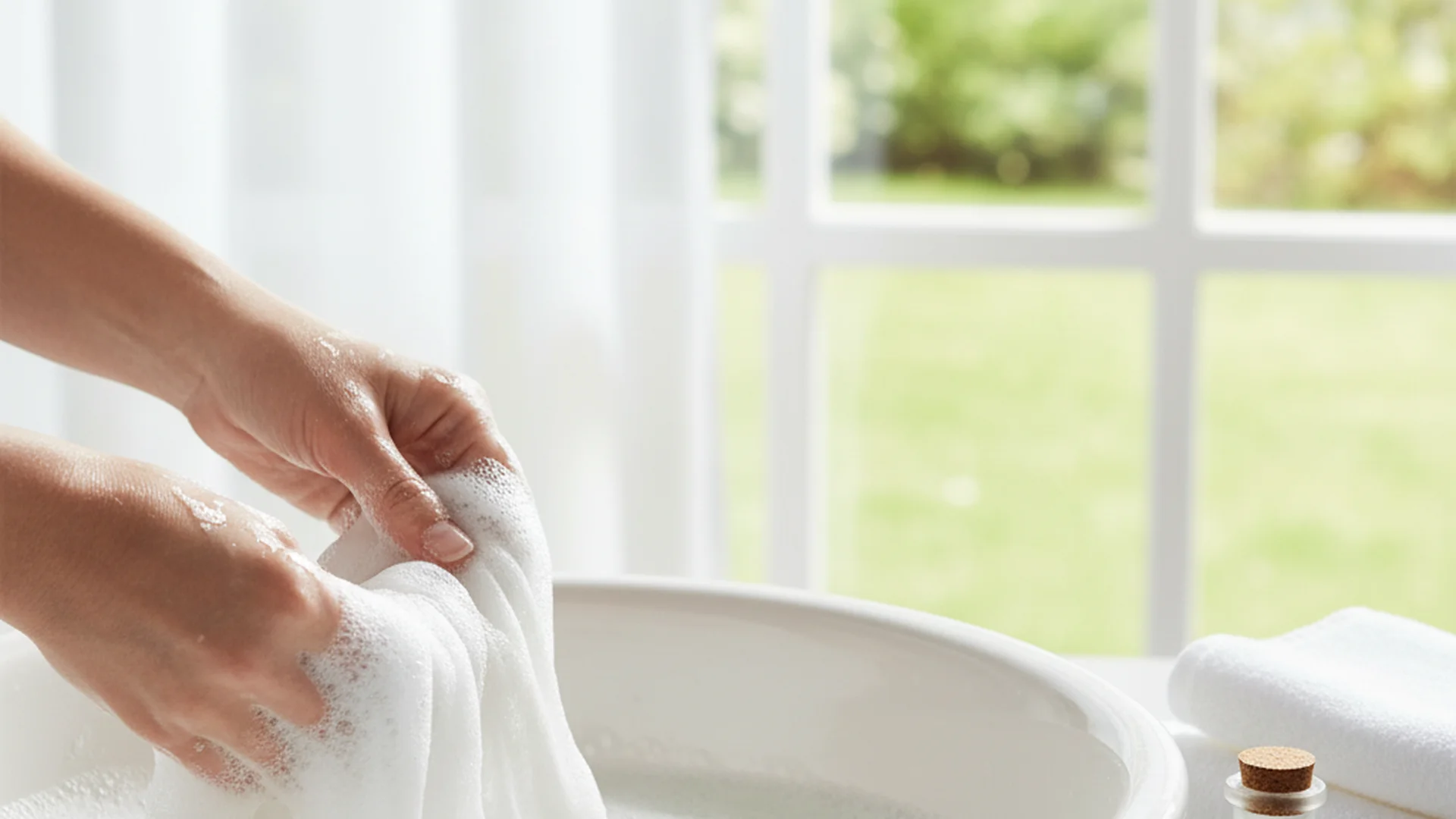
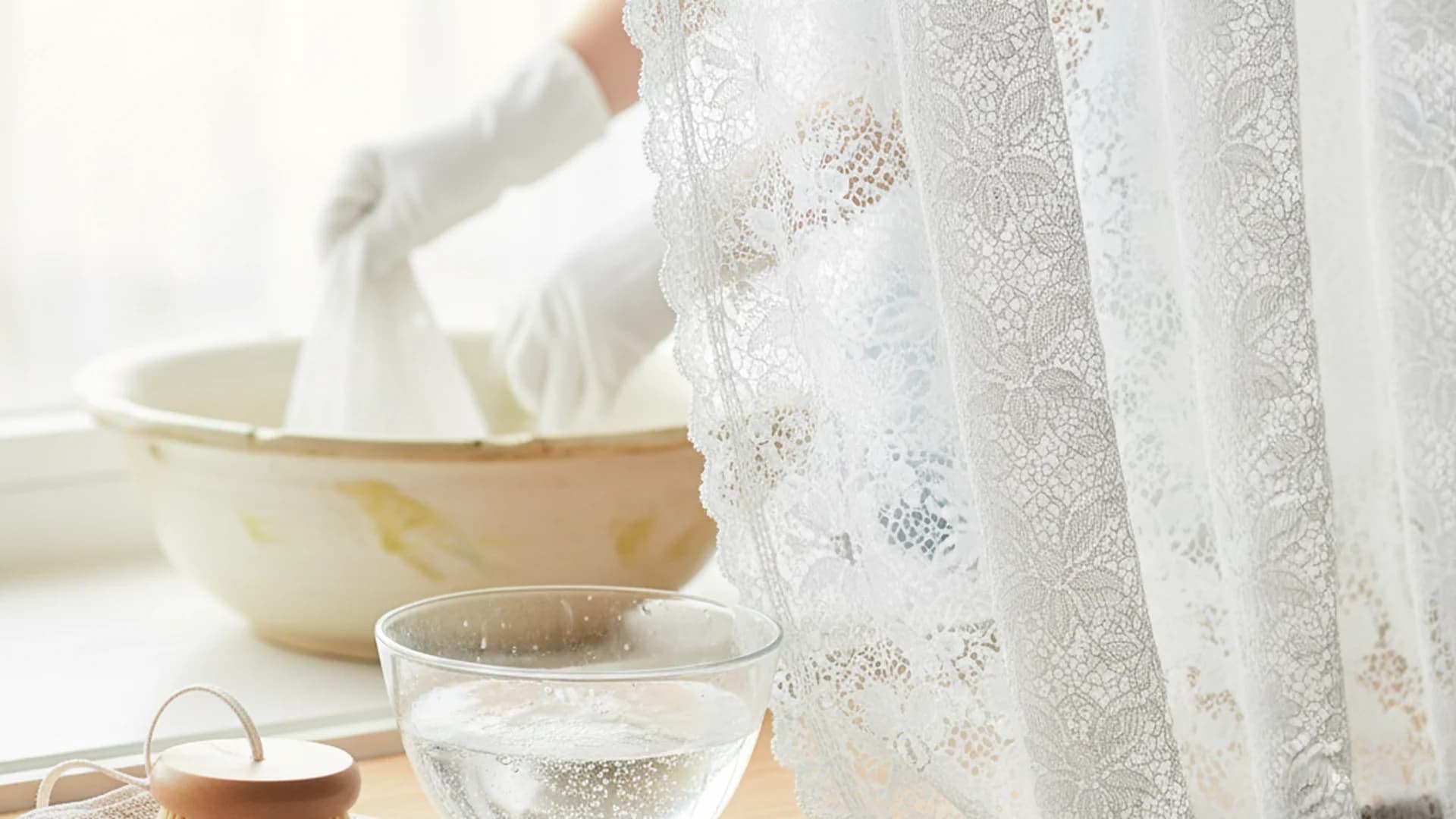
- The Bathtub Method (Recommended): Fill a bathtub with cool to lukewarm water. Add a small amount of mild liquid detergent. Submerge the curtains and gently "squish" the water through the fabric. Do not scrub the backing.
- The Machine Method: Use the largest load setting to give the curtains plenty of room. Use a cold water setting and a low-spin cycle.
Warning: Never use the high-speed spin cycle. The centrifugal force can cause the heavy, water-laden fabric to pull against the thermal backing, causing "stress cracks" in the insulation.
Step 3: Rinsing and Drying
Rinse thoroughly in cold water until all soap suds are gone. When it comes to drying, there is one golden rule: Never put thermal curtains in the dryer. The heat will melt the acrylic coating, essentially gluing your curtains into a ball of plastic.
Success: For the best results, hang the curtains back on their rod while they are still slightly damp. The natural weight of the damp fabric acts as a built-in "iron," pulling out wrinkles without the need for heat.
How to Clean Thermal Curtains Without Taking Them Down
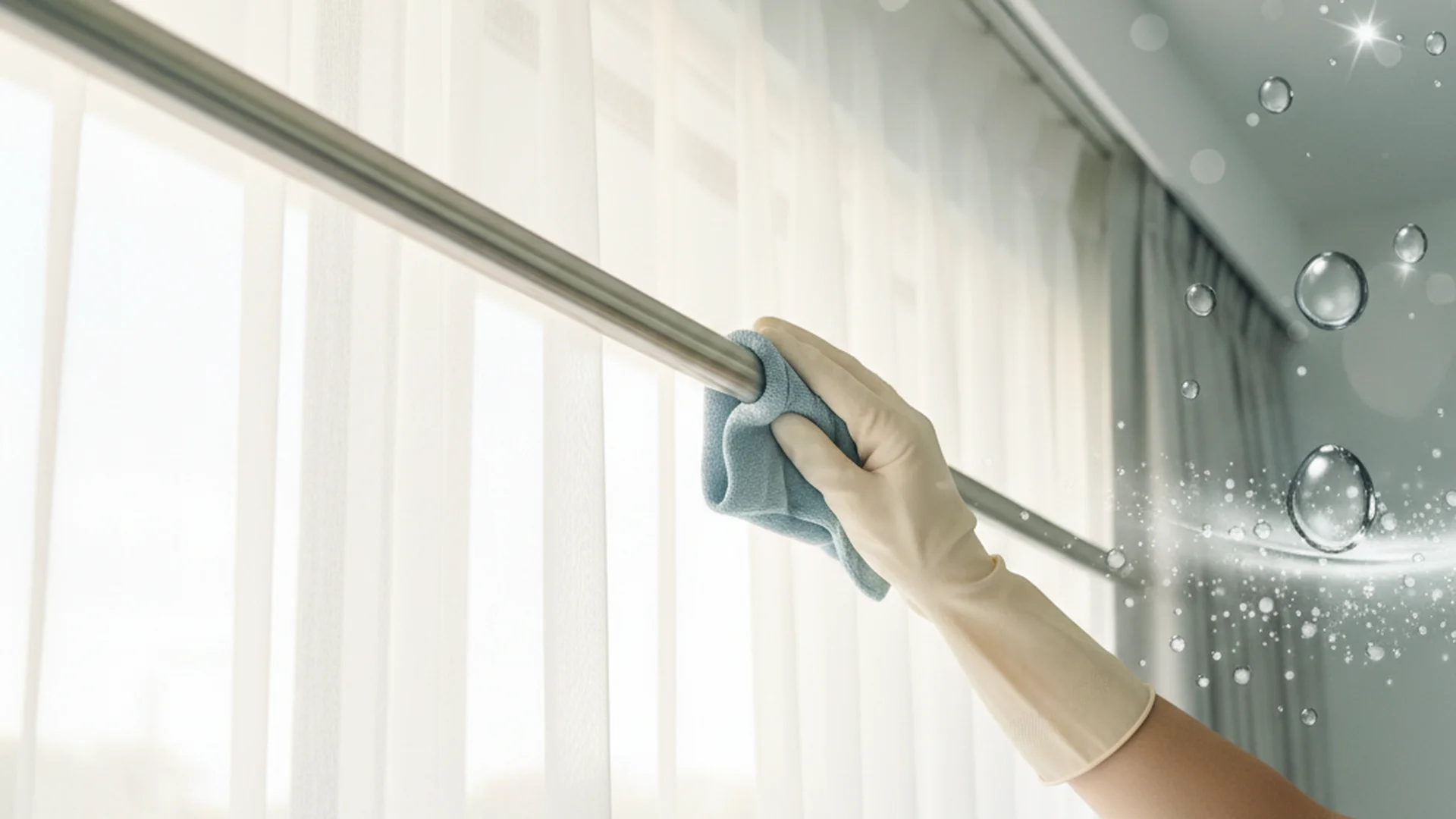
For many homeowners, the sheer weight and size of insulated drapes make removing them a daunting task. If your curtains aren't heavily soiled, you can perform effective maintenance "on-rod." This is often the best way clean thermal curtains for regular monthly upkeep.
Vacuuming from Top to Bottom
Dust is the precursor to stains. When dust settles on fabric and absorbs moisture from the air, it creates "mud" that sinks into the fibers. Use your vacuum’s soft brush attachment to clean the curtains starting from the top pleats and working your way down.
Spot Cleaning Stains
If you have a localized stain—for example, a coffee splash or a fingerprint—use a microfiber cloth dipped in a mixture of cool water and a single drop of mild dish soap.
Tip: Always test your cleaning solution on a small, hidden area of the bottom hem first to ensure it doesn't discolor the fabric or soften the backing.
The Damp Cloth Refresh
To remove odors or light surface grime, wipe the decorative fabric side with a damp (not dripping) cloth. Avoid wiping the rubberized backing unless there is visible dirt, as repeated friction can wear down the coating.
Real-World Examples: Handling Common Scenarios
To better understand these techniques, let's look at how these rules apply in real-life situations:
- The Pet Hair Dilemma: A homeowner in a cold climate has heavy thermal drapes that have become a magnet for cat hair. Instead of washing them, they use a large-surface lint roller weekly. This prevents the hair from weaving into the fabric, avoiding the need for a mechanical wash that might damage the insulation.
- The Kitchen Window Grease: A thermal curtain hanging near a stove has developed a light film of grease. The owner uses the "Bathtub Method" with a grease-cutting, pH-neutral dish soap. By avoiding hot water and using gentle agitation, they remove the grease while keeping the rubberized backing intact.
- The Motorized Smart Curtain: In a 2026 "Smart Home" setup, the curtains are attached to an electronic track. The owner uses an anti-static spray on the track and vacuums the fabric side monthly to prevent dust from interfering with the motor, ensuring they never have to take the heavy assembly down for deep cleaning.
2025–2026 Trends in Thermal Fabric Care
The landscape of home textiles is shifting. As a Professional Cleaning Consultant, I am seeing three major trends for 2026:
- Eco-Friendly Bio-Coatings: Many new thermal curtains use bamboo or hemp fibers with bio-based insulation. These materials are more sensitive to pH levels. If you have these, you must use a pH-neutral detergent to prevent the fibers from becoming brittle.
- Ultrasonic Cleaning: A rising trend for 2026 is professional ultrasonic cleaning. This process uses sound waves in a water tank to vibrate dirt out of the fabric. It is the safest way to deep clean heavily soiled thermal drapes without any mechanical scrubbing.
- Layering with Sheers: The current "luxury look" involves a heavy thermal layer paired with a light sheer. Experts now recommend washing the sheers every 3 months (as they catch the most dust) while only deep cleaning the heavy thermal layer once a year.
Common Mistakes to Avoid
Even with the best intentions, it is easy to make a mistake that ruins your investment. Avoid these common pitfalls:
- Using Bleach: Bleach is a harsh chemical that breaks down the polymers in thermal coatings. It will make the backing brittle and cause it to flake off like dandruff.
- Scrubbing the Backing: If you see a mark on the rubberized side, do not use a scrub brush. Scrubbing creates microscopic tears that compromise the curtain's R-value.
- Direct Sunlight While Drying: While line-drying is generally good, do not hang the curtains with the thermal backing facing intense, direct sunlight. The UV rays can "cook" the coating and cause cracking. Always face the fabric side toward the sun or dry them in a shaded, breezy area.
| Cleaning Method | Best For | Risk Level |
|---|---|---|
| Vacuuming | Weekly Dust | Very Low |
| Spot Cleaning | Small Stains | Low |
| Bathtub Wash | Deep Annual Clean | Medium |
| Machine Wash | General Refresh | High |
Frequently Asked Questions
Can I put thermal curtains in the dryer?
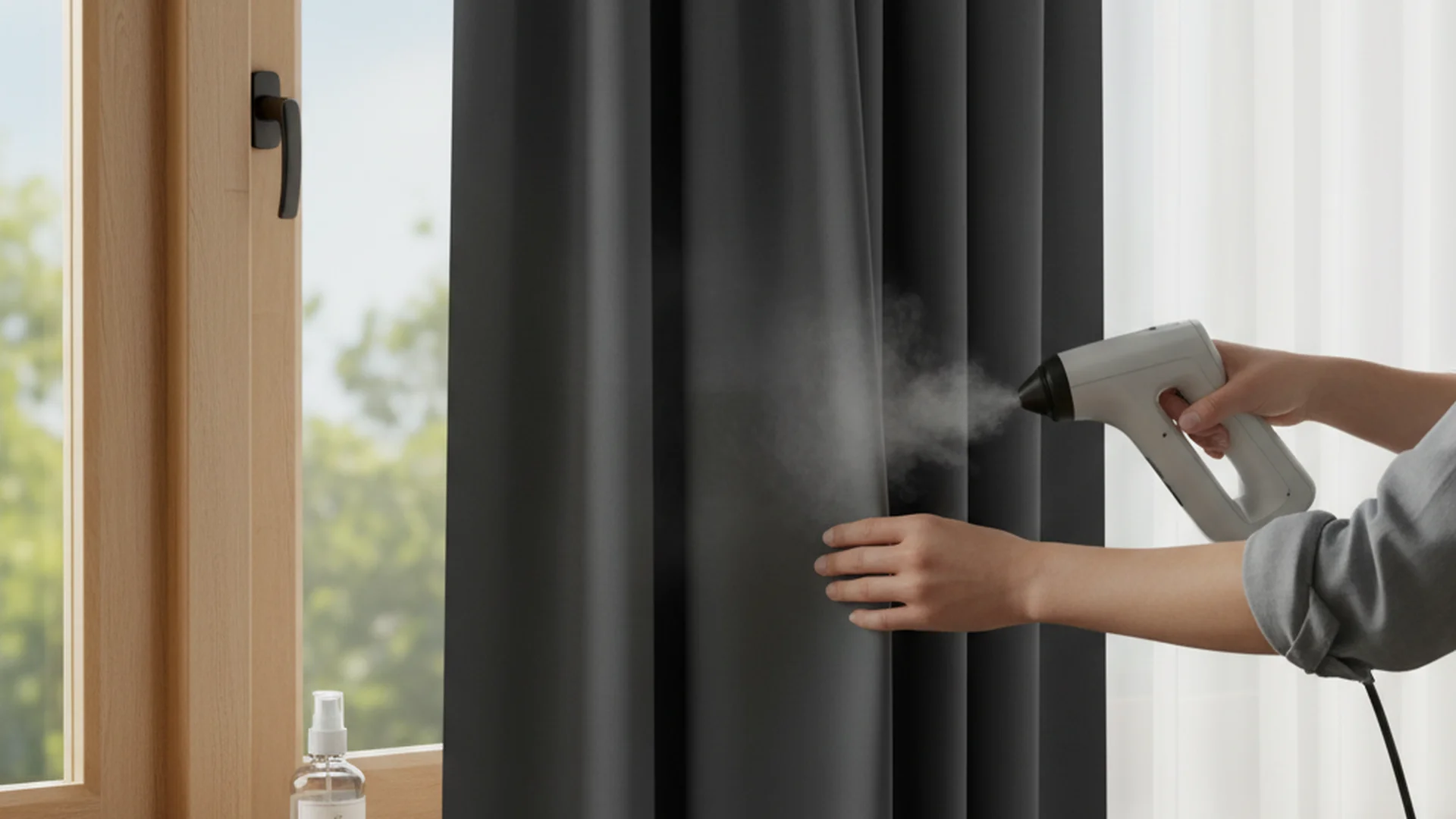
Can I steam clean them while they are still hanging?
How often should I clean my thermal curtains?
Is dry cleaning better than washing?
Conclusion
Maintaining your thermal curtains is an investment in your home's comfort and your wallet's health. By following the "Gold Standard" of cold-water cleaning and air-drying, you ensure that your curtains continue to provide the insulation they were designed for. Remember that the best way clean thermal curtains is often the gentlest way—preventing dust buildup through regular vacuuming so that intensive washing is rarely needed.
Success: Keeping your thermal curtains clean not only improves your indoor air quality by removing allergens but also ensures you get the full 25-30% energy savings promised by the Department of Energy.
Cleaning that keeps score
Every task earns points, every streak multiplies them, and Premium adds a household leaderboard plus a monthly Dustagorgon to beat.
- Free forever
- 30 badges to earn
- Up to 6 in a household
No card needed. Set up your rooms in a couple of minutes.