In this article
What you’ll learn
- Regular vacuuming every 2–4 weeks meaningfully extends curtain life.
- Never put foam-backed curtains in a dryer, as heat causes melting and cracking.
- Modern triple-weave fabrics are generally safer for machine washing than older foam-pass styles.
Blackout curtains are the unsung heroes of a good night’s sleep. By blocking out streetlights and early morning sun, they regulate our circadian rhythms and even help lower energy bills by providing thermal insulation. However, because of their specialized construction, many homeowners are terrified to wash them. If you’ve been wondering how to clean blackout curtains without ruining that expensive light-blocking coating, you’ve come to the right place.
As we move into 2025 and 2026, textile technology has evolved. While older "foam-backed" curtains remain popular, new "triple-weave" and anti-static fabrics are changing how we approach window maintenance. Proper care isn't just about removing dust; it's about preserving the integrity of the fabric so you don't end up with "pinholes" of light leaking through your drapes.
Why Maintenance Matters
Before we dive into the methods, it is important to understand the stakes. Regular maintenance—specifically vacuuming every 2 to 4 weeks—goes a long way toward extending the lifespan of blackout curtains.
When dust settles into the folds of your curtains, it doesn't just sit there. Over time, moisture in the air causes that dust to "embed" into the thermal lining. This creates an abrasive layer that can cause the blackout coating to crack and peel. Furthermore, using the wrong chemicals can be devastating. Using bleach or harsh alkaline detergents can reduce light-blocking effectiveness by up to 40%, leading to permanent damage.
The Best Way to Clean Blackout Curtains Without Taking Them Down
For most homeowners, the best way clean blackout curtains is the method that requires the least amount of heavy lifting. Taking down heavy drapes and re-hanging them is a chore that most of us want to avoid. Fortunately, "in-place" cleaning is highly effective for routine maintenance.
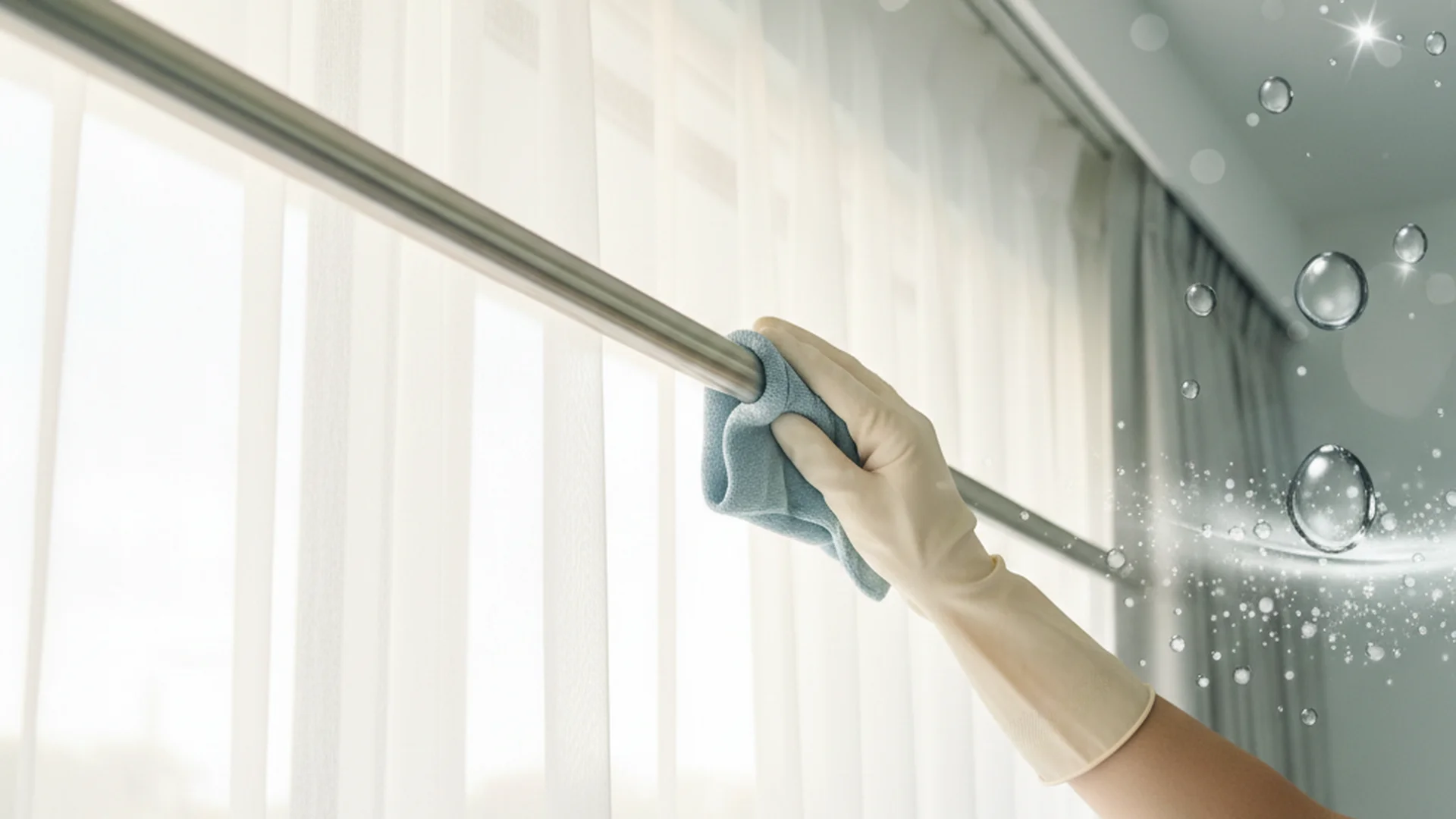
1. The Professional Vacuuming Technique
The most effective way to clean blackout curtains without taking them down is using a vacuum with an upholstery brush attachment.
- Step 1: Close the curtains fully so the fabric is flat.
- Step 2: Start at the very top (near the rod) and work your way down in vertical strokes.
- Step 3: Pay extra attention to the side hems and the bottom edge, where dust and pet hair tend to accumulate.
- Step 4: Don't forget the back! Gently vacuum the lining side to prevent "dust rot" on the coating.
2. The Handheld Steamer Method
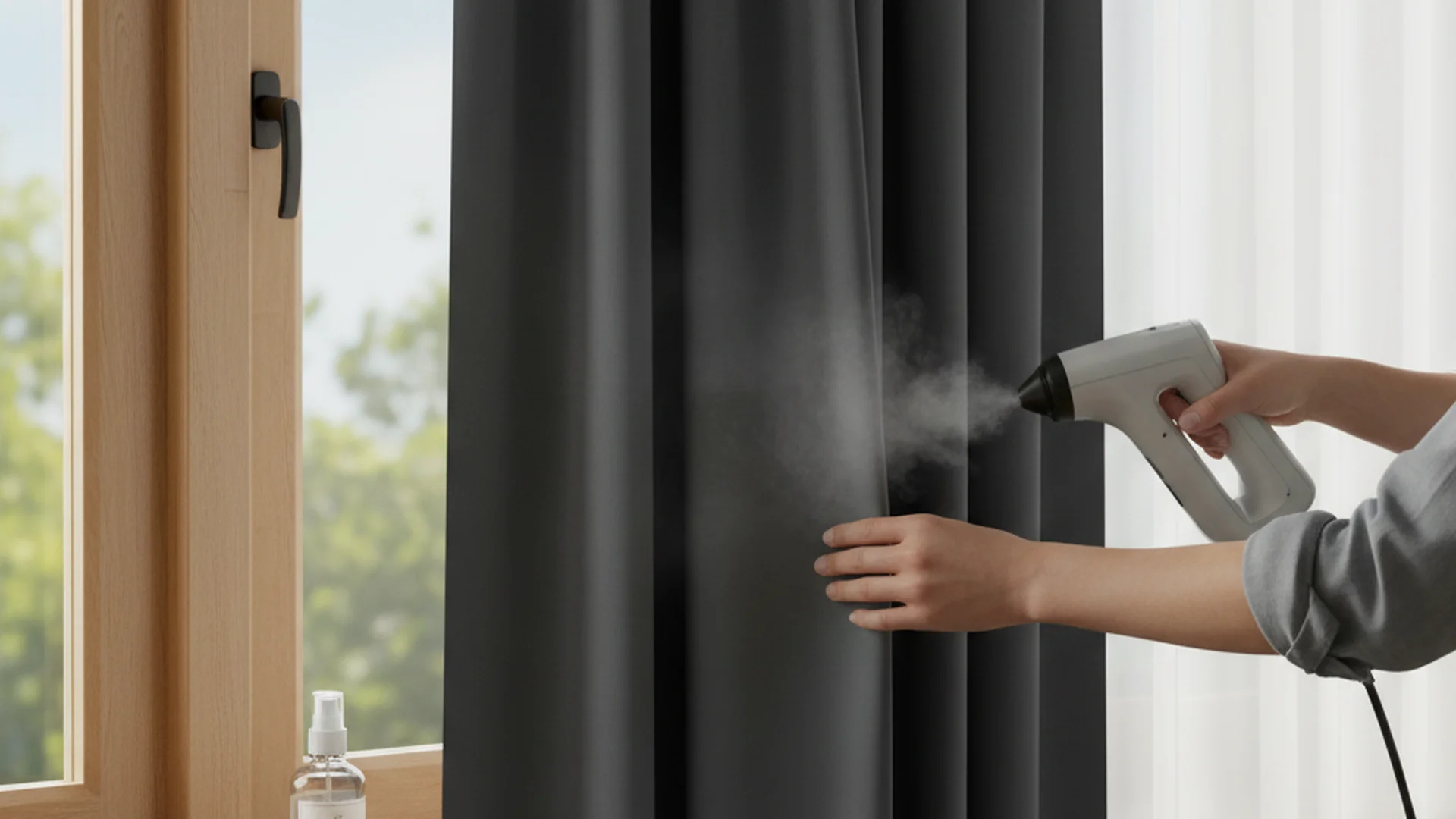
Steam is a miracle worker for curtains. It removes wrinkles, kills dust mites, and refreshes the fabric without the need for immersion in water.
- Step 1: Ensure your steamer is filled with distilled water to prevent mineral spots.
- Step 2: Hold the steamer nozzle 4–6 inches away from the fabric.
- Step 3: Move in slow, downward motions.
Warning: Never use a steamer directly against the rubbery or foam-backed side of a blackout curtain. Keep the steam on the fabric side to avoid melting the thermoplastic coating.
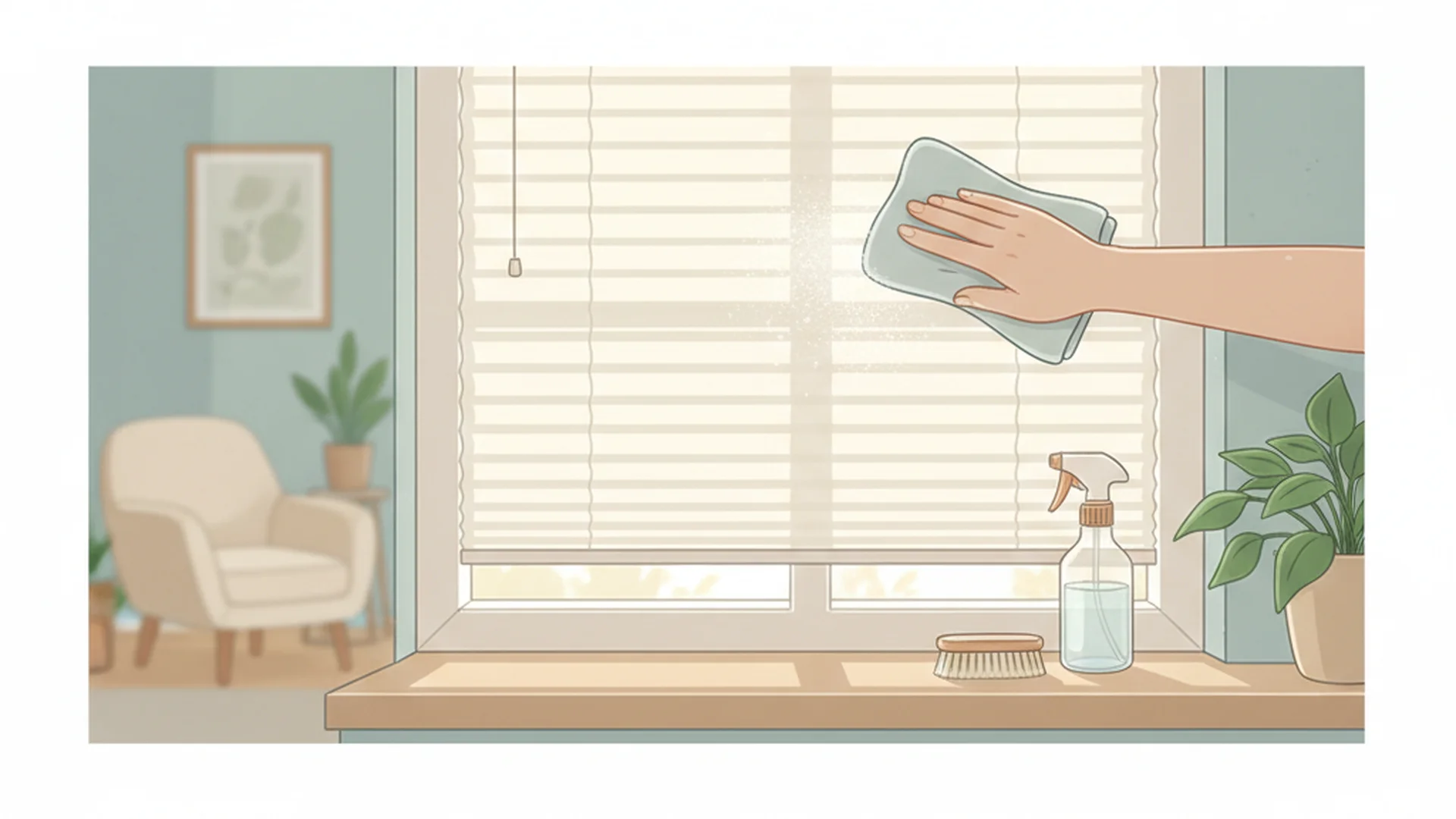
3. The "Shake and Mist" Refresh
If you have lightweight blackout drapes, sometimes a vigorous shake is enough to dislodge surface allergens. Open the window (if it’s not a high-pollen day), give the curtains a good shake, and then mist them with a fabric deodorizer like NuroClean to eliminate "old room" smells.
Deep Cleaning: Hand Washing vs. Machine Washing
Sometimes, a vacuum just isn't enough. If your curtains have absorbed kitchen grease, cigarette smoke, or years of household odors, a deep clean is necessary.
Identifying Your Material
Before you reach for the detergent, you must identify your curtain type. Approximately 70% of blackout curtains use an acrylic or foam "pass" (a visible rubbery coating on the back). These are highly sensitive to heat. Conversely, the 2025 eco-trend has seen a rise in "triple-weave" curtains—fabrics where the black yarn is woven into the center of the panel. These are much more durable.
| Feature | Foam-Backed Curtains | Triple-Weave Curtains |
|---|---|---|
| Washability | Hand Wash Preferred | Machine Wash Safe (Gentle) |
| Heat Sensitivity | High (Melts easily) | Low (Durable) |
| Maintenance | Delicate | Low-Maintenance |
| 2025 Trend | Traditional | Eco-Friendly/Recycled |
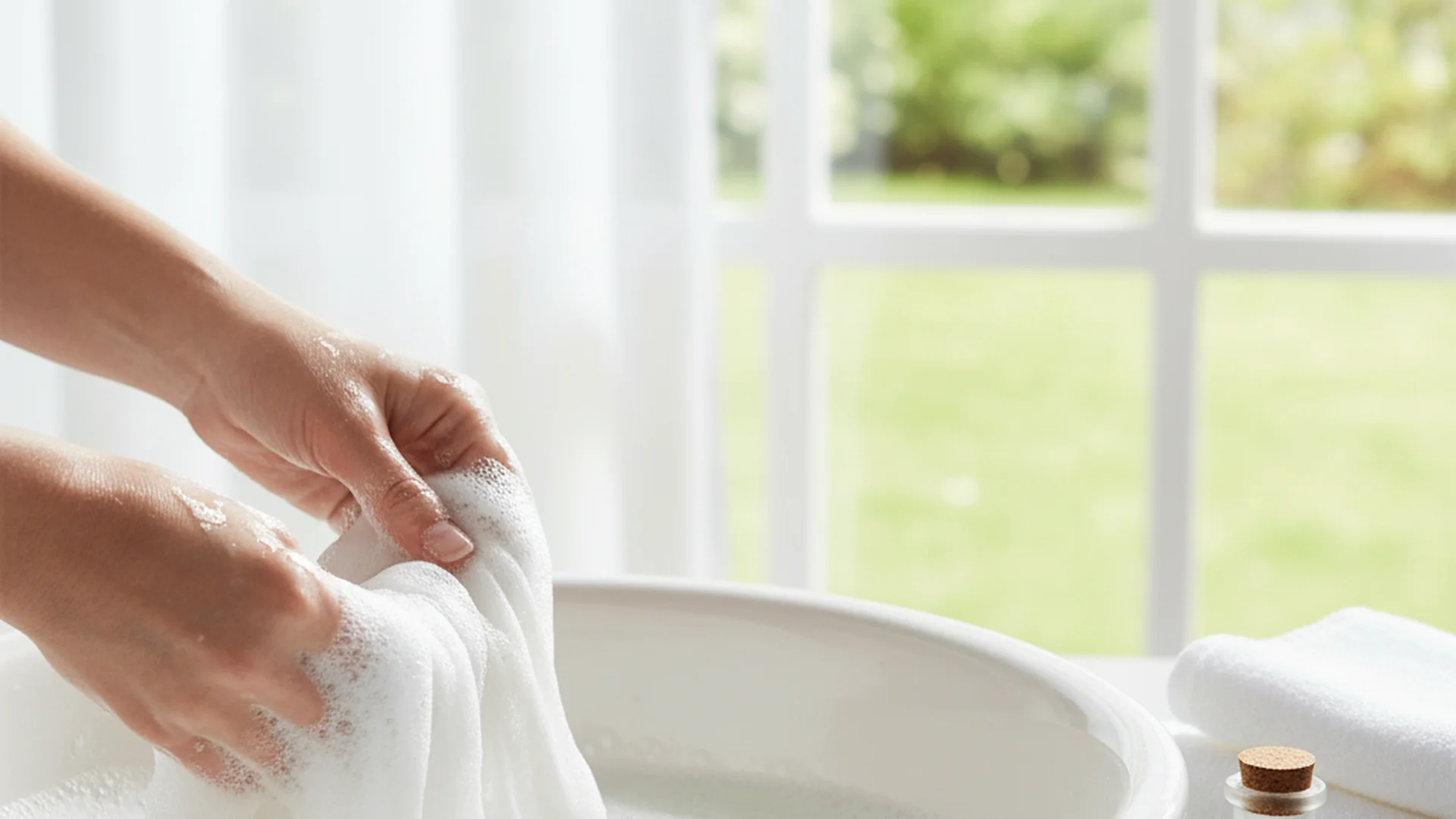
Step-by-Step Hand Washing (Recommended)
This is the safest method for almost all blackout window treatments.
- Fill a Bathtub: Use lukewarm water and a small amount of mild, clear dish soap or a specialized "gentle" detergent.
- Submerge: Place the curtains in the water and gently agitate with your hands. Do not scrub the backing.
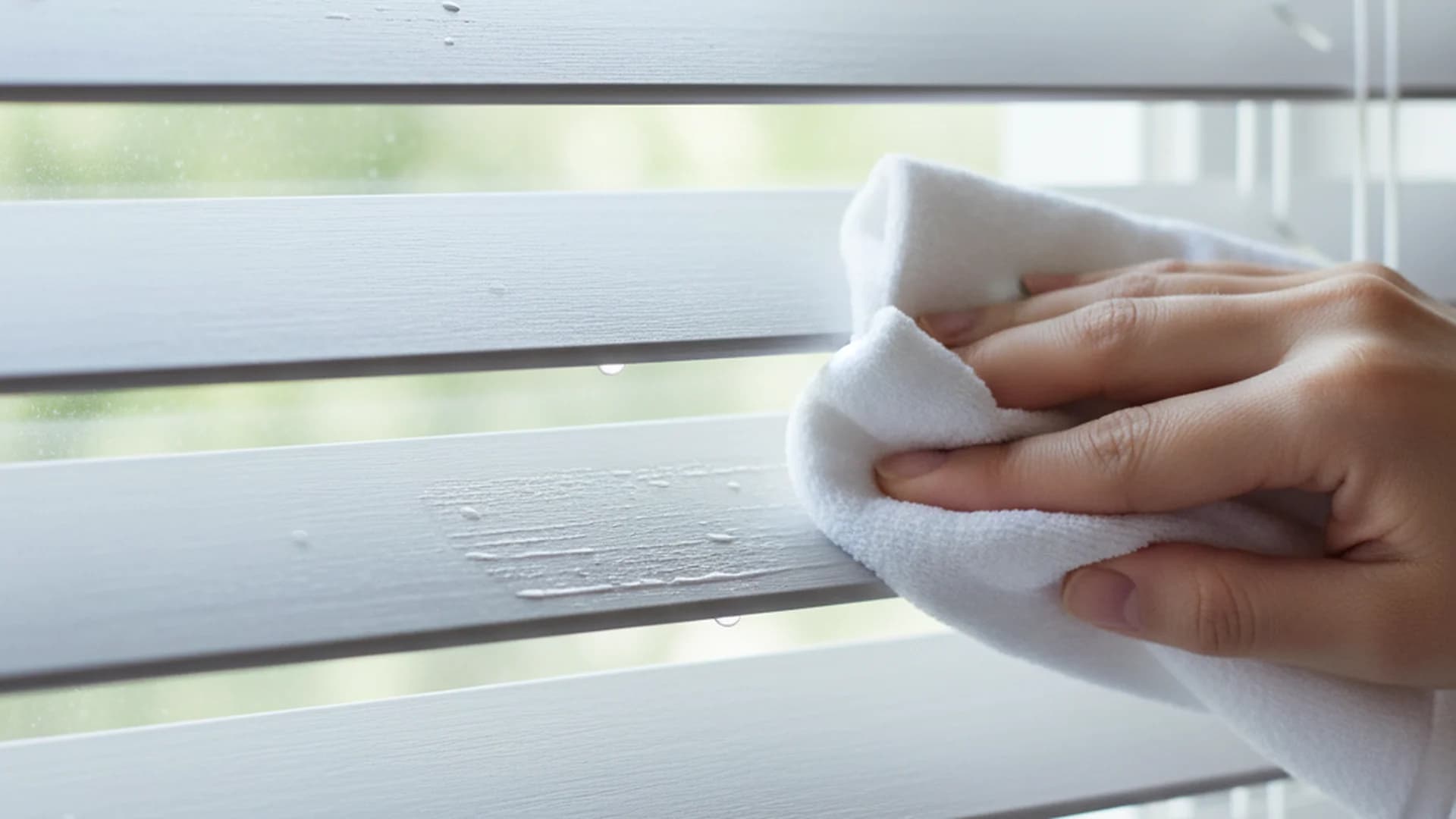
- Spot Clean: Use a white microfiber cloth to dab away specific stains.
- Rinse: Drain the soapy water and rinse with cool water until all suds are gone.
- The No-Wring Rule: Do not wring or twist the curtains. This will cause the blackout lining to delaminate (separate). Instead, press the water out gently against the side of the tub.
Tip: If you must machine wash triple-weave curtains, always use a "Cold/Delicate" cycle and place the curtains in a large mesh laundry bag to prevent the grommets from banging against the drum.
The Golden Rules of Drying
Heat is the absolute enemy of blackout technology. Whether you have foam-backed or triple-weave curtains, the following rules apply:
- Air Dry Only: Always hang your curtains back on the rod to dry. This allows gravity to pull out wrinkles naturally.
- Ventilation is Key: Open windows or use a floor fan to speed up the drying process.
- Avoid Sunlight: While it sounds counterintuitive for "sun-blocking" curtains, drying them in direct, harsh sunlight while wet can lead to premature fading of the decorative fabric side.
Success: Hanging curtains back on the rod while slightly damp is the secret to a wrinkle-free finish without ever needing an iron!
Advanced Tips for 2025–2026 Home Tech
As we look toward 2026, home technology is changing how we interact with our window treatments.
Motorized and Smart Curtains
Motorized blackout curtains are now standard in many modern homes. When cleaning these, safety is paramount.
Note: Always disconnect the power source or remove the battery motor before using any liquid cleaners or steamers. Moisture entering the motor housing can cause a short circuit or permanent failure.
Anti-Static and Biophilic Fabrics
Many new 2026 fabric lines feature "anti-dust" coatings designed to repel pet hair. If you have these, you may find you only need to deep clean them every two years. Furthermore, if you’ve opted for the "Biophilic" look—natural linen textures with blackout properties—be sure to use a pH-neutral detergent to maintain the organic feel of the fibers.
Using Portable Fabric Cleaners
Tools like the Bissell Little Green have become staples in the "low-effort" home tech movement. These are excellent for spot-cleaning hanging curtains. Use the suction-only mode to pull out deep-seated dust without saturating the entire panel.
Common Mistakes to Avoid
Even with the best intentions, it is easy to ruin blackout curtains. Avoid these four common pitfalls:
- The "Dryer Disaster": Never, under any circumstances, put foam-backed curtains in a dryer. Even "low heat" settings can reach temperatures high enough to make the foam backing stick to itself, essentially gluing your curtains shut into a ruined ball of fabric.
- Ironing the Backing: If you must iron the fabric side, use a low setting and a pressing cloth. Never let a hot iron touch the rubbery blackout coating; it will melt instantly.
- Over-Cleaning: Washing your curtains too often (more than twice a year) can cause the layers to separate. Stick to the "No-Hassle" vacuuming routine for 90% of your maintenance.
- Dry Cleaning Confusion: Some "Dry Clean Only" curtains use harsh solvents like perchloroethylene that dissolve the blackout coating. Always ask your dry cleaner if they use hydrocarbon or "F-clean" solvents, which are safe for coated textiles.
Frequently Asked Questions
Can I machine wash blackout curtains?
How do I get rid of "old room" smells in my curtains?
Can I iron the wrinkles out of my blackout curtains?
What should I do if my curtains have "pinholes" of light?
Conclusion
Learning how to clean blackout curtains is the key to maintaining a fresh, healthy, and dark sleeping environment. By vacuuming every few weeks and avoiding the "Dryer Disaster," you can keep your window treatments looking brand new for years to come. Whether you’re dealing with traditional foam-backed drapes or the latest 2026 smart-home motorized shades, the secret is always gentle care and zero heat.
Success: With these professional tips, you’ll enjoy a cleaner home, better air quality, and the perfect darkness for a restful night's sleep.
Cleaning that keeps score
Every task earns points, every streak multiplies them, and Premium adds a household leaderboard plus a monthly Dustagorgon to beat.
- Free forever
- 30 badges to earn
- Up to 6 in a household
No card needed. Set up your rooms in a couple of minutes.