In this article
What you’ll learn
- Faux wood is moisture-resistant but sensitive to internal rust if submerged.
- Regular dusting prevents the buildup of bacteria like Salmonella and E. coli.
- A 50/50 vinegar and water solution is the safest natural cleaner for PVC.
Faux wood blinds have become a staple in modern homes, offering the aesthetic warmth of real timber with the added durability of synthetic materials. However, many homeowners struggle with how to clean faux wood blinds without damaging the delicate internal mechanisms or the finish. Because these treatments are often placed in high-traffic or high-moisture areas like kitchens and bathrooms, they act as magnets for dust, grease, and allergens. Maintaining them isn't just about aesthetics; it's about preserving your investment and ensuring your home’s air quality remains high.
In this comprehensive guide, we will explore the most efficient techniques for maintaining these window treatments, including the best way clean faux wood blinds for every level of grime.
Why Cleaning Faux Wood Blinds Matters
Their popularity stems from their moisture resistance, but that very resistance can lead to a false sense of security regarding maintenance.
Research indicates that unattended blinds are "microscopic magnets" for dust mites, pet dander, and pollen. Every time you adjust the slats, these particles are released into your living space. Furthermore, in high-humidity zones like bathrooms, faux wood can become a breeding ground for mold if not wiped down. In kitchens, the slats often accumulate oily residues that can trap harmful bacteria such as Salmonella and E. coli.
Note: Faux wood is approximately 80% more moisture-resistant than real wood, making it the industry standard for bathrooms and laundry rooms.
The Three-Tiered Cleaning Approach
To keep your blinds in top shape, experts recommend a tiered maintenance strategy. This ensures you aren't overworking the material while keeping them looking brand new.
Level 1: The Weekly Dust (Maintenance)
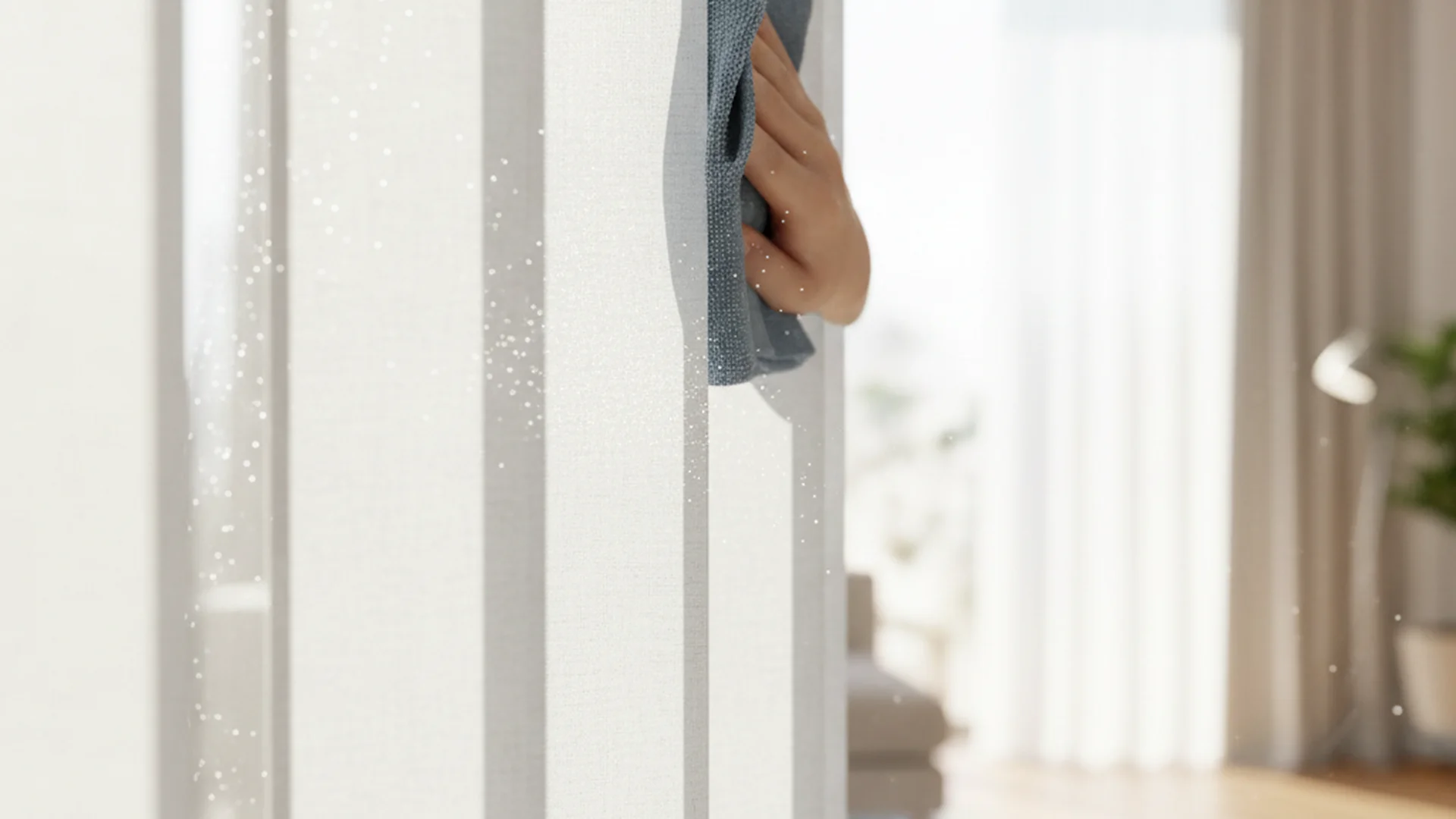
The most effective way to prevent deep-set grime is a quick weekly dusting. This prevents the "muddy" residue that occurs when moisture hits a thick layer of dust.
- Close the slats: Position the blinds so they are almost flat against the window.
- Work from the top: Always start at the top slat and work your way down. This ensures that any dust knocked loose falls onto uncleaned slats.
- The Tool: Use a microfiber cloth or a vacuum with a soft brush attachment.
- The Flip: Once the front is done, flip the slats the opposite way and repeat the process.
Tip: Use a used dry dryer sheet to wipe the slats after dusting. The anti-static coating left behind will repel future dust for up to three weeks.
Level 2: The Monthly Wipe (For Grime and Stains)
Monthly cleaning is necessary for blinds located in kitchens or near entryways where fingerprints and grease are common.
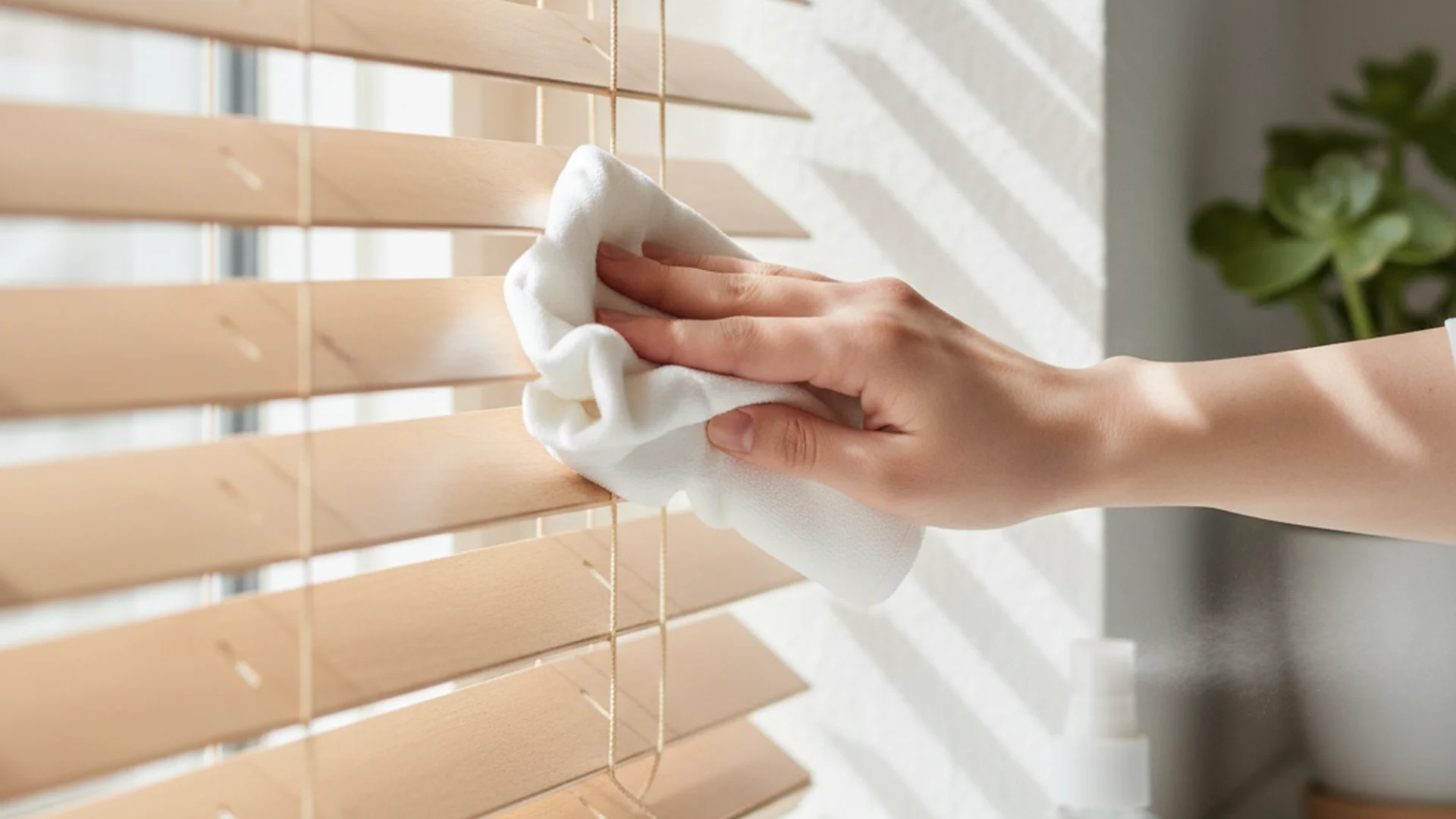
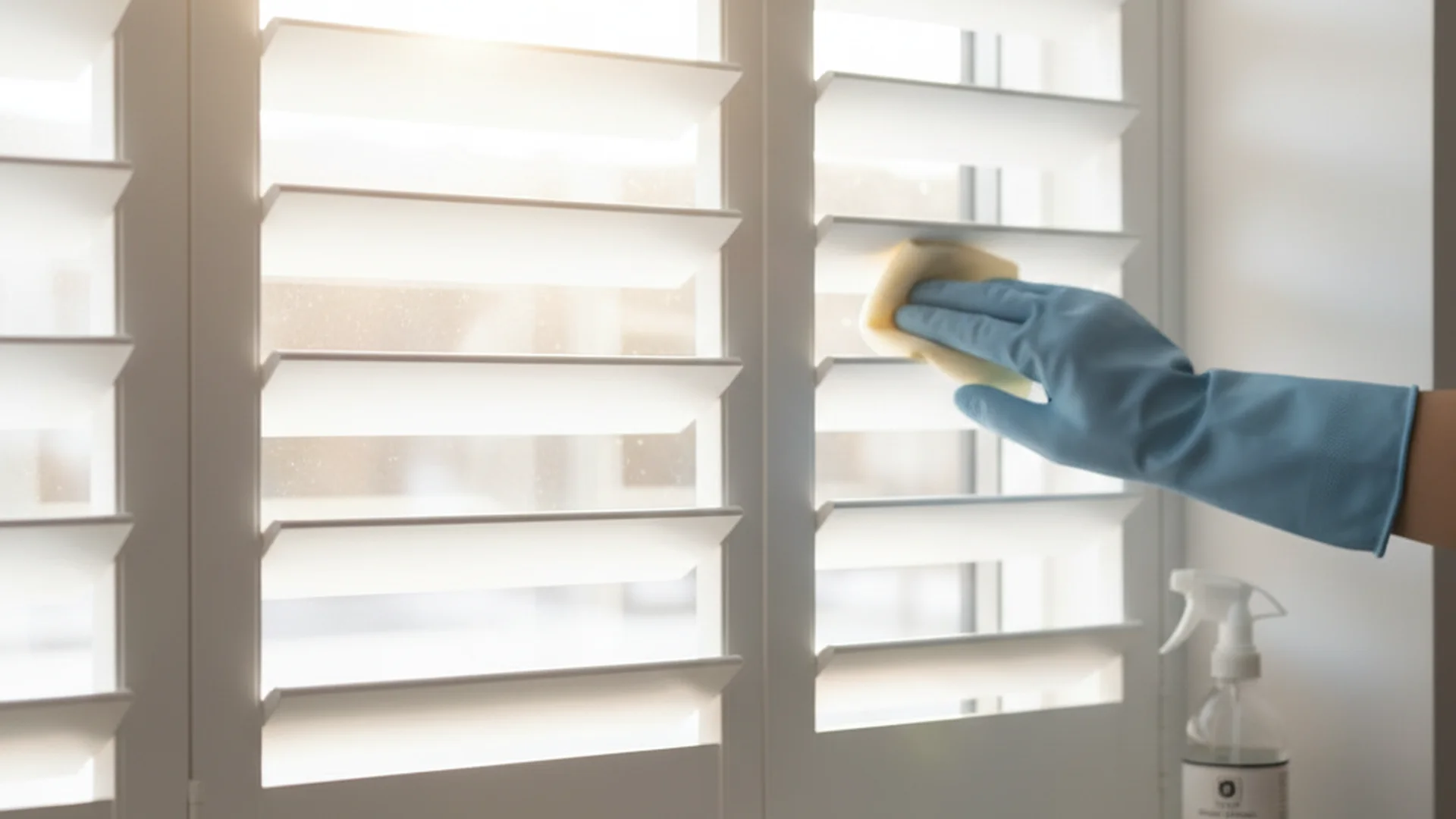
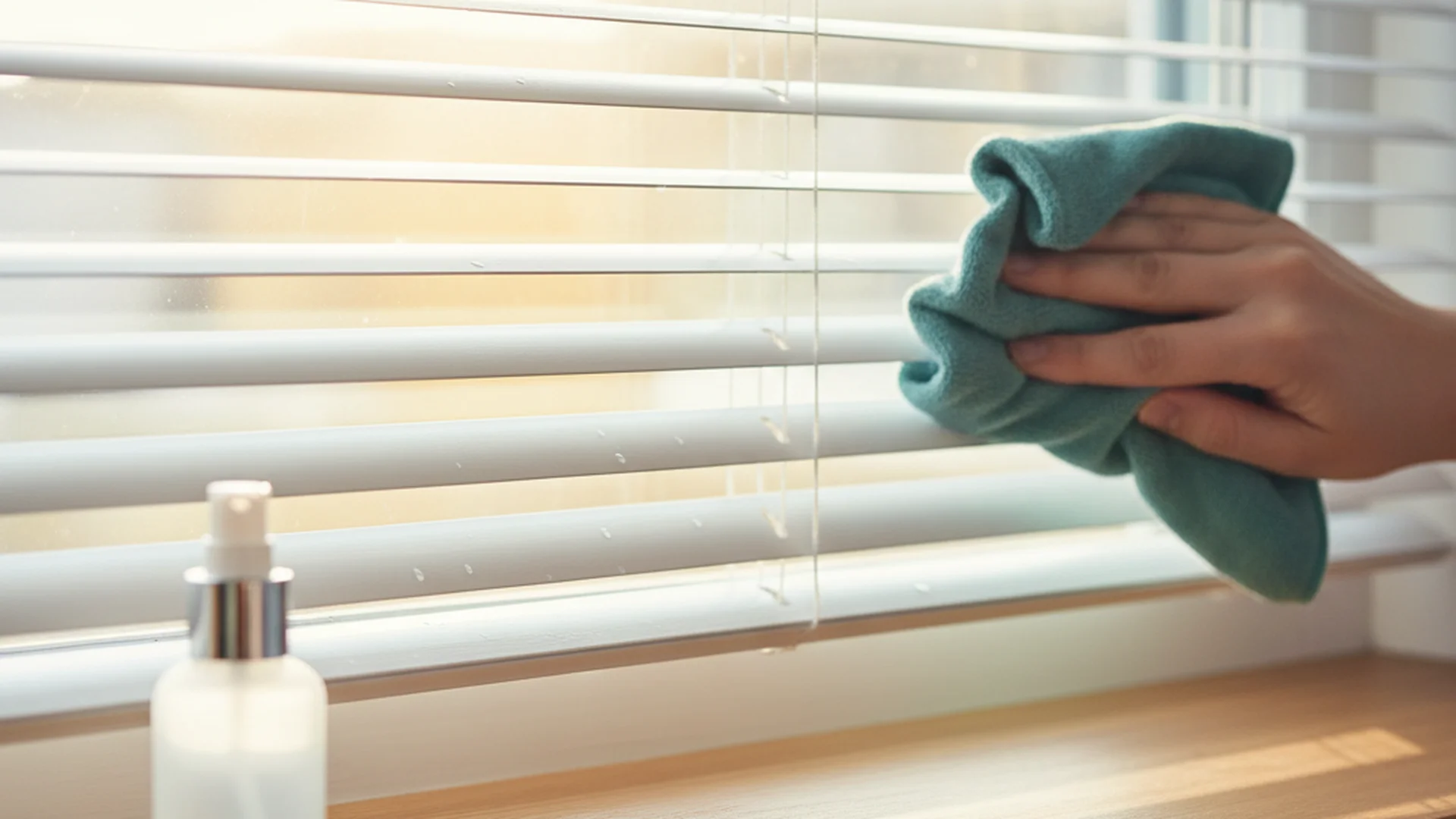
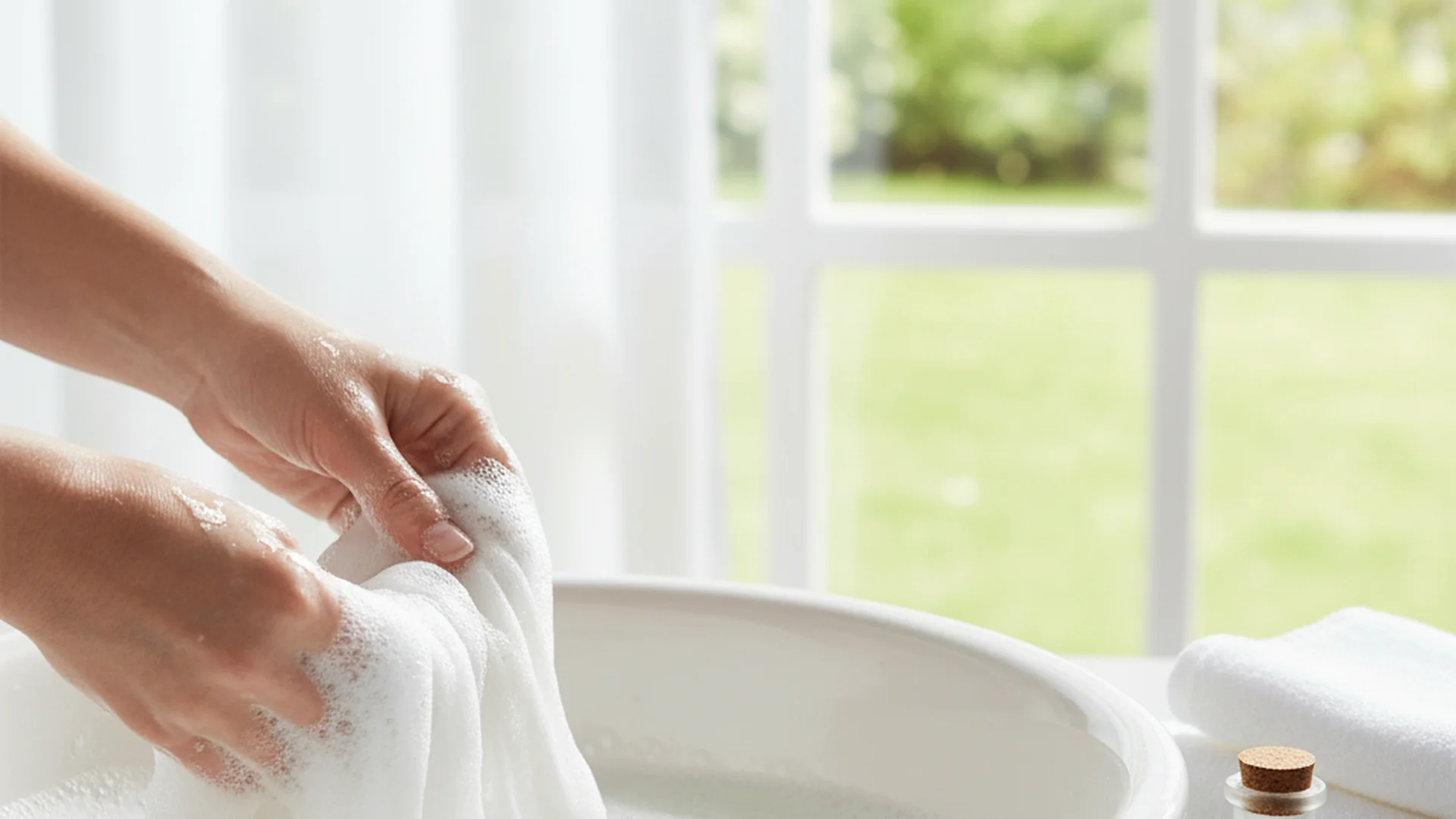
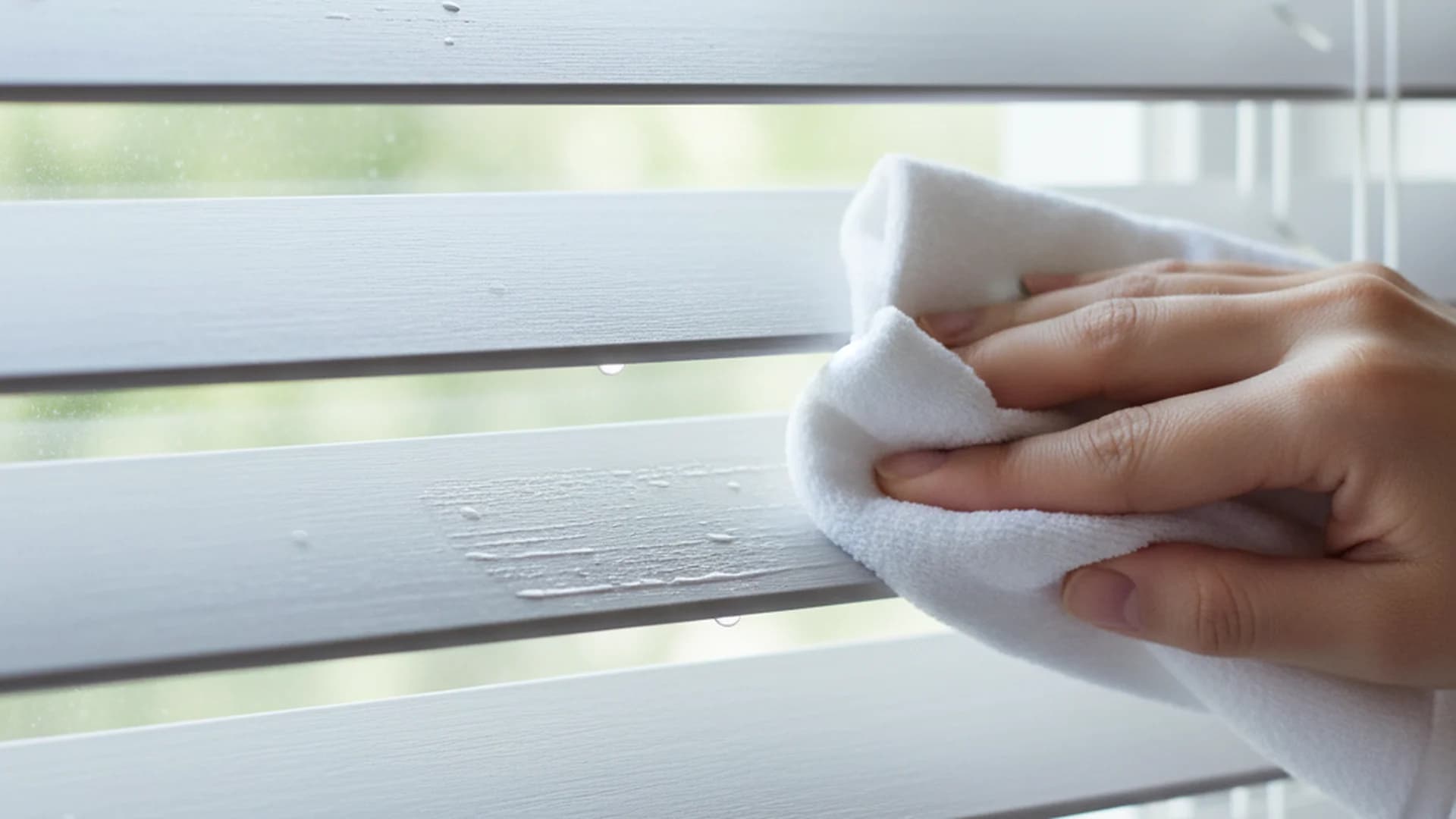
For this, a damp (not soaking) microfiber cloth and mild dish soap are your best friends. Dip the cloth in warm, soapy water and wring it out until it is barely damp. Wipe each slat individually to lift fingerprints or kitchen grease.
Success: Regular monthly wipes can extend the life of your blinds' UV-protective coating by preventing acidic oils from breaking down the finish.
Level 3: The Deep Clean (Annual)
Once a year, or if you’ve recently completed a home renovation, a deep clean is required. While many suggest the bathtub, experts recommend taking the blinds down and laying them on an old sheet on a flat surface. This allows you to apply pressure to stubborn spots without straining the window brackets.
How to Clean Faux Wood Blinds Without Taking Them Down
Most people want to know the best way clean faux wood blinds without the hassle of unmounting them. This is entirely possible even for moderate stains.
Step-by-Step Instructions:
- Preparation: Open the window slightly if possible to provide ventilation if using cleaning solutions.
- Dry Dust First: Never apply liquid to a heavily dusty blind. Use a microfiber cloth to remove the loose top layer.
- The Solution: Mix a solution of 50% white vinegar and 50% water in a bowl.
- The "Sock" Method: Put an old, clean sock over your hand like a puppet. Dip the "sock-hand" into the vinegar solution and wring it out.
- The Pinch: Grip a single slat between your fingers (with the sock) and slide your hand from one end to the other. This cleans both the top and bottom of the slat simultaneously.
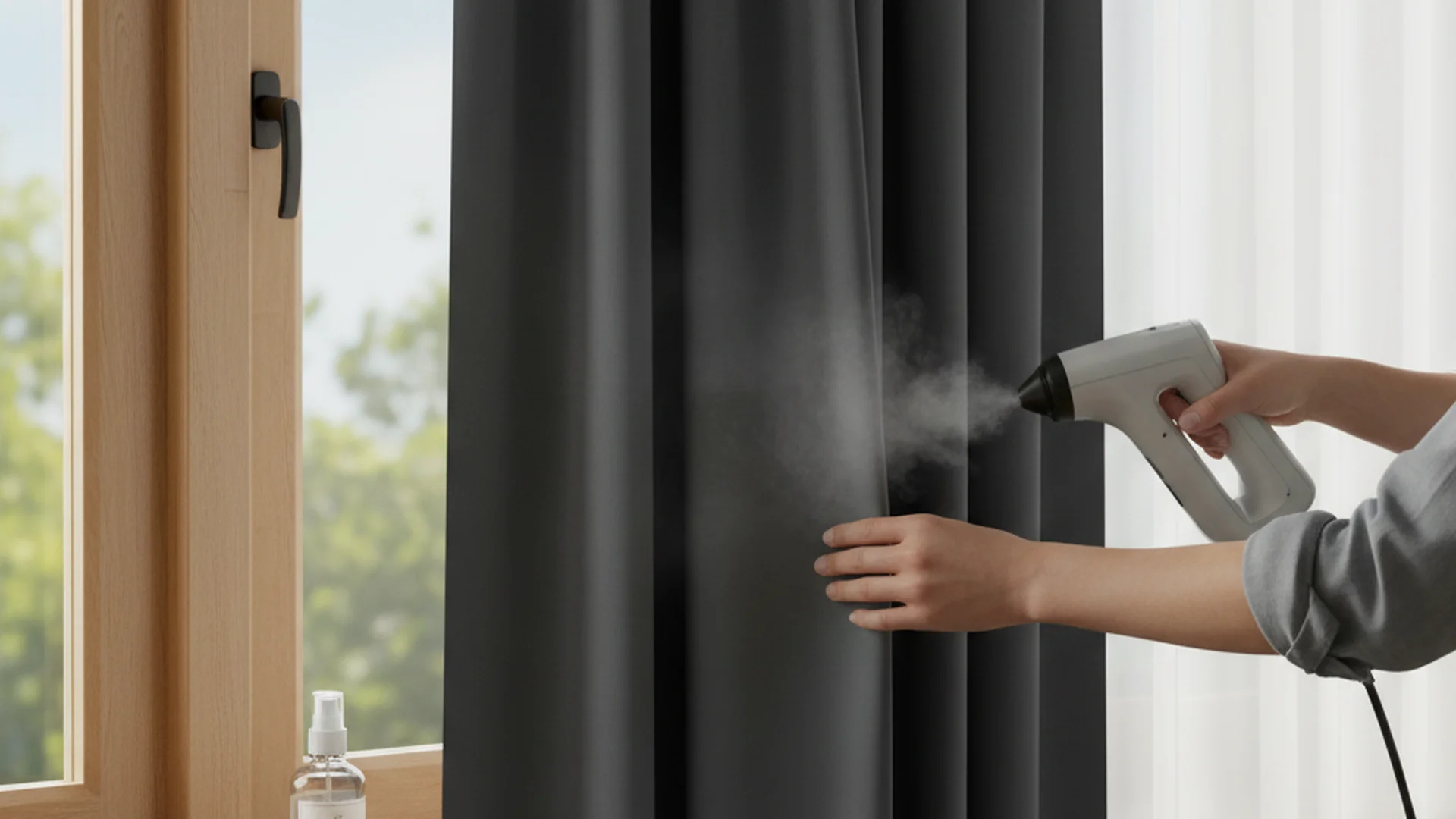
Warning: Never use a steam cleaner on faux wood blinds. While they are heat-resistant, the concentrated high-temperature steam can cause the PVC to warp or lose its shape.
Real-World Cleaning Scenarios
Example 1: The Greasy Kitchen Blind
In a busy kitchen where frying is common, blinds often develop a sticky yellow film. A standard duster won't work here. Instead, use a degreasing dish soap. One homeowner in a high-traffic urban apartment found that wiping with a mix of warm water and Lemon Joy soap once a month kept the slats from becoming "magnets" for city soot and cooking oils.
Example 2: The Bathroom Mildew Challenge
In a poorly ventilated bathroom, faux wood blinds can develop small black spots of mildew. A homeowner successfully treated this by using the 50/50 vinegar-water solution mentioned above. The vinegar acts as a natural fungicide that kills mold spores without the harshness of bleach, which can yellow the faux wood finish.
Example 3: The "Mocha Mousse" Trend
Modern design trends for 2025/2026 have shifted toward darker "biophilic" tones like "Mocha Mousse" and muted clays. While beautiful, these darker colors show dust much faster than traditional white blinds. Owners of these trend-forward blinds find that a weekly pass with a vacuum brush is essential to keep the deep colors looking vibrant rather than grey and dull.
Cleaning Solutions Comparison
| Solution Type | Best For | Pros | Cons |
|---|---|---|---|
| 50/50 Vinegar/Water | General Disinfecting | Natural, cheap, kills mold | Strong smell during application |
| Mild Dish Soap | Grease & Fingerprints | Cuts through oils effectively | Can leave a film if too much is used |
| Microfiber (Dry) | Weekly Maintenance | Fast, no drying time required | Doesn't remove stuck-on grime |
| Commercial Blind Cleaner | Heavy Soiling | Specifically formulated for PVC | Can be expensive; may contain harsh chemicals |
Common Mistakes to Avoid
- Using Harsh Chemicals: Avoid bleach, ammonia, or abrasive scrubbing pads. These strip the UV-protective coating, which leads to yellowing or cracking over time.
- Submerging in Water: Many people think "waterproof" means they can soak blinds in a bathtub. While the slats are fine, the internal metal headrail and springs will rust, and the strings (ladders) may shrink or lose structural integrity.
- Cleaning from Bottom to Top: If you start at the bottom, dust and water drips from the top slats will ruin your progress. Always work with gravity.
- Skipping the Dry Step: If you use a damp cloth, always follow up with a dry microfiber cloth. Leaving water to air-dry can cause unsightly water spots, especially on the new 2026 darker-toned blinds.
Warning: When cleaning motorized or smart blinds, never spray liquid directly near the motor head. Use a dry cloth for all electronic components to avoid short-circuiting the hardware.
Frequently Asked Questions
Can I clean faux wood blinds in the bathtub?
Is vinegar safe for faux wood?
How do I clean the strings (ladders) of the blinds?
How often should I clean my blinds?
Are cordless blinds harder to clean?
Conclusion
Knowing how to clean faux wood blinds correctly is the key to maintaining a beautiful and healthy home. By following a consistent schedule of weekly dusting and monthly damp-wiping, you can avoid the need for labor-intensive deep cleaning. Remember to avoid harsh chemicals, keep moisture away from the internal mechanisms, and always work from the top down. Whether you are dealing with kitchen grease or bathroom humidity, these simple steps will keep your window treatments looking like the day they were installed.
Success: By implementing the "dryer sheet" tip and the "sock method," you can cut your cleaning time in half while doubling the lifespan of your blinds.
CTA: Ready to Organize Your Home? | Get more expert tips on maintaining a spotless and organized living space. | Join Our Newsletter | /newsletter-signup
Cleaning that keeps score
Every task earns points, every streak multiplies them, and Premium adds a household leaderboard plus a monthly Dustagorgon to beat.
- Free forever
- 30 badges to earn
- Up to 6 in a household
No card needed. Set up your rooms in a couple of minutes.