In this article
What you’ll learn
- Regular vacuuming preserves the insulating R-value of your shades.
- Never use heat or harsh chemicals, as they dissolve the honeycomb adhesives.
- Most maintenance can be done without removing the shades from the window.
Cellular shades, often called honeycomb shades, are the silent heroes of home energy efficiency. The pockets of trapped air inside each cell cut heat loss through your windows in winter and hold back solar heat gain in summer. However, their unique air-trapping structure also makes them magnets for dust, allergens, and the occasional stray insect. Learning how to clean cellular shades properly is essential not just for aesthetics, but for maintaining that crucial thermal resistance.
As a Domestic Efficiency Specialist, I’ve seen how neglected shades can lose their "R-value" (insulating power) over time. When dust accumulates within the cells, it interferes with the air pockets designed to keep your home comfortable. In this guide, we will explore the safest, most effective methods to keep your shades in peak condition through 2026 and beyond.
Why Your Cellular Shades Require a Delicate Touch
Most modern cellular shades are constructed from spunlace non-woven polyester. While this material is chosen for its durability and anti-static properties, it is not invincible. The "honeycomb" shape is held together by specialized adhesives that are highly sensitive to temperature and moisture.
Neglecting your shades doesn't just look bad; it can lead to permanent "graying" of the fabric. This occurs when airborne pollutants and humidity bond with surface dust, creating a layer of grime that is nearly impossible to remove without professional ultrasonic intervention. By following a proactive cleaning schedule, you can extend the lifespan of your shades to their full 7-to-10-year potential.
The No-Removal Guide: Routine Maintenance
The best way clean cellular shades for most homeowners is the "in-place" method. You don't need to struggle with brackets or risk bending the headrail. You can effectively clean cellular shades without taking down the entire unit by using the right tools.
Step 1: Horizontal Vacuuming
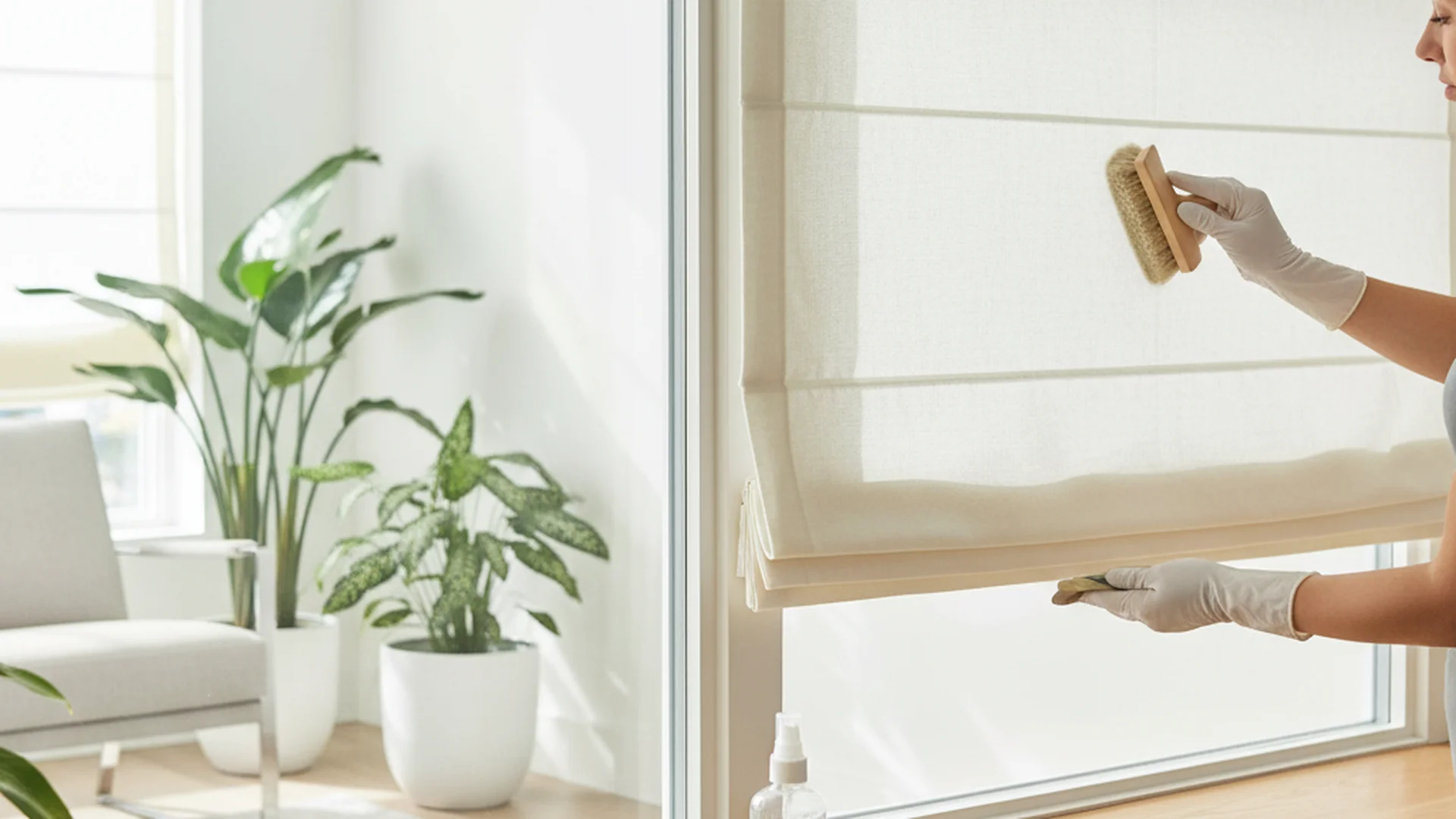
Use a handheld vacuum or a canister vacuum with a soft brush attachment. This is the most critical step for monthly maintenance.
- The Technique: Set your vacuum to the lowest suction setting. Move the brush head horizontally along each pleat.
- Why it works: Moving vertically can crush the cells or pull the fabric out of shape. Horizontal strokes follow the natural structure of the shade.
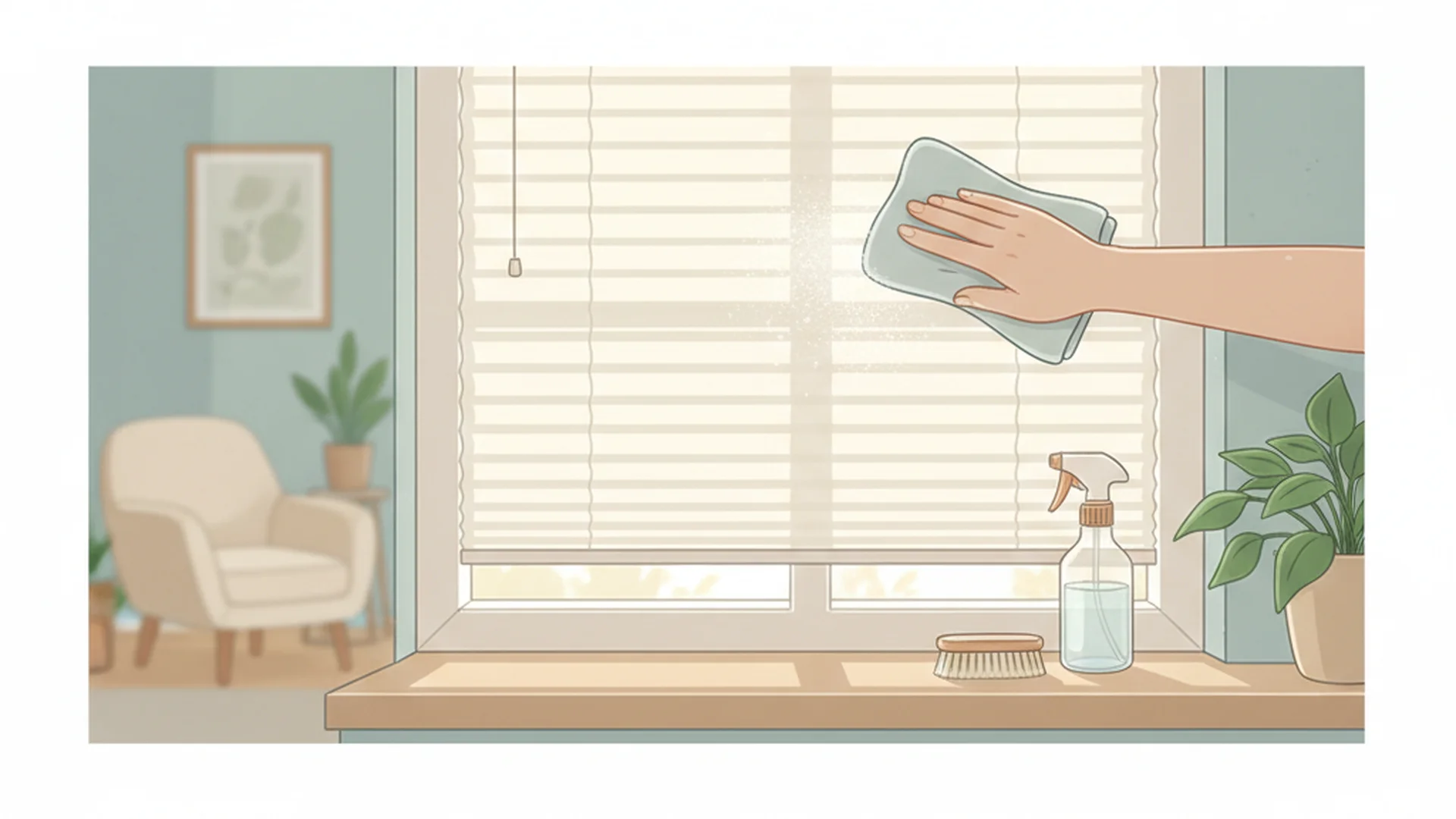
Step 2: Microfiber Dusting
If you don't have a vacuum with adjustable suction, a high-quality microfiber cloth is your best alternative. Unlike traditional feather dusters that simply kick dust into the air, microfiber traps particles within its fibers.
Tip: Always dust or vacuum your shades before applying any liquid cleaners. Adding water to a dusty shade can create "mud" that seeps into the fabric fibers.
Handling the "Bug Problem" Inside the Cells
One of the most common questions I receive is how to remove dead insects that have found their way into the honeycomb channels. Because the cells are open at the ends, spiders and small flies often crawl inside and get trapped.
To clear them out, do not use a vacuum, as the nozzle may crush the insect against the delicate inner fabric, causing a permanent stain. Instead, use a can of compressed air (like the kind used for electronics) or a hairdryer set to the cool setting. Simply blow the air through one end of the cell to push the debris out the other side.
Warning: Never use a hairdryer on a hot setting. High heat can melt the polyester fibers or dissolve the glue holding the cells together, leading to "sagging" shades.
Spot Cleaning Stains and Spills
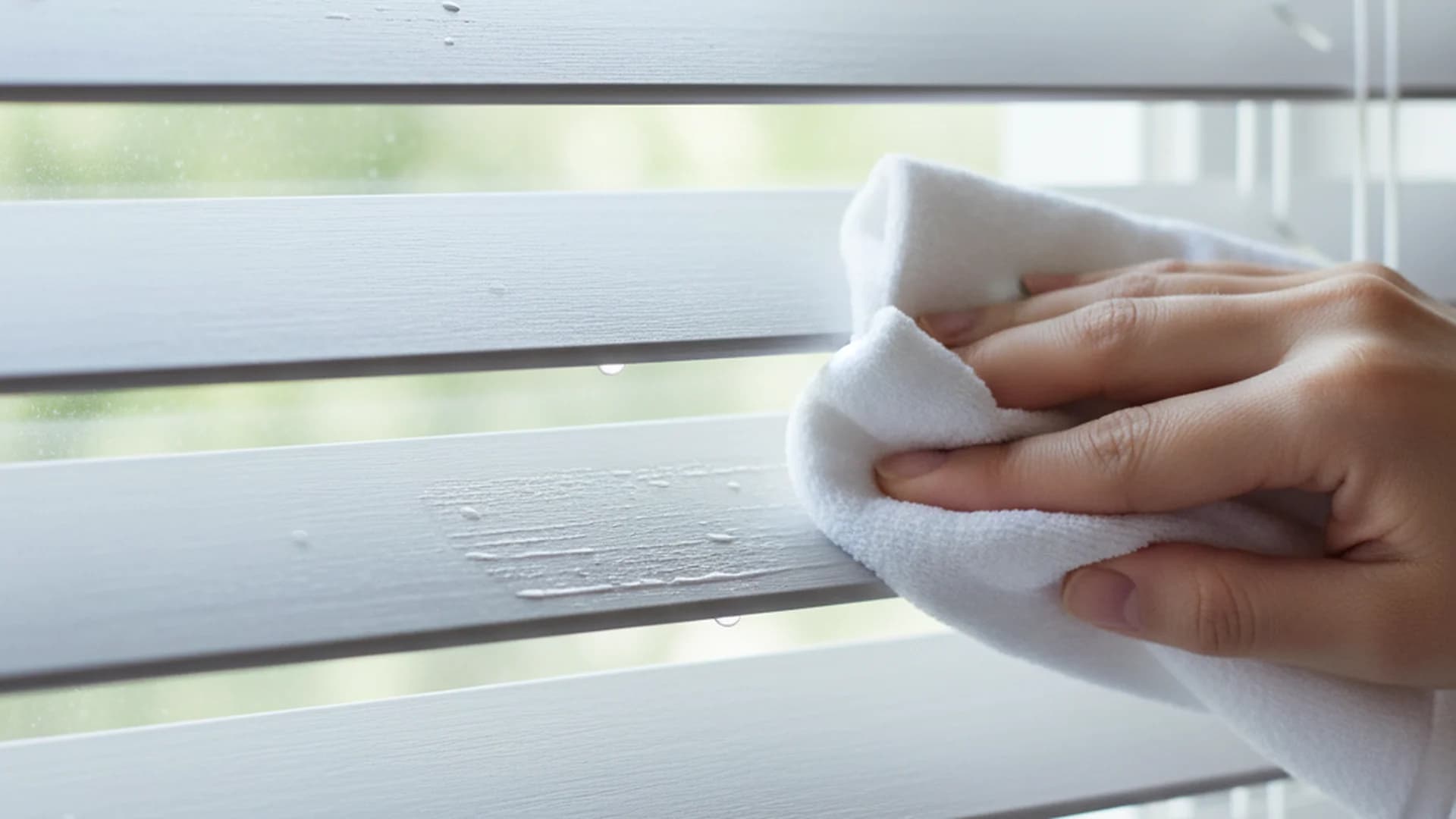
Life happens—whether it's a splash of coffee or a rogue crayon mark. When spot cleaning, the golden rule is "Blot, Don't Rub."
The "Blot" Method
- Mix a solution of lukewarm water and a drop of mild, pH-neutral dish soap.
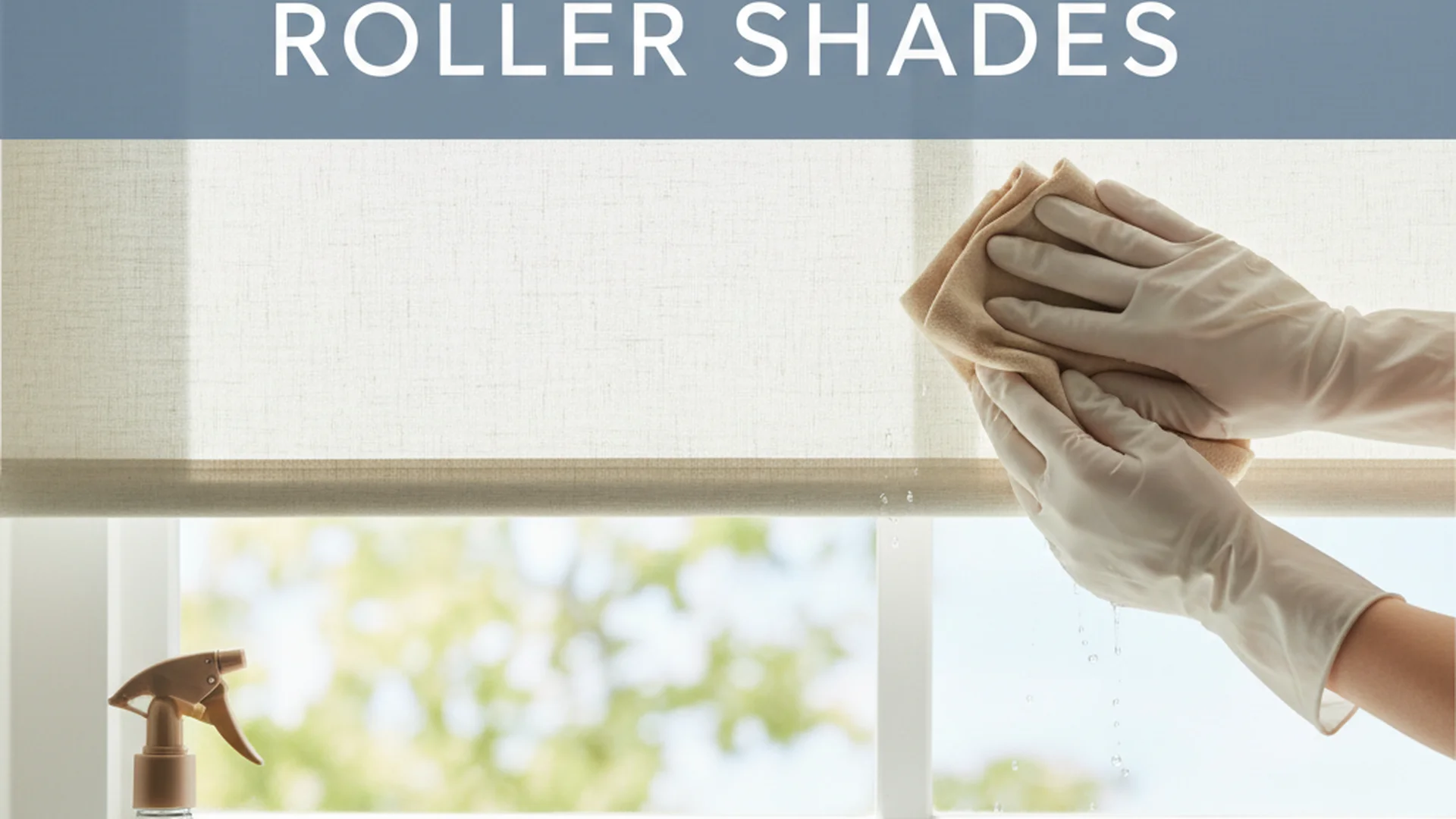
- Dampen a clean, white microfiber cloth (colored cloths can transfer dye to the shades).
- Gently blot the stain from the outside in.
- Rinse the area by blotting with a separate cloth dampened with plain distilled water.
Success: Using distilled water for spot cleaning prevents the "water rings" often caused by the mineral content in tap water.
Real-World Example: The Morning Coffee Mishap
I once worked with a client who splashed espresso on her cream-colored light-filtering shades. Instead of scrubbing, which would have caused the polyester to "pill" or fray, she used a melamine sponge (Magic Eraser) dampened slightly with distilled water. By gently dabbing the area, she lifted the pigment without saturating the internal honeycomb structure.
Deep Cleaning: When to DIY vs. Professional Help
For shades that haven't been cleaned in years, a "Tier 3" deep clean may be necessary. However, this is where many homeowners void their warranties.
| Shade Type | Can it be Submerged? | Method |
|---|---|---|
| Light-Filtering | Yes (Check Label) | Bathtub soak with mild soap |
| Blackout | No | Spot clean or Professional only |
| Motorized | No | Surface clean only |
| Flame Resistant | No | Professional Dry Clean only |
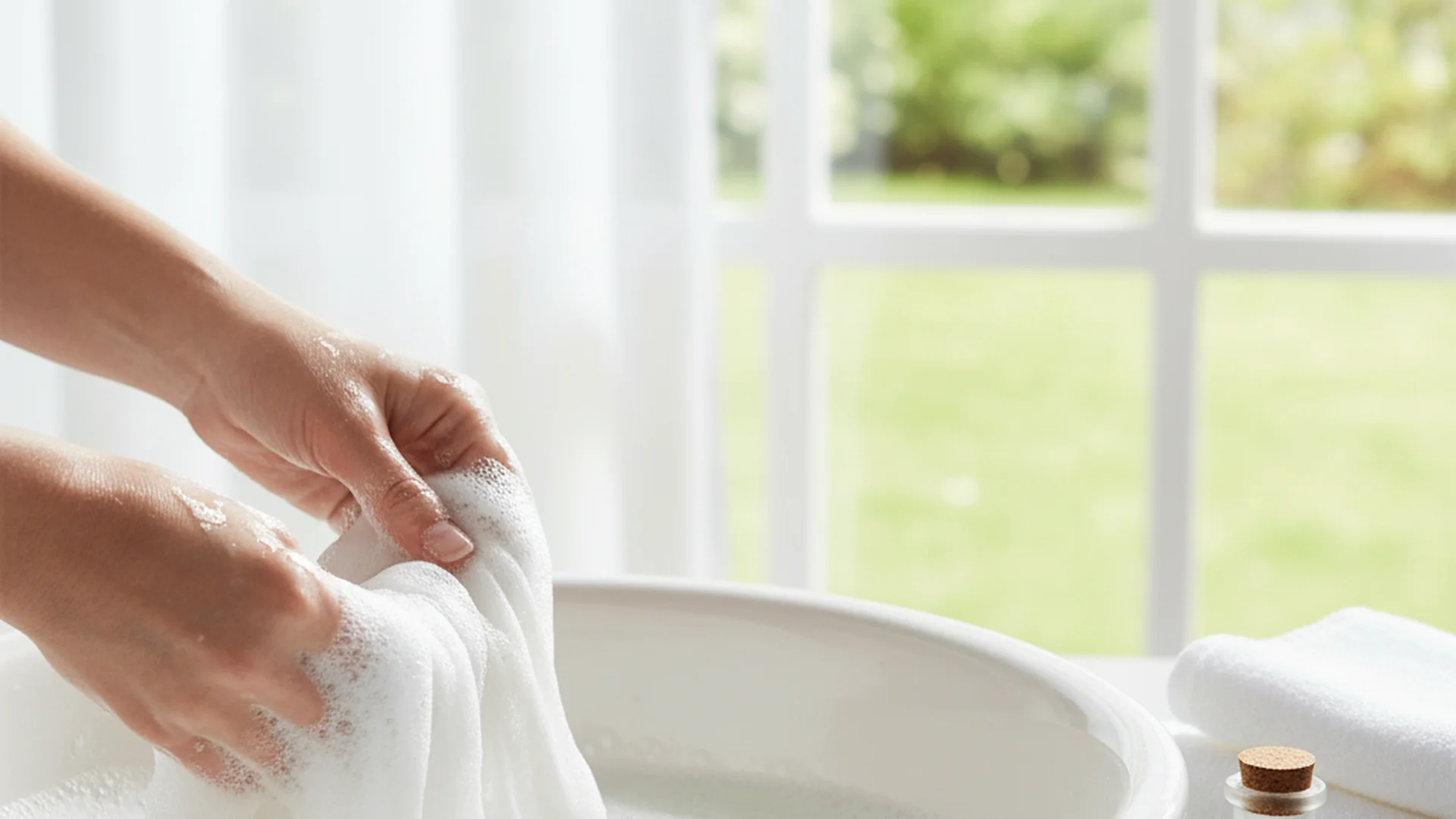
The Bathtub Method (Light-Filtering Only)
If your shades are labeled as washable, you can immerse them in a bathtub of lukewarm water with mild detergent. Gently swirl them, then rinse thoroughly. To dry, you must re-hang them and lower them completely. Once they are about 90% dry, raise them to "reset" the pleat memory.
Note: Blackout shades contain an internal layer of Mylar or aluminum. Submerging them can cause this layer to delaminate or crinkle, destroying the shade's appearance and functionality.
2026 Cleaning Trends: The High-Tech Approach
As we move into 2026, home maintenance technology is evolving. Two major trends are changing how we care for window treatments:
- UV-C Sanitizing: New high-end handheld vacuums now feature UV-C light strips. These are fantastic for cellular shades because they kill dust mites and bacteria trapped inside the honeycomb cells without requiring moisture or chemicals.
- Proactive Anti-Static Treatments: Homeowners are increasingly using plant-based, anti-static sprays after cleaning. These sprays help the polyester fibers repel dust for longer, extending the time between deep cleans.
Common Mistakes to Avoid
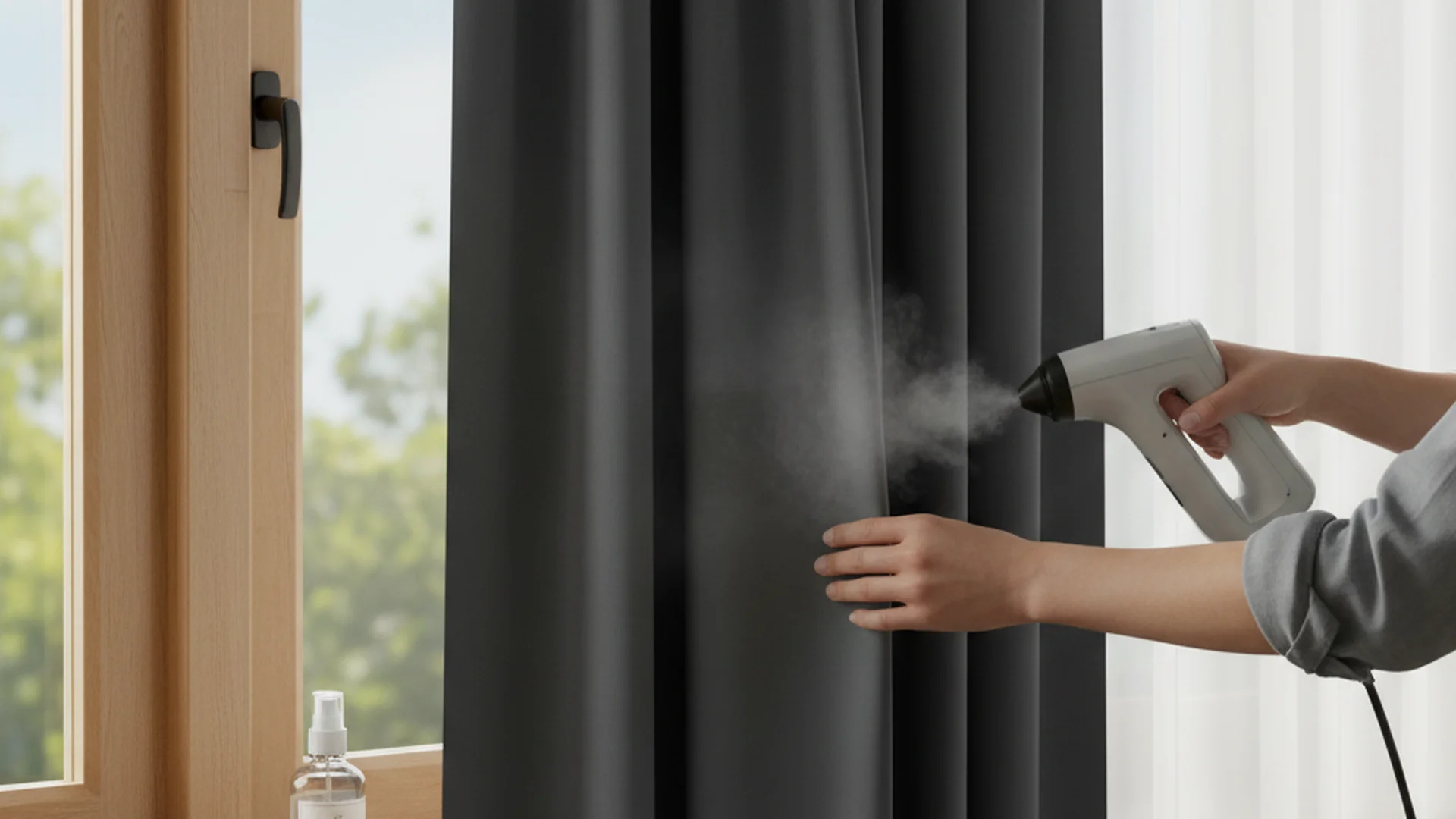
- Using Steam Cleaners: While steam is great for curtains, it is the enemy of cellular shades. The heat and moisture combo is the fastest way to ruin the adhesive bonds of the honeycomb.
- Harsh Chemicals: Avoid bleach, ammonia, and high-strength degreasers. These strip the anti-static coating from the non-woven polyester, making the shades attract dust even faster than before.
- Cleaning Motorized Parts: With the surge in smart home automation, many shades now have motors in the headrail. Never allow water to enter the headrail, as this will short-circuit the motor and battery.
- Scrubbing Too Hard: Polyester fibers are durable but prone to "pilling" (creating small fuzzy balls) if subjected to heavy friction.
Frequently Asked Questions
Can I clean cellular shades without taking them down?
How do I get dead bugs out of the honeycomb cells?
Is it safe to use a steam cleaner?
What is the best way to dry shades after washing?
Conclusion
Keeping your cellular shades clean is about more than just looks; it's about preserving the energy-efficient technology built into your home. By utilizing the "Tier 1" maintenance approach—monthly vacuuming and cool-air bug removal—you can ensure your shades look new for nearly a decade while keeping your utility bills low.
Remember the specialist's mantra: Vacuum horizontally, blot gently, and never use heat. With these steps, your cellular shades will continue to be the efficient, beautiful "silent heroes" of your living space.
Success: Regular maintenance can keep your shades' R-value at its peak (2.0 to 5.0), saving you hundreds of dollars in heating and cooling costs over the life of the product.
Cleaning that keeps score
Every task earns points, every streak multiplies them, and Premium adds a household leaderboard plus a monthly Dustagorgon to beat.
- Free forever
- 30 badges to earn
- Up to 6 in a household
No card needed. Set up your rooms in a couple of minutes.