In this article
What you’ll learn
- Always use pH-neutral, enzyme-free liquid detergents to avoid fiber degradation.
- Never tumble dry silk; use the towel-roll method and air dry away from sunlight.
- Modern AI-driven washing machines and "EasyCare" silk make home maintenance easier than ever.
However, the most common hurdle for new owners is learning how to clean silk sheets without ruining their signature luster. Because silk is a delicate natural protein, traditional laundry habits can actually chemically digest the fabric, leading to thinning and "shredding" within just a few washes.
The Science of Silk: Why Standard Cleaning Fails
To understand the best way clean silk sheets, you must first understand what silk is: a protein fiber. Most modern heavy-duty detergents are formulated with protease enzymes. These enzymes are designed to seek out and break down protein-based stains like blood, sweat, or grass.
Because silk is made of fibroin (a protein), these detergents cannot distinguish between a stain and the fabric itself. Over time, using standard detergent will cause the fibers to become brittle and eventually develop holes. Furthermore, silk is structurally vulnerable when wet, losing up to 20% of its tensile strength. This makes the agitation phase of your cleaning routine the most critical risk point.
Warning: Never use bleach or detergents containing "Oxy" boosters or enzymes on silk. These will permanently damage the protein structure of the fibers.
Step-by-Step: How to Clean Silk Sheets in the Washing Machine
Many people ask, "can you wash silk in a machine?" The answer is a resounding yes, provided you follow a strict protocol. Modern silk—specifically those with a momme weight of 19 to 25—is durable enough for machine cycles if handled with care.
Step 1: Preparation and Protection
Always turn your silk pillowcases and sheets inside out. This protects the "shiny" side of the fabric from friction. Place each item into a fine mesh laundry bag. This is a non-negotiable step to prevent the fabric from snagging on the drum or the agitator.
Step 2: Selecting the Cycle (The 2026 AI Edge)
If you have a 2026 model washing machine from brands like Samsung or LG, utilize the "AI Fabric Sensor" setting. These new machines detect protein-based textiles and automatically default to a "Low-Agitation/Cold" profile. If your machine is older, manually select the "Delicate" or "Hand Wash" cycle.
Step 3: Detergent and Water Temperature
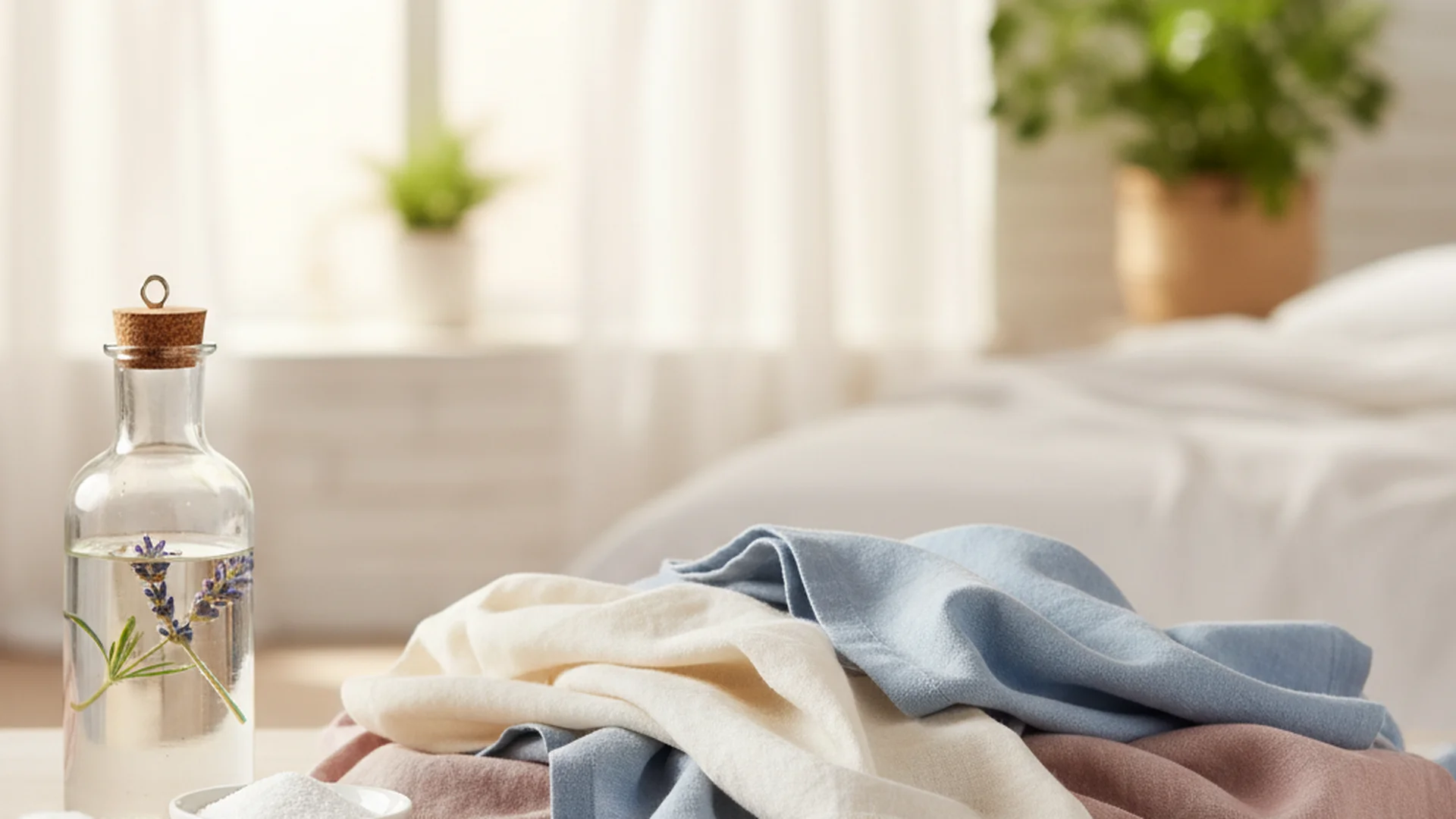
Ensure the water temperature does not exceed 30°C (86°F). Heat is the primary cause of "silk dulling." Use a pH-neutral, enzyme-free liquid detergent.
Tip: If your silk feels stiff after washing, add 1/4 cup of distilled white vinegar to the fabric softener dispenser. This neutralizes pH and dissolves soap residue.
| Detergent Type | Safe for Silk? | Reason |
|---|---|---|
| Standard Pods | No | Contains Protease Enzymes |
| Woolite/Delicates | Yes | pH Neutral & Gentle |
| Heritage Park | Yes | Specifically Formulated for Silk |
| Powder Detergent | No | May not dissolve in cold water |
The Hand-Washing Alternative
For vintage silk or items labeled "Dry Clean Only," hand-washing is often safer and more eco-friendly than professional chemical cleaning.
- Fill a clean basin with cool water and a small amount of silk-safe detergent.
- Submerge the entire item. Never spot-clean silk, as "water spotting" occurs when only one area is wet and dried.
- Gently agitate by hand for 3–5 minutes. Do not scrub.
- Rinse thoroughly in cool water until all soap is gone.
Note: "Peace Silk" (Ahimsa) often requires even gentler handling than traditional Mulberry silk. Use biodegradable, plant-derived surfactants for these eco-friendly options.
Drying and De-Wrinkling Without Heat
The dryer is the "death chamber" for silk sheets. The high heat and tumbling action break down the fibers and cause permanent shrinkage.
The Towel-Roll Method
Instead of wringing the fabric—which causes mechanical stress and permanent wrinkles—lay the wet silk flat on a clean, white cotton towel. Roll the towel up like a sleeping bag and press down firmly to absorb the excess moisture.
Line Drying
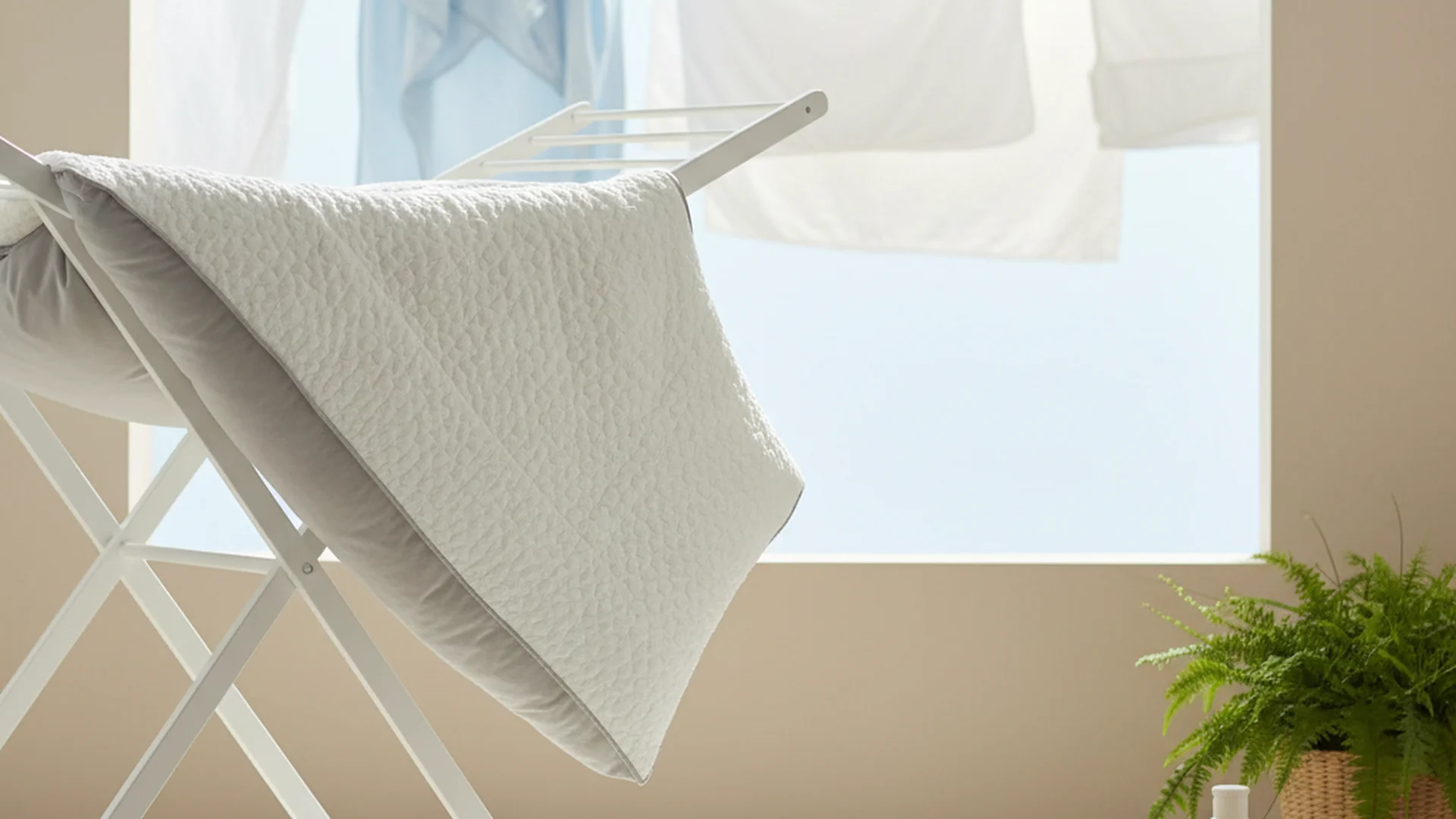
Unroll the silk and hang it to dry indoors or in a shaded outdoor area.
Warning: UV rays act as a natural bleach. Even a few hours in direct 2026 summer sun can cause "fiber brittleness" and cause colors to fade.
The Bathroom Steaming Hack
If your sheets are wrinkled after drying, do not reach for a high-heat iron. Instead, hang them in the bathroom while you take a warm shower. The ambient steam will naturally relax the fibers without the risk of scorching the fabric.
Real-World Examples of Silk Care
- The Beauty Enthusiast's Routine: A 2025 consumer trend report showed that users who wash their silk pillowcases every 3–5 days (compared to 14 days for sheets) noticed a 30% reduction in "product buildup" on the fabric, keeping the silk breathable for skin health.
- The "Wonder Wash" Success: A busy professional used the 2026 15-minute "Wonder Wash" cycle with a cold-water optimized formula. This minimized the time the silk spent in a wet, vulnerable state, resulting in a 40% increase in the fabric's lifespan compared to standard 60-minute cycles.
- The Hard Water Fix: A homeowner in an area with high mineral content found their silk becoming "crunchy." By applying the distilled vinegar hack during the rinse cycle, they restored the original drape and softness of their 22-momme sheets.
Common Mistakes to Avoid
- Using Fabric Softener: Softeners leave a waxy film that ruins the natural breathability of silk. Silk is naturally soft; it does not need chemicals to feel good.
- Wringing the Fabric: This breaks the long-chain proteins. If you see "veins" or permanent lines in your silk, it’s likely from twisting the fabric while wet.
- Over-washing: While hygiene is important, washing more than once a week can accelerate wear. Stick to a 7–14 day schedule for sheets.
- Trusting "Dry Clean Only" Labels Blindly: Many dry cleaners use Perchloroethylene (Perc), which can be harsh. Unless the silk is structured (like a blazer), home washing is usually better.
Frequently Asked Questions
How often should silk sheets be washed?
Does water stain silk?
How do I make my silk sheets "silky" again?
Can you use a steamer on silk?
Conclusion
Mastering how to clean silk sheets is the secret to enjoying your luxury bedding for a decade rather than a single season. By avoiding harsh enzymes, keeping the temperature low, and utilizing 2026 innovations like AI-driven cycles and 15-minute "Wonder Washes," you can maintain that "brand new" feeling indefinitely. Silk is a natural, living fiber; treat it with the same care you would treat your own hair or skin, and it will reward you with the best sleep of your life.
Success: By following this pH-balanced, low-heat routine, your silk sheets will maintain their 20% natural strength and signature sheen for years to come.
Cleaning that keeps score
Every task earns points, every streak multiplies them, and Premium adds a household leaderboard plus a monthly Dustagorgon to beat.
- Free forever
- 30 badges to earn
- Up to 6 in a household
No card needed. Set up your rooms in a couple of minutes.