In this article
What you’ll learn
- CLAYGO is a proactive strategy focused on immediate cleaning rather than scheduled deep cleans.
- It is an industry standard in UK food hygiene and global healthcare to prevent cross-contamination.
- Implementing the "One-Touch" rule and "Mise en Place" for cleaning can save up to 30 minutes per shift.
In the fast-paced world of professional hospitality and healthcare, the difference between a high-performing team and a chaotic environment often comes down to a single philosophy: the clean as you go method. Often abbreviated as CLAYGO, this proactive cleaning strategy is designed to integrate hygiene directly into the workflow. Instead of leaving a mountain of mess for the end of a shift, CLAYGO practitioners remove waste and disinfect surfaces immediately after a task is completed. This approach doesn't just make a space look better; it is a fundamental pillar of safety, efficiency, and professional reputation management.
Clean as You Go Explained: What is CLAYGO?
To truly understand the clean as you go method, we must look beyond the simple act of wiping a counter. CLAYGO is a systematic approach to environmental management. In professional settings, it is defined as a "proactive" rather than "reactive" strategy. While reactive cleaning happens because something is dirty, proactive cleaning happens to prevent the environment from ever becoming unmanageable.
In the UK, the Food Hygiene Regulations 2006 mandate high standards of cleanliness for any business handling food. CLAYGO is the industry-standard method for meeting these requirements. By cleaning as you work, you ensure that pathogens do not have the time or the medium to spread. This is particularly vital in preventing cross-contamination between raw and cooked foods, which is a leading cause of foodborne illness.
Note: CLAYGO is not a replacement for deep cleaning. While it maintains the "visible" and "high-touch" areas, you still need scheduled intervals to clean behind heavy equipment or high-level ventilation systems.
The Economic and Safety Impact of Immediate Cleaning
Why do the world’s most successful businesses obsess over the clean as you go method? Because cleanliness is one of the most significant drivers of consumer behavior and workplace safety.
1. Workplace Safety and Injury Prevention
Slipping and tripping are the most common causes of non-fatal workplace injuries globally. In a busy kitchen or hospital ward, a liquid spill left for "just five minutes" is a high-risk hazard. CLAYGO targets these "urgent" cleaning tasks—such as spills or broken glass—immediately, drastically reducing the window of opportunity for an accident to occur.
2. Consumer Influence and Reputation
Cleanliness is one of the loudest signals a customer picks up on. It dominates hospital satisfaction scores, it comes up constantly in online hotel reviews, and in the restaurant industry the stakes are even higher—a single review mentioning poor hygiene is enough to put most diners off for good.
3. Healthcare and Infection Control
In healthcare environments, the "clean as you go" method is a literal lifesaver. Healthcare-Associated Infections (HAIs) are picked up on the ward itself, and they are common enough that every hospital treats them as a standing risk. Enhanced environmental cleaning—the immediate disinfection of high-touch sites like bed rails and door handles—cuts the microbial load on those surfaces substantially.
| Industry | Primary CLAYGO Benefit | Key Metric |
|---|---|---|
| Food Service | Cross-contamination prevention | Food Hygiene Rating |
| Healthcare | Infection control | Reduction in HAIs |
| Retail/Corporate | Slip and trip prevention | Reduced liability claims |
| Home Office | Mental clarity | Increased productivity |
How to Use Clean as You Go: Best Practices
Implementing the clean as you go method requires a shift in mindset from "cleaning is a chore" to "cleaning is part of the task." Here are the strategies that make CLAYGO an instinctive reflex.
Categorize by Urgency
Not all messes are created equal. CLAYGO tasks fall into two categories:
- Urgent: Spills, broken glass, raw meat drips, or anything that poses an immediate safety or cross-contamination risk. These must be handled the second they occur.
- Non-Urgent: Wiping a counter after making a sandwich, putting a tool back in its drawer, or clearing away outer packaging. These are handled as soon as the specific sub-task is finished.
The "Mise en Place" for Cleaning
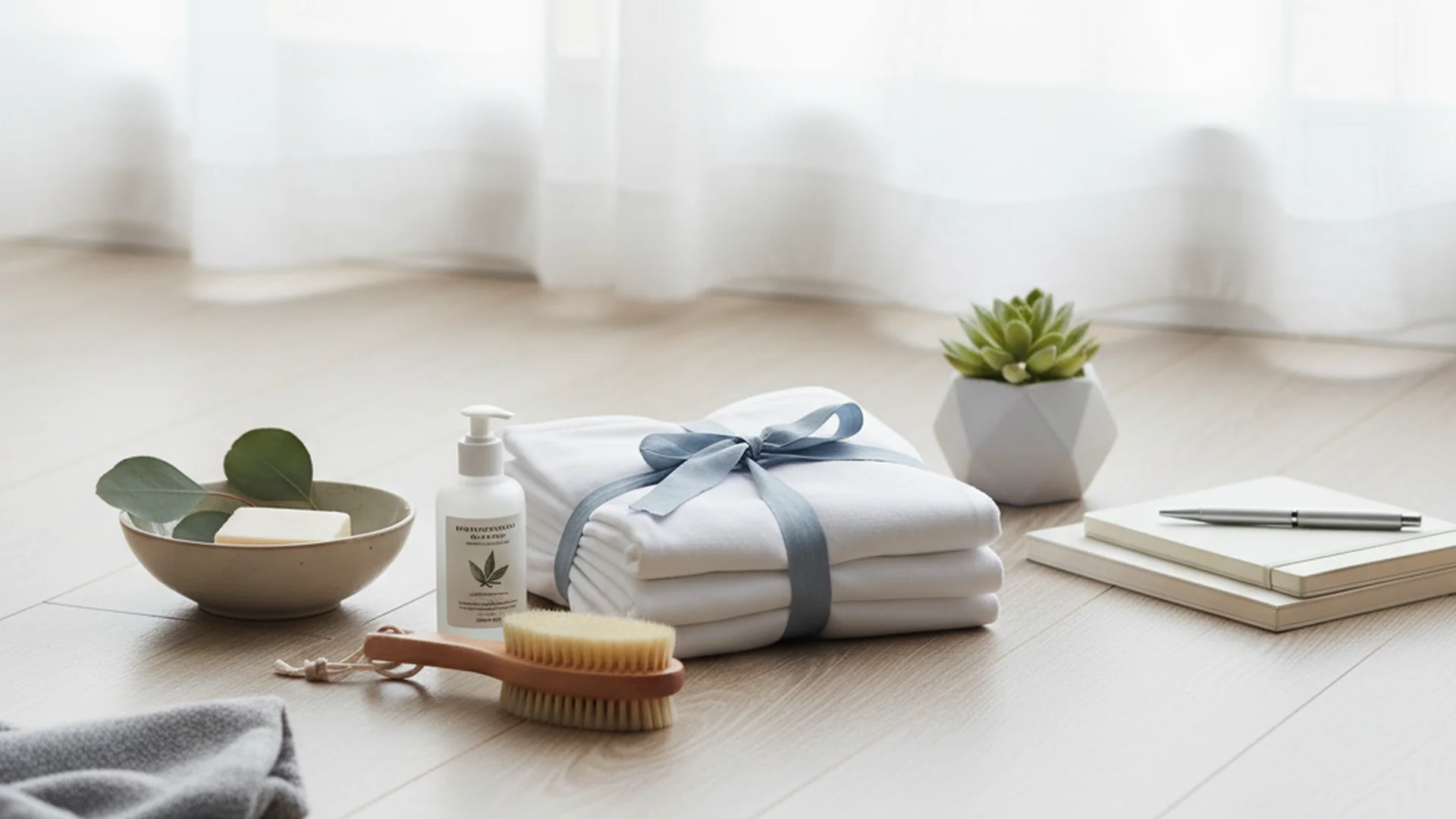
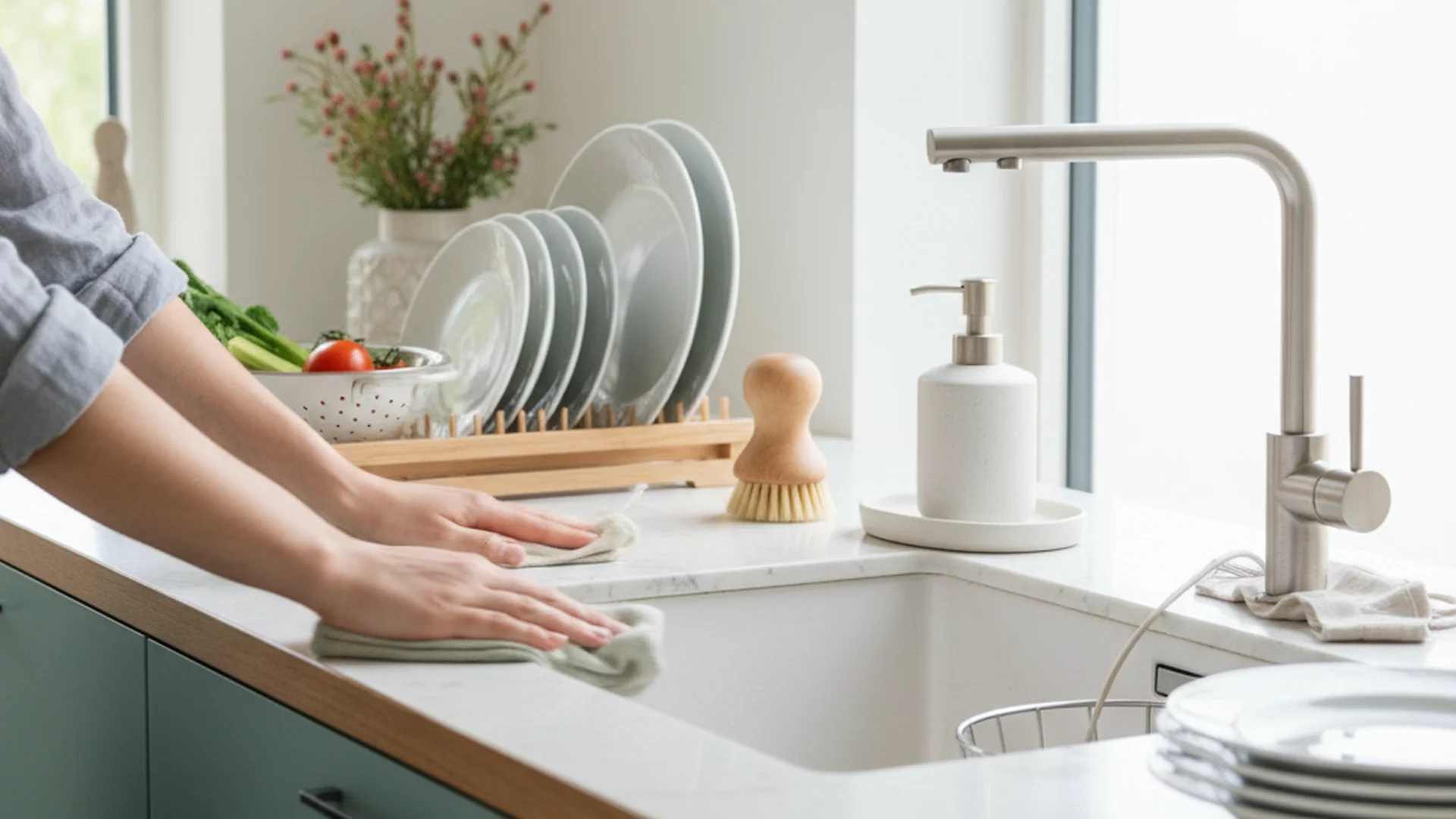
Just as a chef prepares their ingredients before cooking, you should have your cleaning supplies within arm's reach. This reduces the "friction" of cleaning. If you have to walk to a different room to find a disinfectant spray, you are far less likely to clean as you go.
Tip: Keep a "CLAYGO Kit" at every workstation. This should include food-safe disinfectant, blue roll (disposable paper), and a dedicated waste bin.
The "One-Touch" Rule
Commonly used in both professional organization and home productivity, the one-touch rule dictates that if you pick something up, you must put it exactly where it belongs rather than setting it down in a "temporary" spot. For example, when you finish using a whisk, don't put it in the sink; wash it or put it in the dishwasher immediately. This prevents the accumulation of clutter that makes deep cleaning feel impossible.
Essential Tools for an Effective CLAYGO Strategy
To execute this method correctly, you need the right equipment. Using the wrong tools can actually spread bacteria rather than removing it.
Color-Coded Zoning
To prevent cross-contamination (e.g., using a bathroom cloth on a kitchen counter), industries use color-coded systems:
- Red: High-risk sanitary areas (toilets and washrooms).
- Green: Food preparation areas and kitchens.
- Blue: General lower-risk areas (offices, hallways, dusting).
- Yellow: Clinical or lab areas (in healthcare settings).
Warning: Never use a cloth from a "Red zone" in a "Green zone." Even with disinfectant, the risk of cross-contamination is too high.
Disposable vs. Reusable
While microfiber cloths are excellent for deep cleaning, the clean as you go method in professional kitchens often relies on "blue roll" (disposable paper towels). This ensures that once a mess is wiped up, the bacteria are disposed of immediately rather than sitting in a damp cloth in a sink.
Real-World Examples of CLAYGO in Action
Example 1: The Professional Kitchen
A chef is preparing a chicken stir-fry. As soon as the raw chicken is placed into the wok, the chef immediately takes the cutting board and knife to the "dirty" zone, wipes the prep surface with a food-safe sanitizer and blue roll, and washes their hands. By the time the chicken is cooked, the prep area is already reset for the next task.
Example 2: The Modern Hospital
A nurse finishes a dressing change for a patient. Instead of leaving the packaging on the bedside table, they immediately dispose of the waste in the correct biohazard bin and use a disinfectant wipe on the high-touch surfaces they interacted with. This "Digital CLAYGO" (updating the electronic chart immediately) also ensures data accuracy.
Example 3: The Home Office
While working on a project, a freelancer finishes a cup of coffee. Instead of letting the mug sit on the desk until the end of the day, they take it to the kitchen during their next 2-minute break, rinse it, and put it in the dishwasher. They also "clean" their digital desktop by filing away completed documents as they go, rather than having 50 icons on the screen by Friday.
Recent Trends (2025–2026)
The world of cleaning is evolving, and CLAYGO is being integrated with new technologies and philosophies.
Microbiome-Friendly and Probiotic Cleaning
In 2025, there is a significant shift away from "sterilizing everything" with harsh chemicals. Probiotic cleaning uses beneficial bacteria to colonize surfaces. These "good" bacteria continue to eat away at organic soil and "bad" bacteria long after the initial wipe, making the clean as you go method even more effective over time.
AI-Driven Interventions
Smart sensors are now being used in high-traffic environments like airports and hospitals. These sensors track how many people have touched a surface or entered a room. When a threshold is reached, an alert is sent to staff to perform a "CLAYGO intervention," ensuring cleaning is based on actual usage rather than an arbitrary timer.
Cleaning as "Self-Care"
Social media trends like "The Sunday Reset" have rebranded CLAYGO for the home. It is being marketed as a mindfulness practice. By using non-toxic, sensory-pleasing scents (like eucalyptus or bergamot), people are finding that the act of "clearing as they go" reduces the mental load and anxiety associated with a cluttered home.
Common Mistakes to Avoid
Even with the best intentions, the clean as you go method can fail if these common mistakes are made:
- Using Dirty Cloths: Wiping a surface with a cloth that has been sitting in a damp sink for hours just spreads a "bacterial soup" across your workspace. Always use fresh, laundered microfiber or disposable paper.
- Ignoring Outer Packaging: A common kitchen mistake is bringing cardboard boxes from a warehouse directly onto a food prep surface. Outer packaging can carry pests and dirt. Remove it in a "dirty" zone before the product enters the clean zone.
- The "Cleaning Fairy" Syndrome: CLAYGO fails when staff members assume it’s the "cleaning crew’s job" to handle small messes. In a true CLAYGO culture, everyone—from the CEO to the intern—is responsible for their immediate workspace.
- Mixing Chemicals: In the rush to clean, never mix cleaning products. For instance, mixing bleach and ammonia creates toxic vapors. Stick to one approved disinfectant for your CLAYGO kit.
Success: Consistent CLAYGO reduces the "closing time" of a business by up to 30 minutes, allowing staff to leave earlier and reducing labor costs.
Frequently Asked Questions
What is the difference between "cleaning" and "clear and clean"?
Is CLAYGO only for kitchens?
Does it actually save time?
What should I do if I’m too busy to clean as I go?
Conclusion
The clean as you go method is more than just a cleaning tip; it is a fundamental shift in how we interact with our environment. By addressing mess and hygiene in real-time, we create spaces that are safer, more efficient, and significantly more pleasant to inhabit. Whether you are running a Michelin-star kitchen, managing a busy hospital ward, or simply trying to keep your home office under control, the principles of CLAYGO—categorizing urgency, reducing friction, and the one-touch rule—will transform your productivity.
Don't wait for the mess to become a mountain. Start small, keep your tools close, and remember: if you have time to make the mess, you have time to clear it.
Cleaning that keeps score
Every task earns points, every streak multiplies them, and Premium adds a household leaderboard plus a monthly Dustagorgon to beat.
- Free forever
- 30 badges to earn
- Up to 6 in a household
No card needed. Set up your rooms in a couple of minutes.