In this article
What you’ll learn
- Tidy homes noticeably lower day-to-day stress.
- Organized spaces make it easier to concentrate and think clearly.
- Maintenance via 'micro-habits' is more effective than marathon cleaning sessions.
We have all felt that immediate sense of relief when walking into a pristine hotel room or a freshly vacuumed living room. It is more than just an aesthetic preference; it is a biological response. In 2025, the benefits of a tidy home have moved beyond simple "housekeeping" and into the realm of essential self-care and mental health maintenance. As our homes increasingly serve as offices, gyms, and sanctuaries, the state of our physical environment has a profound impact on our internal state.
The environment we inhabit acts as a mirror to our minds. When that environment is chaotic, our focus fractures. When it is ordered, we find the "mental shelf space" necessary to thrive. This guide explores the practical strategies that help you unlock the life-changing advantages of an organized living space.
Why Clutter Weighs on the Mind
The most significant benefits of a tidy home are often invisible. People who describe their homes as cluttered or full of unfinished projects tend to carry that tension all day, never quite winding down the way they should by evening.
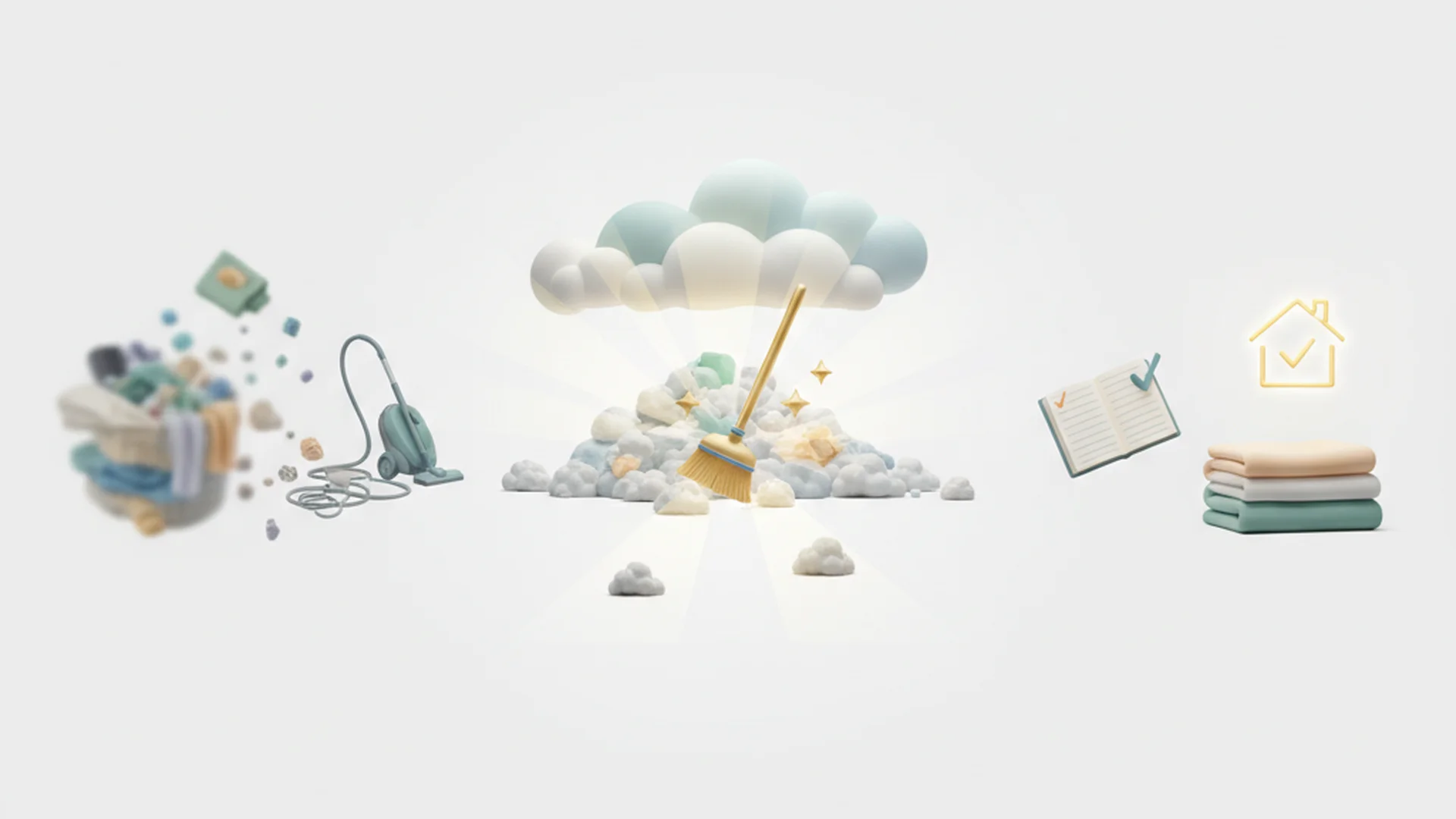
When your visual field is crowded with "to-do" items—like a pile of mail on the counter or laundry on a chair—your brain treats these as open loops. These open loops trigger a low-grade "fight or flight" response.
The Happiness Index and Life Satisfaction
It isn't just about reducing the negatives; tidiness actively boosts the positives. When you aren't fighting your environment, you have more energy to enjoy your life.
Note: Mental clarity isn't a luxury; it is a byproduct of your environment. A tidy home provides the "white space" your brain needs to process emotions and recover from the outside world.
Cognitive Function and the Cost of Disorganization
If you’ve ever felt "brain fog" while sitting at a messy desk, there is a good reason for it. Multiple objects competing for space in your visual field crowd each other out. The more objects there are, the harder your brain has to work to single out the one that matters.
Beyond the mental load, there is a very real temporal and financial cost to a disorganized home. Every misplaced item costs time to hunt down, and anything that stays lost for long enough eventually gets replaced.
When you seek out benefits of a tidy home help, you aren't just looking for a cleaner kitchen; you are reclaiming the hours that would otherwise be spent looking for keys, remotes, or matching socks.
Tip: If you find yourself constantly losing items, designate a "landing strip" by the front door—a specific tray for keys, wallets, and mail. This single habit can save you hours of frustration each month.
Physical Wellness: Sleep, Diet, and Air Quality
The benefits of a tidy home extend into your physical health in ways that might surprise you. Your bedroom environment, in particular, dictates the quality of your recovery.
The Sleep Connection
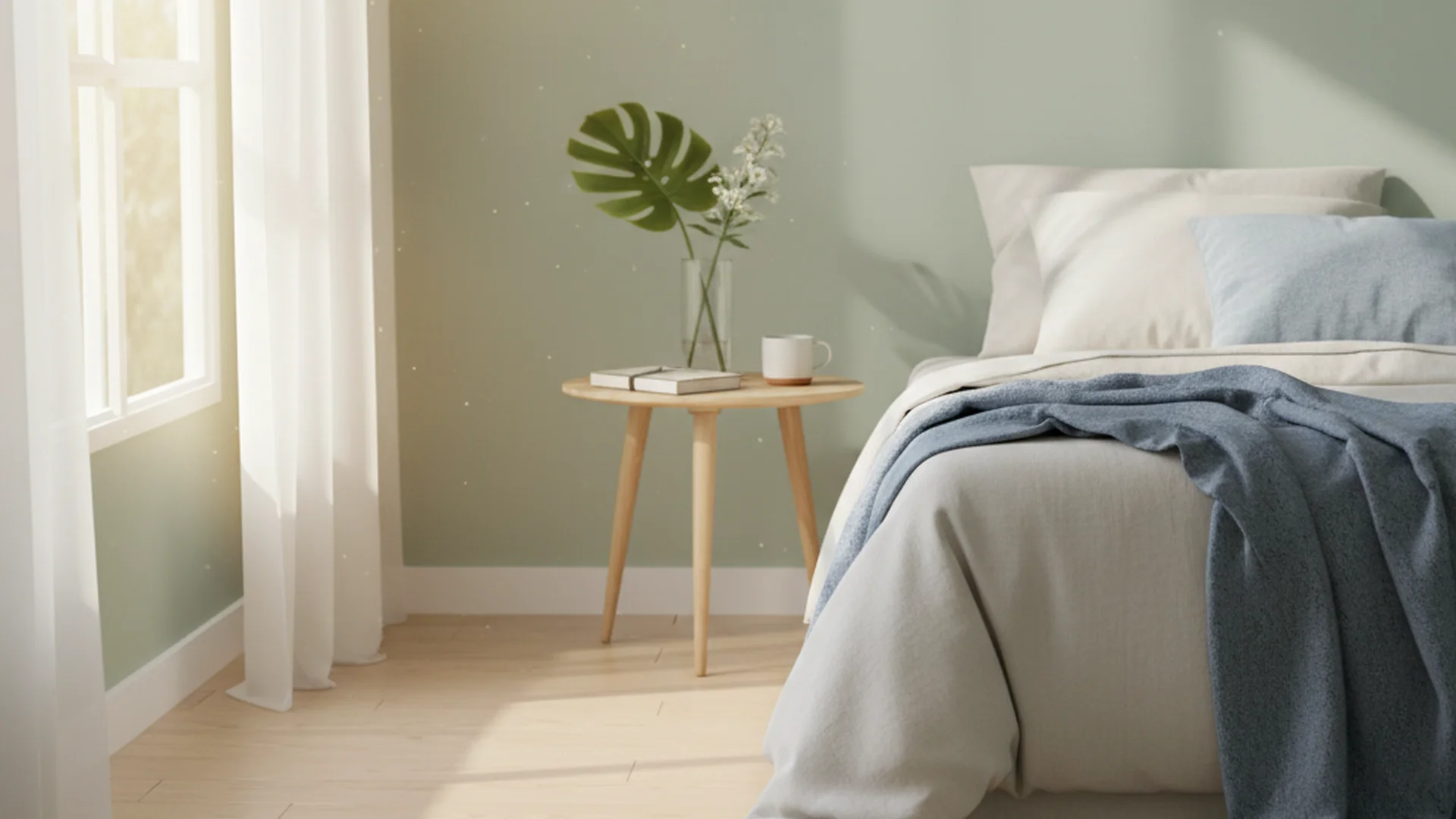
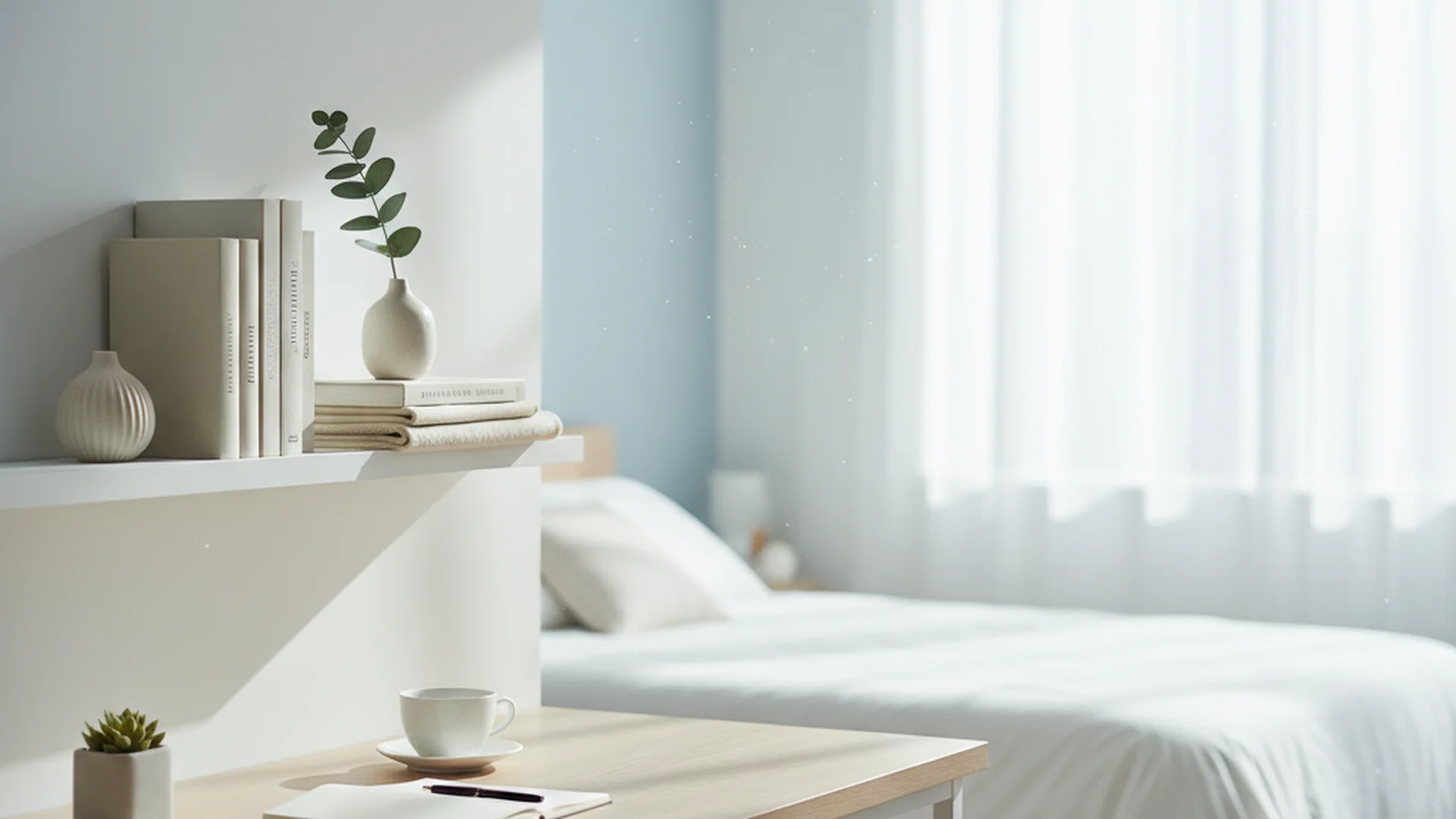
People who make their beds daily tend to sleep better than those who don't. The brain needs a "low-stimulus" environment to transition into deep REM sleep; piles of clothes or stacks of books act as "mental noise" that prevents this transition.
Nutritional Choices
There is even a link between your kitchen's cleanliness and your waistline. People in organized environments are less likely to reach for "stress-induced" junk food. A chaotic kitchen triggers a sense of loss of control, which often leads to poor impulse control regarding snacks.
Respiratory Health
A tidy home is a healthier home. Regular organization allows for better airflow and easier cleaning of surfaces where dust mites, mold, and pet dander accumulate. For those with asthma or allergies, the act of tidying is a medical necessity.
Warning: Dust and allergens settle in "clutter magnets." Deep-cleaning a room without decluttering first simply moves the dust around rather than removing the source.
Real-World Examples of the Tidy Transformation
To understand how these benefits manifest, let’s look at three common scenarios from 2025:
- The Hybrid Worker (Mark): Mark struggled with productivity while working from home. By implementing a "Clear Desk" policy and using modular storage to hide his office equipment at 5:00 PM, he found his focus sharpened noticeably, and he stopped "thinking about work" during dinner.
- The Busy Parent (Sarah): Sarah adopted the "Closing Shift" method. By spending 15 minutes each night resetting the living room and kitchen, she eliminated the "morning scurry." She reported that her children were calmer in the mornings because the environment was predictable and orderly.
- The Sustainable Minimalist (The Nguyen Family): By switching to plastic-free, glass-jar organization, this family reduced their visual "brand noise" (brightly colored plastic packaging). They found that the natural textures helped lower their overall household stress levels.
Best Practices and Strategies for 2025
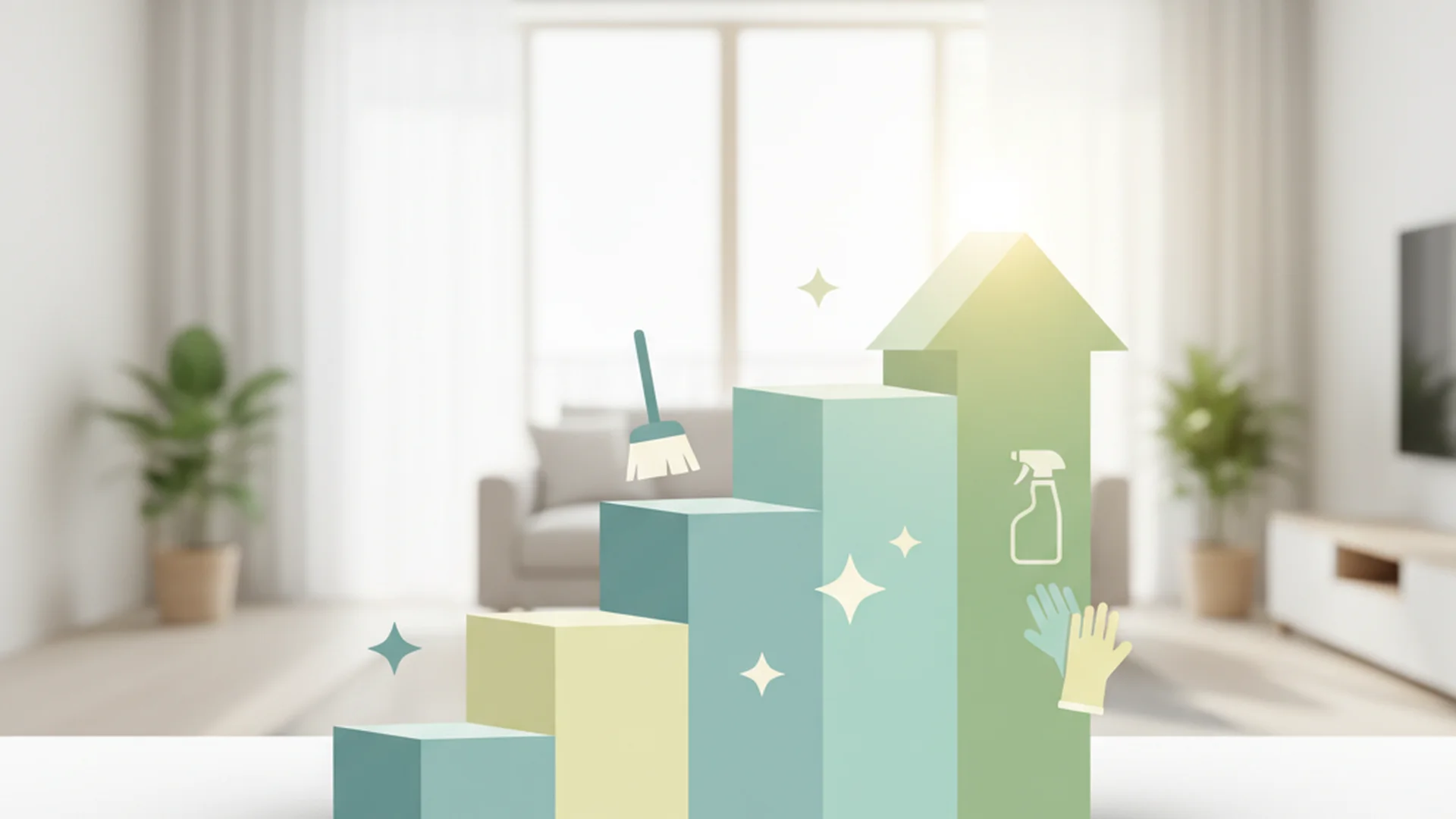
Achieving the benefits of a tidy home doesn't require a week-long vacuuming marathon. In fact, younger households are having far more success with "micro-maintenance."
The "Closing Shift" Method
Borrowed from the hospitality industry, this involves a 15-minute routine at night to "reset" the house. Fold the blankets, load the dishwasher, and clear the counters. This ensures you wake up to a "neutral" environment rather than a list of chores.
The 20/10 Rule
To avoid burnout, clean or declutter for 20 minutes, then take a mandatory 10-minute break. This makes even the most daunting garage clean-out feel approachable.
Habit Stacking
The easiest way to maintain a tidy home is to attach a small task to an existing habit.
- Wipe the bathroom sink after brushing your teeth.
- Unload the dishwasher while the coffee brews.
- Clear the dining table immediately after the last bite of food.
Success: Small, consistent actions are far more effective than one massive "deep clean" every month. Consistency creates a permanent shift in your home's energy.
Recent Trends: Warm Minimalism and Sustainable Organizing
In 2025 and 2026, we are seeing a shift away from the "sterile" minimalism of the past. The new trend is Warm Minimalism. This approach emphasizes "lived-in" tidiness. It utilizes natural textures like bamboo and wood, ensuring that while the home is organized, it still feels personal and cozy.
Furthermore, Sustainable Organizing has become the gold standard. Instead of buying cheap plastic bins that eventually end up in landfills, reach for upcycled furniture, recycled glass jars, and bamboo dividers. This aligns the benefits of a tidy home with environmental responsibility.
Common Mistakes to Avoid
Many people fail to see the benefits of a tidy home because they fall into these common traps:
- Organizing Before Decluttering: You cannot organize your way out of having too much stuff. If you buy bins before you purge, you are simply "categorizing your clutter."
- Cleaning from the Ground Up: Always clean from top to bottom. Dust falls. If you vacuum first and then dust the ceiling fans, you’ll have to vacuum again.
- The "Big Clean" Fallacy: Waiting for a free weekend to clean the whole house leads to a "stress-mess loop." It is better to do 10 minutes daily than 5 hours once a month.
- Buying Organizers First: People often buy beautiful containers that don't fit their shelves. Always measure your space and declutter your items before spending money on storage "help."
- Confusing "Tidy" with "Empty": A tidy home can still be full of personality, books, and art. The key is that every item has a designated "home" and surfaces remain functional.
Frequently Asked Questions
Why is it so hard to start decluttering?
Does a tidy home really impact my physical health?
How often should I realistically clean?
Is a tidy home the same as a minimalist home?
Conclusion
The benefits of a tidy home go far beyond the way your living room looks. By reducing stress, sharpening your focus, and improving sleep quality, an organized home becomes a powerful engine for personal success. Whether you adopt the "Closing Shift" or start with the 20/10 rule, the goal is to create a space that supports your life rather than draining your energy.
Remember, your home should be the place you go to escape stress, not the source of it. Start small, focus on micro-habits, and watch as your physical environment transforms your mental clarity.
Success: By implementing just one "habit stack" today, you are already on your way to a more efficient, peaceful home.
Cleaning that keeps score
Every task earns points, every streak multiplies them, and Premium adds a household leaderboard plus a monthly Dustagorgon to beat.
- Free forever
- 30 badges to earn
- Up to 6 in a household
No card needed. Set up your rooms in a couple of minutes.