In this article
What you’ll learn
- Consistency beats intensity in home maintenance.
- Daily micro-habits reduce the need for deep cleans by 50%.
- Clean environments are linked to a 63% increase in productivity.
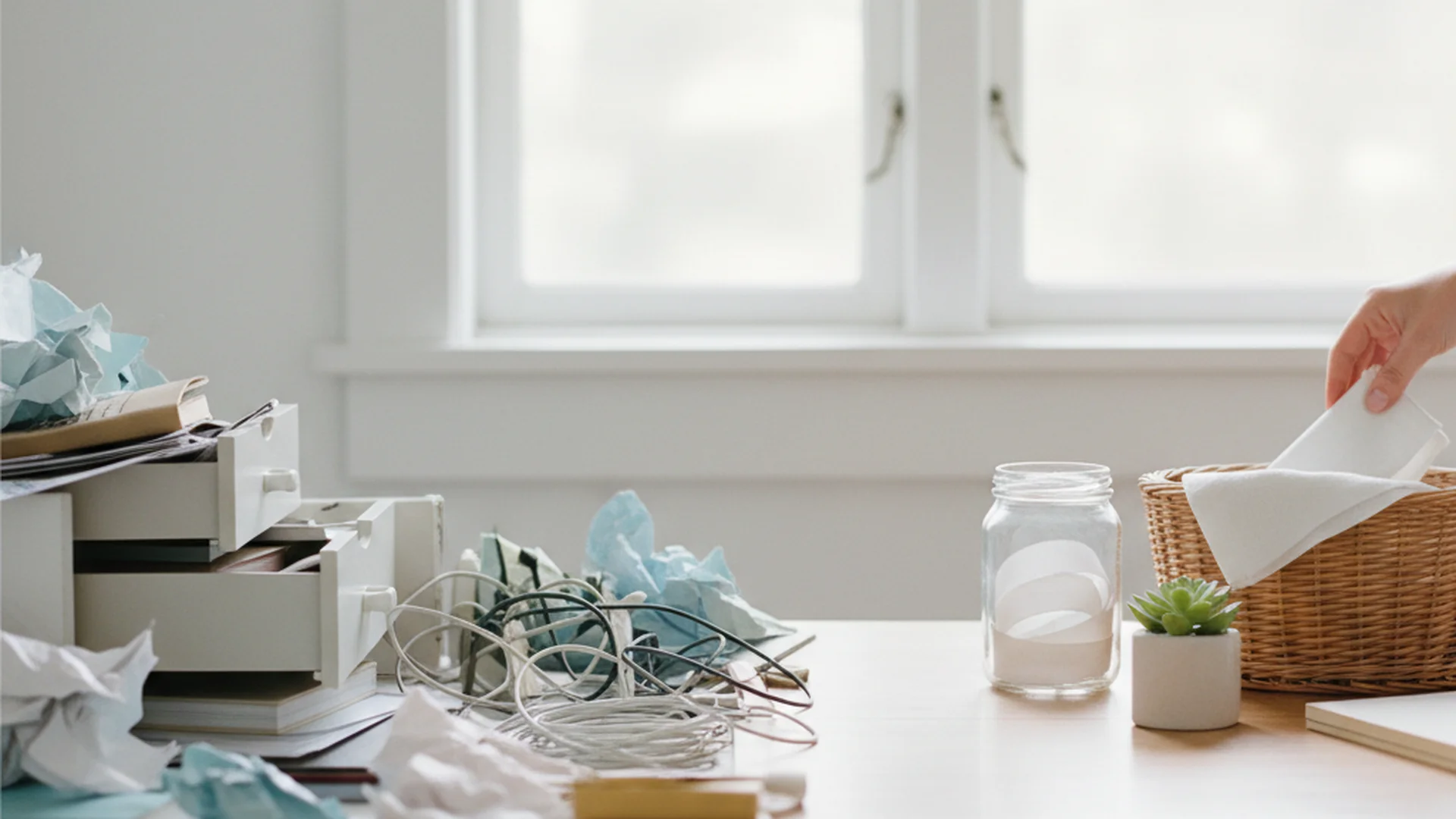
We have all been there: the "Weekend Warrior" cycle. You spend five days ignoring the mounting pile of mail, the crumbs on the counter, and the film on the bathroom mirror, only to sacrifice your entire Saturday to an exhausting, six-hour cleaning marathon. It is frustrating, draining, and ultimately unsustainable. However, there is a better way to maintain your sanctuary. By applying the compound effect cleaning philosophy, you can transform your living space and your mental well-being through small, consistent actions that yield massive results over time.
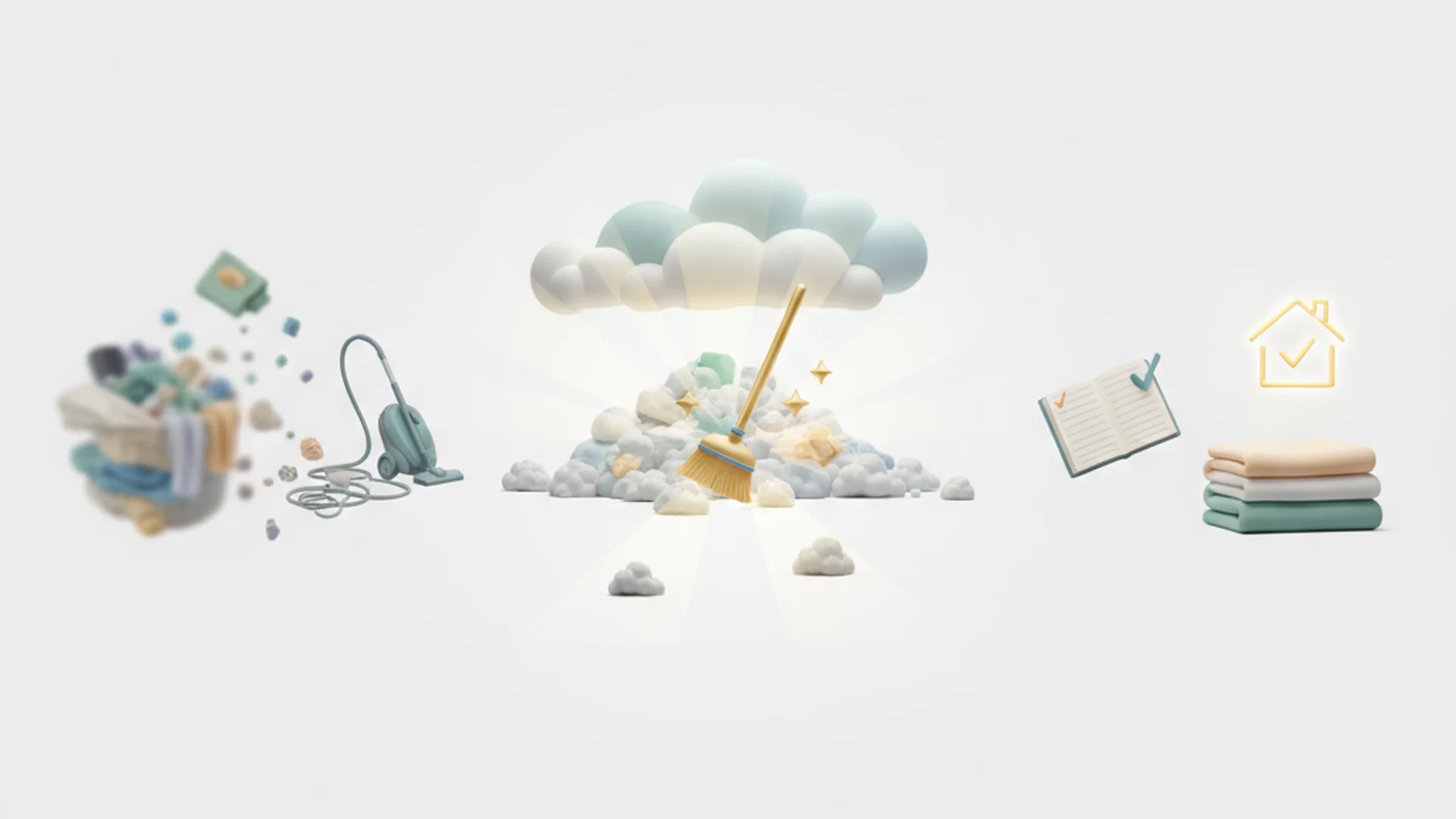
The "Compound Effect" is a term often used in finance and personal development, but its application in home management is revolutionary. Instead of viewing cleaning as a massive project to be tackled once a week, we view it as a series of micro-investments. Just as a small daily investment grows into a fortune through interest, a five-minute daily "reset" prevents the accumulation of grime and clutter that leads to burnout.
The Science of the Sparkle: Why Your Brain Craves Order
Cleanliness is no longer just about aesthetics or impressing your neighbors; it is a fundamental pillar of mental health.
When you utilize compound effect cleaning tips, you aren't just tidying a room; you are managing your hormones. Clutter is scientifically proven to increase cortisol, the body’s primary stress hormone. A cluttered room sends a constant signal to your brain that "work is unfinished," leading to a state of low-grade chronic stress.
Conversely, completing even a small cleaning task—like loading the dishwasher or wiping down a counter—triggers a dopamine release. This creates what psychologists call a "reward loop." By finishing one small task, your brain receives a chemical "thank you," which makes the next task feel easier.
The Proactively Lazy Method: Systems Over Goals
In my years as a Home Organization Expert, I have found that the people with the cleanest homes are often the ones who claim to be the "laziest." Their secret? They prioritize systems over goals. Instead of having a goal to "clean the whole house," they have a system of micro-actions that happen automatically.
Habit Stacking for Success
One of the best compound effect cleaning help strategies is "Habit Stacking." This involves attaching a new cleaning habit to an existing one. Because you don't have to "remember" to do the task, it consumes less mental energy.
- The Morning Sink Swipe: While you are brushing your teeth, use your free hand (or a cloth kept under the sink) to wipe down the faucet and basin.
- The Coffee Break Clear: While the coffee is brewing, empty the dishwasher or clear the kitchen drying rack.
- The "Wait-Time" Wipe: While your microwave is running, wipe down the exterior of your appliances.
Tip: Start with one habit stack per week. If you try to stack five new habits at once, the system will collapse under its own weight.
Resetting the Room
Popularized by James Clear in Atomic Habits, the concept of "Resetting the Room" is a cornerstone of the compound effect. The idea is to return a space to its "starting state" every time you leave it.
Imagine walking into your living room at 8:00 PM to relax. If the pillows are tossed on the floor, a half-empty mug is on the coffee table, and a throw blanket is bunched in the corner, your brain immediately registers "work." If you spend 30 seconds resetting that room when you leave it earlier in the day, you "prime" the environment for its next use.
The 1% Rule
Ask yourself: "How can I make this room 1% better right now?" This might mean picking up one stray sock or straightening a picture frame. While 1% seems negligible, the math of the compound effect is undeniable. If you make your home 1% better every day, you end up with a home that is statistically 37 times cleaner by the end of the year.
Real-World Examples of the Compound Effect in Action
To understand how these small shifts change your life, let's look at three common scenarios where consistency beats intensity.
Example 1: The Bathroom Mirror vs. The Calcified Mess
If you wipe your bathroom mirror and faucet daily (a 20-second task), mineral deposits and toothpaste splatter never have the chance to "bond" to the surface. If you wait a month, those same spots require heavy-duty chemicals, scrubbing, and ten minutes of labor. The daily wipe keeps the surface "new," whereas the monthly scrub is a battle against chemical calcification.
Example 2: The "Exit Strategy" Living Room
A family of four spends the evening in the living room. Instead of leaving the mess for Saturday morning, they implement a "3-minute dash" before bed. Everyone grabs three items that don't belong in the room. By morning, the house feels refreshed, preventing the "clutter creep" that makes Monday mornings feel overwhelming.
Example 3: The Post-Dinner Floor Sweep
Sweeping the kitchen for two minutes after dinner prevents crumbs from being tracked into the carpeted areas of the house. By managing the kitchen floor daily, you effectively reduce the amount of vacuuming needed in the rest of the house by 40%, as the dirt is stopped at the source.
Success: Consistent daily maintenance can reduce the time spent on deep cleaning by up to 50%, giving you your weekends back.
What’s New in 2025-2026: The Future of Clean
The world of cleaning is evolving, and the compound effect is being bolstered by new technology and scientific breakthroughs. If you are looking for compound effect cleaning help, these trends are worth noting:
Probiotic Cleaning
A major trend for 2026 is "microbiome-friendly" cleaning. Unlike traditional disinfectants that kill 99.9% of all bacteria (including the good kind), probiotic cleaners leave behind beneficial bacteria. These "good" microbes continue to eat away at microscopic grime, pet dander, and odors for up to 72 hours after you spray. This is the ultimate "compound effect" product—it keeps working even when you aren't.
AI-Enhanced Automation
In 2025, we are seeing "Smart Schedules" become the norm. Modern AI vacuums can now sync with your digital calendar. If the AI detects you are at the gym or in a long meeting, it initiates a "high-traffic" sweep of the mudroom and kitchen. This automation ensures that the "small, daily actions" happen even when you are too busy to perform them yourself.
Cleaning as "Self-Care"
The "Slow Living" movement of 2025 has rebranded daily cleaning as a mindful ritual. By using high-end, essential-oil-based scents (like cedarwood, bergamot, or neroli), the act of wiping a table becomes a sensory experience that improves emotional well-being rather than a chore to be loathed.
Common Mistakes to Avoid
Even with the best intentions, certain habits can actually work against the compound effect, making your home dirtier or damaging your surfaces.
- The "More is Better" Myth: Using an excessive amount of cleaning product doesn't make things cleaner. It leaves behind a sticky residue that acts like a magnet for dust. If your floors feel tacky after mopping, you are using too much soap.
- Mixing Chemicals: This is a critical safety warning. Never mix bleach with ammonia or vinegar. This creates toxic chloramine or chlorine gas, which can be fatal. Stick to one product per surface and always ensure proper ventilation.
- Using Dirty Tools: If you haven't washed your microfiber cloths or replaced your sponge in weeks, you aren't cleaning; you are simply relocating bacteria. Wash cleaning cloths in hot water after every major use.
- Skipping the "Dry Dust": Applying a liquid cleaner directly to a dusty surface creates "mud." This leads to streaks and a longer cleaning time. Always use a dry microfiber cloth or vacuum attachment to remove loose dust before applying liquids.
- Neglecting "High-Touch" Points: You might have sparkling floors, but if your light switches, doorknobs, and TV remotes are ignored, your home is still harboring a high germ load. These areas should be part of your weekly compound rotation.
Warning: Never mix bleach-based products with acidic cleaners like vinegar. This can create dangerous, life-threatening fumes.
The Clean Habit Roadmap: Your 10-Minute Daily Checklist
To get started with compound effect cleaning, don't try to do everything. Focus on these "Big Five" daily tasks that provide the highest return on investment.
| Task | Estimated Time | Benefit |
|---|---|---|
| Make the Bed | 2 Minutes | Sets a visual tone of order for the entire room. |
| The "Hot Spot" Clear | 3 Minutes | Clears the one surface (like an entry table) where clutter accumulates. |
| Kitchen Counter Reset | 2 Minutes | Prevents food bacteria growth and makes morning prep easier. |
| 5-Minute Floor Sweep | 5 Minutes | Prevents dirt from migrating to rugs and carpets. |
| One Load of Laundry | 1 Minute (Start) | Keeps the "laundry mountain" from ever forming. |
Note: Most disinfectants require a "dwell time" of 2 to 10 minutes to kill bacteria effectively. Spray your counters, do another quick task, and then come back to wipe.
Frequently Asked Questions
Is daily cleaning actually better than one big weekly clean?
What if I don't have time for a full routine?
Can daily cleaning replace deep cleaning?
How do I stop feeling overwhelmed by the mess?
Conclusion
The beauty of the compound effect cleaning method is that it removes the guilt and exhaustion associated with home maintenance. By embracing micro-habits, utilizing the latest 2025 cleaning trends, and understanding the psychological link between order and anxiety, you can create a home that supports you rather than drains you. Remember, consistency will always beat intensity. Start small today, and watch as those tiny actions compound into a life of clarity, productivity, and peace.
Success: By adopting these habits, you are not just cleaning a house; you are reclaiming your time and mental energy for the things that truly matter.
Cleaning that keeps score
Every task earns points, every streak multiplies them, and Premium adds a household leaderboard plus a monthly Dustagorgon to beat.
- Free forever
- 30 badges to earn
- Up to 6 in a household
No card needed. Set up your rooms in a couple of minutes.