In this article
What you’ll learn
- Clutter is often a result of high mental load and lack of functional systems rather than laziness.
- Most people feel overwhelmed by home clutter, which is linked to higher cortisol levels.
- Shifting from "marathon cleaning" to "lifestyle systems" like the Closing Shift is key for 2025.
If you’ve ever stood in the middle of your living room, surrounded by half-empty coffee mugs, stray laundry, and piles of mail, and wondered, "why is house always messy?" you are certainly not alone. For many of us, the battle against the mess feels like a losing game where the opponent never sleeps. Despite our best efforts to spend entire Saturdays scrubbing and sorting, the chaos seems to reappear within hours.
In 2025, the "clutter crisis" has reached a boiling point. We are living in homes packed with more items than any previous generation, while simultaneously navigating higher levels of professional and personal stress. This guide will explore the psychological, systemic, and practical reasons behind the persistent untidiness and provide a comprehensive why is house always messy guide to help you transform your environment from a source of anxiety into a sanctuary.
The Psychology of the Mess: It’s Not Just "Stuff"
Understanding why your environment remains untidy requires looking beneath the surface. For many, a messy house isn't a sign of laziness; it is a physical manifestation of a high "mental load" or internal cognitive struggles.
Executive Dysfunction and ADHD
One of the most common reasons people search for why is house always messy tips is a struggle with executive dysfunction. This term refers to the brain's inability to plan, initiate, and complete tasks. For individuals with ADHD or depression, the "simple" act of clearing a table involves a dozen micro-decisions: Where does this go? Do I need this? Is there room in the drawer? When the brain is overwhelmed, it simply shuts down, leading to what is often called "clutter paralysis."
The Weight of Too Many Things
The sheer volume of belongings in the modern home is staggering. The average household contains a truly enormous number of individual items. When you have that many objects, the "cost" of managing them—moving them to clean, searching for them when lost, and finding a place to store them—becomes a full-time job, quietly swallowing hours of your week.
Note: People living in cluttered homes tend to carry more cortisol—the stress hormone—throughout the day than those in tidy environments.
The "Hidden" Culprits: Why Traditional Cleaning Fails
Many people fail to keep a tidy home because they are using outdated methods that don't account for modern lifestyles. If you find yourself cleaning for hours only for the mess to return, you might be falling into these common traps.
The Container Trap
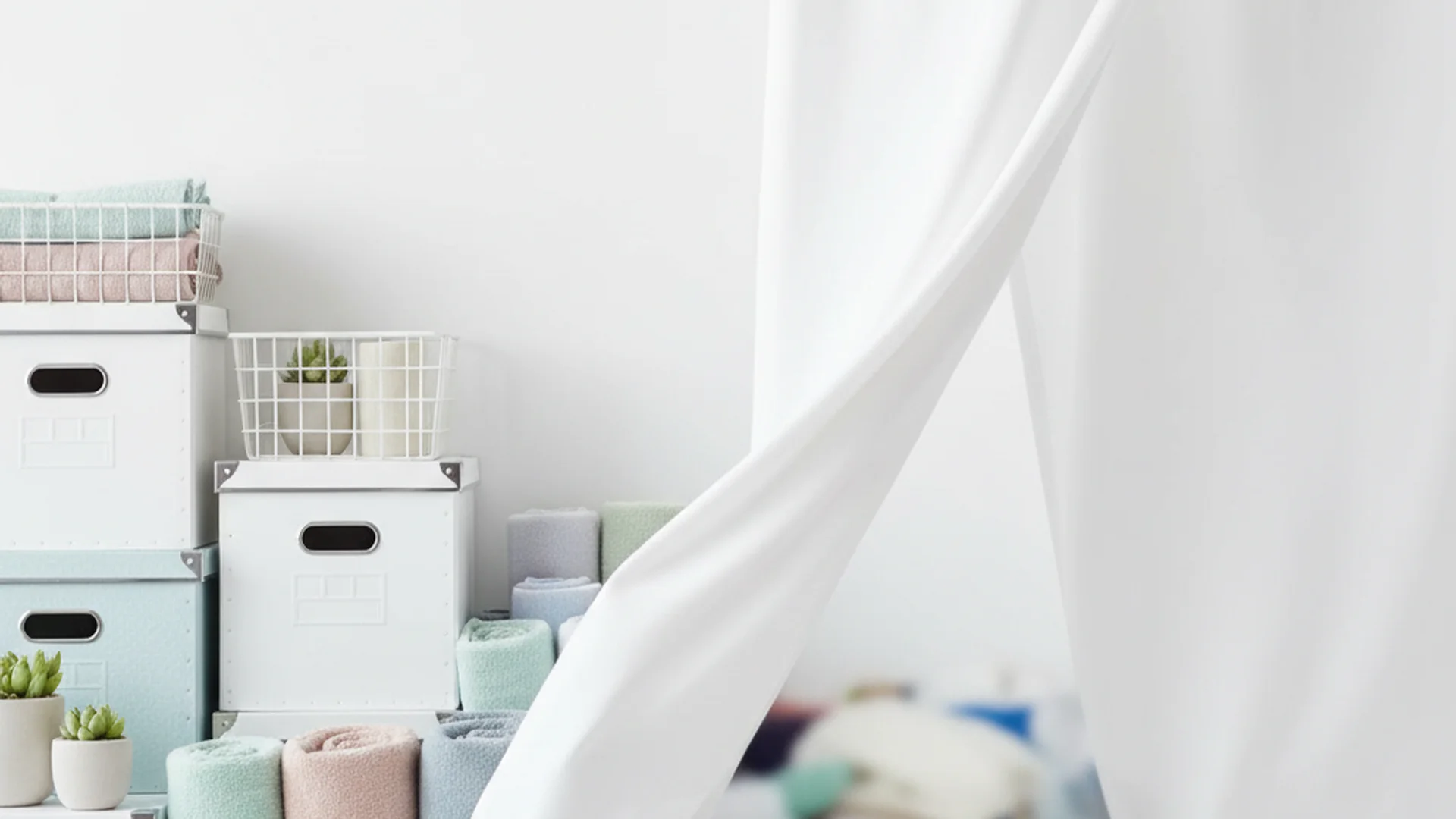
One of the biggest mistakes homeowners make is buying expensive storage bins and "organization systems" before they actually declutter. This is known as the "Container Trap." You cannot organize your way out of having too much stuff. If you buy a bin for items you don't need, you haven't solved the mess; you’ve just categorized it.
The Lack of "Functional Homes"
Why does the mail always end up on the kitchen island? Why are shoes always in the hallway? This happens because those items don't have a "functional home." A functional home is a designated spot that is not only easy to reach but, more importantly, easy to put away. If putting your shoes away requires opening a closet, moving a box, and placing them on a high shelf, they will stay on the floor almost every time.
Tip: Organize items based on where you actually use them (Zoning for Function), not where they "theoretically" belong. Keep coffee pods next to the machine and mail-sorting supplies exactly where you enter the house.
Cleaning in the Wrong Order
Many people clean "floor-to-ceiling," which is a fundamental error. Dust and debris naturally fall downward. If you vacuum the floor and then wipe down the counters and ceiling fans, you are simply redepositing dirt onto your clean floors, making the house feel "grimy" again almost immediately.
2025 Modern Solutions: Systems Over Willpower
As we move through 2025, the focus has shifted away from "Pinterest-perfect" minimalism toward sustainable, functional reality. Here are the strategies that actually hold up day to day.
The 15-Minute "Closing Shift"
Borrowed from the restaurant industry, the Closing Shift is a game-changer. Instead of waiting for a "big clean," you spend 15 minutes every night resetting your main living areas. This includes:
- Loading the dishwasher.
- Wiping the main counters.
- Returning "homeless" items to their zones.
- Fluffing the couch pillows.
This ensures you wake up to a "fresh" house, which significantly reduces morning anxiety and prevents the "mess snowball" from growing.
AI-Assisted Organizing
A major trend for 2025 is using AI to manage the home. Tools like ChatGPT can now generate custom cleaning schedules based on your specific floor plan and family size. You can even upload a photo of a messy room and ask an AI to create a step-by-step decluttering checklist, breaking down an overwhelming task into manageable bites.
Task Stacking
Task stacking involves associating a cleaning habit with an existing part of your routine.
- Example 1: Wipe the bathroom mirror every morning while you are brushing your teeth.
- Example 2: Empty the dishwasher while your morning coffee is brewing.
- Example 3: Clean out your car every time you pump gas.
Success: Task stacking removes the "decision" element of cleaning, turning maintenance into an automatic reflex rather than a dreaded chore.
The 15-Minute Reset: A Step-by-Step Guide
If you are currently overwhelmed and don't know where to start, use the KC Davis "5 Things" Method. This approach focuses on only five categories of items to prevent your brain from getting distracted by the "micro-clutter."
- Trash: Walk through the room with a bag and grab only actual garbage.
- Dishes: Collect every plate, cup, and utensil and move them to the kitchen (don't wash them yet, just move them).
- Laundry: Gather all clothes and linens and put them in a hamper.
- Things that have a place: Move items that already have a "home" back to their spot.
- Things that don’t have a place: Pile these in one corner. Deal with them only after the first four steps are done.
| Category | Action | Time Goal |
|---|---|---|
| Trash | Bag and Remove | 3 Minutes |
| Dishes | Move to Sink | 3 Minutes |
| Laundry | Basket Toss | 3 Minutes |
| Known Items | Put Away | 6 Minutes |
Real-World Examples: Turning Chaos into Calm
Case Study 1: The ADHD Breakthrough (Sarah’s Story)
Sarah, a freelance designer, struggled with a "doom pile" of paperwork and electronics. She felt her house was always messy despite her best efforts. By implementing the "Don't Put It Down, Put It Away" rule and using a virtual organizer via FaceTime, she realized her desk was too far from her filing system. By moving her filing cabinet under her desk, she eliminated the friction of tidying, and the pile never returned.
Case Study 2: The Container Trap Victim (Mark’s Story)
Mark spent $400 on matching plastic bins for his garage. Two weeks later, the garage was messy again because he hadn't decluttered his old tools first. He followed the 20/20 rule: If an item can be replaced for less than $20 and in less than 20 minutes, let it go. He purged 60% of his "just in case" items, and only then did his bins become effective.
Case Study 3: The Busy Family (The Johnson Household)
With three kids, the Johnsons' kitchen was a disaster zone. They implemented the 15-minute "Closing Shift" as a family activity. By gamifying the reset—seeing who could clear their "zone" the fastest before a timer went off—they reduced their weekend cleaning time from five hours to just one.
Common Mistakes to Avoid
Even with the best intentions, certain habits will keep your home in a state of permanent disarray. Here is what to avoid:
- The "One Day" Fallacy: Keeping items because you "might need them one day." This creates "clutter friction," making it harder to find the things you actually need.
- Wiping Before Soaking: Spraying a surface and immediately wiping it. Most disinfectants require a 5–10 minute "dwell time" to kill bacteria. If you wipe too fast, you're just moving germs around.
- Aiming for Perfection: Striving for a magazine-ready home is the fastest way to burn out. Aim for a "functional" home—one that can be reset in 20 minutes or less.
- Neglecting the "Landing Spots": Allowing the kitchen island or entry table to become a "catch-all." These are high-traffic areas that dictate the visual "noise" of the entire house.
Warning: Never mix bleach with ammonia-based cleaners, as this creates toxic chloramine gas. Always read labels on new cleaning products.
Frequently Asked Questions
Is my messy house a sign of ADHD or depression?
Why does my house get messy again 10 minutes after I clean it?
How do I get over the sentimental attachment to clutter?
What is the 20/20 rule?
Conclusion
The answer to "why is house always messy" is rarely that you aren't working hard enough. More often, it’s a combination of having too many belongings, lacking functional systems, and the heavy mental load of modern life. By moving away from the idea of "marathon cleaning" and embracing daily resets, task stacking, and the 20/20 rule, you can break the cycle of clutter.
Remember, your home is a place to live, not a museum to be maintained. Aim for a "functional" space that supports your life rather than a "perfect" space that drains your energy.
Success: Small, consistent habits like the 15-minute closing shift are more powerful than any 8-hour deep clean. Start today, and give yourself the grace to be "functional" rather than "perfect."
Cleaning that keeps score
Every task earns points, every streak multiplies them, and Premium adds a household leaderboard plus a monthly Dustagorgon to beat.
- Free forever
- 30 badges to earn
- Up to 6 in a household
No card needed. Set up your rooms in a couple of minutes.