In this article
What you’ll learn
- Cleaning struggles in ADHD are caused by executive dysfunction, not laziness.
- The "dopamine gap" makes mundane tasks physically difficult to initiate.
- Using neuro-affirming strategies like Junebugging and Body Doubling can bypass task paralysis.
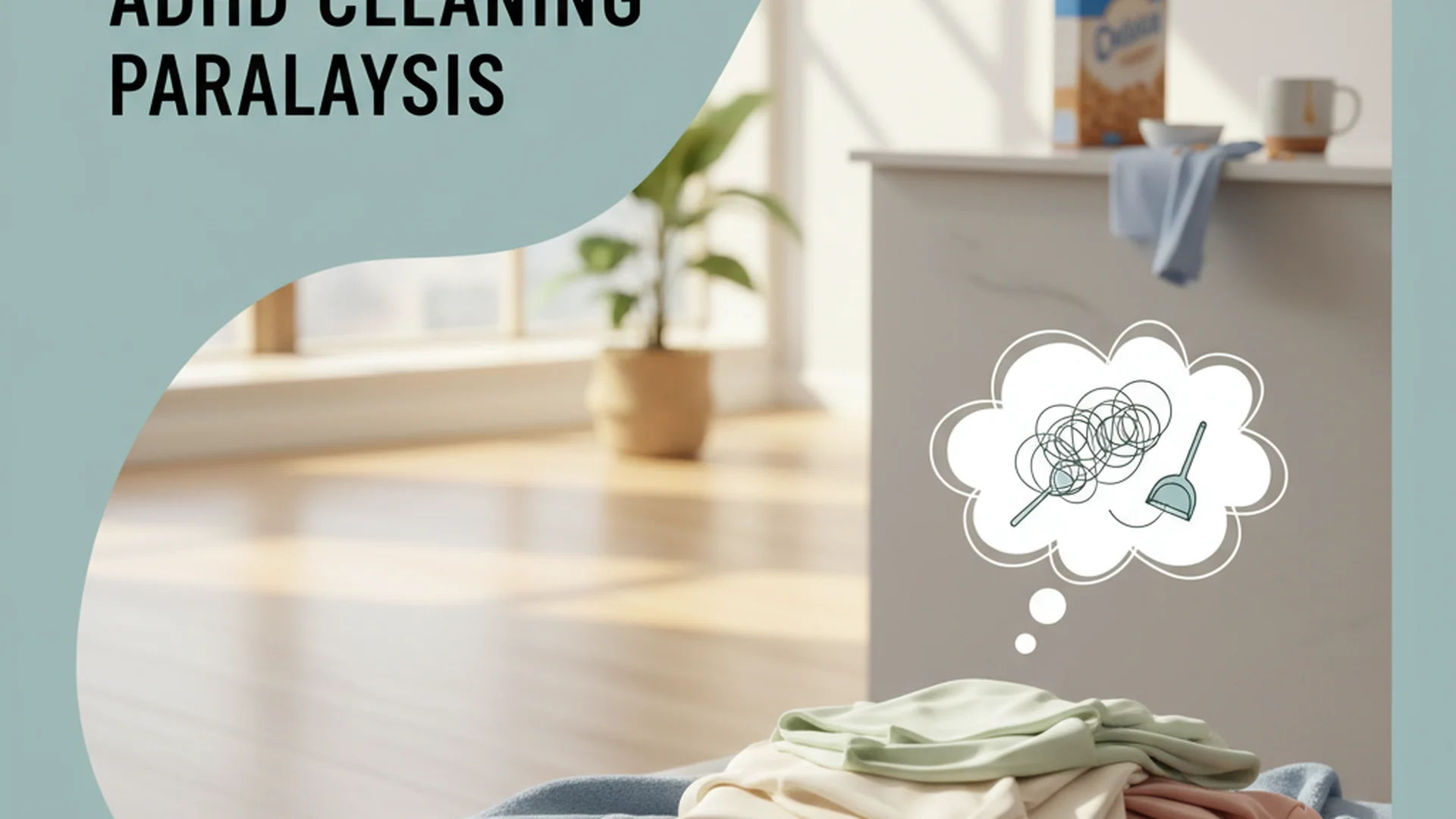
If you find yourself staring at a pile of laundry for three hours, unable to move, or if you start cleaning the kitchen only to end up reorganizing your bookshelf three rooms away, you aren't alone. For millions of people, adhd cleaning hard isn't just a minor inconvenience; it is a daily battle against a brain wired differently. Understanding why your brain resists these tasks is the first step toward finding a system that actually works for you, rather than against you.
The Neurobiology of the Mess: Why it Isn’t Laziness
For a long time, society has labeled those who struggle with domestic maintenance as "lazy" or "unmotivated." However, research from 2025 and 2026 has definitively proven that the struggle is rooted in the physical structure of the brain.
The Broken "Project Manager"
The prefrontal cortex acts as the brain’s internal project manager. In neurotypical individuals, this area easily handles planning, prioritizing, and initiating tasks. In the ADHD brain, this project manager is often "off the clock." Executive dysfunction means that when you look at a messy room, your brain cannot naturally break that "mess" into smaller, actionable steps. Instead, it sees one giant, insurmountable obstacle, leading to what many on adhd cleaning hard reddit threads describe as "task paralysis."
The Dopamine Gap
Dopamine is the neurotransmitter responsible for motivation and reward. Cleaning is inherently repetitive and low-stimulation. Because ADHD brains have lower baseline levels of dopamine, they require more "interest" or "urgency" to engage in a task. Without a high-stakes deadline or a surge of interest, the brain simply refuses to "start the engine."
Note: Research in 2025 reaffirms that the prefrontal cortex is often less active in individuals with ADHD, making it difficult to bridge the gap between "wanting" to do a task and actually doing it.
The Stress-Shame Cycle
One of the most debilitating aspects of ADHD cleaning struggles is the emotional weight. A 2025 study cited by WebMD found that women who described their homes as "cluttered" had significantly higher levels of cortisol—the stress hormone.
Real-World Example: Sarah’s Laundry Mountain
Sarah, a 32-year-old graphic designer with ADHD, would look at her laundry and feel a wave of physical nausea. To her, it wasn't just clothes; it was a symbol of her "failure" as an adult. This shame triggered a "freeze" response. She would spend hours scrolling on her phone next to the pile, not because she was enjoying herself, but because her brain was stuck in a stress loop. It wasn't until she learned to separate her moral worth from her chores that she could finally pick up a single shirt.
Warning: Chronic shame acts as a secondary barrier to cleaning. When we associate a task with negative self-talk, our brain will actively try to protect us by avoiding that task altogether.
Why We Get Sidetracked: The Hyperfocus Trap
Have you ever set out to wash the dishes and ended up three hours later researching how to propagate succulents? This is a common phenomenon discussed in the adhd cleaning hard reddit community.
The "Side Quest" Phenomenon
Because cleaning is boring (low dopamine), the ADHD brain is constantly scanning for something—anything—more interesting. If, while cleaning the kitchen, you find a stray screwdriver, your brain might decide that now is the perfect time to tighten every hinge in the house. This isn't a lack of focus; it’s displaced focus.
Real-World Example: Mark and the Spice Rack
Mark intended to clear the dining room table for a dinner party. While clearing a stray salt shaker, he noticed the spice rack was slightly dusty. Two hours later, the dining table was still covered in mail, but his spices were alphabetized and transferred into matching glass jars. Mark had entered a state of "hyperfocus" on a small, stimulating task to avoid the overwhelming, multi-step process of cleaning the whole room.
Best Practices and ADHD Cleaning Hard Tips
To overcome these neurological hurdles, we need to stop using neurotypical "hacks" and start using "neuro-affirming" strategies.
The "Five Things" Method
Popularized by KC Davis, this method prevents the brain from seeing a "whole room" and instead looks for five categories:
- Trash: Only look for things that go in the bin.
- Dishes: Only look for things that go in the sink.
- Laundry: Only look for clothes for the hamper.
- Things that have a place: Move them to that place.
- Things that don’t have a place: Put them in a "doom box" (see below).
Junebugging
Like a June bug that keeps hitting the same spot on a screen, pick one "anchor point" in a room (e.g., the sink). Clean it. If you wander off to put a book away in the bedroom and get distracted, eventually remind yourself: "Back to the sink." Your anchor point is your home base.
Sensory Stacking
Since the ADHD brain needs dopamine to function, "stack" your cleaning with a high-stimulation activity.
- Listen to a true-crime podcast.
- Blast high-tempo electronic music.
- Watch a movie you’ve seen 100 times in the background.
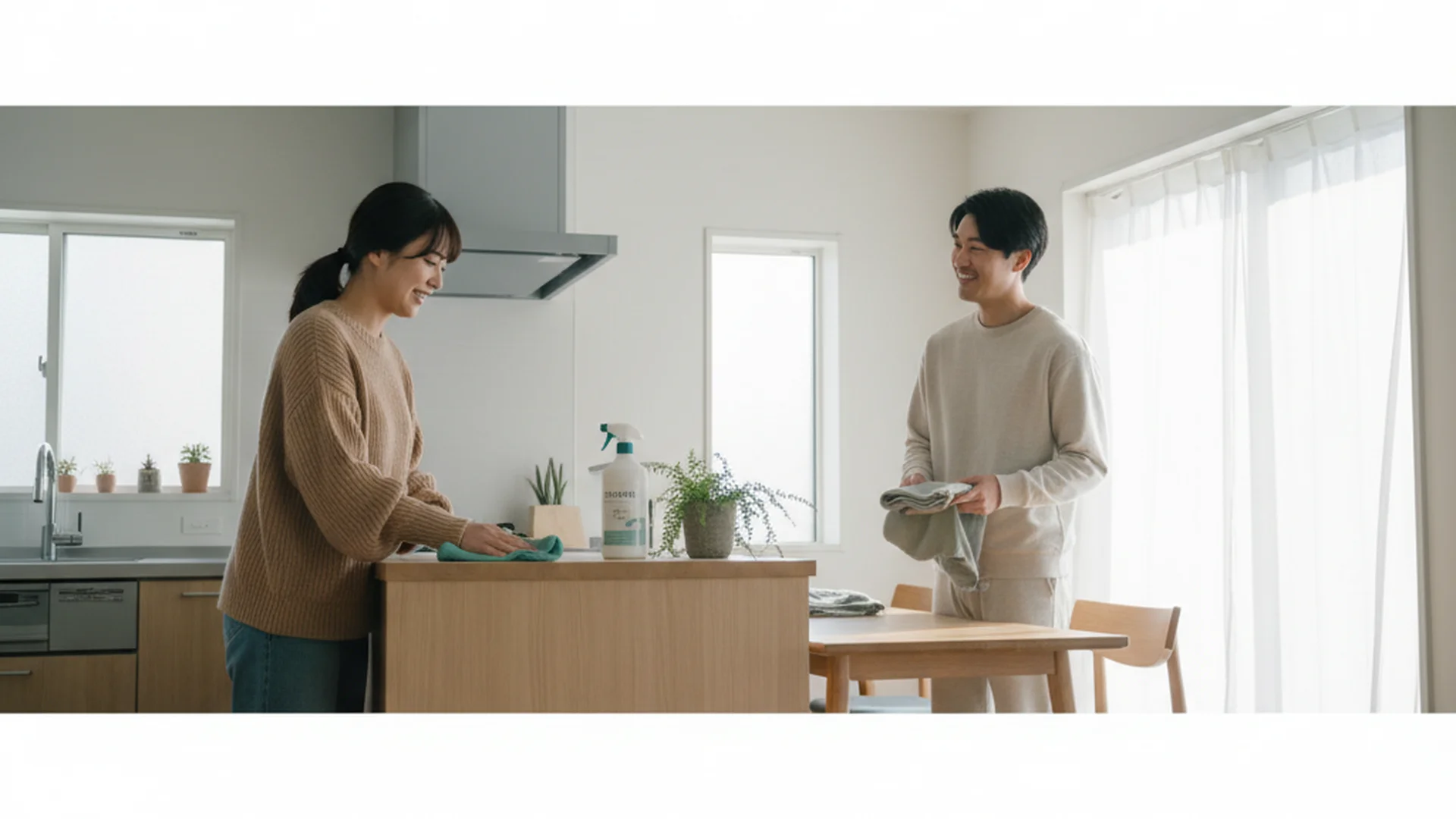
Tip: Use "Body Doubling." This is the practice of having someone else in the room (or on a video call) while you work. Their presence acts as a "calm anchor," making it harder for your brain to drift off into a side quest.
The Future of Cleaning: 2025–2026 Trends
Technology is finally catching up to the needs of the neurodivergent community. We are moving away from "standard" cleaning and toward "functional" living.
AI-Customized Executive Function Scaffolds
By 2026, AI assistants have become essential for managing adhd cleaning hard tips. Modern tools allow you to take a photo of a messy kitchen. The AI then analyzes the image and generates a custom, 5-minute-interval plan.
- Step 1: "Pick up the three red cans on the counter."
- Step 2: "Put the blue towel in the hamper." Breaking tasks down into micro-visuals removes the cognitive load of decision-making.
Care Tasks vs. Chores
A major cultural shift in 2025 has been the rebranding of "chores" as "care tasks." Cleaning isn't something you do because you "should"; it’s something you do to be kind to your "future self." If you wash one mug now, it’s a gift to yourself so you can have coffee easily tomorrow morning.
Low-Demand Living and Visible Storage
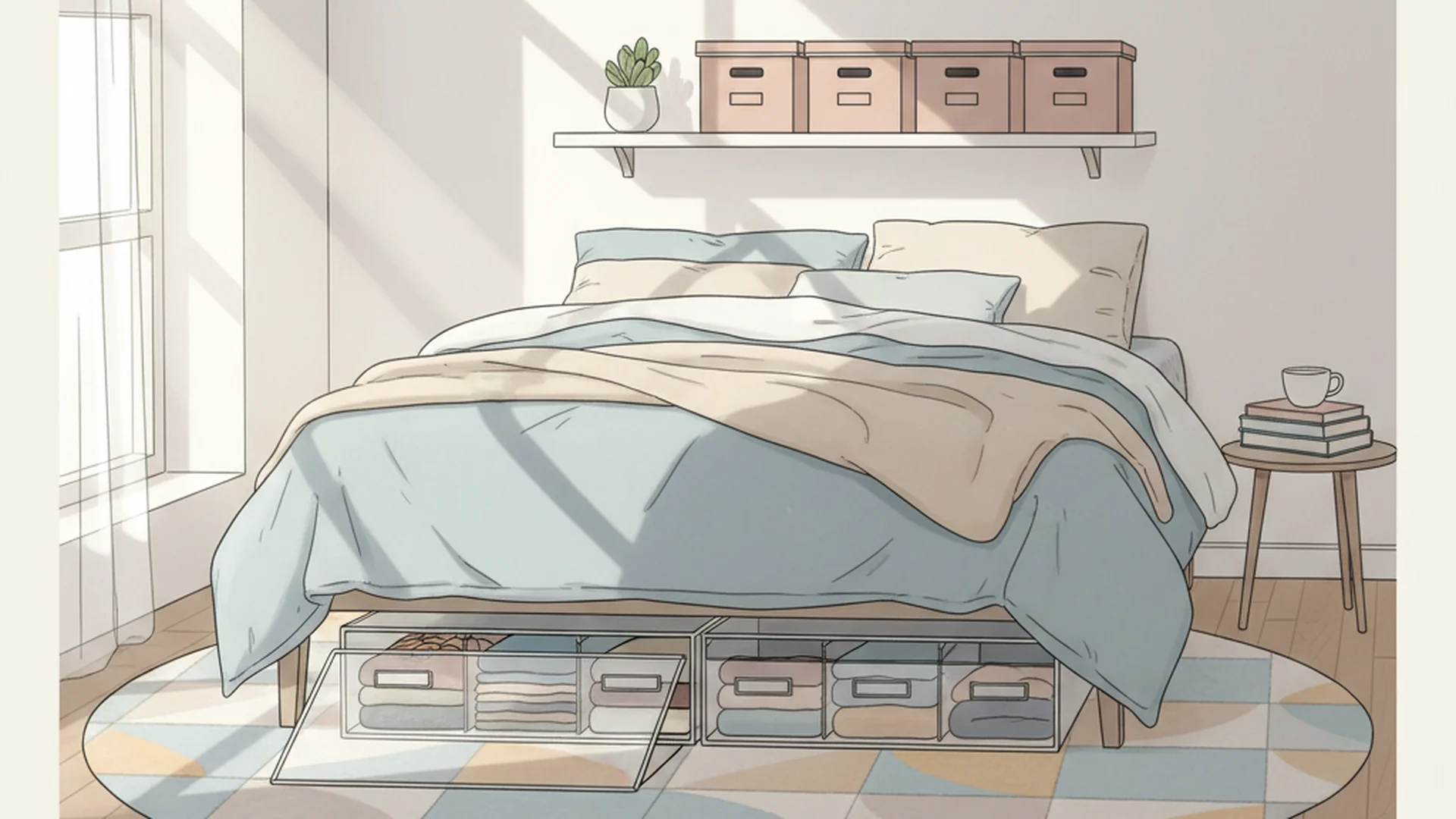
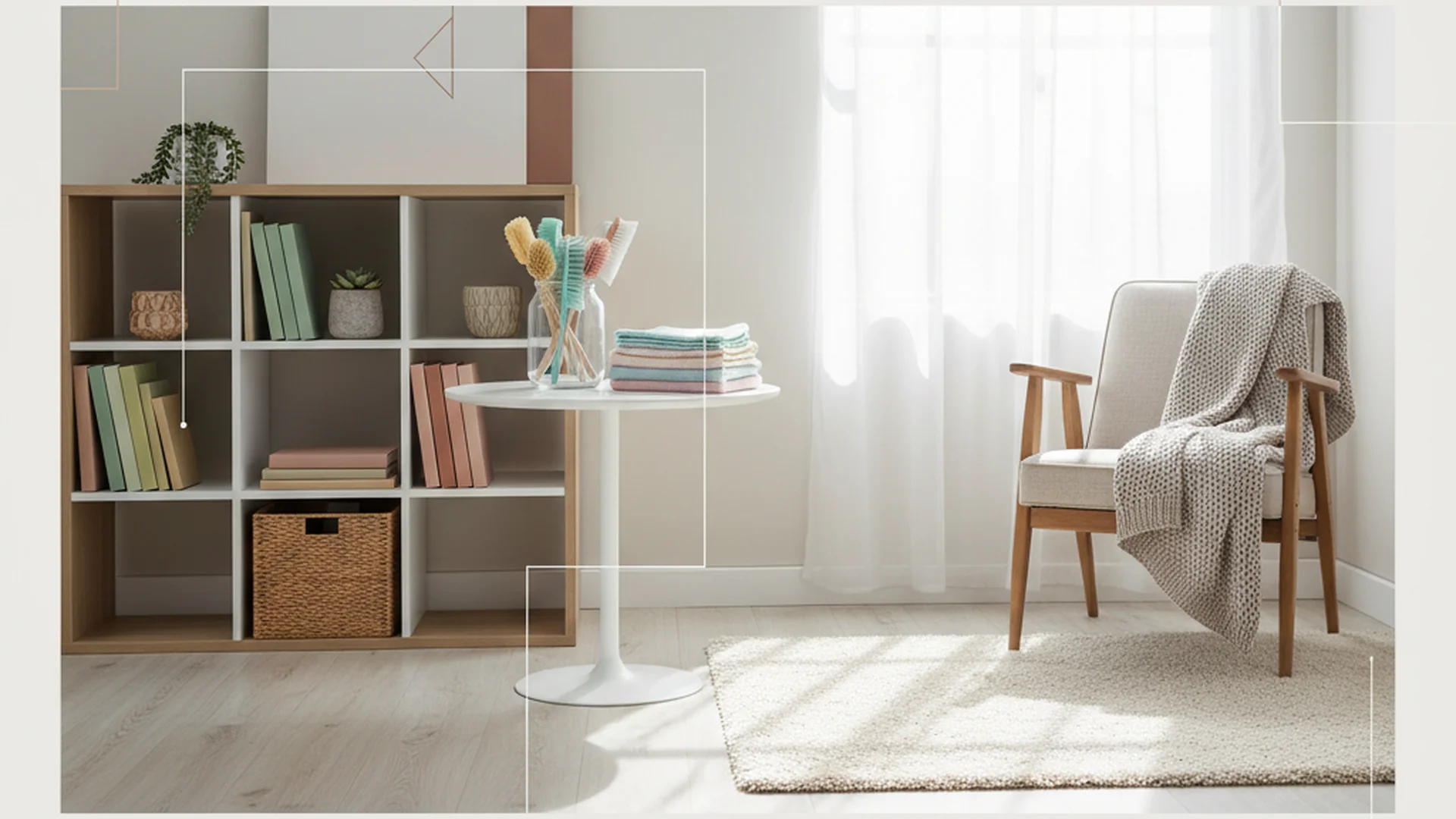
The "out of sight, out of mind" struggle (object permanence) means that if items are behind cupboard doors, they often cease to exist or become a source of anxiety. The 2026 trend of "visible storage"—using clear bins and open shelving—allows people with ADHD to see their belongings, which actually helps maintain order and reduces the "clutter-cortisol" link.
| Strategy | Goal | Why it works for ADHD |
|---|---|---|
| Doom Boxes | Clearing Surfaces | Prevents "decision fatigue" about where items go. |
| Body Doubling | Staying on Task | Provides social accountability and focus. |
| Visible Storage | Organization | Bypasses object permanence issues. |
| Micro-Schedules | Initiation | Breaks task paralysis into tiny steps. |
Common Mistakes to Avoid
Even with the best intentions, many people with ADHD fall into traps that lead to burnout.
- Mistake: The "All or Nothing" Mindset. Waiting for a "burst of energy" to deep-clean the whole house. This leads to exhaustion and another month of mess. Focus on "functional cleaning" instead.
- Mistake: Organizing Before Cleaning. Buying 50 bins at Target is a "dopamine high," not cleaning. You cannot organize clutter; you must declutter first.
- Mistake: Cleaning "The Right Way." Trying to follow a "Tuesday is Bathroom Day" schedule when your brain doesn't work on linear schedules. If you have the energy to clean the bathroom at 11 PM on a Sunday, do it then.
- Mistake: Over-reliance on "Motivation." Motivation is a feeling; executive function is a tool. Don't wait to feel like cleaning. Use external scaffolds (timers, music, AI) to start regardless of feeling.
Warning: Avoid "The Perfectionism Spiral." If you can't do the dishes "perfectly" (hand-washed, dried, and put away), just rinsing them and putting them in the dishwasher is enough. Anything worth doing is worth doing poorly.
Frequently Asked Questions
Why do I end up organizing my spice rack instead of doing the dishes?
How do I stop the shame cycle when my house is a mess?
What is "Body Doubling" and how does it help?
What are "Doom Boxes"?
Conclusion
Understanding why adhd cleaning hard is a matter of science—not character—is the most powerful tool you have. When you stop fighting your brain and start working with its unique wiring, you can create a home that supports you rather than stresses you out. Whether you use AI to micro-plan your day or simply embrace the "Five Things" method, remember that your home exists to serve you; you do not exist to serve your home.
Success: By implementing just one neuro-affirming strategy today—like "Junebugging" or using a "Doom Box"—you are actively lowering your stress levels and reclaiming your space.
Cleaning that keeps score
Every task earns points, every streak multiplies them, and Premium adds a household leaderboard plus a monthly Dustagorgon to beat.
- Free forever
- 30 badges to earn
- Up to 6 in a household
No card needed. Set up your rooms in a couple of minutes.