In this article
What you’ll learn
- Swedish Death Cleaning (Döstädning) is about legacy, not just tidying.
- Start with hidden storage areas like attics before sentimental items.
- Digital decluttering is the new frontier of the Swedish cleaning method in 2026.
In the world of home organization, trends often come and go with the seasons. However, one practice has stood the test of time and gained massive global momentum over the last decade: Döstädning. Better known to English speakers as the swedish cleaning method, or "Swedish Death Cleaning," this practice is far less morbid than its name suggests. In fact, as we move into 2026, it has become a vital life-affirming practice for people of all ages. By decluttering our lives now, we ensure that our belongings remain a source of joy rather than a burden for our loved ones later.
Understanding Döstädning: The Philosophy of Legacy
The term Döstädning is derived from the Swedish words "dö" (meaning death) and "städning" (meaning cleaning). While the concept has been part of Swedish culture for generations, it was popularized globally by Margareta Magnusson in her 2017 bestseller. The swedish cleaning method explained simply is this: the process of clearing out unnecessary belongings so that your family doesn't have to do it for you after you are gone.
Unlike the KonMari method, which asks if an item "sparks joy" for the owner, the Swedish method asks a more outward-facing question: "Will anyone be happier if I save this?" It transitions the focus from personal consumption to communal legacy. In 2025, we are seeing a massive shift in how this is applied. No longer reserved for those over 65, it has been enthusiastically taken up by younger adults keen to avoid the "clutter traps" that burdened their parents' generation.
Note: Swedish Death Cleaning is not about getting rid of everything; it is about keeping only what is essential or truly meaningful.
Why the Swedish Cleaning Method is Essential in 2026
The modern world is cluttered, not just physically but digitally. The "Sandwich Generation"—those caring for both aging parents and their own children—faces a unique crisis. Settling an estate can consume months of an executor's life, and a staggering amount of that time is spent physically sorting through decades of accumulated belongings.
The Psychological Benefit
Beyond the practical benefits for heirs, the swedish cleaning method offers profound mental health advantages. Living in an uncluttered space simply feels calmer, and the low-level stress of looking at unfinished piles falls away. By adopting a "gradual pace," practitioners avoid the burnout associated with weekend "purges," making the process a meditative rather than a stressful experience.
Success: Practitioners often report feeling "lighter" and more in control of their current lives, proving that death cleaning is actually a way to enhance your living years.
How to Use the Swedish Cleaning Method: A Step-by-Step Guide
Learning how to use swedish cleaning method requires a shift in mindset. You are not just cleaning; you are Curating. Here is the recommended order of operations to ensure success without emotional exhaustion.
Step 1: Start with the "Invisible" Areas
The best place to start is where no one looks: the attic, the basement, or the off-site storage unit. These areas are "emotional training grounds." Because the items have been out of sight for years, you have already proven you can live without them.
Step 2: Tackle the Large and the Obvious
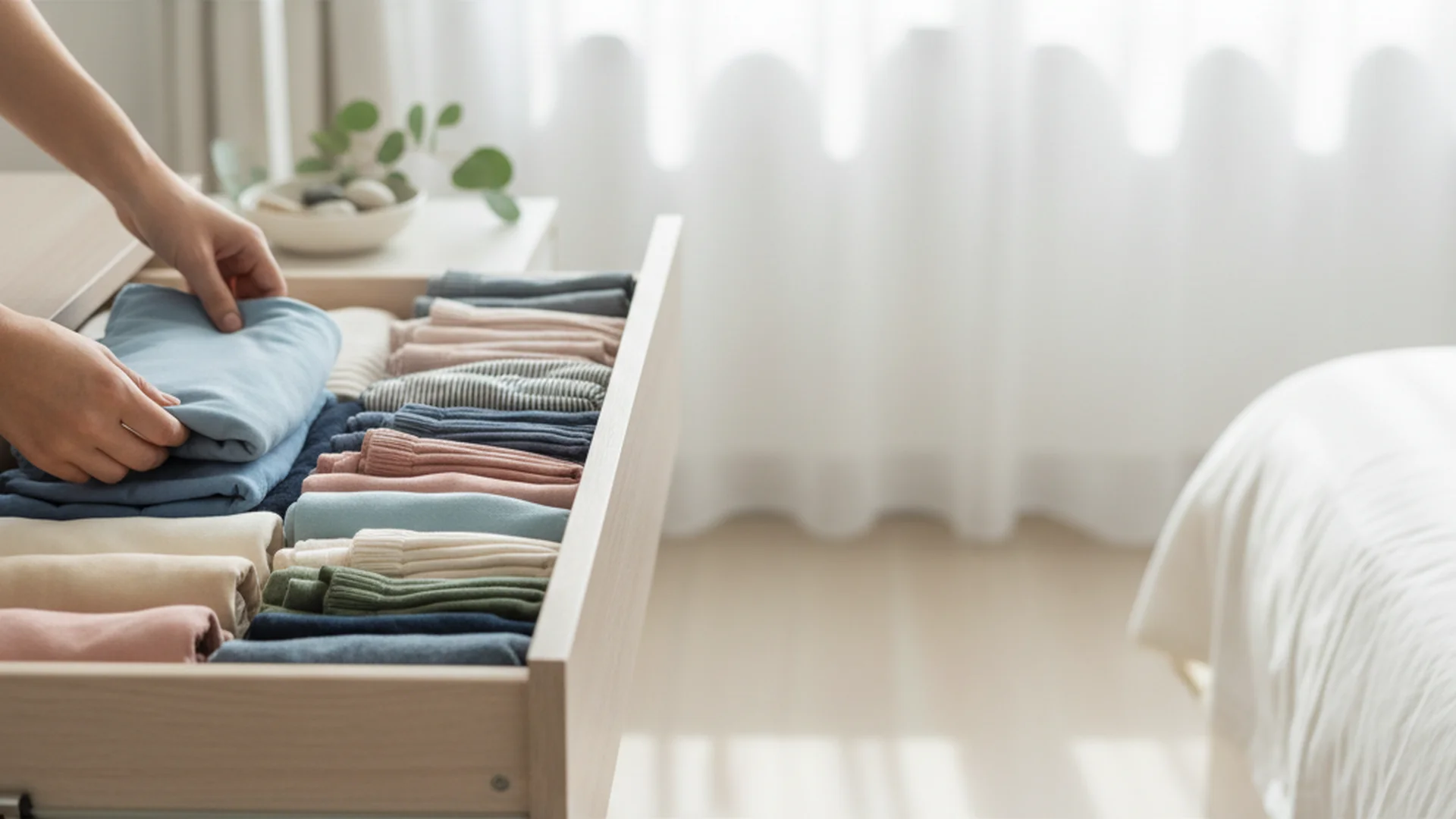
Move to furniture and clothing. Ask yourself if your children or friends would actually want these items. In 2025, we recommend the "Gifting while Living" approach. Instead of leaving a cherished vase in a will, give it to your niece now so you can see her enjoy it and share the story behind it.
Step 3: The "Lagom" Approach to the Kitchen
In Swedish, Lagom means "not too much, not too little." Apply this to your kitchen. Do you really need fifteen coffee mugs? Probably not. Aim for a home where every item has a clear purpose or a verified recipient.
| Item Category | Disposal Priority | Suggested Method |
|---|---|---|
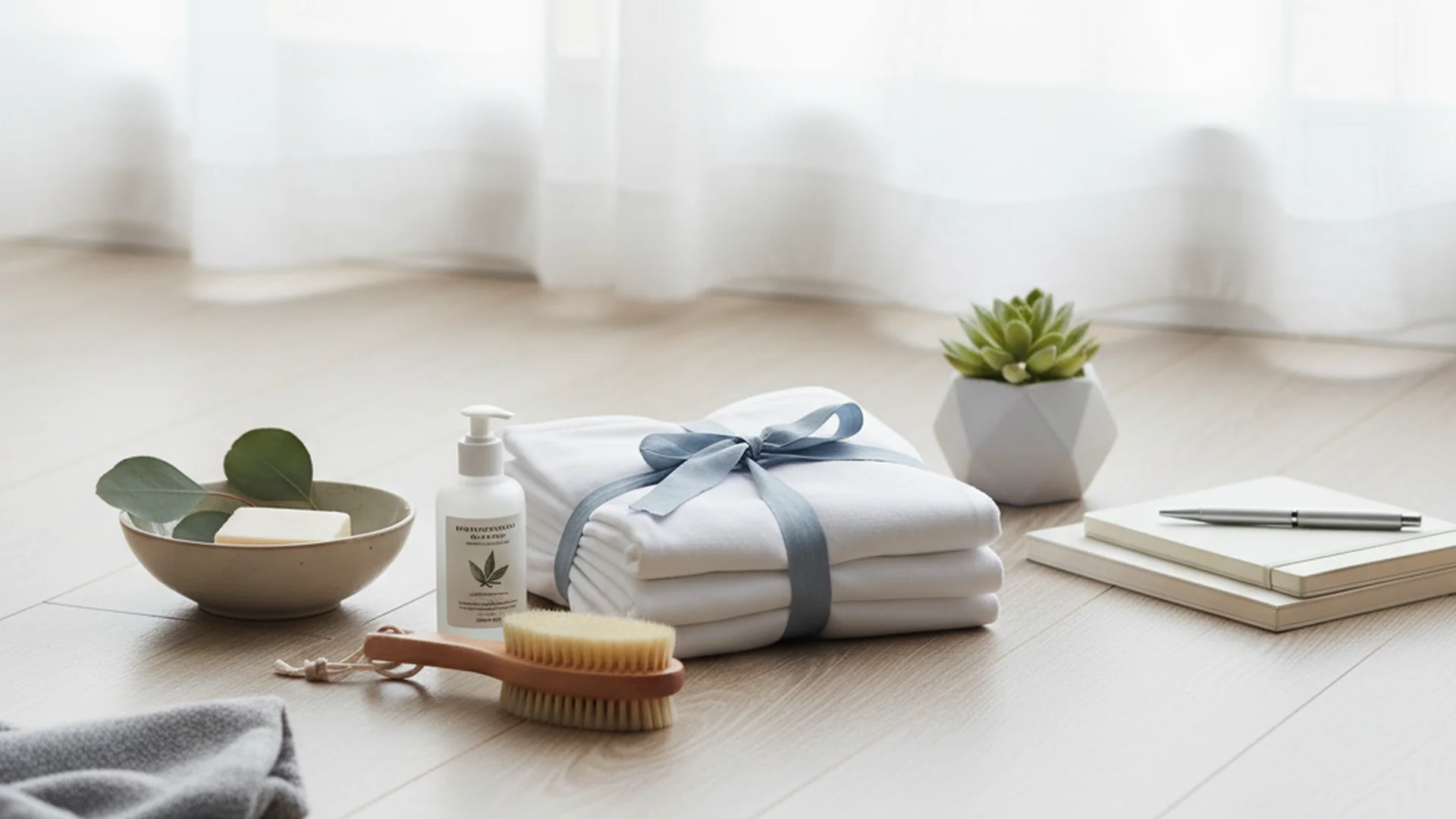
| Linens/Towels | High | Animal Shelters |
| Books | Medium | Little Free Libraries |
| Kitchenware | High | Local Charities |
| Fine Jewelry | Low | Family Gifting |
Step 4: Save the "Emotional Rabbit Holes" for Last
One of the most important rules of the Swedish method is to never start with photographs, letters, or journals. These items trigger deep nostalgia and can stall your progress for weeks. Save these for the very end, once your "decluttering muscle" is fully developed.
Tip: Use a "Throw-Away Box" for items that are precious to you but mean nothing to others (like old concert stubs). Label it clearly so heirs know they can discard it without guilt.
The Digital Frontier: E-Döstädning
As we move through 2025 and into 2026, the swedish cleaning method has evolved to include our digital footprints. We now leave behind thousands of photos, dozens of subscriptions, and complex social media legacies.
Digital Death Cleaning involves:
- Organizing Cloud Storage: Deleting the 4,000 blurry photos of your lunch to make the important family videos easier to find.
- Managing Subscriptions: Closing unused accounts so your estate isn't drained by recurring fees.
- Legacy Contacts: Utilizing features on Apple ID and social platforms to designate who manages your data.
Warning: Failing to organize your digital life can lead to your "digital ghost" lingering in ways that are distressing for loved ones, such as automated birthday reminders for deceased accounts.
Real-World Examples of the Swedish Method in Action
To understand the versatility of this method, let’s look at three different applications from my consultancy practice.
Example 1: The Millennial Minimalist
Sarah, a 32-year-old tech worker, adopted the swedish cleaning method after helping her parents downsize. She realized she owned three sets of dishes and countless "fast fashion" items. By applying the "will anyone want this?" rule, she reduced her belongings by 50%, allowing her to move into a smaller, more affordable apartment closer to work, significantly reducing her daily stress.
Example 2: The "Gifting while Living" Grandma
Evelyn, age 74, decided to distribute her antique jewelry collection during a family Thanksgiving dinner. Instead of her grandchildren fighting over pieces later, she was able to tell the story of each ring and necklace. This turned a potentially somber "death cleaning" task into a celebration of family history.
Example 3: The Sustainable Disposer
Mark used the 2026 "Circular Decluttering" trend to empty his garage. Rather than a dumpster, he used AI-assisted sorting apps to find specialized recycling centers for his old paints and "Buy Nothing" groups for his tools. He cleared his space while ensuring 90% of his items avoided the landfill.
Common Mistakes to Avoid
Even with the best intentions, it is easy to stumble when following the swedish cleaning method. Here are the most common pitfalls to watch out for:
- Trying to do it in a weekend: This is a marathon, not a sprint. Attempting a total purge in 48 hours leads to "decision fatigue" and emotional burnout.
- Forcing items on family: Just because you love your heavy oak dining table doesn't mean your children have the space for it in their modern apartment. If they say "no," respect it and donate the item.
- Keeping things "just in case": This is the ultimate enemy of decluttering. If you haven't used it in a year and it holds no sentimental value, let it go.
- Focusing only on the physical: Remember the E-Döstädning! Your digital clutter is just as heavy for your heirs as your physical clutter.
Frequently Asked Questions
Do I have to be old to start the Swedish cleaning method?
How is this different from the Marie Kondo (KonMari) method?
What should I do with sentimental items I can’t let go of?
How do I talk to my parents about Swedish Death Cleaning without sounding rude?
Conclusion: Start Small, Start Today
The swedish cleaning method is more than just a cleaning routine; it is a profound act of kindness toward your future self and your loved ones. By curating your life today, you create a space that is easier to manage, more joyful to live in, and a legacy that reflects your values rather than your clutter.
You don't need to empty your entire house by Monday. Start with one small drawer or one digital folder. The goal is progress, not perfection. As you let go of the things that no longer serve you, you'll find that you're not just preparing for the end—you're making more room for the present.
Cleaning that keeps score
Every task earns points, every streak multiplies them, and Premium adds a household leaderboard plus a monthly Dustagorgon to beat.
- Free forever
- 30 badges to earn
- Up to 6 in a household
No card needed. Set up your rooms in a couple of minutes.