In this article
What you’ll learn
- Implement a 'Landing Strip' to stop clutter at the door
- Use the S.T.A.R. method for efficient daily sorting
- Reduce environmental impact by opting out of junk mail lists
Walking through your front door after a long day should be a moment of relief, not a confrontation with a mountain of paper. Yet, for many of us, the entryway table or kitchen island has become a graveyard for flyers, bills, and catalogs. Effective mail organization is about more than just finding a pretty basket; it is about creating a functional system that intercepts paper before it becomes a permanent resident in your home.
As we move into 2026, the challenge of mail has shifted. We are no longer just dealing with physical envelopes; we are battling a hybrid "inbox anxiety" that spans both our physical mailboxes and our digital devices. With the average American household receiving 848 pieces of junk mail annually, the need for a streamlined process has never been more urgent.
Why Mail Organization Matters in 2025
The sheer volume of mail is staggering. Producing the junk mail sent to U.S. households consumes 28 billion gallons of water and results in greenhouse gas emissions equivalent to 9 million passenger cars. Beyond the environmental toll, physical clutter acts as a visual "to-do" list that never ends.
When your mail isn't organized, you risk missing critical deadlines, losing important tax documents, and accumulating late fees. By implementing a systematic approach, you reclaim your space and your time.
The Foundation: The "Landing Strip" Concept
Professional organizers advocate for a "Landing Strip" or "Drop Zone." This is a dedicated area in your entryway designed to catch mail the moment you walk in.
The goal of the Landing Strip is to prevent mail from reaching "migration points"—the kitchen counter, the dining table, or the sofa. If mail reaches the kitchen counter, it has already won. It will stay there for days, buried under grocery bags and homework.
Creating Your Drop Zone
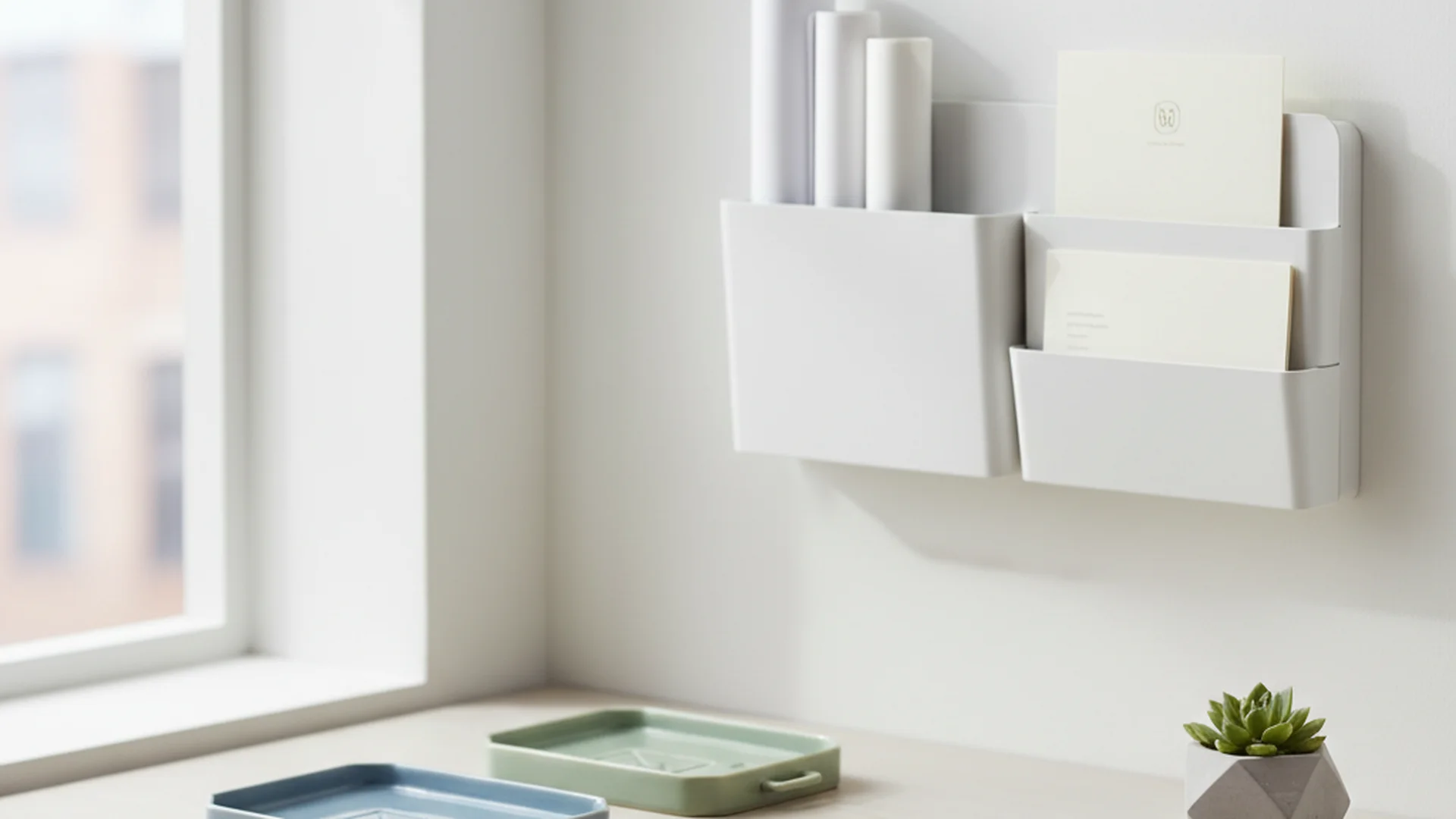
Your landing strip doesn't need to be elaborate. A simple wall-mounted rack or a small console table with a dedicated tray is sufficient. The key is proximity to the door.
Tip: The "One-Touch Rule" is the golden rule of organization. Process each piece of mail the moment you touch it. Do not put it down until it is in its final destination (trash, shredder, or action folder).
The S.T.A.R. Method for Efficient Sorting
To make mail organization effortless, use the S.T.A.R. Method. This simple acronym helps you categorize every piece of mail in seconds.
Shred and Trash
The first step is the most satisfying. Immediately discard anything that is clearly junk. Windowed envelopes, credit card offers (that you don't want), and flyers should go straight into the bin.
- Action: Shred sensitive offers to prevent identity theft.
- Action: Recycled non-sensitive paper.
To-Do
This category is for items that require a specific action: bills to be paid, RSVPs for weddings, or forms to be signed.
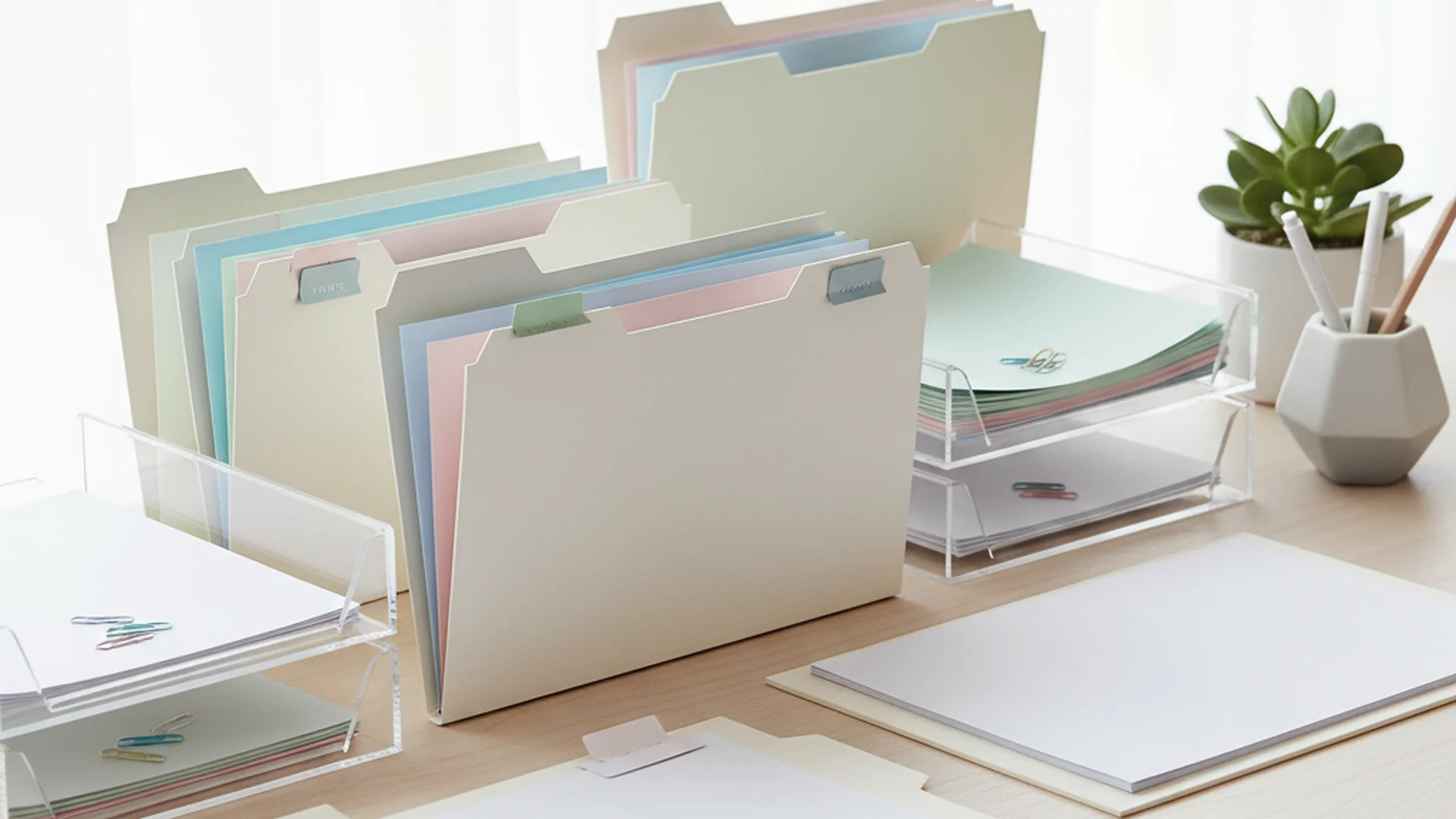
- Action: Place these in a designated "Action Folder" or a tiered wall sorter.
Archive
These are documents you need to keep but don't need to act on immediately. Examples include tax-related receipts, medical records, or insurance updates.
- Action: File these away or, better yet, scan them immediately.
Read
This is for magazines, catalogs, and newsletters. These are leisure items, not chores.
- Action: Keep these in a separate basket near your favorite reading chair. If you haven't read a magazine by the time the next issue arrives, recycle the old one.
Warning: Keeping envelopes adds 50% more bulk to your paper piles. Always discard the outer envelope and keep only the necessary document.
DIY Mail Organization on a Budget
You don't need a custom-built mudroom to stay organized. Some of the most effective systems are budget mail organization projects you can complete in an afternoon.
The Dollar Tree Hack
This is a classic diy mail organization favorite. Purchase two small plastic woven baskets and two mini photo frames. Use zip-ties to attach the baskets to a wooden board or directly to a wall. Label the frames "Incoming" and "Outgoing." This costs less than $10 and provides a clear visual system for everyone in the household.
Cereal Box Upcycling
If you prefer a desktop solution, don't buy expensive acrylic sorters. Take three empty cereal or cracker boxes of varying heights. Cut them at a diagonal, wrap them in high-quality contact paper or fabric that matches your decor, and glue them together. This creates a tiered file holder that is perfectly sized for standard envelopes and folders.
The Shutter Sorter
For a farmhouse or vintage aesthetic, repurpose an old window shutter. Clean it, give it a fresh coat of paint, and mount it horizontally or vertically. The slats are the perfect size for sliding in mail. Add a few hooks at the bottom for keys, and you have a complete entryway command center.
Felt Wall Pockets
For a modern, minimalist look, use 2mm thick felt. Sew three sheets together to create a lightweight, vertical pocket system. It’s soft, won't scratch your walls, and the material costs less than $5 at most craft stores.
Document Retention: What to Keep and What to Toss
One of the biggest hurdles in mail organization is the fear of throwing away something important. Use the following table as a general guide for household document retention.
| Document Type | Retention Period | Action |
|---|---|---|
| Tax Returns & Support | 7 Years (or Indefinitely) | Archive / Digital Scan |
| Birth/Marriage Certificates | Indefinitely | Fireproof Safe |
| Bank Statements | 1 Year | Shred after verifying |
| Utility Bills | Until Paid | Shred immediately |
| Medical Bills | 1 Year | Archive (if needed for taxes) |
| Credit Offers | 0 Days | Shred immediately |
Note: Only 20% of what you file will ever be looked at again. Before filing, ask yourself: "Can I find this information online if I really need it later?"
Modern Trends (2025–2026)
The future of mail is increasingly digital and automated. We are seeing a shift toward "paper-light" homes where physical mail is the exception, not the rule.
AI-Powered Sorting
New digital tools like SaneBox and Inbox Zero are now using behavioral inference. These tools notice which emails you reply to quickly and automatically surface "Action Required" items while hiding low-priority threads. In 2026, we expect to see similar AI integration in home scanning apps that can automatically categorize your physical mail as you scan it.
Virtual Mailboxes
For the 22% of the workforce working remotely in 2025, virtual mailboxes have become a staple. These services provide a physical address where your mail is received, scanned, and uploaded to a secure app. You can then decide to have the physical copy shredded or forwarded to you.
Biometric Shredders
A rising trend in home security is the biometric shredder. These sleek, designer units feature fingerprint locks, ensuring that sensitive documents are only accessible to you until they are destroyed. They are designed to look like high-end furniture, allowing them to sit in plain sight in a living room or office.
Common Mistakes to Avoid
Even with the best intentions, mail systems can fail. Avoid these common pitfalls to keep your home clutter-free.
- The "I'll Deal With It Later" Pile: This is the #1 cause of lost bills. Mail should never "live" on a flat surface. If you aren't ready to sort it, keep it in its "Incoming" basket—never on the table.
- Filing as Delayed Trash: Many people file things just because they don't want to make a decision. If it doesn't have a clear legal, financial, or sentimental purpose, get rid of it.
- Not Unsubscribing: It’s a mistake to manually move the same newsletter to the trash every week. Take the 10 seconds to click "unsubscribe."
- Keeping the Junk for "Coupons": Unless you are a dedicated extreme couponer, most flyers expire before you use them. If you haven't used a coupon within 48 hours of receiving it, you likely won't.
Success: Setting up a "Sunday Basket" routine can change your life. If daily processing is too much, use a single basket for all mail and dedicate 20 minutes every Sunday morning to clear it completely.
Frequently Asked Questions
How do I stop junk mail from coming to my house?
Where should I put my mail the moment I walk in?
How long should I keep physical bank statements?
What is the best way to organize mail in a small apartment?
Conclusion
Mastering mail organization is not about buying the most expensive filing cabinet; it is about building a habit of immediate action. By using the S.T.A.R. method, establishing a dedicated Landing Strip, and utilizing budget-friendly DIY solutions, you can transform your entryway from a place of stress into a space of welcome.
Whether you choose to go completely digital with virtual mailboxes or prefer the tactile organization of a repurposed shutter, the goal remains the same: a home where paper serves you, rather than the other way around. Start small this Sunday with a single basket, and watch how quickly your "inbox anxiety" disappears.
Cleaning that keeps score
Every task earns points, every streak multiplies them, and Premium adds a household leaderboard plus a monthly Dustagorgon to beat.
- Free forever
- 30 badges to earn
- Up to 6 in a household
No card needed. Set up your rooms in a couple of minutes.