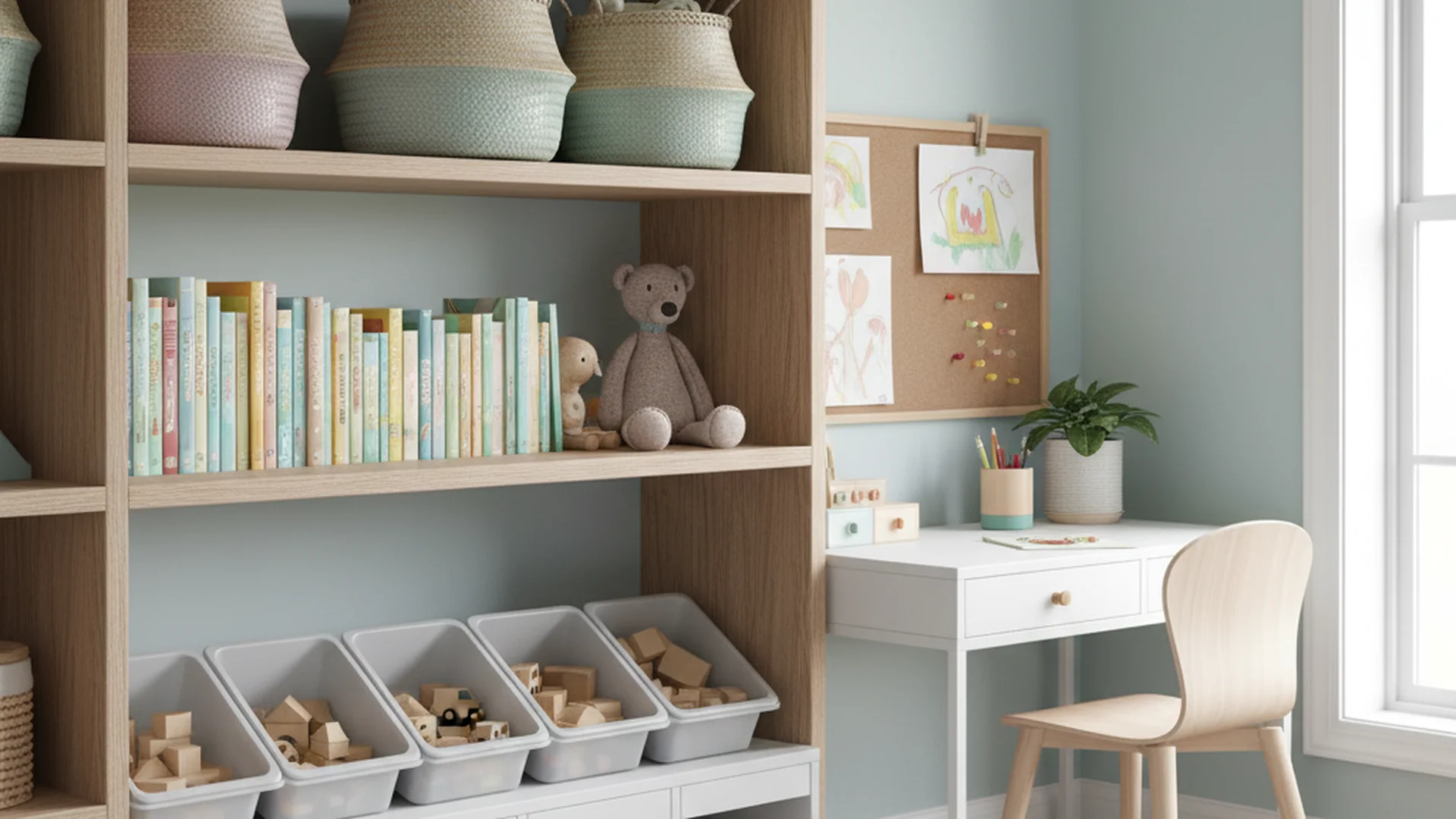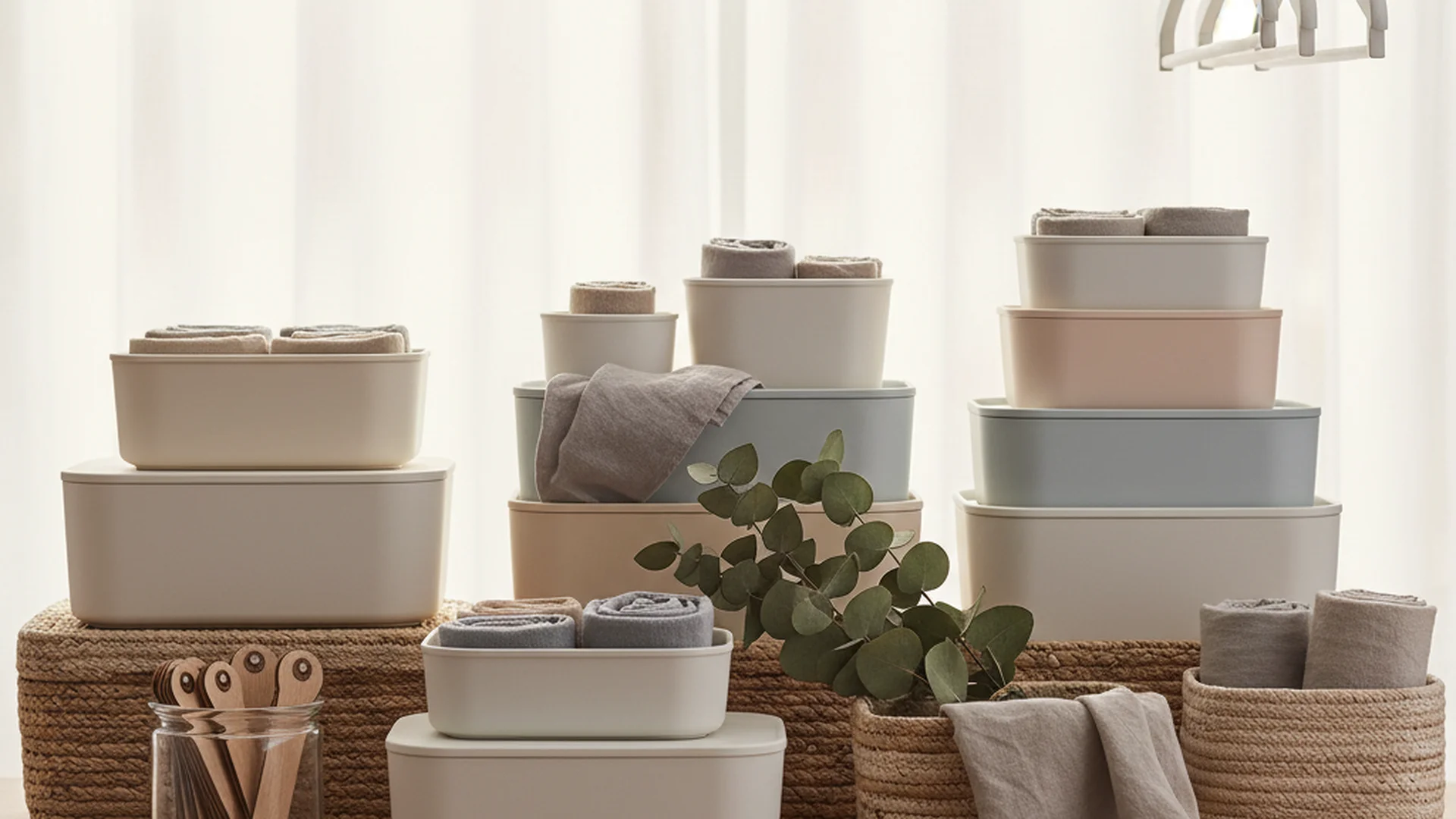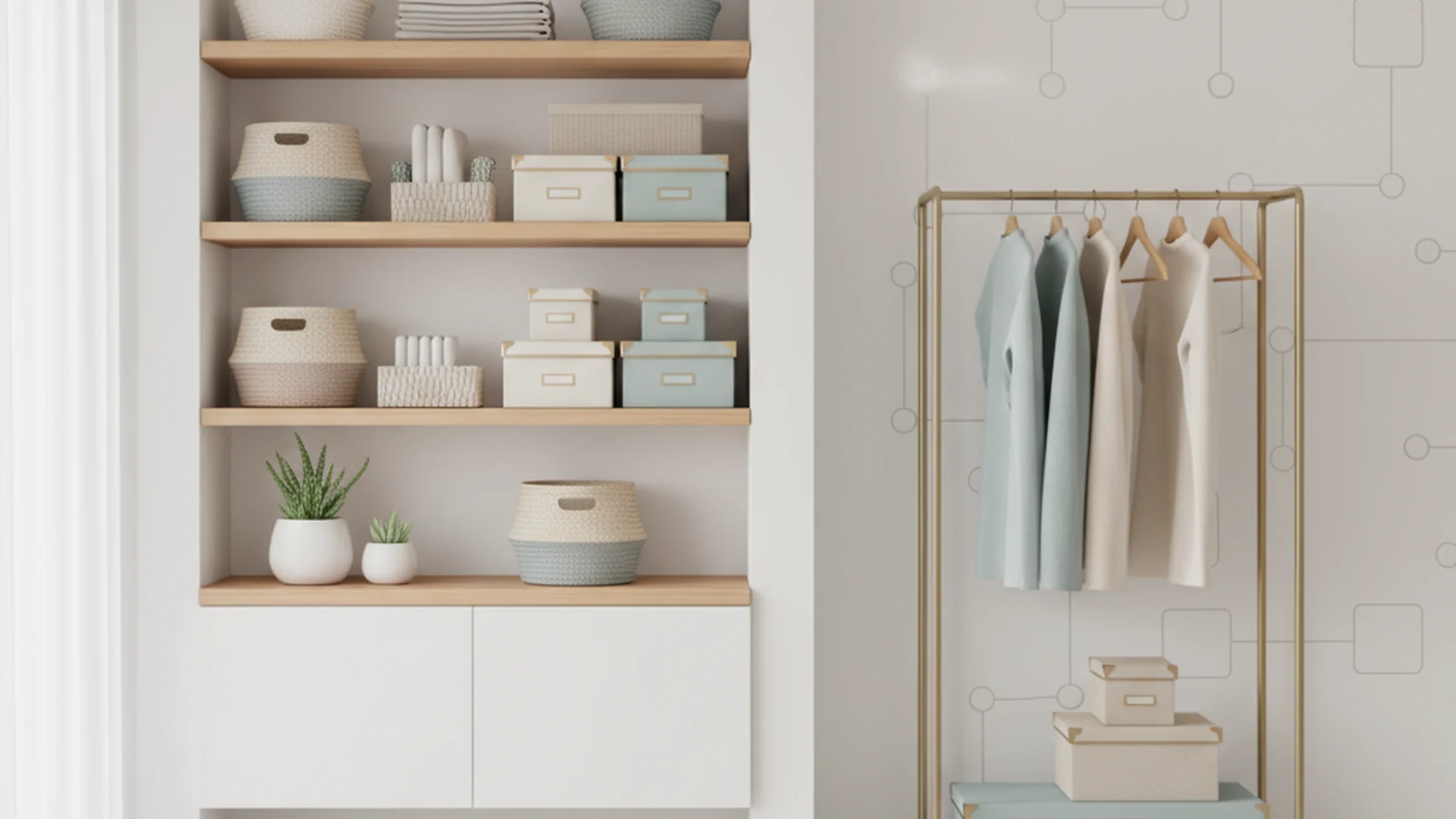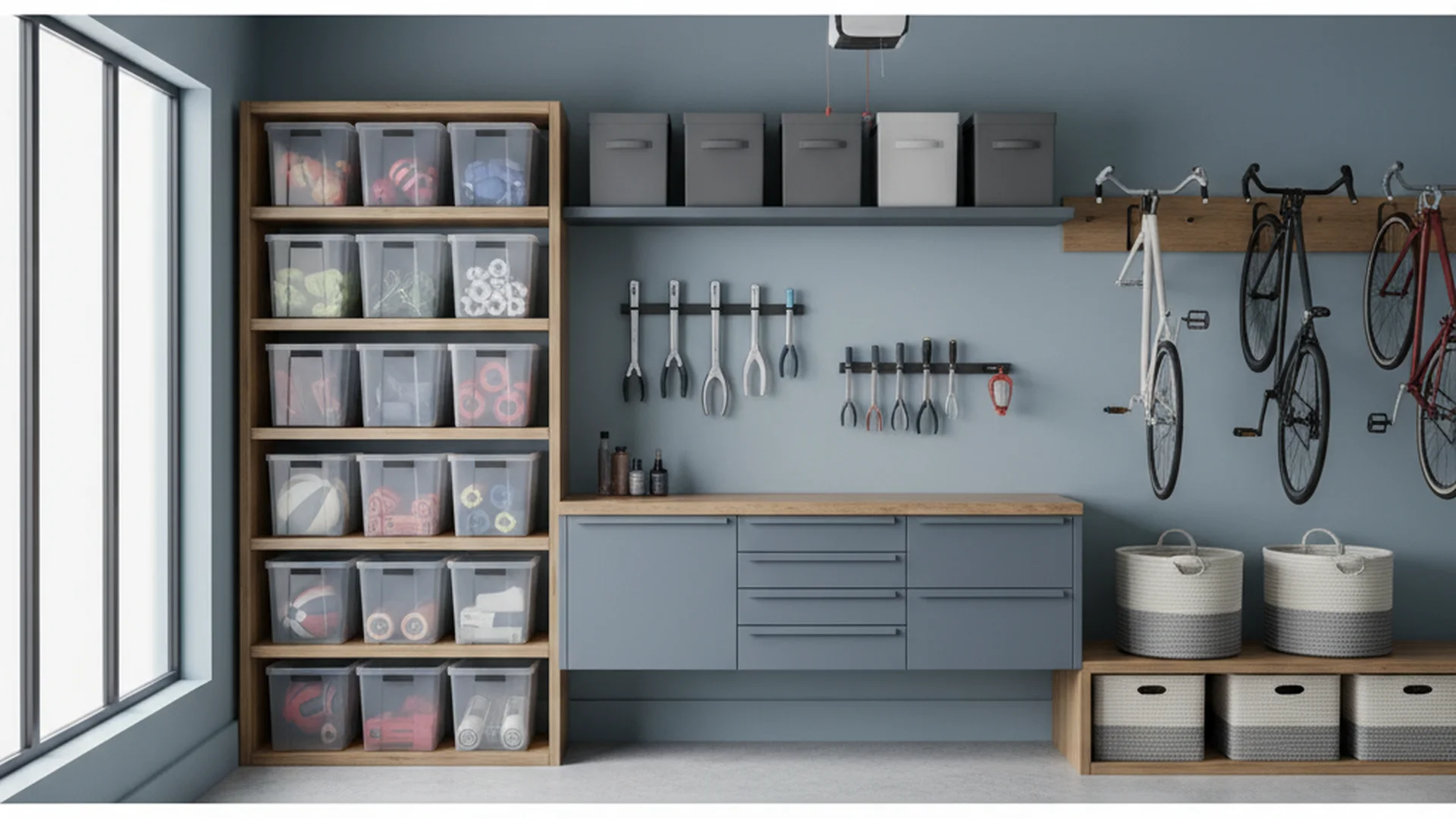
In this article
What you’ll learn
- Decluttering must precede buying any storage containers.
- Sustainable systems are better than one-time purges.
- Utilize vertical space and AI tools for long-term maintenance.
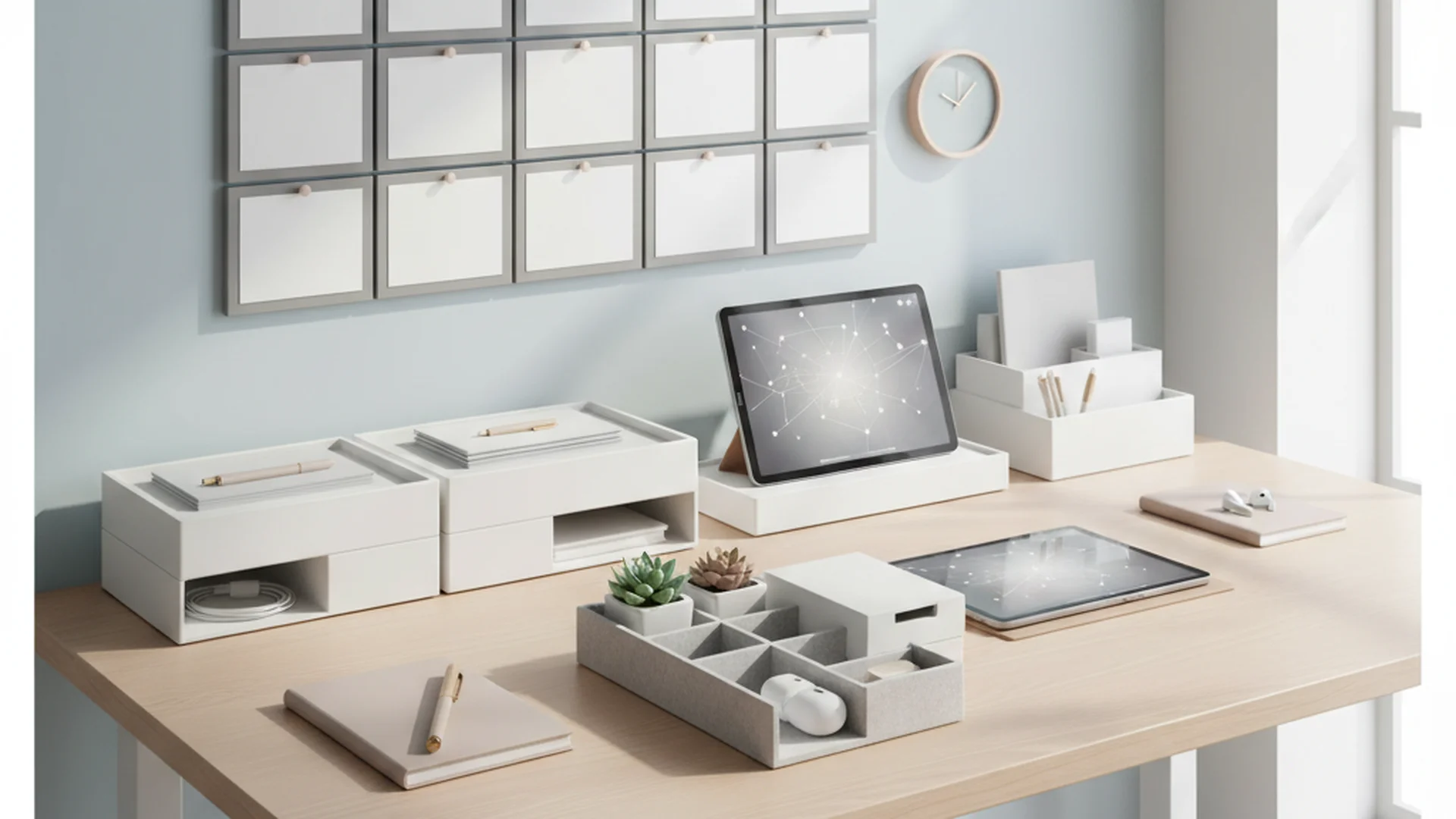
In the fast-paced world of 2025, our homes have become more than just places to sleep; they are offices, gyms, and sanctuaries. However, with shrinking floor plans and the rise of remote work, many of us feel overwhelmed by the sheer volume of "stuff" occupying our personal space. If you want to organize every room in your house, you aren't just looking for a cleaner aesthetic—you are looking for mental clarity. An organized home isn't just a luxury; it’s a psychological necessity for modern living.
The Psychology of the Organized Home
Before we pick up a single bin, we have to understand the "why" behind the mess. Younger adults in particular report real stress when their living space is unorganized. Conversely, most people believe a clean home sets a positive tone for the year ahead.
However, the biggest hurdle isn't the mess itself—it's the "Freshness Window." The motivation to stay tidy tends to fade after a few short weeks. To break this cycle, we need systems that work for our "laziest" selves, not just for the person we are on a motivated Saturday morning.
Note: Organization is a system, not an event. Tiding is moving things around; organizing is giving every item a permanent "home" that makes sense for your daily flow.
Phase 1: The Core Principles of Organization
To effectively organize every room, you must follow a set of universal rules that professional organizers use to ensure long-term success.
The "Edit" Before the "Bin"
The most common mistake homeowners make is rushing to the store to buy beautiful acrylic bins before they’ve actually sorted their belongings. "Organized clutter" is still clutter. You must ruthlessly edit your possessions first. If you haven't used it in a year, and it doesn't hold significant sentimental value, it’s time to rehome it.
The One-Touch Rule
To prevent daily clutter from accumulating, aim to touch an item only once. Instead of putting the mail on the kitchen counter to "deal with later," sort it immediately into "Keep" or "Recycle." This prevents the "piling" effect that makes rooms feel messy within hours of cleaning.
Zoning and Micro-Zoning
Divide your rooms into functional zones. In a kitchen, you might have a "Prep Zone" and a "Cleaning Zone." In 2025, we take this further with Micro-Zoning.
Real-World Example: The Morning Rush Coffee Station Instead of having coffee beans in the pantry, mugs in a far cabinet, and spoons in a drawer across the room, create a 2-square-foot "Coffee Zone." Place the machine, mugs, and sugar together. This reduces movement and keeps the mess contained to one small area.
Tip: Use the "One-In, One-Out" policy. For every new item you bring into a room, one must be donated or discarded. This is the only way to maintain a static level of inventory in a small home.
Phase 2: Room-by-Room Guide
Every room has its own personality and its own specific "clutter traps." Here is how to tackle them using 2025’s best practices.
The Kitchen: The High-Traffic Hub
The kitchen is often the hardest room to keep tidy because it’s the heart of the home. Use the following table to plan your zones:
| Zone Type | Items Included | Storage Solution |
|---|---|---|
| Cooking | Pots, pans, oils, spices | Pull-out drawers near stove |
| Preparation | Knives, cutting boards, mixing bowls | Counter-top magnetic strips |
| Cleaning | Soap, sponges, dishwasher pods | Under-sink tiered pull-outs |
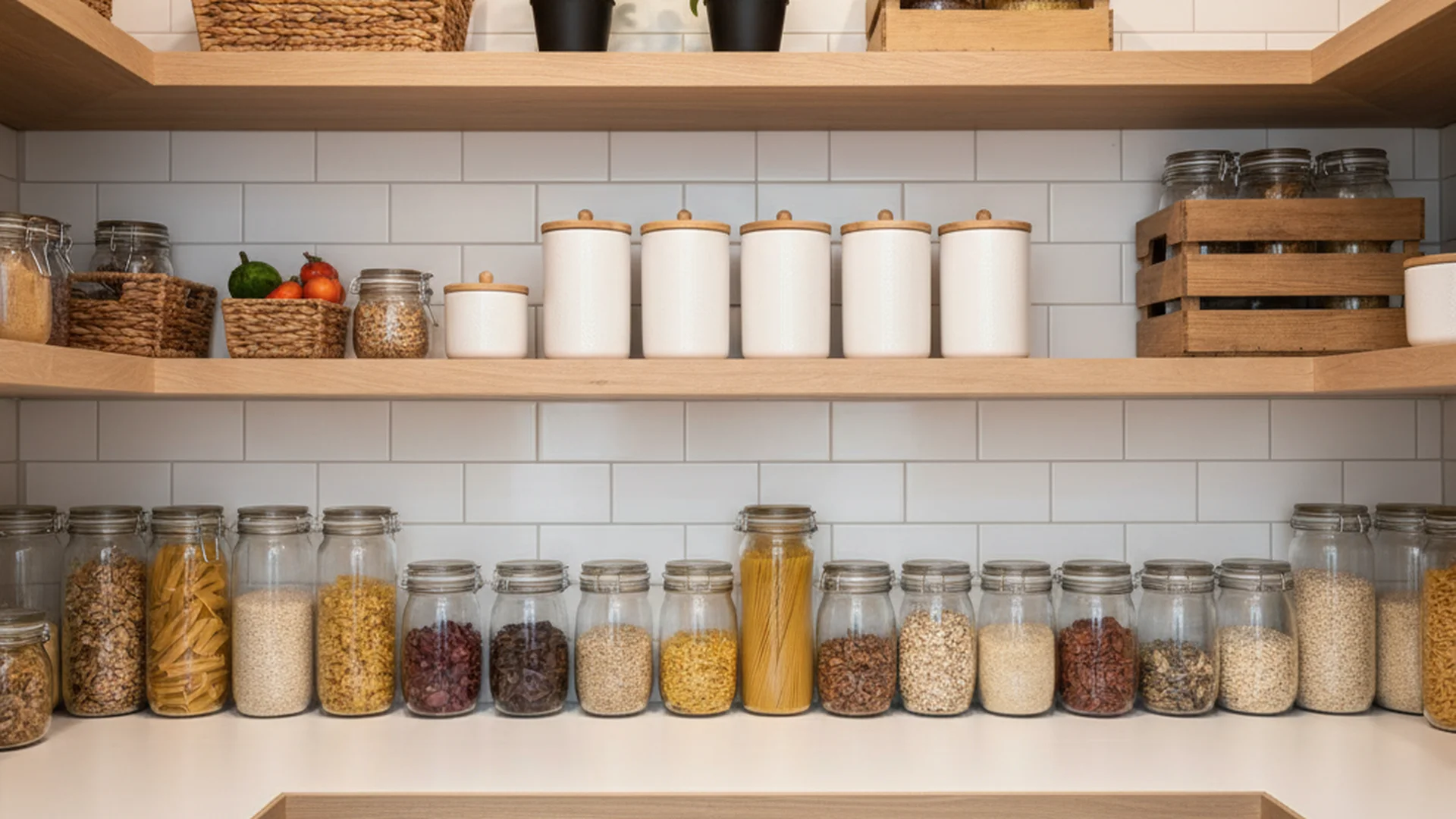
| Consumables | Dry goods, snacks, canned items | Clear bins with labels |
Warning: Avoid the "Container Trap." Always measure your shelf depth and height before purchasing bins.
The Bathroom: The Low-Stakes Starting Point
If you are feeling overwhelmed, start in the bathroom. It is a "low-stakes" area because it usually contains fewer sentimental items.
- The Trend: 2026 trends suggest using "Magnetic Storage" on the inside of medicine cabinet doors for tweezers, bobby pins, and nail clippers.
- DIY Hack: Use repurposed glass jars for cotton swabs and pads. It’s an easy way to budget organize every room while looking high-end.
The Bedroom: Your Sleep Sanctuary
The bedroom should be a place of "Functional Maximalism," also known as Dopamine Organizing. Instead of a cold, empty room, display items that bring you joy, but keep the essentials tucked away.
- Vertical Real Estate: Use the back of the door for shoes or accessories.
- Under-Bed Storage: Use long, rolling bins for out-of-season clothing.
Phase 3: DIY and Budget Strategies
You don't need a million dollars to have a Pinterest-worthy home. In fact, some of the most effective solutions are diy organize every room projects.
Repurposing Household Items
Before buying new, look at what you already have:
- Shoe Boxes: Use them as drawer dividers for socks and underwear.
- Phone Boxes: These are incredibly sturdy and perfect for "Tech Drop Zones" to hold chargers and cables.
- Tin Cans: Clean them, paint them, and use them in the garage or craft room for small hardware.
The "Visual Default Rule"
If you live with someone who has a different organizing style, use the Visual Default Rule. If one person needs to see things to remember they exist (visual) and another prefers a clean look, use clear bins. This satisfies the need for visibility while keeping the items contained.
Success: By using upcycled materials and clear bins, you can achieve a professional look for under $50 per room.
Phase 4: The Tech-Forward Home (2025–2026 Trends)
Organization has entered the digital age. Leveraging technology can help you maintain your hard work well past that initial freshness window.
AI-Assisted Organizing
Homeowners are now using AI like ChatGPT to manage their inventory. You can upload a photo of your pantry and ask the AI to generate a 5-day meal plan based only on what it sees. This reduces food waste and keeps the pantry from becoming a "black hole."
Smart Inventory and QR Codes
For long-term storage (like holiday decor or childhood memorabilia), use QR codes. Real-World Example: The Smart Attic Instead of digging through ten heavy bins in the garage to find the Christmas lights, slap a QR code on the outside of each bin. Link the code to a photo on your phone showing exactly what is inside. You’ll never have to open a box "just to check" again.
Eco-Sustainable Materials
There is a massive shift away from cheap plastic. In 2026, the trend is toward renewable materials like:
- Bamboo: For drawer dividers and spice racks.
- Jute and Seagrass: For large floor baskets (perfect for "blanket dumps" in the living room).
- Recycled Felt: For electronics and delicate items.
Common Mistakes to Avoid
Even with the best intentions, it is easy to fall into these common traps:
- The All-at-Once Fallacy: Trying to organize every room in a single weekend is the fastest way to burn out. Instead, try "Micro-sessions"—focus on one drawer or one category (like shoes) for 15 minutes a day.
- Over-labeling: If your system is too complex (e.g., sorting LEGOs by both color and size), your family won't follow it. Keep systems simple enough for a child to understand.
- Keeping "Just in Case" Items: If you are holding onto a broken toaster because you "might fix it," you are wasting valuable square footage.
- Buying the Bin First: We cannot stress this enough—measure your space and your items before you go shopping.
Frequently Asked Questions
Where do I start if my whole house is a mess?
How do I organize a home with no storage?
Is professional organization worth the cost?
How can I organize on a tight budget?
Conclusion
Organizing every room in your home is not about achieving perfection; it is about creating a space that supports your life rather than draining your energy. By moving away from the "one-time purge" mindset and embracing sustainable, tech-integrated systems, you can beat the motivation slump and enjoy a mindful home year-round. Remember: edit first, measure second, and always leave room for the things you truly love.
Success: Following a room-by-room "Micro-session" approach will lower your stress levels and lift your daily productivity.
Cleaning that keeps score
Every task earns points, every streak multiplies them, and Premium adds a household leaderboard plus a monthly Dustagorgon to beat.
- Free forever
- 30 badges to earn
- Up to 6 in a household
No card needed. Set up your rooms in a couple of minutes.