In this article
What you’ll learn
- Understand the difference between fragrance-free and unscented products.
- Implement Occupational Therapy "heavy work" strategies to regulate the nervous system.
- Transition to quiet appliances and low-tactile cleaning tools for a better experience.
For many neurodivergent individuals, "cleaning day" is more than just a domestic chore—it is a sensory minefield. The sharp sting of ammonia, the high-pitched whine of a vacuum, and the "slimy" residue of a multipurpose spray can turn a simple task into a source of physical pain or emotional exhaustion. Fortunately, the rise of sensory friendly cleaners is changing the landscape of home maintenance, making it possible to achieve a spotless home without the sensory overload.
If you have ADHD, autism, or sensory processing sensitivities, you know that the environment impacts your ability to function. Standard cleaning supplies are often designed with "sensory intensity" in mind—brightly colored liquids, overpowering "fresh" scents, and loud mechanical sounds. By shifting toward sensory-friendly options, you aren't just cleaning your home; you are protecting your peace of mind.
The Sensory Impact of Traditional Cleaning
Why do traditional cleaners feel so aggressive to some people? It isn't just a matter of "disliking" a smell. For many, the reaction is physiological. Heightened sensitivity to smell and taste is extremely common among autistic children and adults.
Furthermore, the general population isn't immune; plenty of people react badly to synthetic perfumes. These reactions can manifest as migraines, asthma attacks, or sudden spikes in anxiety. When we talk about the need for sensory friendly cleaners help, we are talking about a health and accessibility requirement, not just a preference.
The Problem with VOCs and Petrochemicals
Many conventional cleaners are loaded with Volatile Organic Compounds (VOCs). These are chemicals that "off-gas" into the air long after you’ve finished scrubbing. For a neurodivergent person, these chemicals can sometimes be "felt" rather than just smelled. It might manifest as a scratchy throat, a "foggy" brain, or even gut reactions.
Warning: Never mix different cleaning agents, especially vinegar and bleach. While trying to find "natural" solutions, many people accidentally create toxic chlorine gas, which is a severe sensory and health hazard.
Decoding the Labels: What Actually Works?
When shopping for sensory friendly cleaners, the terminology on the bottle can be intentionally confusing. To make the best choice for your home, you need to look past the marketing buzzwords.
Fragrance-Free vs. Unscented
This is one of the most common points of confusion.
- Fragrance-Free: This means that no fragrance chemicals were added to the product at all. The product will smell like its base ingredients (which are usually very mild).
- Unscented: This is often a trap for those with sensitivities. "Unscented" products often contain a chemical "masking agent" specifically designed to hide the natural smell of the ingredients. These masking chemicals can be just as triggering as perfumes.
Tip: Always prioritize products labeled "Fragrance-Free" over "Unscented" to ensure you aren't bringing hidden masking chemicals into your environment.
The "Natural" Myth
Just because a product is labeled "natural" or "plant-based" does not mean it is sensory-friendly. Many natural brands rely heavily on essential oils like tea tree, eucalyptus, or peppermint. While these are "natural," they are also highly potent and can be extremely overstimulating for a sensitive olfactory system.
Expert Strategies: The OT Approach to Cleaning
Occupational Therapists (OTs) have long used specific techniques to help people with sensory processing differences manage daily life. Applying these to your cleaning routine can transform the experience from draining to regulating.
Using "Heavy Work" for Regulation
Cleaning involves a lot of physical movement, which OTs call "proprioceptive input." Activities that involve pushing, pulling, or carrying—like mopping, vacuuming, or moving a heavy laundry basket—provide "heavy work" for your muscles and joints. This type of input is naturally calming for the nervous system.
Success: By reframing mopping as a "heavy work" session, you can use the physical exertion to help ground your body and reduce ADHD-related restlessness.
Adaptive Gear for Tactile Defensiveness
If the feeling of cleaning spray on your skin or the "scratchiness" of a sponge makes your skin crawl, you are likely experiencing tactile defensiveness.
- High-Quality Gloves: Don't use the thin, disposable ones that can feel "sweaty." Invest in lined, durable gloves that provide a solid barrier between you and the cleaning tasks.
- Microfiber Over Sponges: Microfiber cloths trap dust and dirt without the need for excessive liquid, reducing the "sticky" feeling on surfaces.
Auditory Protection
The "whine" of a vacuum cleaner is a common sensory trigger. Using noise-canceling headphones or "Loop" earplugs can dampen high-frequency sounds while still allowing you to hear your environment. Alternatively, look for appliances rated under 65dB, which is considered the "quiet zone" for household machinery.
Recommended Sensory Friendly Products and Tools
Choosing the right sensory friendly cleaners and tools is the foundation of a low-stress routine. Here are some of the top-rated options for 2025.
Surface Cleaners
- Seventh Generation Free & Clear: A staple for a reason, it is widely accessible and truly fragrance-free.
- Branch Basics: This is a concentrate that you dilute with water. Because you control the strength, you can ensure it’s as mild as you need it to be.
- The Unscented Company: They offer a range of products with absolutely no added scents or masking agents, packaged in minimalist containers to reduce visual clutter.
Quiet and Efficient Tools
| Tool Type | Recommended Model | Why It Works |
|---|---|---|
| Vacuum | Soniclean WhisperJet C2 | Operates at 58dB, making it one of the quietest on the market. |
| Robot Vac | eufy RoboVac | Can be programmed to run while you are out, eliminating noise issues. |
| Duster | Soft-bristle brushes | Provides a soft tactile experience compared to "scratchy" disposable dusters. |
Note: Many modern robot vacuums now include "Sensory Modes" or "Silent Modes" via their apps, allowing them to operate at lower frequencies during the hours you are home.
Current Trends: The Future of Sensory Cleaning (2025-2026)
The cleaning industry is finally catching up to the needs of the neurodivergent community. Several new trends are making it easier to maintain a home without the sensory cost.
Probiotic Cleaning
A major shift is occurring toward "microbiome-friendly" cleaners. These products use beneficial bacteria (probiotics) to eat away dirt and grime. The best part? They are virtually odorless and continue working for up to 72 hours. This reduces the frequency of cleaning, which is a huge win for those who find the process exhausting.
Concentrated Sheets and Tabs
The rise of waterless sheets (like Tru Earth or Blueland) has been a game-changer for the ADHD community. They eliminate the "gluggy" mess of heavy plastic jugs and the sensory nightmare of sticky liquid spills. They are lightweight, take up minimal visual space, and are usually available in fragrance-free versions.
Functional vs. Zero-Scent
While some brands are pushing "functional fragrances" (scents designed to help you focus), the "zero-scent" movement is becoming the gold standard for neuro-inclusive design. The goal is to reach a state where "clean" doesn't have a smell at all.
Common Mistakes to Avoid
When trying to implement sensory friendly cleaners tips, it’s easy to fall into a few common traps that can actually increase your sensory load.
1. The "Clean Smell" Fallacy
Society has conditioned us to believe that if a room doesn't smell like lemon or pine, it isn't clean. In reality, clean has no smell. Unlearning this myth is the first step to a sensory-friendly home. If you miss the "vibe" of a clean scent, try using a small, controlled air purifier rather than adding more chemicals to the air.
2. Ignoring Visual Clutter
For many with ADHD, visual noise is just as overstimulating as loud sounds. A counter full of mismatched, brightly colored cleaning bottles can be a "visual scream."
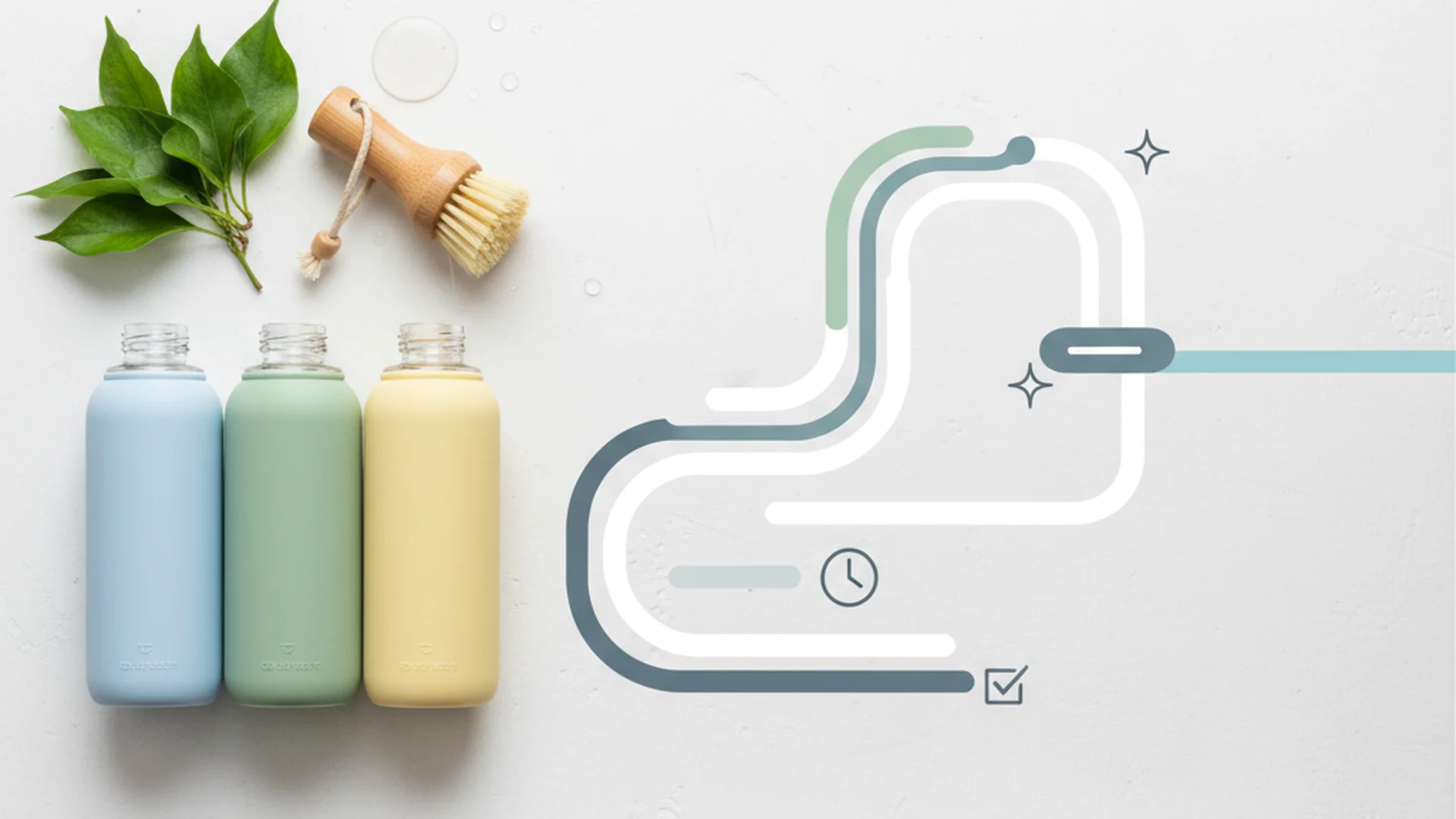
- The Fix: Decant your supplies into clear, uniform glass bottles with simple labels. This reduces the cognitive load of looking for what you need.
3. Over-Disinfecting
You don't always need harsh antibacterial sprays. For most daily messes, mild soap and water are sufficient. Over-using disinfectants introduces strong odors and can kill off the "good" bacteria in your home's ecosystem.
Frequently Asked Questions
What is the difference between "Fragrance-Free" and "Unscented"?
Are "Natural" cleaners always sensory-friendly?
How can I clean if the sound of a vacuum causes a meltdown?
Why does my skin hurt after cleaning?
Can cleaning be a "regulating" activity?
Conclusion
Creating a sensory-friendly home is about more than just picking the right bottle off the shelf; it’s about understanding your body’s unique needs and adapting your environment to support them. By choosing sensory friendly cleaners that are truly fragrance-free, utilizing quiet technology, and employing OT-backed "heavy work" strategies, you can transform cleaning from a source of dread into a manageable, and perhaps even calming, part of your routine.
Remember, the goal of cleaning is to create a space where you feel safe and comfortable. If the products you use to "clean" are making you feel sick or stressed, they aren't doing their job.
Success: Transitioning to a fragrance-free and low-noise cleaning routine can significantly reduce daily anxiety and sensory fatigue for the whole household.
Cleaning that keeps score
Every task earns points, every streak multiplies them, and Premium adds a household leaderboard plus a monthly Dustagorgon to beat.
- Free forever
- 30 badges to earn
- Up to 6 in a household
No card needed. Set up your rooms in a couple of minutes.