In this article
What you’ll learn
- Soap scum is a chemical reaction between hard water and fat-based bar soaps.
- Vinegar and dish soap are more effective than bleach for dissolving mineral bonds.
- Prevention through squeegeeing and hydrophobic coatings saves hours of deep cleaning.
You have spent an hour scrubbing the shower, yet as soon as the tiles dry, that familiar, milky-white haze returns. It is frustrating, unsightly, and seemingly invincible. Learning how to remove soap scum is a rite of passage for many homeowners, but most are fighting a losing battle because they don't understand the chemistry behind the "scum."
Soap scum isn't just dried-on soap residue; it is a chemical precipitate known as calcium or magnesium stearate. This occurs when the fatty acids in traditional bar soaps react with the mineral ions found in hard water. Considering that the vast majority of households in the United States have hard water, it is no wonder that this "concrete-like" substance is one of the most common complaints in bathroom maintenance.
In this guide, we will explore the most effective ways to dissolve these bonds, how to remove soap scum without bleach, and the cutting-edge trends of 2025–2026 that are changing the way we clean.
The Science Behind the Scum
To effectively remove soap scum, you must first understand your enemy. When water contains high levels of calcium carbonate—specifically between 121 to 180 mg/L—it is classified as "hard." In these environments, soap scum can begin to form on your shower glass and tiles after just a single use.
If left untreated, soap scum undergoes a process called "glassification." It hardens into a layer that is nearly as tough as the surface beneath it. Furthermore, it becomes a porous breeding ground for Serratia marcescens, the bacteria that creates that unappealing pink film.
Note: Soap scum is technically a "metallic soap." Because it is not water-soluble, simply rinsing the shower with water will never remove it.
The Best Way to Clean Scum (Without Harsh Chemicals)
Many people reach for bleach immediately, but this is a mistake. Bleach is a disinfectant; it is designed to kill germs, not to break down mineral deposits. If you want to know how to remove soap scum without bleach, the answer lies in acidity and surfactants.
The "Gold Standard" DIY Recipe
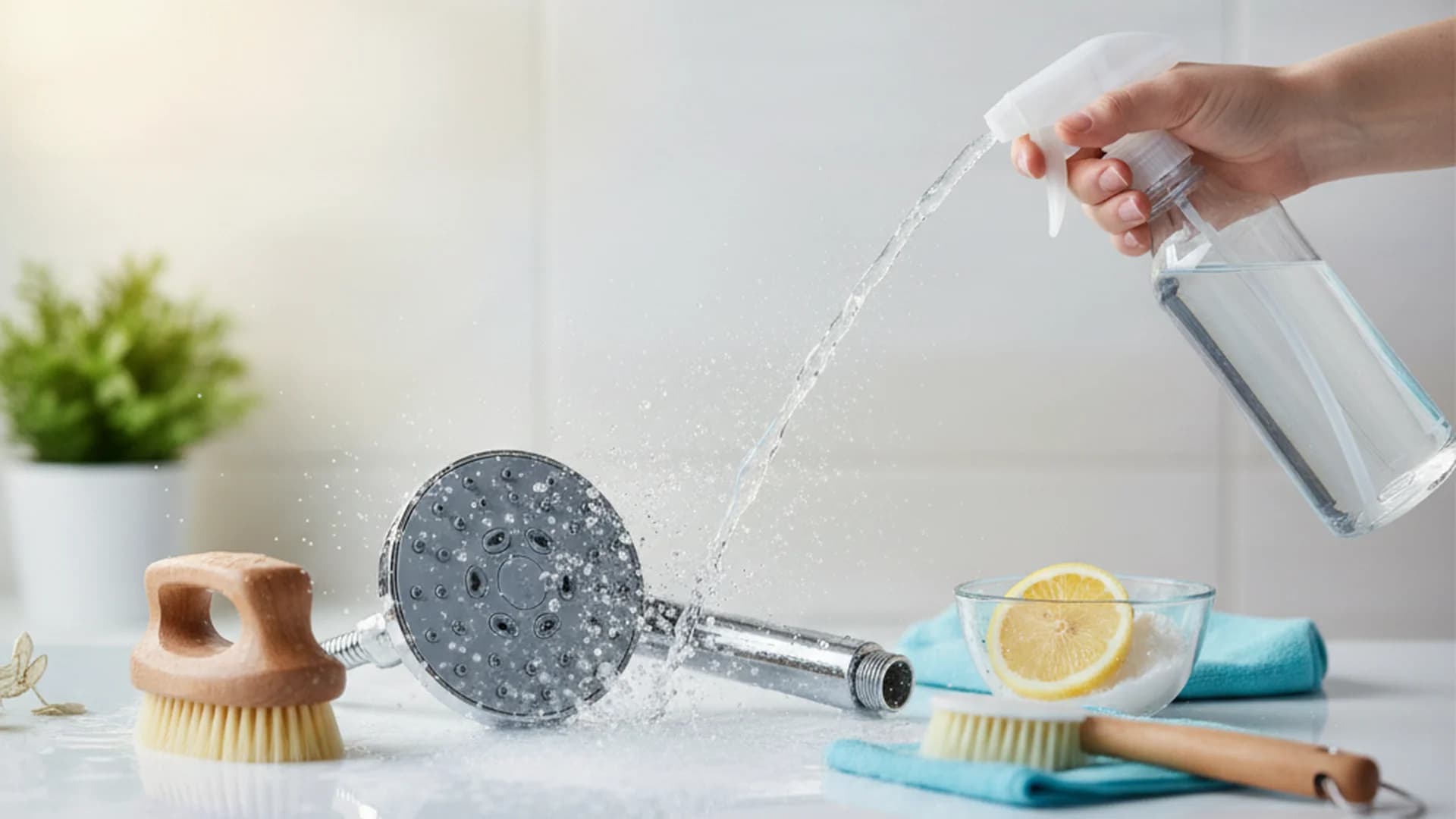
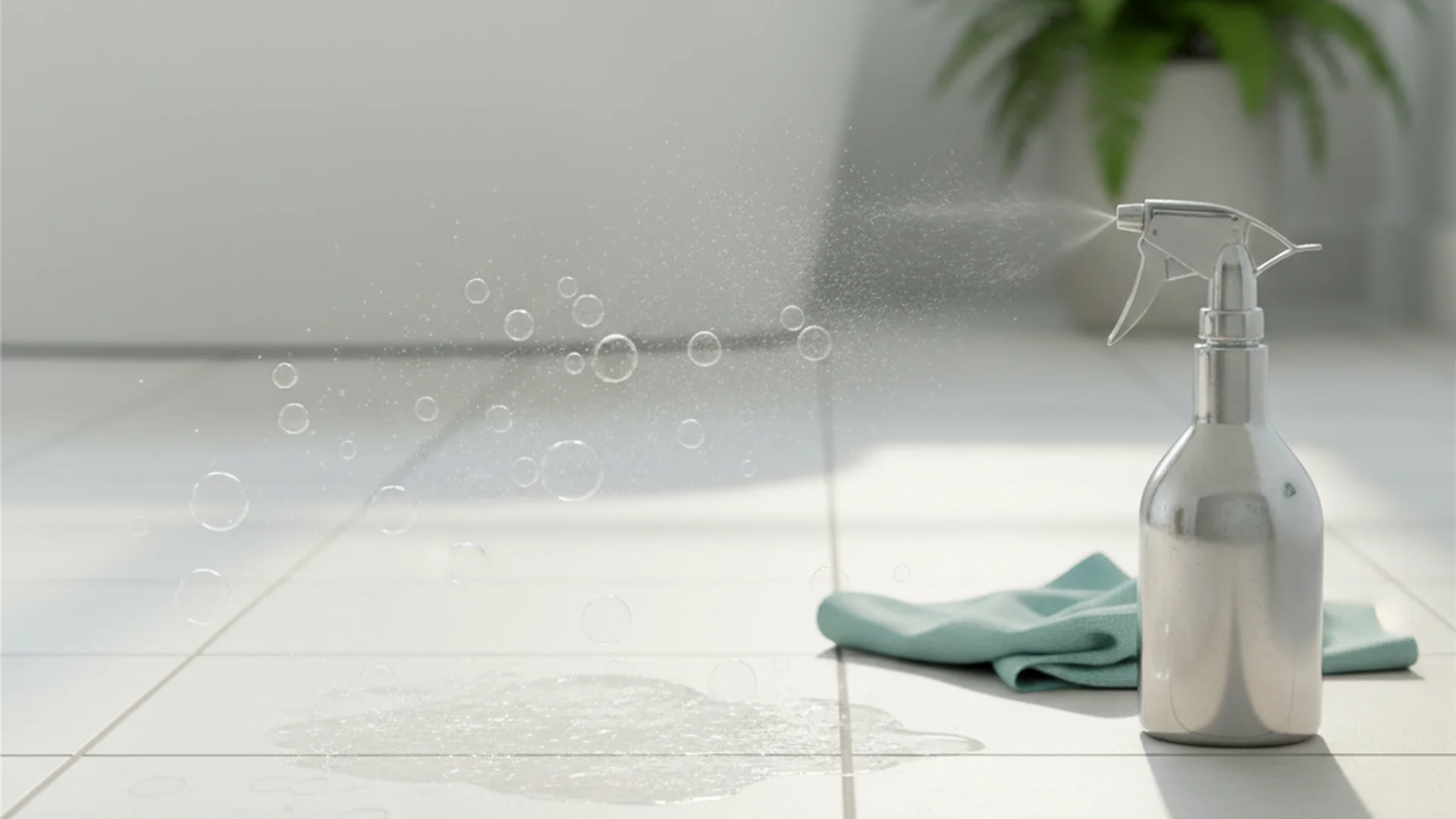
The most effective non-toxic method involves two household staples: distilled white vinegar and a high-quality grease-cutting dish soap (like Blue Dawn).
- Heat the Vinegar: Microwave 2 cups of white vinegar for 30 seconds. The heat increases the vinegar’s solvency, allowing it to break mineral bonds faster.
- Mix: Combine the warm vinegar with 2 cups of dish soap in a spray bottle. Shake gently to mix.
- Dwell Time: This is the most critical step. Spray the mixture liberally over the affected areas and let it sit for 15–30 minutes.
- Scrub and Rinse: Use a non-scratch scrub pad to lift the softened scum.
Tip: For heavy buildup on glass shower doors, use a wet pumice stone specifically designed for cleaning. Ensure the glass stays lubricated with your cleaning solution to avoid scratches.
Specialized Care for Different Surfaces
Not every surface in your bathroom can handle the same cleaning agents. Using the wrong product can lead to permanent damage.
Fiberglass and Acrylic Tubs
Fiberglass is prone to scratching. To clean these surfaces, create a paste using baking soda and water. The baking soda provides just enough gentle abrasion to lift the scum without ruining the gel coat of the tub.
Natural Stone (Marble, Travertine, Limestone)
Warning: Never use vinegar or any acidic cleaner on natural stone. The acid will etch the surface, leaving permanent dull spots.
For stone, use a pH-neutral stone cleaner and a soft microfiber cloth. If the scum is heavy, you may need a specialized stone soap and a lot of "elbow grease" with a soft-bristled brush.
Glass Shower Doors
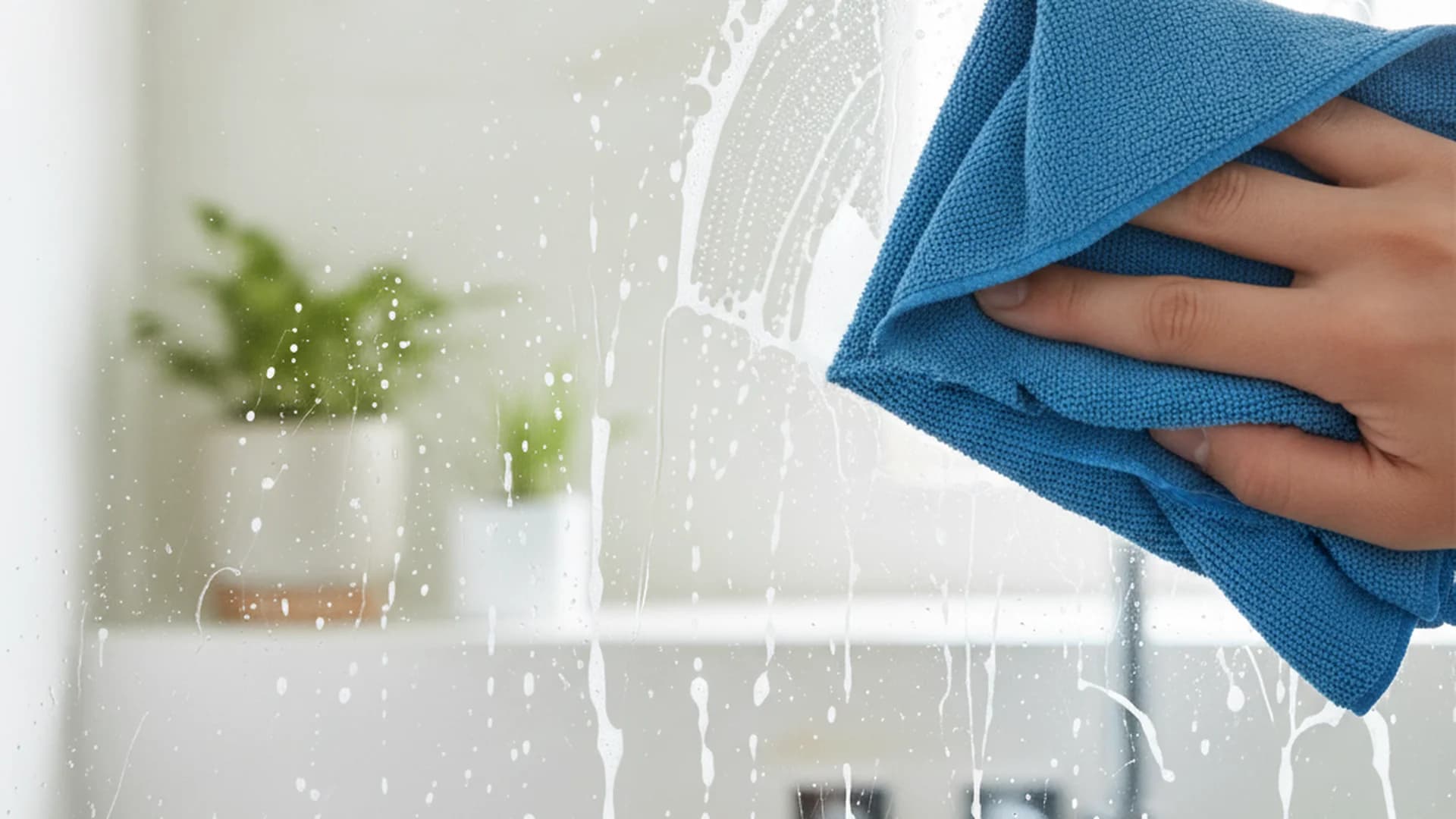
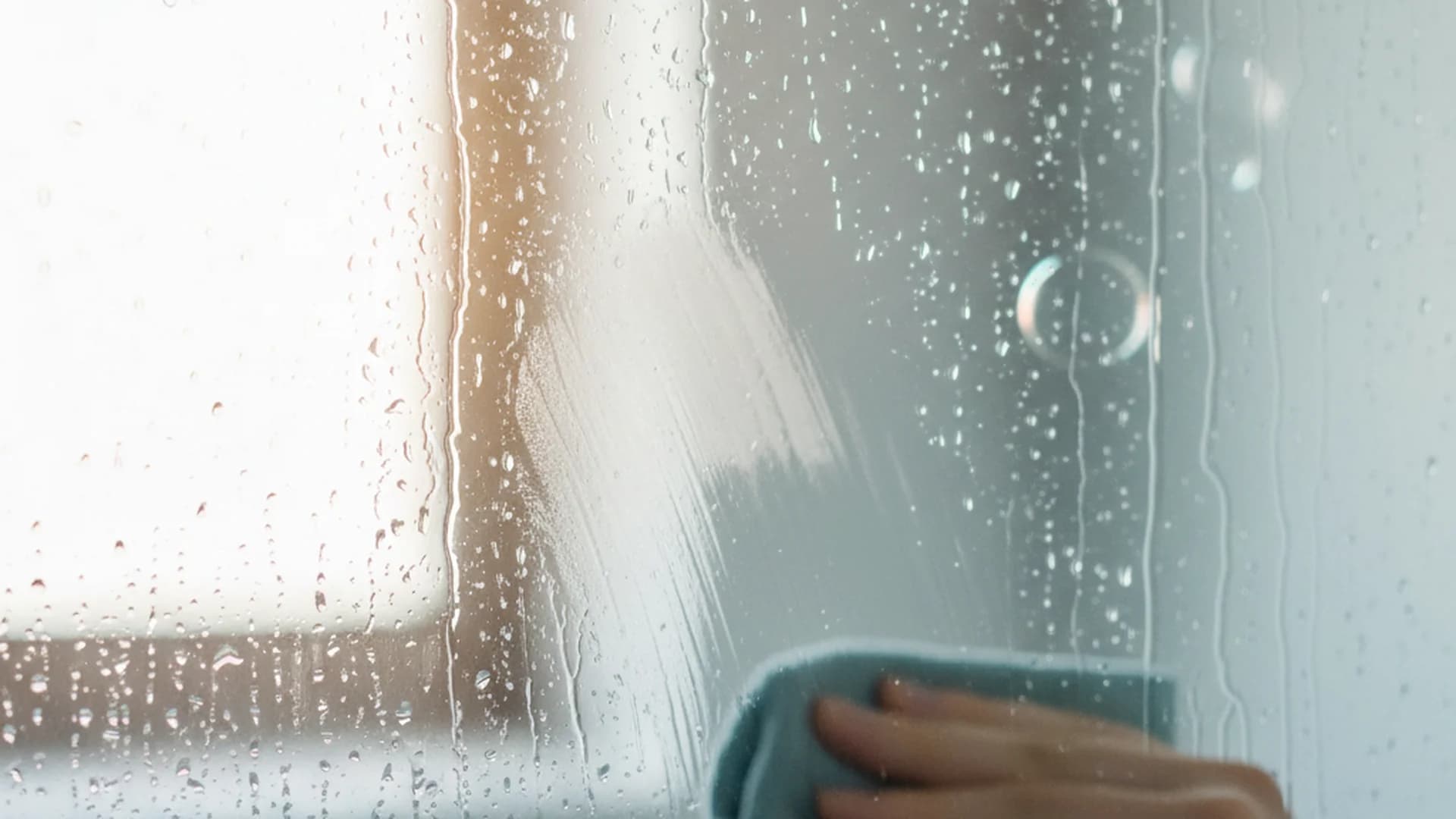
Glass is the most common place for "glassified" scum to appear. Aside from the vinegar method, enzymatic descalers are worth a look. These 2026-era formulas use specific enzymes to break the molecular bond of calcium stearate, allowing for a "no-scrub" experience.
| Surface Type | Recommended Cleaner | Tool |
|---|---|---|
| Glass | Vinegar + Dish Soap | Non-scratch pad |
| Fiberglass | Baking Soda Paste | Nylon brush |
| Natural Stone | pH-Neutral Cleaner | Microfiber cloth |
| Grout | Hydrogen Peroxide | Grout brush |
Real-World Examples of Scum Removal
- Case Study 1: The Phoenix Hard Water Battle. Sarah, a homeowner in Phoenix (a high hard-water area), struggled with "white-out" on her glass doors. By switching from bar soap to liquid body wash and applying a vinegar soak once a week, she cut her cleaning time dramatically.
- Case Study 2: The Marble Mistake. Mike used a standard "tub and tile" acidic cleaner on his new marble shower. Within minutes, the stone was etched. He had to hire a professional stone restorer to polish out the damage. Success was only found later by switching to a daily stone-safe squeegee routine.
- Case Study 3: The Rental Refresh. Jessica moved into an apartment with years of built-up scum on a fiberglass tub. She used the baking soda paste method combined with a "drill brush" attachment to safely power through the layers without damaging the tub.
2025–2026 Trends: The Future of Bathroom Maintenance
Cleaning technology has evolved significantly. We are moving away from reactive scrubbing and toward proactive, biological solutions.
Probiotic Surface Cleaners
A major shift in 2025 is the rise of probiotic cleaning technology. These cleaners leave behind "good bacteria" that continue to consume organic matter—like body oils and soap residue—for up to three days after you finish wiping. This prevents the scum from ever getting a foothold.
Hydrophobic Coatings
Borrowed from the automotive industry, homeowners are now applying after-market glass sealants to their shower doors. This creates a "lotus effect," where water beads up and rolls off, carrying soap residue with it before it can bond to the glass.
AI-Integrated Cleaning
Smart home systems can now track your local municipality’s water hardness data. Apps like "CleanHome AI" now send alerts to your phone when it is time for a "preventive descaling," based on your actual water usage and mineral content.
Common Mistakes to Avoid
Even the most well-intentioned cleaner can make mistakes that lead to more work—or even danger.
- The Bleach and Vinegar Danger: Never mix these two. Combining them creates toxic chlorine gas, which can be fatal in enclosed spaces like a bathroom.
- Scrubbing Dry Surfaces: Attempting to scrub soap scum while it is dry is ineffective and causes microscopic scratches. Always use a "dwell time" with a liquid agent first.
- Using Steel Wool on Acrylic: While it might seem like it’s working, steel wool creates tiny grooves that actually make it easier for future soap scum to "anchor" itself.
- Ignoring the Squeegee: This is the biggest mistake of all. A 30-second squeegee after every shower can reduce soap scum buildup by up to 90%.
Warning: Always ensure the bathroom is well-ventilated when using any cleaning agents, even "natural" ones like vinegar.
Frequently Asked Questions
Does bleach remove soap scum?
Why does my shower get a "pink" film?
Is liquid soap better than bar soap for preventing scum?
Can I use vinegar on all shower surfaces?
Conclusion
Understanding how to remove soap scum is less about brute force and more about using the right chemistry. By utilizing the vinegar and dish soap "dwell" method, avoiding the common pitfalls of bleach, and embracing new 2026 technologies like hydrophobic coatings, you can maintain a sparkling bathroom with minimal effort.
The secret to a scum-free life isn't a magical product; it's the combination of the right tools for your specific surface and the consistency of a 30-second post-shower squeegee.
Success: By switching to liquid soap and using a squeegee daily, most households can eliminate the need for heavy scrubbing entirely.
Cleaning that keeps score
Every task earns points, every streak multiplies them, and Premium adds a household leaderboard plus a monthly Dustagorgon to beat.
- Free forever
- 30 badges to earn
- Up to 6 in a household
No card needed. Set up your rooms in a couple of minutes.