In this article
What you’ll learn
- Acting within the 15-minute 'Golden Window' increases removal success by 70%.
- Always blot—never rub—to prevent the stain from setting into fibers.
- A 2:1 mixture of hydrogen peroxide and blue dish soap is the gold standard for DIY removal.
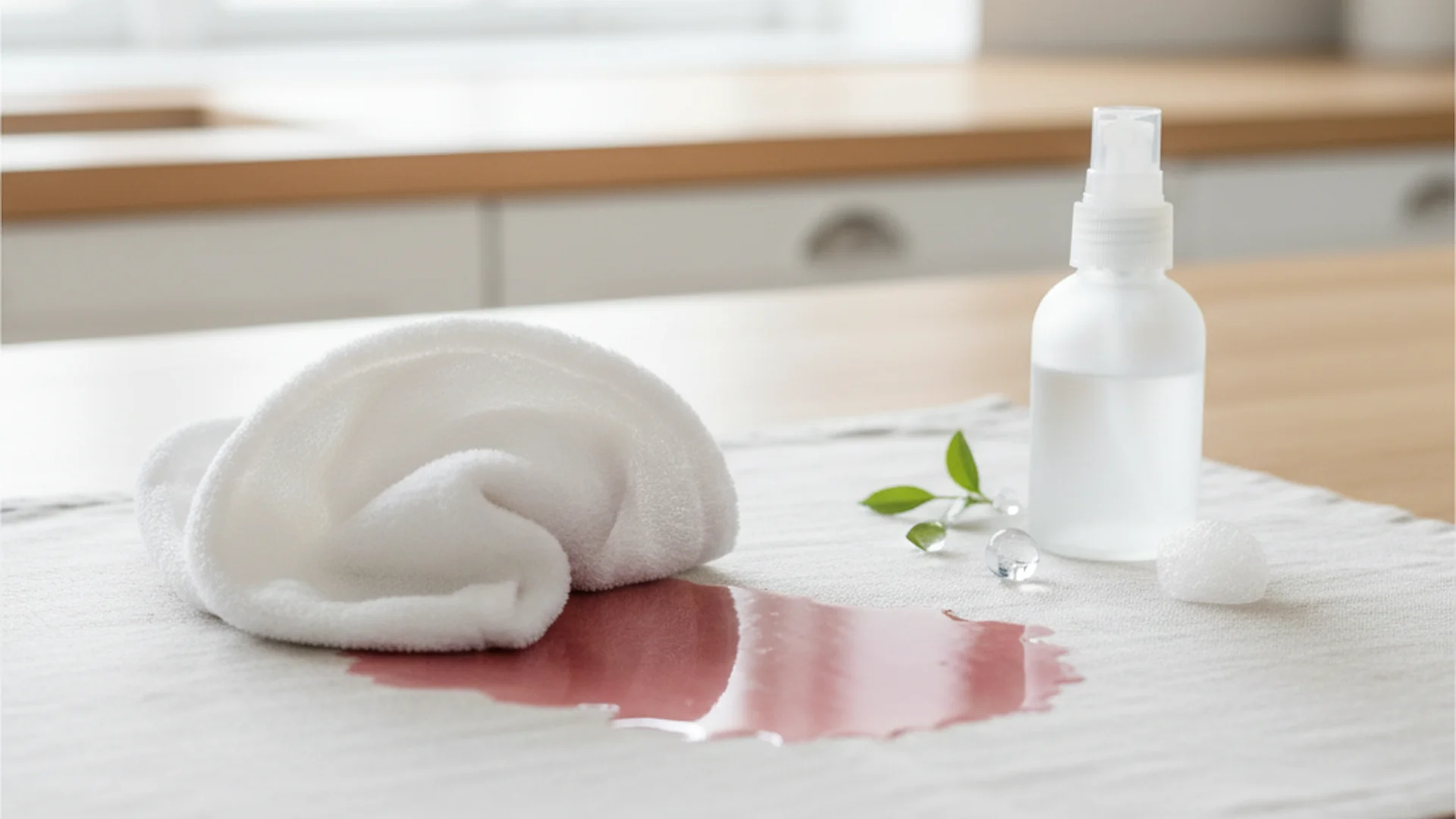
It is the classic "party foul." You are enjoying a dinner party or a quiet evening at home when a glass of Cabernet or Merlot tips over, sending a deep crimson wave across your white linen tablecloth or cream-colored rug. In that moment, panic usually sets in. However, knowing how to remove red wine stains effectively can save your favorite fabrics and furniture from a permanent fate.
Red wine is notoriously difficult to clean because it is essentially a natural dye. To successfully tackle these spills, you need to understand the chemistry at play and act with precision. Whether you are dealing with a fresh spill or a dried-overnight disaster, this guide provides the most up-to-date, 2025-ready solutions for restoring your home.
The Science of the Stain: Why Red Wine Sticks
To understand how to remove red wine stains, we first have to look at what makes them so stubborn. Red wine contains two primary "chemical culprits": anthocyanins and tannins.
Anthocyanins are the pigments found in grape skins that give the wine its color. These molecules are highly attracted to natural and synthetic fibers. Tannins, on the other hand, are organic compounds that act as a mordant—a substance used to set dyes. When red wine hits a fabric, the tannins immediately begin binding the anthocyanins to the fibers.
If you add heat to the mix (like using hot water or a dryer), these compounds undergo a permanent chemical bond.
The "Golden Window": Immediate Action Steps
Expert consensus remains that treatment within the first 15 minutes of a spill increases the success rate of total removal by over 70%. If you catch the spill immediately, follow these steps:
1. Blot, Don't Rub
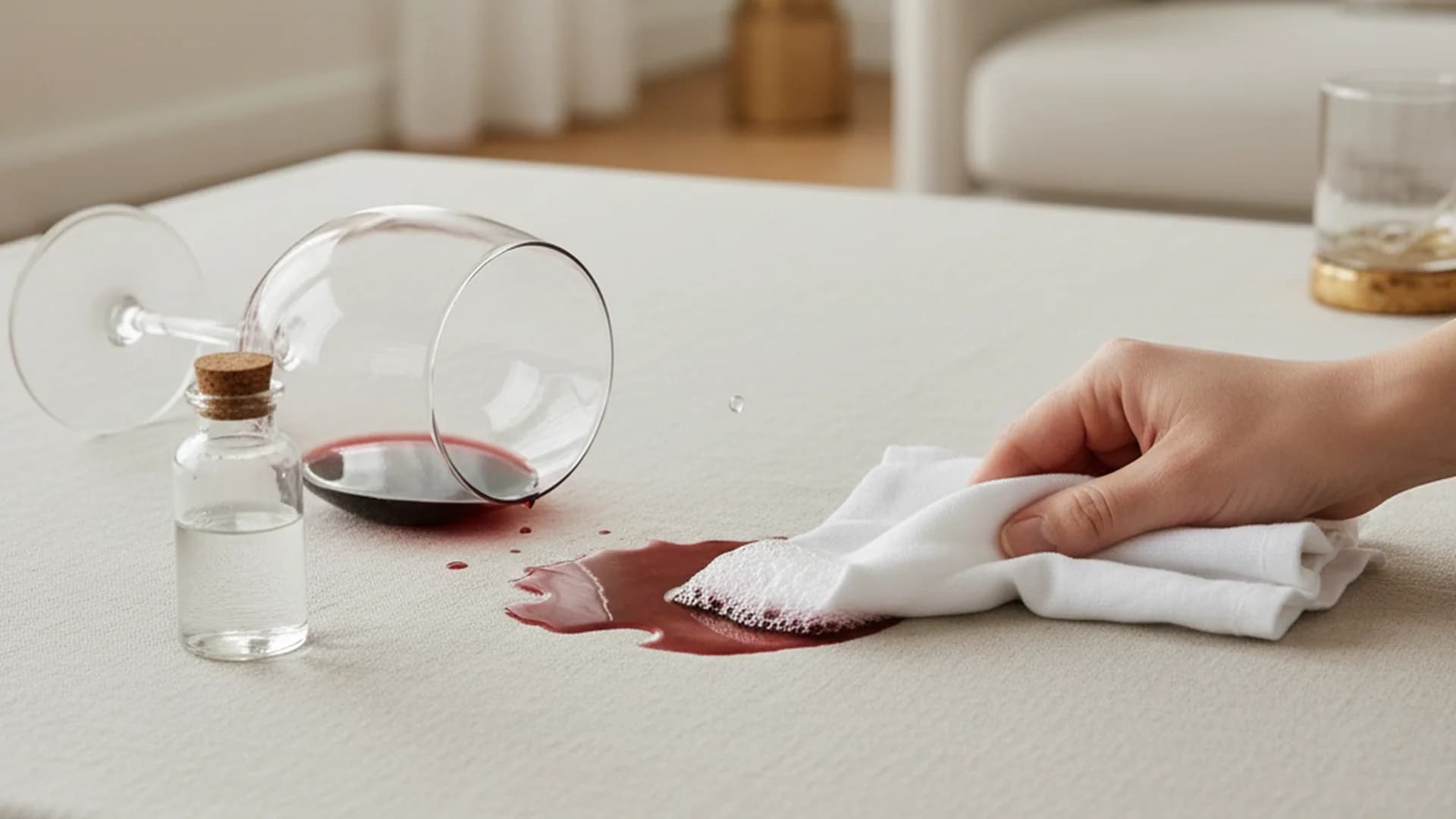
This is the cardinal rule of stain removal. Rubbing a liquid stain spreads the pigments horizontally and forces them deeper into the carpet backing or the weave of the fabric. Use a clean, white paper towel or cloth to gently press down on the spill, absorbing as much liquid as possible.
2. Dilute with Cold Water
Once you have blotted up the excess, apply a small amount of cold water to the area. This helps keep the pigments from drying out and "setting."
Warning: Never use hot water during the initial stages of a red wine spill. Heat acts as a catalyst that "cooks" the proteins and tannins into the fabric, making the stain permanent.
3. Apply an Absorbent
If you cannot treat the stain with a cleaner immediately, applying an absorbent like baking soda or talcum powder can help "wick" the moisture upward.
How to Remove Red Wine Stains from Fabric
When you need to remove red wine stains from fabric—such as a favorite cotton shirt or a linen tablecloth—the approach involves breaking down the organic chains.
The Hydrogen Peroxide and Soap Method
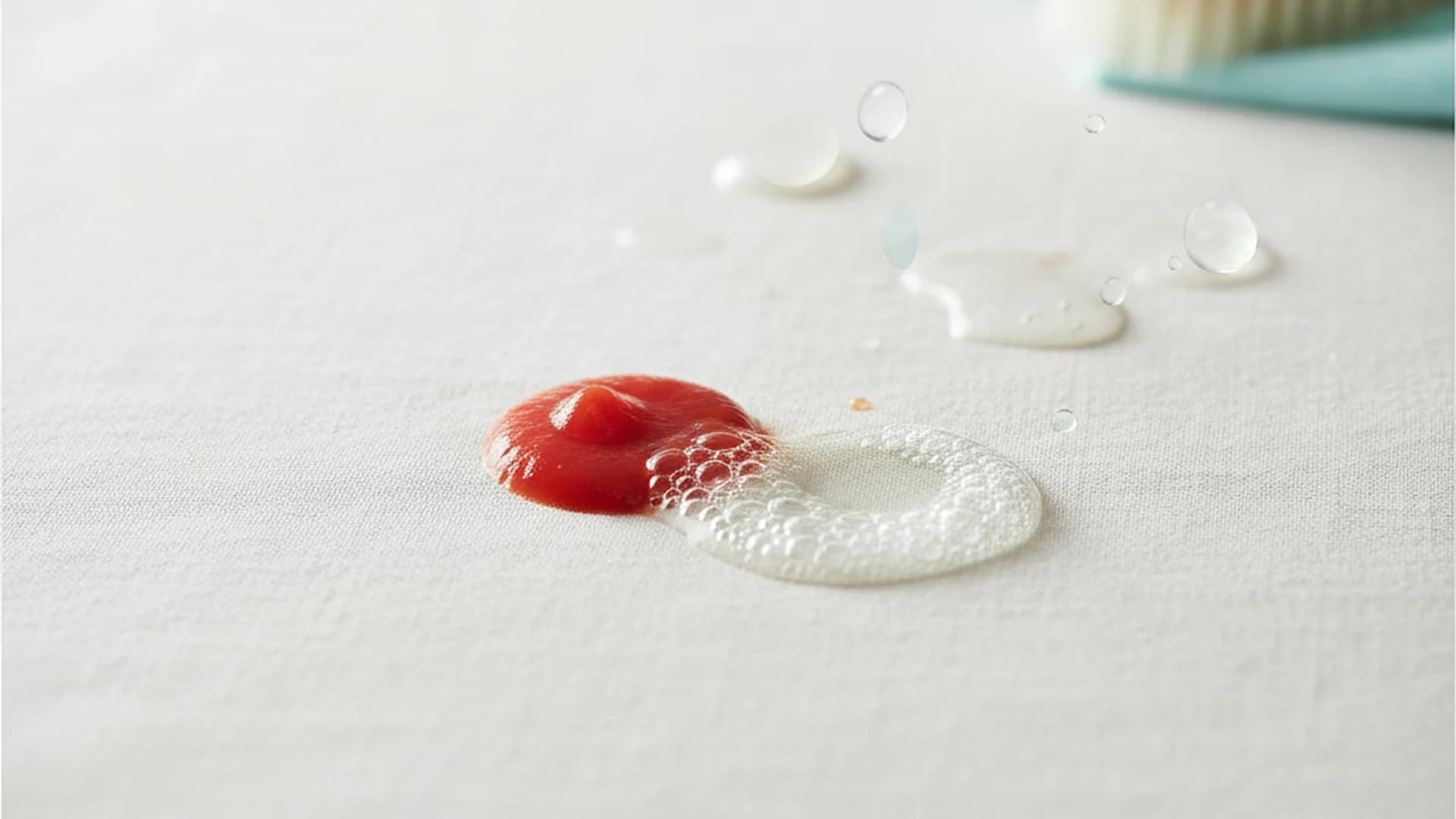
The industry "gold standard" for light-colored fabrics is a 2:1 mixture of Hydrogen Peroxide and Blue Dish Soap.
- Mix two parts hydrogen peroxide with one part liquid dish soap (like Dawn).
- Apply the mixture to the stain.
- Let it sit for 20 to 60 minutes.
- Blot away with a damp cloth and then launder as usual in cold water.
Note: Hydrogen peroxide is a mild bleaching agent. Always perform a spot test on an inconspicuous area of colored fabric before applying it to the center of the garment.
Using Enzyme-Based Detergents
As of 2025, modern laundry technology has shifted toward bio-active cleaners. Look for detergents containing proteases and lipases. These enzymes are designed to "eat" organic materials like the tannins found in wine.
Real-World Example: Imagine you are at a wedding and spill Pinot Noir on your silk tie. Because silk is a protein-based fiber, you cannot use harsh chemicals. In this case, a specialized enzyme soak designed for delicates is the only way to safely lift the pigment without dissolving the fabric itself.
How to Remove Red Wine Stains from Carpet
To remove red wine stains from carpet, you must be careful about "wicking." This is when the stain travels down to the carpet pad, only to reappear on the surface days later as it dries.
The Outside-In Technique
When cleaning a carpet, always work from the outside of the stain toward the center. This prevents the liquid from spreading and creating a "halo" effect.
The 2026 Bio-Enzymatic Approach
Recent trends in 2026 formulations focus on microbial cleaners. These products contain live cultures that continue to break down the wine molecules even after the carpet appears dry. This is the most effective way to prevent the "reappearing stain" phenomenon.
| Method | Best For | Pros | Cons |
|---|---|---|---|
| Club Soda | Immediate spills | Cheap, accessible | Low cleaning power |
| Peroxide/Soap | Light carpets | Extremely effective | Can bleach dark fibers |
| Enzyme Spray | Old/set stains | Professional results | Takes time to work |
| Vinegar/Salt | Eco-friendly | Natural | Can be slow; smell |
Tip: If you are using a commercial carpet cleaner, look for products with "Sustainable Chemistry" certifications, which are preferred by over 65% of consumers in 2025.
Technology Corner: The Future of Stain Removal
The years 2025 and 2026 have brought remarkable advancements in how we handle home accidents.
- Ultrasonic Stain Pens: These handheld devices use high-frequency vibrations to "shake" wine molecules out of fabric fibers without any scrubbing required.
- AI-Enhanced Laundry: Modern washing machines now feature optical sensors that detect the specific red-pigment spectrum of wine. They automatically adjust the water temperature to cold and trigger a specialized enzyme soak cycle.
- Nanotech Coatings: Many new home textiles now come with silica-based nano-coatings. These cause red wine to bead on the surface like water on a waxed car, allowing you to simply wipe the spill away.
Common Mistakes to Avoid
Even with the best intentions, many people accidentally make their stains worse. Avoid these common pitfalls:
- Using a Hairdryer: People often try to dry the spot quickly to see if the stain is gone. The intense heat from a dryer sets the tannins permanently into the fiber.
- The "Salt Myth": While salt is a popular DIY suggestion, experts warn it can act as a catalyst that "sets" the stain. It should only be used as a last resort if no water or soap is available.
- Over-Saturating: Using too much water on a carpet can lead to mold or "browning" in the carpet pad.
- White Wine Fallacy: A common old wives' tale suggests pouring white wine on red wine. While this dilutes the color, white wine contains its own sugars that leave a sticky residue, creating a secondary mess.
Success: By avoiding heat and sticking to the "Blot, Don't Rub" rule, you increase your chances of saving your item by nearly 80%.
Frequently Asked Questions
Does white wine remove red wine stains?
Is salt the best first response?
Can I save a garment that has already been through the dryer?
Why did my red wine stain turn blue or gray?
Are ultrasonic pens worth it for wine stains?
Conclusion
Red wine spills don't have to mean the end of your favorite rug or dress. By understanding the chemistry of tannins and acting within the 15-minute "Golden Window," you can successfully remove red wine stains from almost any surface. Remember the golden rules: blot, don't rub; use cold water, never hot; and lean on modern enzyme-based cleaners for the best results.
With the advancements in AI-laundry tech and bio-enzymatic cleaners available in 2025 and 2026, we have more tools than ever to keep our homes spotless.
Cleaning that keeps score
Every task earns points, every streak multiplies them, and Premium adds a household leaderboard plus a monthly Dustagorgon to beat.
- Free forever
- 30 badges to earn
- Up to 6 in a household
No card needed. Set up your rooms in a couple of minutes.