In this article
What you’ll learn
- Act quickly by blotting and using absorbents like baking soda.
- Use grease-cutting dish soap to break down hydrophobic lipid bonds.
- Never tumble dry a garment until you are certain the stain is gone.
We have all been there: a stray drop of salad dressing at lunch, a splash of olive oil while sautéing dinner, or a smudge of bicycle grease on your favorite pair of chinos. Knowing how to remove grease stains clothes owners often struggle with is one of the most essential skills in home maintenance. Unlike mud or juice, grease and oil are "hydrophobic" (water-repelling) lipids. This means that a standard cycle in the washing machine often isn't enough to break the bond between the oil and the fabric fibers.
As we move into 2025 and 2026, the focus has shifted toward more sustainable, high-efficiency methods that save both your wardrobe and the planet. In this guide, we will explore the science of surfactants, the power of bio-enzymatic cleaners, and the step-by-step methods to rescue your garments from even the most stubborn oil spots.
The Science of Grease: Why It Sticks
To effectively remove grease stains, you first need to understand what you are fighting. Grease and oil are lipids, which means they do not dissolve in water. When grease hits a fabric—especially synthetic fabrics like polyester—it clings tightly to the fibers. Synthetic fibers are "lipophilic," meaning they have a natural affinity for oil. This is why your gym gear often retains "mystery spots" even after a heavy wash.
To break this bond, you need a surfactant. A surfactant molecule has a dual nature: a water-soluble head and an oil-soluble tail. The tail attaches to the grease, and the head attaches to the water, allowing the oil to be lifted off the fabric and rinsed away.
Note: Modern high-efficiency (HE) washers can save up to 60% of water usage, but this means they have less "rinsing power" for heavy oils. Pre-treating is more important now than ever before.
Step-by-Step: How to Remove Grease Stains from Fabric
Whether you are dealing with a fresh spill or a set-in mark, follow this layered approach recommended by cleaning professionals.
Step 1: Blot, Don't Rub
As soon as the spill happens, grab a clean paper towel. Blot the area firmly to lift any excess liquid oil.
Warning: Never rub a fresh grease stain. Rubbing pushes the oil deeper into the microscopic pores of the fabric, making it significantly harder to extract later.
Step 2: Apply an Absorbent
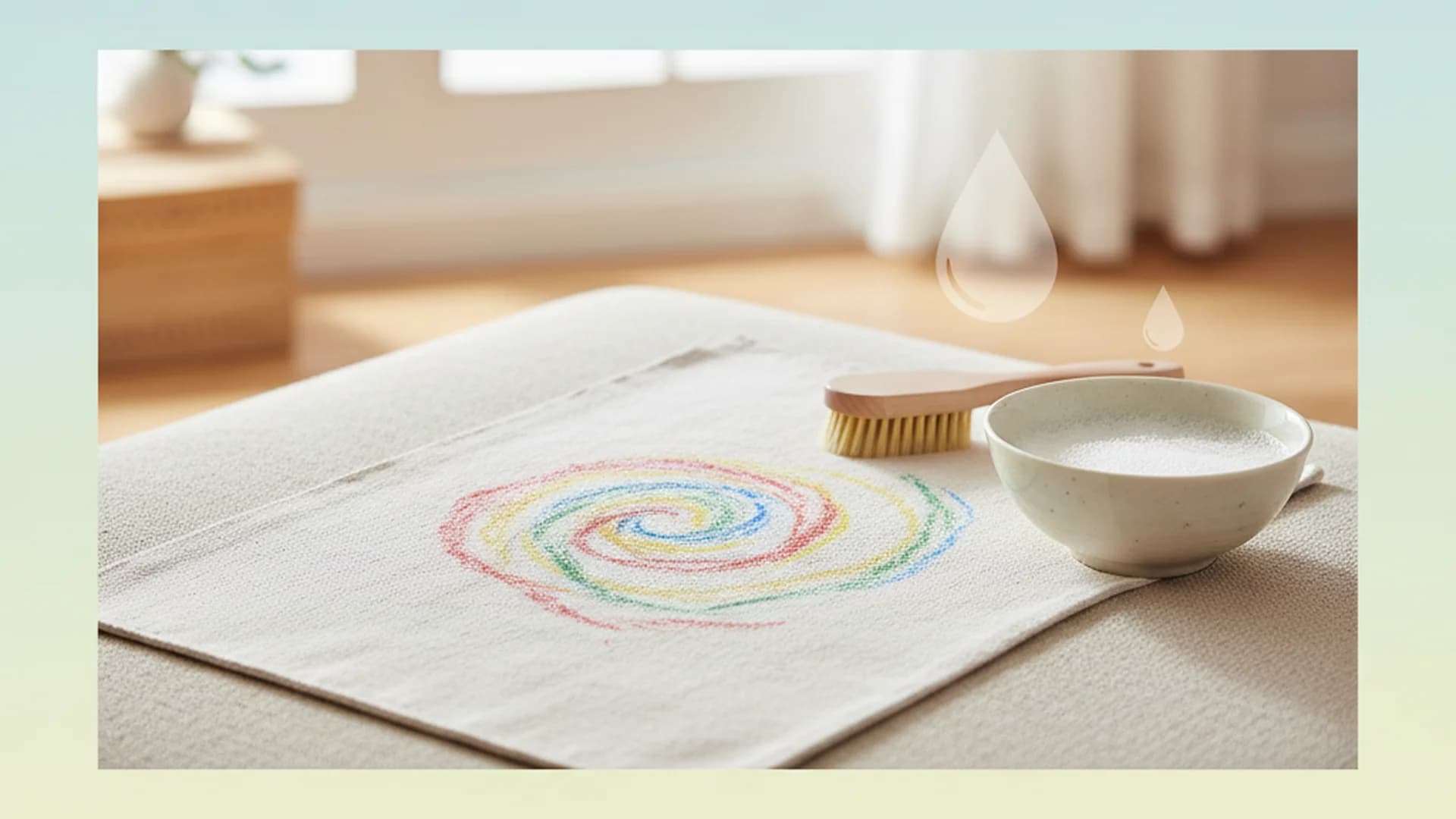
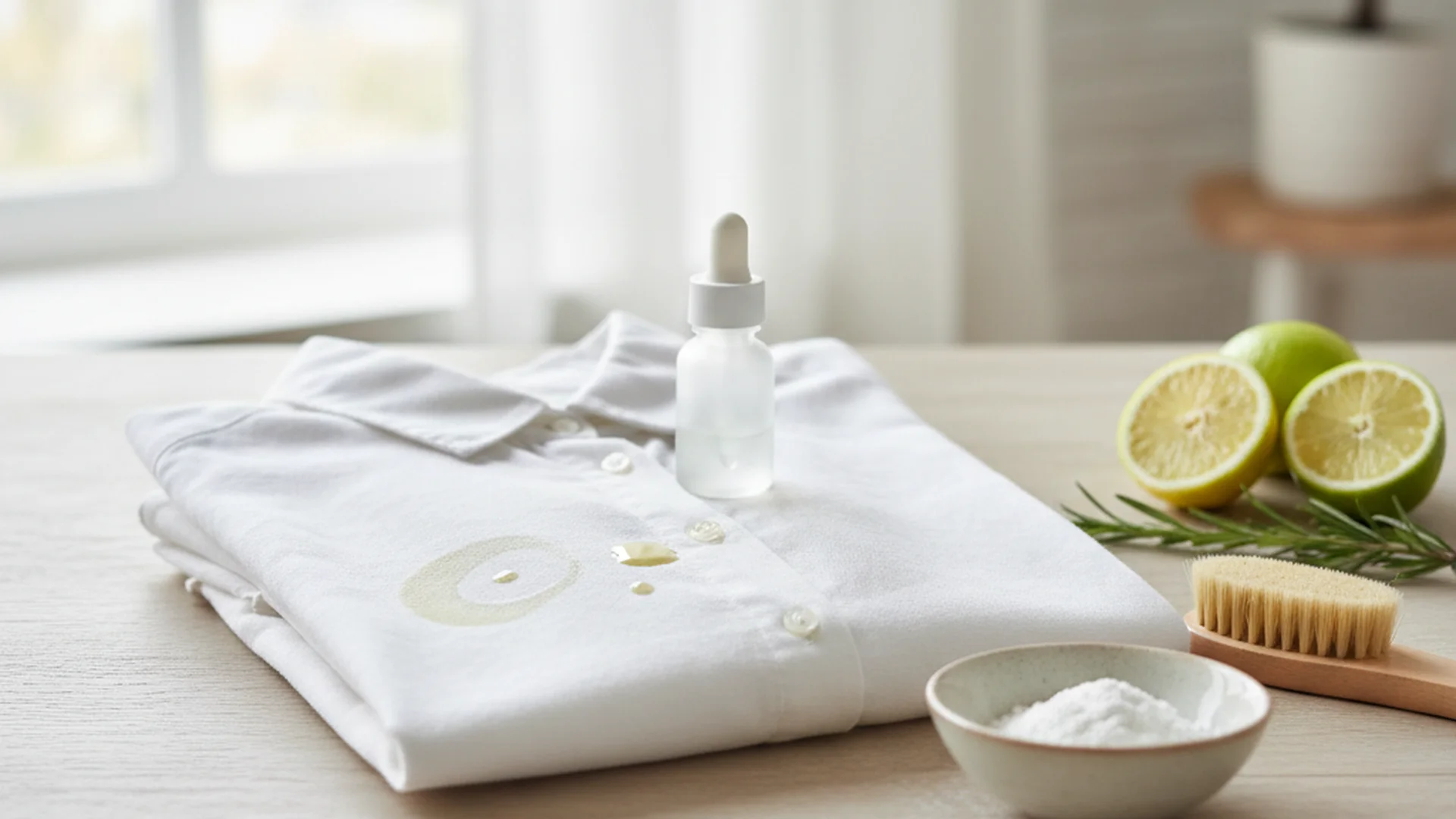
Before introducing water, use a dry powder to "pull" the oil out. Sprinkle a generous amount of baking soda, cornstarch, or talcum powder onto the spot. Let it sit for 15 to 60 minutes. You will notice the powder starting to clump as it absorbs the lipids. Brush it off gently before moving to the next step.
Step 3: The Dish Soap Method
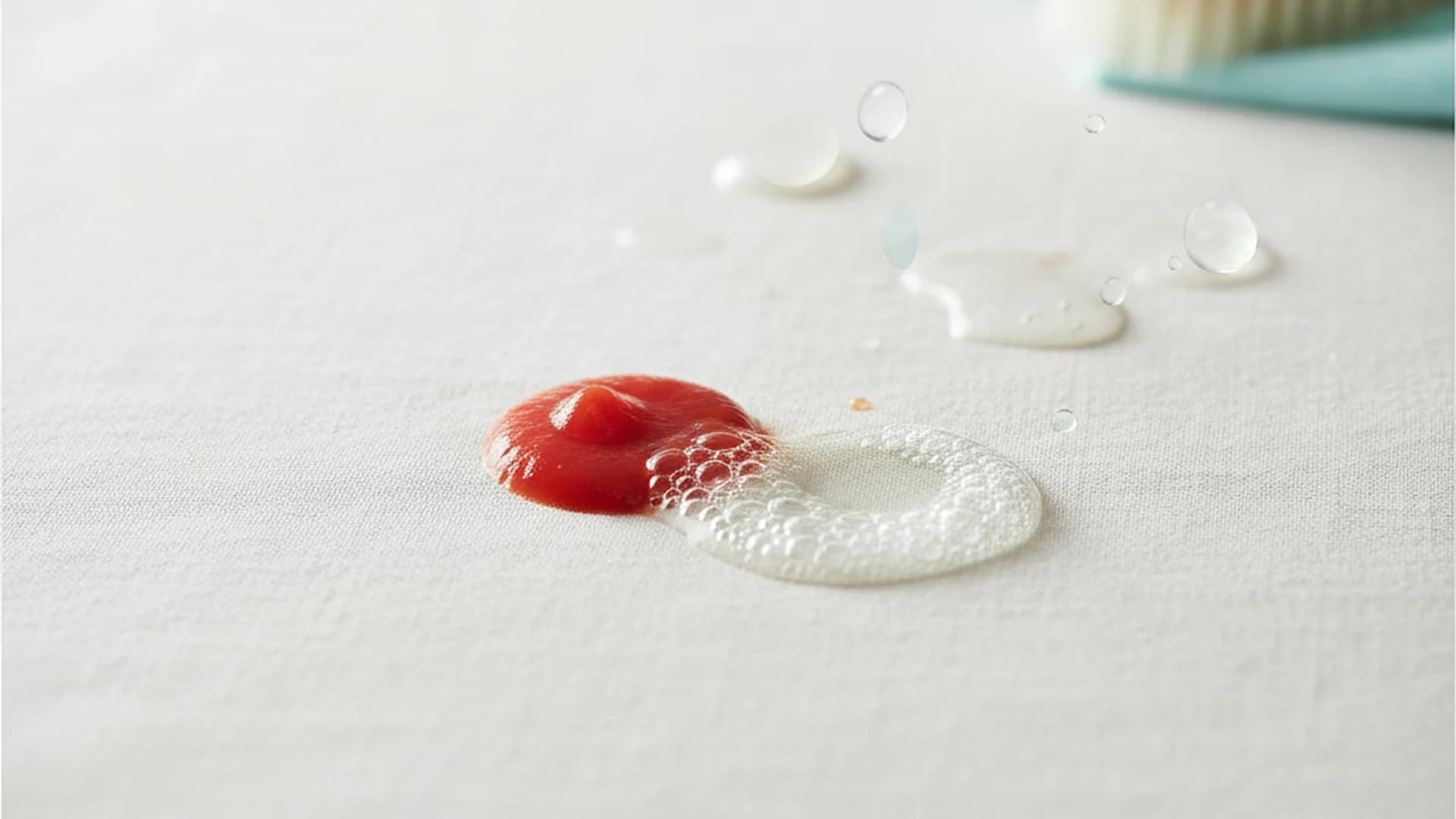
Apply a concentrated, grease-cutting dish soap (such as Dawn) directly to the area. Use a soft-bristled toothbrush to massage the soap into the fibers using circular motions. This allows the surfactants to penetrate the stain.
Tip: Apply the cleaning agent to the underside of the fabric. This pushes the grease back out the way it came in, rather than driving it further through the cloth.
Step 4: Temperature Matters
Check your garment’s care label. You want to use the hottest water safe for that specific fabric. Hot water helps melt semi-solid fats, making them easier for the soap to carry away.
Step 5: The Air Dry Rule
This is the most critical step. After washing, do not put the item in the dryer. Instead, let it air dry. Once dry, inspect the area under bright light. If any hint of the stain remains, repeat the process.
Success: By air-drying, you avoid "setting" the stain with the high heat of the dryer, which can make oil spots permanent.
Special Cases: Carpets and Upholstery
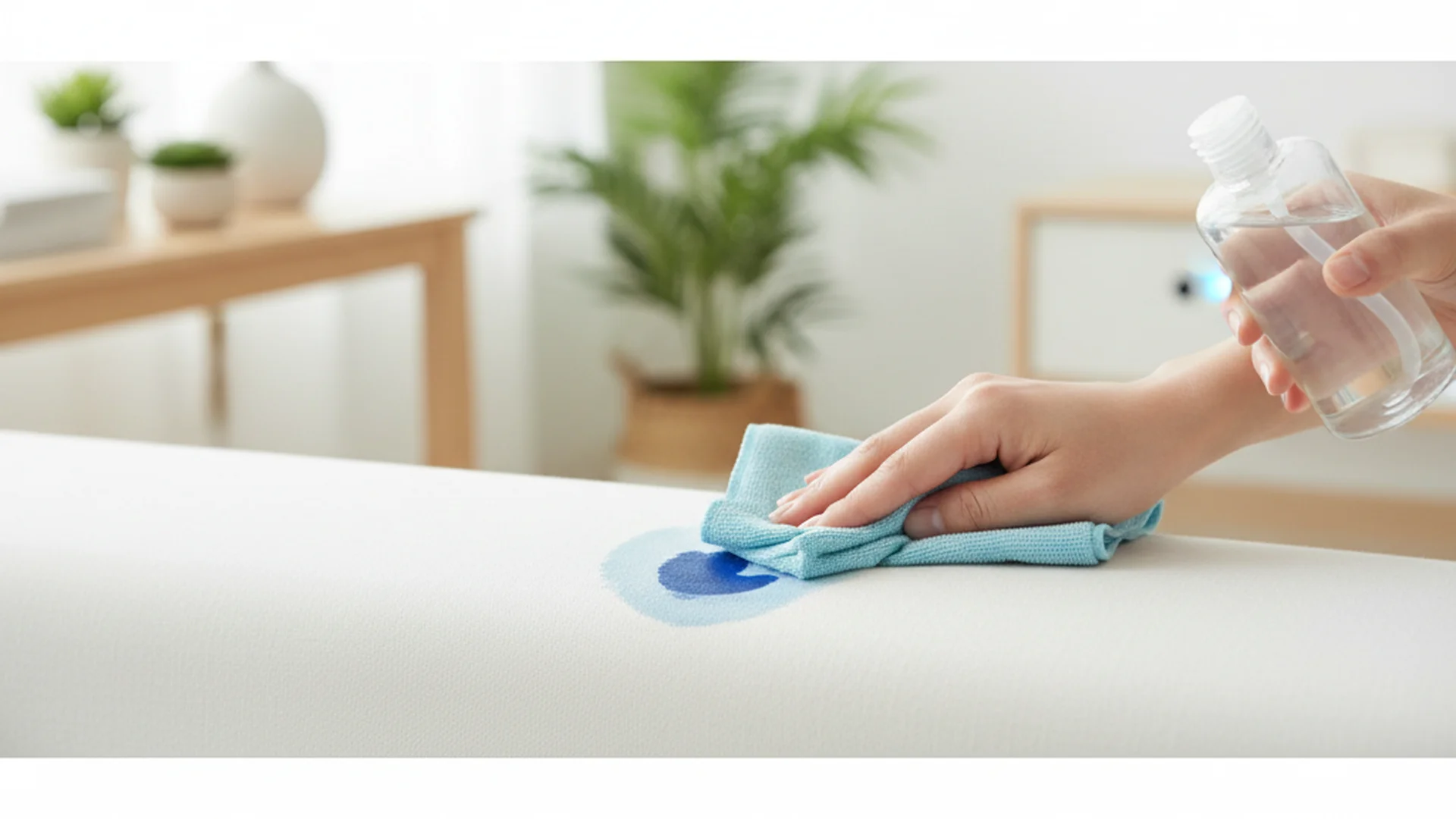
Sometimes the mess isn't on your shirt; it’s on your floor. If you need to remove grease stains clothes from carpet or upholstery, the process changes slightly because you cannot throw a carpet in the washing machine.
- Blot immediately: Use a clean cloth to soak up as much oil as possible.
- Apply Baking Soda: Cover the spot and let it sit for at least 30 minutes to draw the oil upward. Vacuum thoroughly.
- Spot Treat: Mix one tablespoon of dish soap with two cups of warm water. Using a white cloth, sponge the stain with the detergent solution and blot until the liquid is absorbed.
- Rinse: Sponge with plain cold water and blot dry to remove soap residue.
| Surface Type | Primary Method | Waiting Time |
|---|---|---|
| Cotton Shirt | Dish Soap + Hot Wash | 15 min |
| Polyester Gym Wear | Bio-Enzymatic Pre-soak | 30 min |
| Wool Sweater | Absorbent Powder Only | 1 hr |
| Area Rug | Dish Soap + Blotting | 20 min |
2025–2026 Trends in Stain Removal
The world of cleaning is evolving. As we move through 2025, several new trends are changing how we handle laundry:
- Bio-Enzymatic Cleaners: There is a massive shift toward "Lipase" enzyme technology. These are biological catalysts that specifically target and "eat" fat molecules.
- The Pantry Revolution: Many homeowners are moving away from complex chemical sprays in favor of concentrated white vinegar and baking soda solutions due to environmental concerns.
- Cold-Water Innovation: New detergent formulas released in late 2024 and 2025 are engineered to break down lipids in cold water, saving energy while protecting delicate fabrics.
- Waterless Pre-treatment: Portable, air-powered stain pens are becoming popular for on-the-go grease management, preventing the oil from setting before you get home.
Common Mistakes to Avoid
Even with the best intentions, it is easy to make a mistake that turns a temporary spot into a permanent blemish.
- The "Hot Water First" Mistake: While hot water is good for melting grease, applying it immediately to a fresh stain on synthetic fabric can sometimes "cook" the oil into the plastic-based fibers. Always blot and use an absorbent first.
- Using Too Much Soap: In high-efficiency (HE) washers, excessive dish soap for pre-treating can cause "oversudsing." This prevents the machine from agitating properly, leaving your clothes dirtier than when they started.
- Hairspray Myth: While people used to recommend hairspray, modern formulas contain significantly less alcohol than they did in the 1990s, making them ineffective as solvents today.
- Giving Up Too Early: Many people throw away clothes with "baked-in" stains. In reality, a 24-hour baking soda soak or a specialized degreaser can often revive even old garments.
Real-World Examples
Example 1: The Pizza Disaster A slice of pepperoni pizza falls face-down on a polyester blend polo. Because polyester is lipophilic, the user immediately applied cornstarch to pull the oil out, followed by a Dawn dish soap scrub. The shirt was saved because they avoided the dryer.
Example 2: The Mechanic's Jeans Heavy motor grease on denim. For this, a standard wash isn't enough. The user used a "waterless" mechanic's hand cleaner as a pre-treatment, which contains high concentrations of surfactants designed specifically for industrial oils.
Example 3: The Living Room Carpet A buttered popcorn bowl tipped over on a white rug. By following the "remove grease stains clothes from carpet" method—blotting, baking soda, and a mild dish soap solution—the homeowner prevented a permanent yellow shadow.
Frequently Asked Questions
Can you remove grease stains after they’ve been through the dryer?
Should I use hot or cold water for oil?
Why do grease-looking spots appear after washing?
Does vinegar work on grease?
Conclusion
Learning how to remove grease stains clothes and other fabrics doesn't have to be a source of stress. By understanding the hydrophobic nature of oil and using the right surfactants, you can save your wardrobe from the landfill. Remember the golden rules: blot immediately, use an absorbent, and never, ever put a stained item in the dryer.
With the rise of bio-enzymatic cleaners and more efficient cold-water detergents in 2025, keeping your clothes spotless is becoming easier and more eco-friendly than ever.
Success: Following these professional steps will extend the life of your clothes and keep them looking brand new for years to come.
Cleaning that keeps score
Every task earns points, every streak multiplies them, and Premium adds a household leaderboard plus a monthly Dustagorgon to beat.
- Free forever
- 30 badges to earn
- Up to 6 in a household
No card needed. Set up your rooms in a couple of minutes.