In this article
What you’ll learn
- Act within the first five minutes to remove up to 80% of the stain.
- Always use cold water initially to prevent setting the tannins.
- Blot from the outside in to prevent the stain from spreading.
It is the universal "oh no" moment. You are reaching for your phone or rushing to a meeting, and suddenly, your morning brew is no longer in your mug—it is spreading across your white blouse or soaking into your cream-colored rug. Because a daily cup is a ritual in most households, learning how to remove coffee stains has become an essential life skill.
Whether you are dealing with a fresh splash or a set-in mark from yesterday, the secret to success lies in understanding the chemistry of the spill. Coffee isn't just a dark liquid; it is a complex organic compound that requires a strategic approach to neutralize. In this guide, we will walk through the latest 2025 cleaning innovations and time-tested methods to ensure your fabrics and carpets remain spotless.
The Science Behind the Stain: Why Coffee Sticks
To effectively remove coffee stains from fabric or carpet, you have to understand what you are fighting. Coffee contains tannins, which are natural vegetable dyes also found in tea and wine. These compounds are acidic, typically falling between a pH of 4.8 and 5.1.
When coffee hits a fiber—especially protein-based fibers like wool or porous synthetics—the tannins immediately begin to form a chemical bond. This is why coffee stains yellow or brown over time. If your coffee contains milk or sugar, you aren't just fighting tannins; you are also dealing with proteins and lipids that can go rancid or become "cooked" into the fiber if you use hot water too early.
Note: The "Golden Rule" of stain removal is the Five-Minute Window. Acting within this timeframe can help you lift 60–80% of the liquid before it bonds with the sub-fibers.
How to Remove Coffee Stains from Fabric and Clothing
When a spill happens on your favorite shirt, the instinct is to rub the spot vigorously with a paper towel. Stop! Rubbing pushes the tannins deeper into the weave and can fray the fabric. Instead, follow this professional "Reverse Flush" method.
Step 1: The Reverse Flush
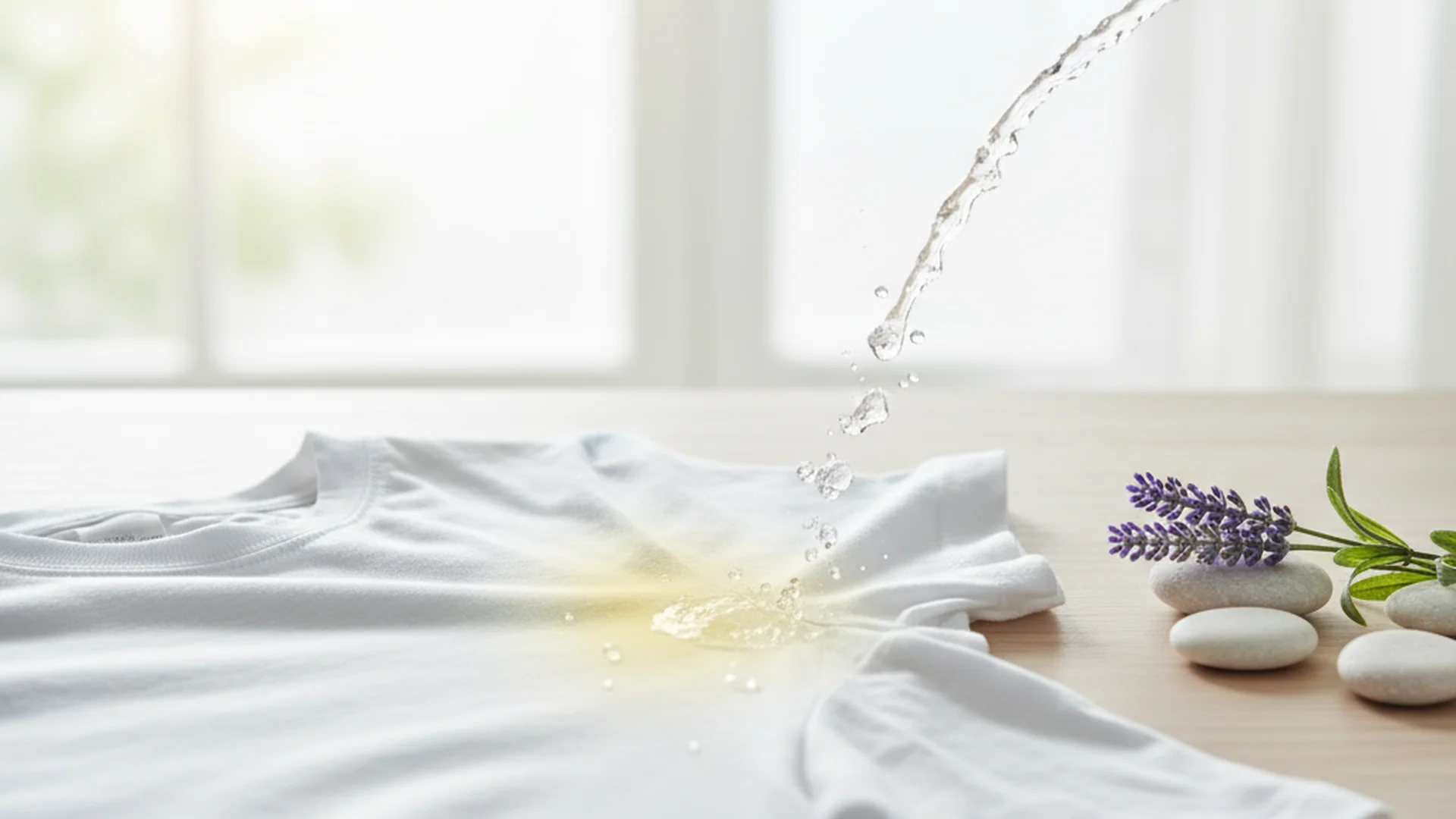
Take the garment off and turn it inside out. Run cold water through the back of the stain. This pushes the coffee out the way it came in, rather than forcing it through the entire thickness of the fabric.
Step 2: Pre-treat with Liquid Detergent
Apply a small amount of high-quality liquid laundry detergent or a specialized enzymatic stain pen directly to the spot. Use your thumb to gently work the soap into the fibers. Let it sit for at least five minutes.
Step 3: Soak and Wash
If the stain is stubborn, soak the garment in cold water for 30 minutes. Afterward, wash the item on the coldest setting recommended on the care label.
Warning: Never put a stained item in the dryer until you are 100% sure the stain is gone. The high heat of a dryer will "set" the tannins permanently, making them nearly impossible to remove later.
How to Remove Coffee Stains from Carpet
Carpets are trickier because you cannot "flush" them from the back. When you need to remove coffee stains from carpet, you are essentially performing a delicate extraction process.
The "Pro Mixture" Solution
For most synthetic and nylon carpets, a homemade acidic solution works best to neutralize the coffee's pH.
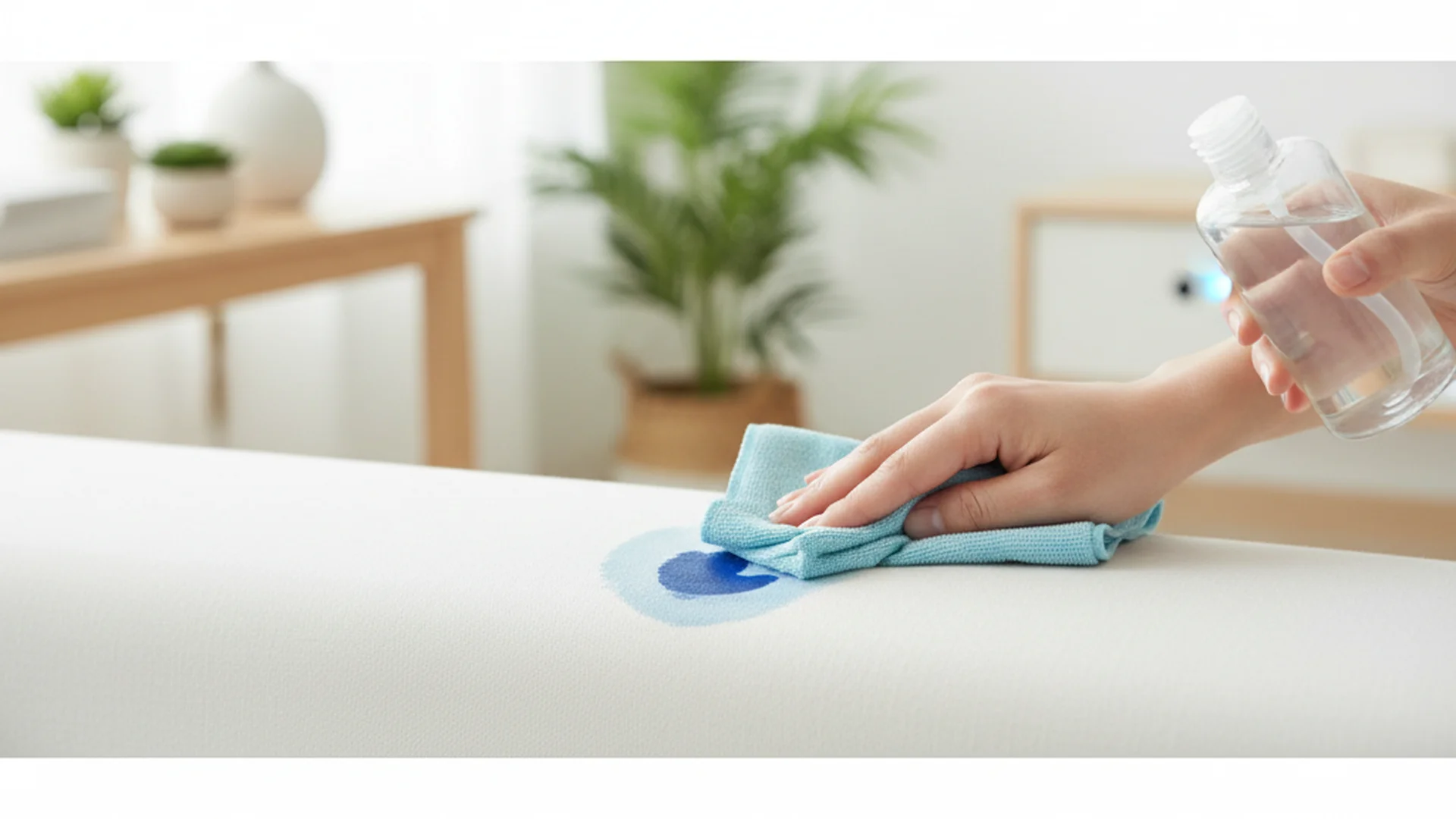
- Blot: Use a clean, white microfiber cloth to soak up as much liquid as possible. Work from the outside in to prevent the stain from growing.
- Mix: Combine 1 tablespoon of liquid dish soap, 1 tablespoon of white vinegar, and 2 cups of lukewarm water.
- Apply: Sponge the solution onto the stain with a clean cloth.
- Extract: Blot with a dry cloth, then "rinse" by sponging with plain cold water and blotting dry again.
| Method | Best For | Effectiveness |
|---|---|---|
| Vinegar/Soap | Synthetic Carpets | High |
| Baking Soda Paste | Dried Stains | Medium |
| Probiotic Cleaner | Organic Residue | Very High |
Tip: If the carpet still feels "crunchy" after drying, it means there is soap residue left behind. Rinse again with a mixture of half water and half vinegar to clear the fibers.
2025–2026 Trends: The Future of Stain Removal
As we move into 2026, the cleaning industry is shifting away from harsh chemicals toward bio-based solutions, with shoppers increasingly prioritising non-toxic ingredients. Here are the latest innovations:
Probiotic and Microbiome-Friendly Cleaners
One of the most significant trends this year is the use of "living" cleaners. These products contain beneficial bacteria (probiotics) that remain in the carpet or fabric long after you've finished cleaning. They continue to "eat" the organic coffee residues, which is particularly helpful for preventing "wicking"—the frustrating phenomenon where a stain seemingly disappears only to reappear days later.
AI-Powered Spot Cleaning
For high-traffic homes, 2025 has seen the rise of "smart" handheld spot cleaners. Brands like Bissell and Hoover have introduced AI sensors that detect the density of the coffee stain and automatically adjust the suction power and water temperature to ensure the fibers aren't damaged while the tannins are extracted.
The "Coffee-on-Coffee" DIY Trend
A niche but growing 2026 "life hack" involves using spent coffee grounds as an abrasive cleaner for coffee rings on hard surfaces like mugs or stone countertops. The natural oils in the grounds help lift the dried tannins without scratching the surface.
Common Mistakes to Avoid
Even with the best intentions, it is easy to make a mistake that turns a temporary spill into a permanent eyesore.
- Using Bar Soap on Fresh Stains: Many people reach for hand soap in the bathroom after a spill. However, the fats in some bar soaps can react with coffee tannins and actually set the stain darker.
- Vigorous Scrubbing: This frays the fibers of your carpet or clothing (pilling) and pushes the liquid deeper into the carpet padding.
- The Salt Misconception: While salt can absorb excess liquid, it does not chemically break down tannins. It is a temporary "holding" measure, not a cure.
- Mixing Vinegar and Bleach: Warning: Never mix these two. Combining vinegar and bleach creates toxic chlorine gas.
Success: By avoiding these common pitfalls and sticking to cold-water extraction, you can save almost any garment from the trash bin.
Frequently Asked Questions
Is cold or hot water better for coffee stains?
Can I use baking soda on a dried coffee stain?
Will vinegar damage my carpet?
How do I remove coffee from a "dry clean only" garment?
Conclusion: Quick Action is Key
Spilling coffee is almost an inevitability in a world where most of us start the day with a mug in hand. However, a spill doesn't have to be a disaster. By understanding that coffee is an acidic tannin-based stain, you can use simple household items like vinegar and dish soap—or modern probiotic cleaners—to keep your home looking pristine.
Remember the golden rule: act fast, use cold water, and never scrub. Whether you are trying to remove coffee stains from carpet or your favorite silk tie, patience and the right chemistry will win the day every time.
Cleaning that keeps score
Every task earns points, every streak multiplies them, and Premium adds a household leaderboard plus a monthly Dustagorgon to beat.
- Free forever
- 30 badges to earn
- Up to 6 in a household
No card needed. Set up your rooms in a couple of minutes.