In this article
What you’ll learn
- Stop using bleach on porous surfaces; it feeds the roots with water.
- Distilled white vinegar and hydrogen peroxide are the gold standards for 2025.
- Prevention through smart humidity sensors is the most effective long-term strategy.
Finding black spots in your shower or along your baseboards is a frustrating rite of passage for most homeowners. However, learning how to remove bathroom mold effectively is about more than just aesthetics—it is a critical step in maintaining your home's structural integrity and your family's respiratory health. Damp and mold problems are extremely common in homes, and the bathroom is almost always the first "hotspot" where growth appears.
In this guide, we will move beyond outdated cleaning myths and explore the most effective, modern strategies for a truly clean bathroom.
The Modern Reality of Bathroom Mold
In my years as a professional cleaning consultant, I have seen mold issues escalate from minor grout staining to full-scale remediation projects costing thousands of dollars. Living with damp, moldy conditions is also hard on your lungs, making respiratory infections, allergic rhinitis, and asthma flare-ups more likely.
Mold is an opportunistic organism. It only needs a food source (like soap scum or skin cells), a temperature between 40°F and 100°F, and moisture. In 2025, we recognize the "Humidity Threshold" as the most important factor: mold spores begin to colonize surfaces within just 24 to 48 hours if the relative humidity stays above 60%.
Note: If you find a mold colony larger than 10 square feet (roughly a 3x3 foot patch), hire a professional rather than attempting a DIY cleanup.
The Bleach Myth: Why Traditional Methods Fail
For decades, the "go-to" advice was to reach for a bottle of chlorine bleach. However, when people ask me for the best way to clean mold, bleach is rarely at the top of my list—especially for porous surfaces.
Bleach is composed of approximately 90% water. On non-porous surfaces like glass or metal, it can be effective. But on porous surfaces like drywall, wood, or unsealed grout, a chemical reaction occurs where the chlorine stays on the surface while the water soaks into the material. This water actually feeds the "roots" (hyphae) of the mold, often causing it to return stronger and more deep-seated within weeks.
Why You Should Avoid Bleach on Grout:
- Incomplete Kill: It doesn't penetrate the pores of the grout.
- Structural Damage: Over time, bleach weakens grout, making it more brittle and prone to cracking.
- Toxic Fumes: In small, poorly ventilated bathrooms, bleach fumes can be hazardous.
How to Remove Bathroom Mold Without Bleach
If you are looking for how to remove bathroom mold without bleach, you are in luck. Several alternatives are more effective at killing the entire mold organism without the toxic side effects.
1. Distilled White Vinegar (The All-Rounder)
Distilled white vinegar (at 5-6% acidity) is a powerhouse, killing the majority of common household mold species.
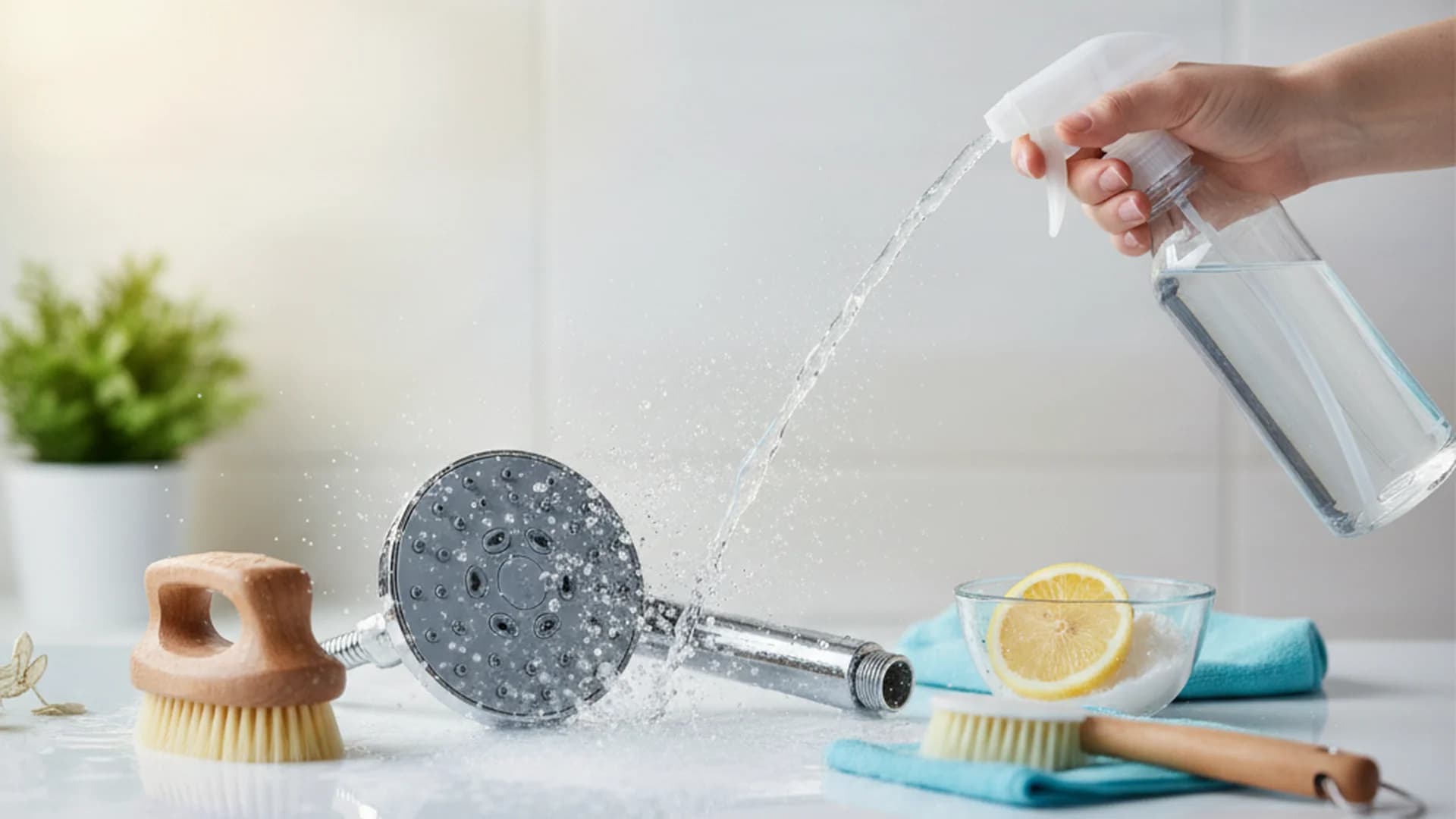
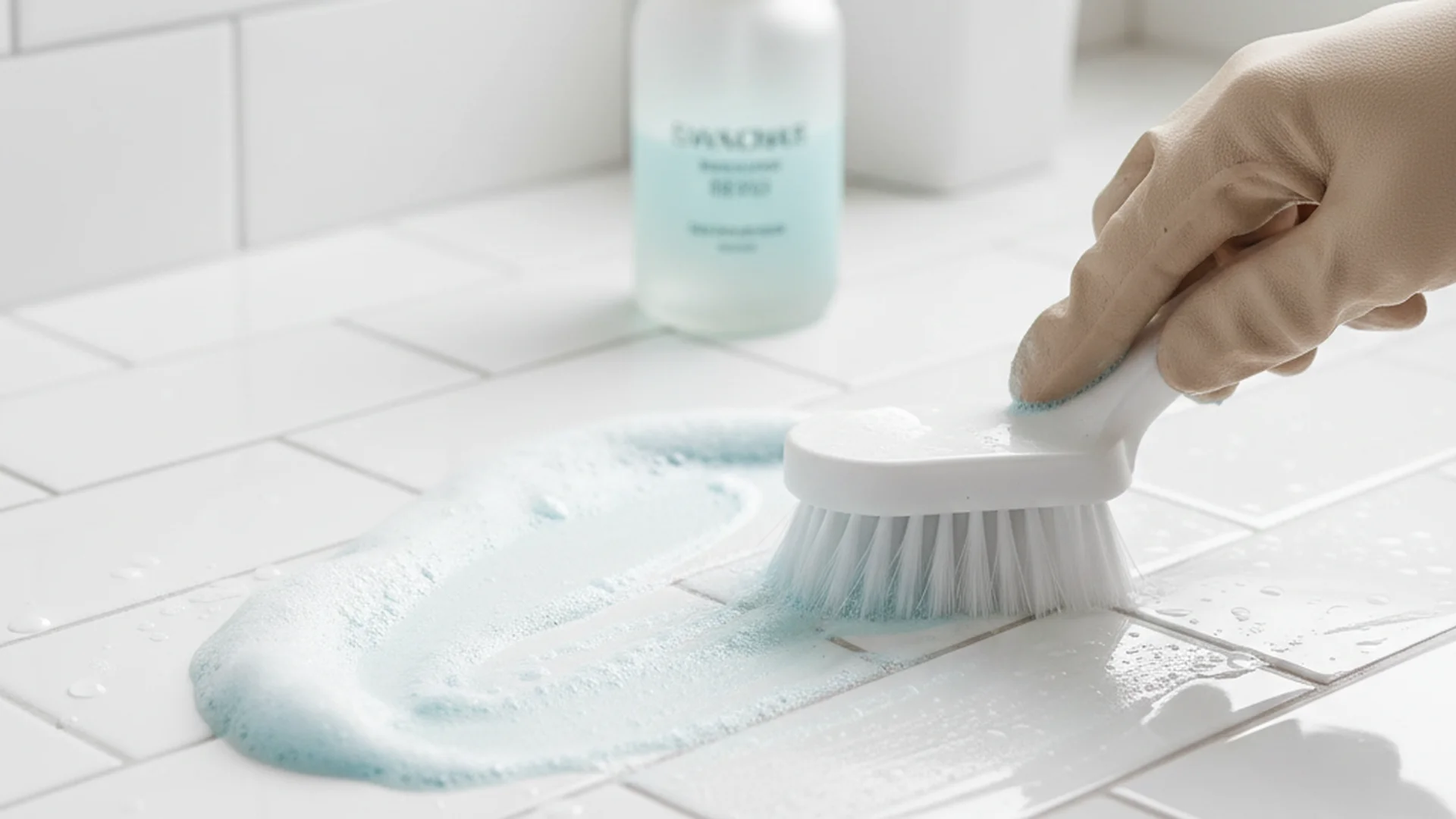
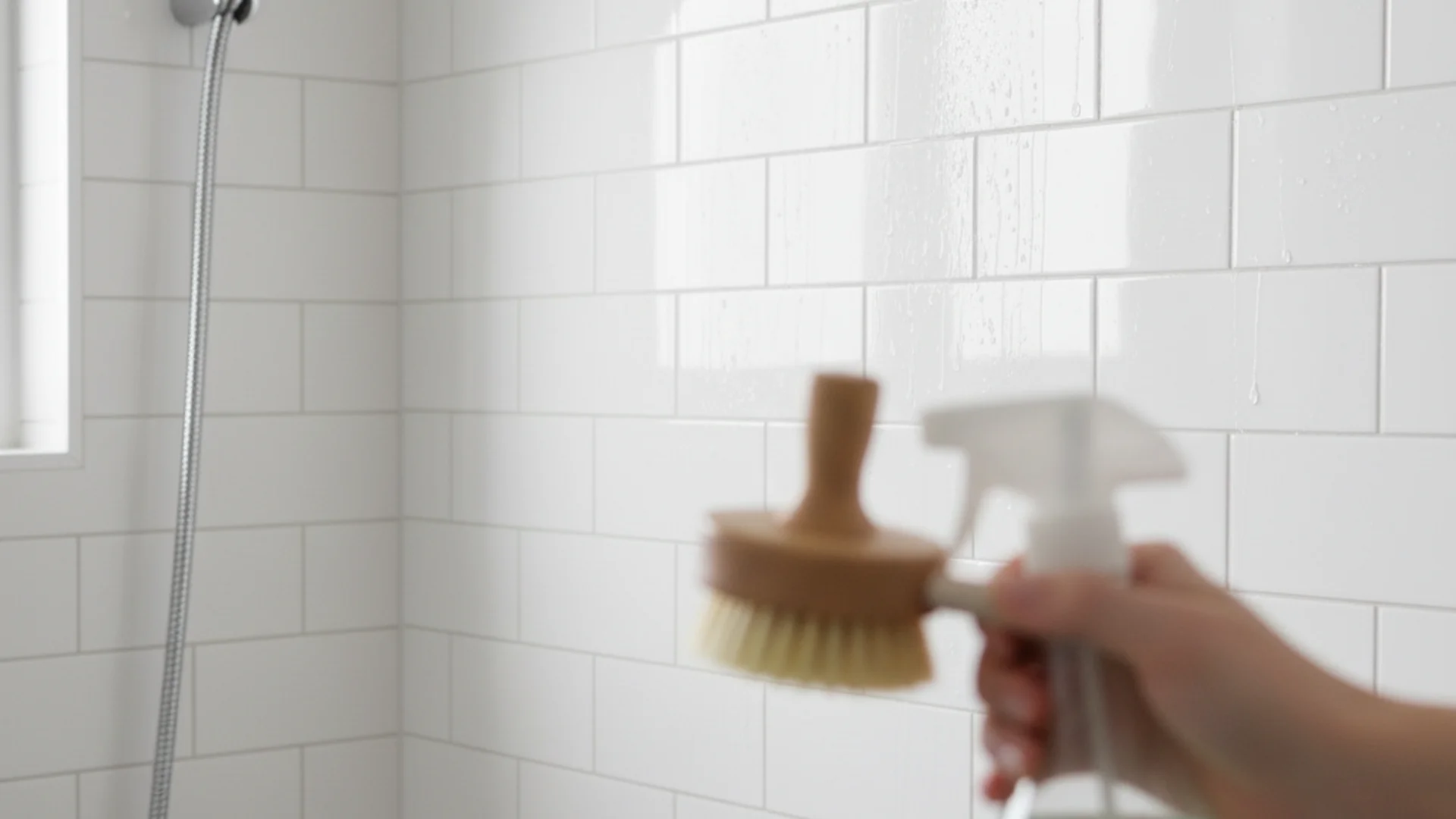
- Method: Spray undiluted vinegar directly onto the mold. Let it sit for at least 60 minutes. Do not rinse immediately. Scrub the area with a brush and baking soda paste if stains persist, then rinse with warm water.
2. Hydrogen Peroxide (3%)
This is highly recommended for white grout. As an antifungal and antibacterial agent, it bubbles upon contact, lifting mold out of the grout’s microscopic pores.
- Method: Pour 3% hydrogen peroxide into a spray bottle. Saturate the moldy area and let it sit for 10-15 minutes until the bubbling stops. Scrub and wipe clean.
3. Tea Tree Oil (The Nuclear Option)
While more expensive, tea tree oil is a potent natural fungicide.
- Method: Mix 1 teaspoon of tea tree oil with 1 cup of water. Spray it on the affected area and—this is the key—do not rinse it off. The oil remains on the surface to prevent new spores from landing and germinating.
| Method | Best For | Pros | Cons |
|---|---|---|---|
| Vinegar | General surfaces | Inexpensive, non-toxic | Strong smell |
| Peroxide | White grout | Brightens grout, no fumes | Can bleach colored fabrics |
| Tea Tree Oil | Prevention | Highly effective, long-lasting | Expensive, strong medicinal scent |
Warning: Never mix vinegar with bleach; this creates toxic chlorine gas. Always stick to one cleaning agent at a time.
Real-World Examples: Success Stories from the Field
Case Study 1: The "Grout Renaissance"
A client in an older apartment had deep black mold in their shower grout that they had been bleaching for years. We switched them to a regimen of 3% hydrogen peroxide followed by a professional-grade sealer. By oxygenating the mold out of the pores rather than just surface-bleaching it, the mold hasn't returned in over 18 months.
Case Study 2: The Hidden Drywall Threat
During a consultation, we found mold behind a bathroom mirror. Instead of painting over it, the homeowner used a tea tree oil solution to saturate the drywall and improved the room's ventilation. By treating the "roots" and changing the environment, they avoided a $2,000 drywall replacement.
Case Study 3: The "Pink Mold" Mystery
A family was concerned about a pink/orange film developing on their shower curtain. We identified this as Serratia marcescens. By implementing a weekly spray of bio-enzymatic cleaner (a 2025 trend), the bacterial biofilm was eliminated, and the family's recurring respiratory "sniffles" cleared up within weeks.
Common Mistakes to Avoid
- Scrubbing Dry Mold: This is the most dangerous mistake. Scrubbing dry mold releases millions of spores into the air, which you then inhale and which settle elsewhere in the house. Always dampen the area with your cleaning solution first.
- Ignoring "Pink Mold": As mentioned in Case Study 3, Serratia marcescens isn't a mold, but it thrives in the same conditions. It can cause UTIs and respiratory issues if left unchecked.
- Inadequate Rinsing: Leaving cleaning residue behind is a mistake. Soap scum is a primary food source for mold; if you don't rinse thoroughly after cleaning, you are providing a "buffet" for the next colony.
- Painting Over the Problem: Never paint over mold. It traps moisture, allowing the mold to eat the drywall or wood behind the paint, eventually leading to structural failure.
Tip: Use a squeegee after every shower. Removing 90% of the surface water manually is the single most effective way to prevent mold growth without using chemicals.
2025-2026 Trends in Mold Prevention
The industry is shifting toward "smart" bathroom management and biological solutions.
Bio-Enzymatic and Probiotic Cleaners
A major trend for 2026 is the use of "probiotic" cleaners. These products use live, beneficial bacteria to "eat" the organic matter (soap scum and skin cells) that mold feeds on. This creates a long-lasting protective barrier that continues to work long after you've finished scrubbing.
Smart Dehumidification
With the rise of Matter-enabled smart home devices, bathroom fans can now communicate with whole-home HVAC systems. Modern fans come with built-in humidity sensors that activate automatically when they detect a rise in moisture, ensuring the room stays below that dangerous 60% threshold.
UV-C Sanitizing Lights
High-end bathroom renovations in 2025 now include UV-C light strips integrated into exhaust fans or medicine cabinets. These lights are programmed to run when the room is unoccupied, killing airborne mold spores before they can even land on your tile.
Frequently Asked Questions
Is black mold in the bathroom always dangerous?
Does vinegar actually kill mold, or just change its color?
How do I get mold out of bathroom grout permanently?
How long should I run my bathroom fan?
Conclusion
Understanding how to remove bathroom mold is a vital skill for any homeowner, but the focus in 2025 and 2026 has shifted from reactive scrubbing to proactive environmental management. By ditching the bleach in favor of vinegar or peroxide, and embracing new technologies like bio-enzymatic cleaners and smart sensors, you can maintain a bathroom that isn't just clean to the eye, but healthy for the lungs.
Success: By following these modern protocols, you are not just cleaning surfaces; you are creating a hostile environment for mold and a healthier home for your family.
Cleaning that keeps score
Every task earns points, every streak multiplies them, and Premium adds a household leaderboard plus a monthly Dustagorgon to beat.
- Free forever
- 30 badges to earn
- Up to 6 in a household
No card needed. Set up your rooms in a couple of minutes.