In this article
What you’ll learn
- Implement the One-Touch rule to prevent paper pile-ups
- Use the RAFT method to categorize every document immediately
- Transition to a 'Paper-Light' hybrid system for 2025 efficiency
In an era where digital transformation is everywhere, the physical mailbox still seems to overflow with relentless efficiency. For many homeowners and professionals, the kitchen counter or the home office desk becomes a graveyard for unopened envelopes, school permission slips, and "important" notices. If you feel buried, you aren't alone. Hunting for misplaced papers quietly eats hours out of every week, a habit that fuels stress and kills focus. Building a robust paper organization system isn't just about tidying up; it is about reclaiming a meaningful chunk of your life every month.
The High Cost of Paper Clutter
Despite the push toward digital offices, the average office worker still cycles through a startling volume of paper every year. What is more striking is the "80/20 Rule of Paper": the vast majority of documents we painstakingly file are never looked at again. This leads to a massive volume of waste, with much of what we print ending up in the trash by the end of the day it was printed.
From a financial perspective, disorganization is expensive. Businesses lose enormous sums every year to clutter-related productivity drops. On an individual level, households spend a small fortune replacing lost items, including misplaced vital paperwork. A functional paper organization system is, therefore, a financial necessity.
The RAFT Method: Your Framework for Success
To stop the cycle of clutter, you need a methodology that dictates the movement of every sheet that enters your home. A reliable framework for this is the RAFT method. This acronym ensures that no paper sits in a "limbo" pile for more than a few seconds.
Read
The moment you pick up a piece of paper, read it enough to understand its urgency. Is it a bill? A wedding invitation? A marketing flyer?
Act
If the paper requires a response—such as a RSVP or a bill payment—do it immediately or place it in a dedicated "Action Tray." Never let "Action" items mix with "Reference" items.
File
If the document provides long-term value but requires no immediate action (like a birth certificate or a current insurance policy), move it to your filing system.
Toss
If the document is available online or has no future utility, shred or recycle it immediately. Remember, if you can find it on a website in under 30 seconds, you don't need a physical copy.
Tip: Use the "One-Touch Rule." Aim to make a final decision on a piece of paper the first time you touch it. Don't set it down to "deal with later."
Building Your Physical Paper Organization System
Whether you are building a diy paper organization system or buying high-end supplies, the architecture remains the same. You need three distinct zones: The Processing Zone, The Active Zone, and The Archive Zone.
1. The Processing Zone (The Command Center)
This is where paper enters the house. It should be located near your primary entrance or in the kitchen.
- The In-Box: All mail and school papers go here immediately.
- The Shredder: Keep a small shredder nearby to handle junk mail with personal info instantly.
- The Recycling Bin: For everything else.
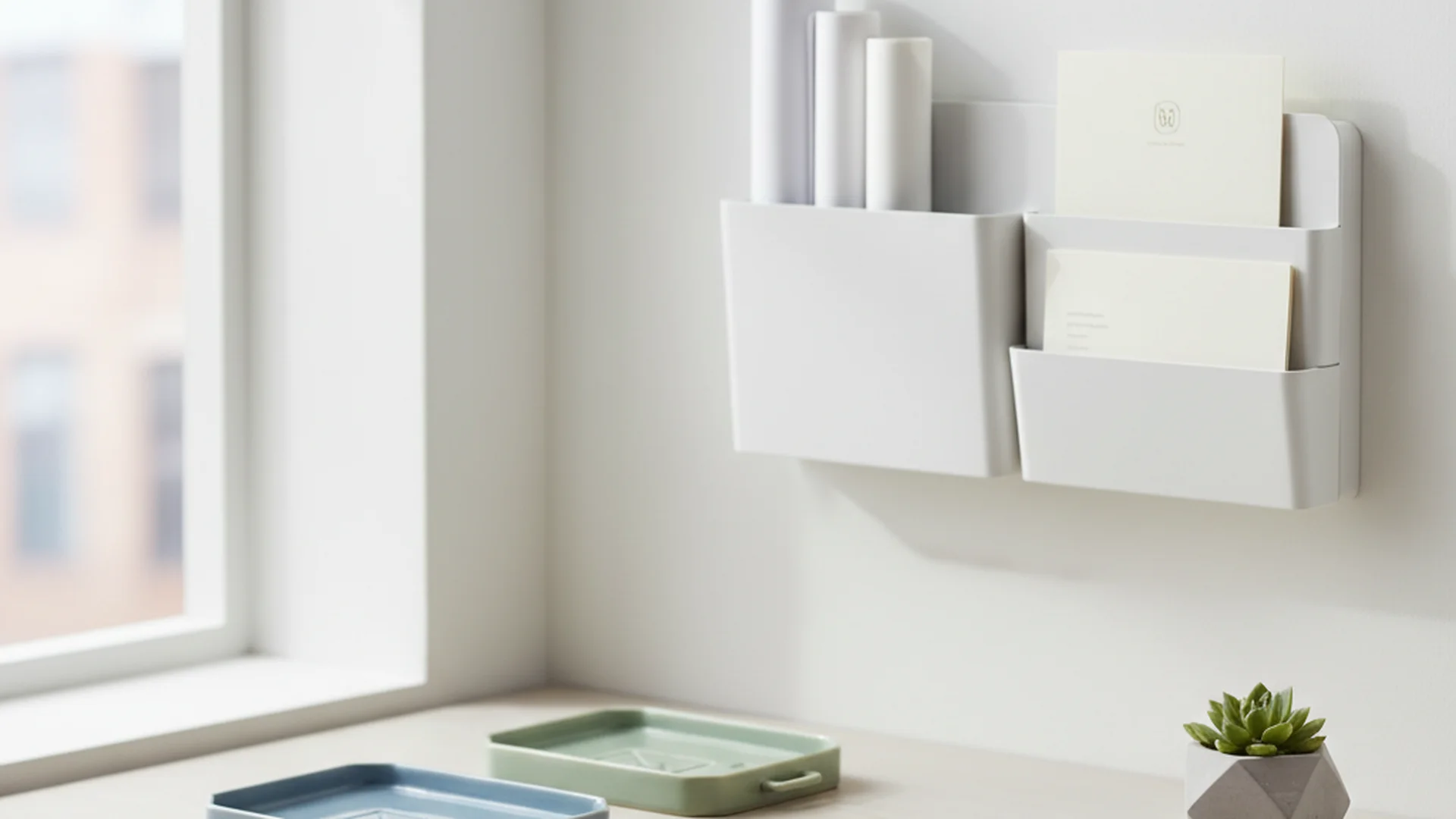
2. The Active Zone (Action Tray)
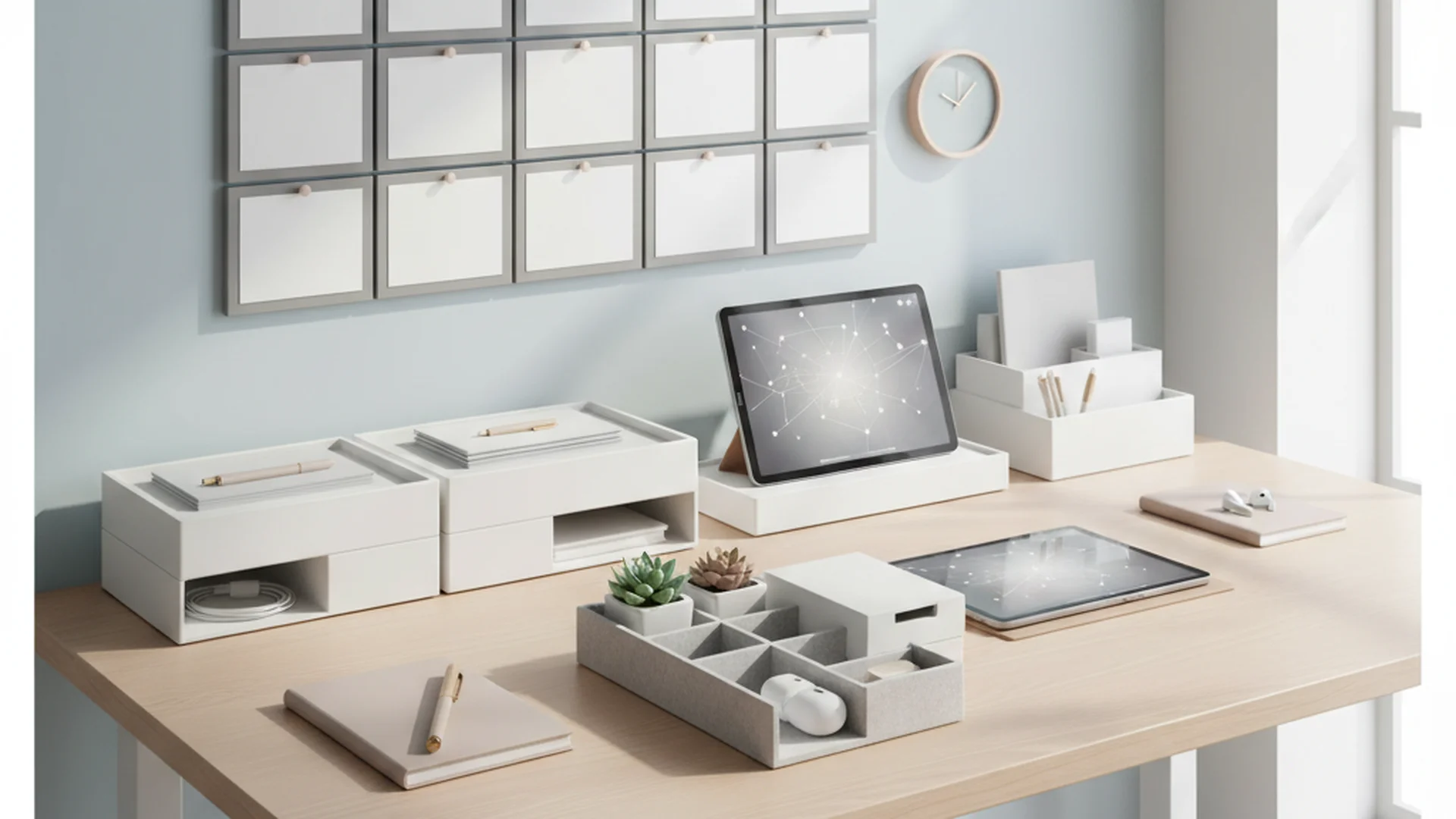
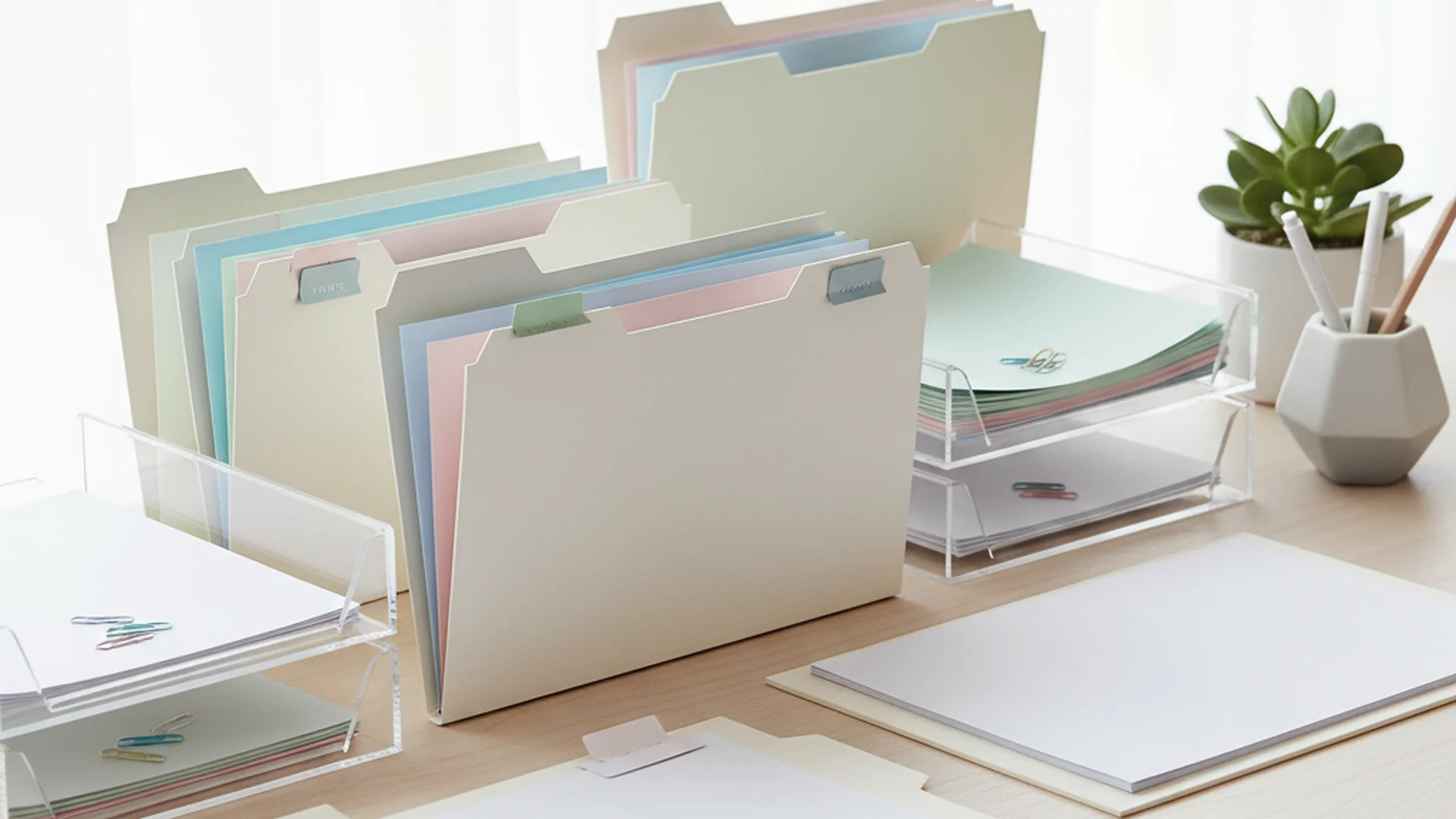
This is for papers that are "alive." It includes bills to be paid, forms to be signed, or tickets for an upcoming event. Using a desktop inclined file sorter works best here, as it keeps items visible.
3. The Archive Zone (Long-Term Filing)
This is your traditional filing cabinet or fireproof box. Use color-coding to speed up retrieval:
- Green: Financial (Tax records, bank statements)
- Red: Medical (Records, prescriptions)
- Blue: Insurance (Auto, Home, Life)
- Yellow: Personal (Birth certificates, passports)
Warning: Avoid the "Miscellaneous" folder trap. If a paper doesn't fit a specific category, it likely belongs in the trash. Miscellaneous folders are where documents go to die.
DIY and Budget Paper Organization System Hacks
You don't need a professional-grade filing cabinet to get organized. If you are on a budget, you can create a highly functional budget paper organization system using items already in your home.
Cereal Box File Sorters
One of the most popular DIY trends for 2025 involves upcycling kitchen waste. Cut cereal or pasta boxes diagonally to create custom-sized magazine and file holders. By covering them with contact paper or fabric, you can create a high-end, cohesive look for your office shelf for pennies.
The Dollar Store Command Center
Use four wire baskets from a local discount store. Use zip ties to connect them vertically and mount them to a wall or the side of a fridge. Label them: Action, To File, Coupons, and Kids. This keeps surfaces clear and utilizes vertical space.
Makeup Case Repurposing
For small-format paper like receipts, stamps, and coupons, acrylic makeup drawers are superior to traditional folders. They allow you to see exactly what you have without digging through a deep file.
| Organizer Type | Best For | Cost Estimate |
|---|---|---|
| Accordion File | Portability / Taxes | $10 - $20 |
| Vertical Desktop Tray | Daily Action Items | $15 - $30 |
| Fireproof Safe | Vital Records | $50 - $150 |
| DIY Cereal Box | Magazine/Folder Storage | Free / $5 (Materials) |
Moving Toward a "Paper-Light" Hybrid System
The 2025–2026 trend is moving away from the "paperless" myth and toward a "Paper-Light" lifestyle. This acknowledges that while we can't eliminate all paper, we can digitize the majority of it.
AI-Enhanced Scanning
Mobile apps now use advanced Optical Character Recognition (OCR) and AI to do more than just photograph a page. Modern apps can automatically categorize a receipt as "Travel" or "Supplies" and summarize the contents for your digital search.
Standardized Naming Conventions
If you scan documents, your digital system is only as good as your naming strategy. A dependable convention is a YYYY-MM-DD_Type_Name format. For example: 2026-01-01_Utility_ElectricBill.pdf. This ensures that files are always sorted chronologically and are searchable by keyword.
Note: Even in a digital-first world, keep physical copies of notarized deeds, passports, and birth certificates in a "Fireproof Go-Bag" for emergencies.
Real-World Examples of Effective Systems
Example 1: The School Paper Solution
Sarah, a mother of three, was overwhelmed by the sheer volume of artwork and permission slips. She implemented a "Memory Box" system. Each child has one file box. She keeps only the top 5% of artwork and grades. Everything else is photographed for a digital album, and the physical copy is recycled.
Example 2: The Small Business Owner
Mark, a freelance consultant, struggled with tax-time dread. He switched to a color-coded "Green" system for receipts. He uses a dedicated scanner to digitize every receipt the moment it arrives, then staples the physical copy to a monthly summary sheet. This cut his tax prep time dramatically.
Example 3: The Emergency "Go-Bag"
The "Paper-Light" trend encourages keeping a small, portable, fireproof binder. This contains copies of insurance policies, ID cards, and medical histories. In the event of a natural disaster, this single item contains everything needed to restart life.
Common Mistakes to Avoid
- Over-Categorizing: Creating a separate folder for "Electric Bill," "Water Bill," and "Gas Bill" makes the system cumbersome. Instead, use one broad "Utilities" folder.
- Using Improper Fasteners: Rubber bands and paper clips are the enemies of long-term archiving. Rubber bands dry rot and snap, while paper clips rust and snag other documents. Use staples for permanent records and high-quality folders for everything else.
- Filing "Just in Case": Before filing, ask yourself: "Can I find this online if I need it?" If the answer is yes, shred it.
- Overstuffing: If a folder is more than one inch thick, it becomes difficult to browse. Split the folder into "Current Year" and "Archive" or purge the contents.
Success: By reducing the volume of paper you store, you dramatically cut the time it takes to find anything.
Frequently Asked Questions
What should I keep and for how long?
Is a physical or digital system better?
How do I start if I’m completely overwhelmed?
How do I handle my kids' school papers?
Should I use plastic or paper folders?
Conclusion
Creating a paper organization system is not a one-time event; it is a lifestyle shift. By implementing the RAFT method and utilizing either high-end organizers or a diy paper organization system, you can transform your home from a cluttered archive into a streamlined, functional space. The key is consistency. Dedicate fifteen minutes every Friday to clearing your "Action Tray" and your "Processing Zone." When you control your paper, you control your time.
Success: A well-maintained system ensures that you never miss a bill payment or lose a cherished memory again.
Cleaning that keeps score
Every task earns points, every streak multiplies them, and Premium adds a household leaderboard plus a monthly Dustagorgon to beat.
- Free forever
- 30 badges to earn
- Up to 6 in a household
No card needed. Set up your rooms in a couple of minutes.