In this article
What you’ll learn
- Implement the "Zone" system to group items by usage.
- Use the FIFO method to reduce food waste and trim your grocery bill.
- Prioritize sustainable materials like glass and bamboo for a modern look.
Walking into a cluttered kitchen can feel like walking into a storm of stress. If you find yourself digging through piles of half-open pasta boxes or discovering expired cans from three years ago, it is time to transform your kitchen with effective pantry organization ideas. A well-ordered pantry isn’t just about aesthetics; it is about reclaiming your time, reducing your grocery bill, and bringing a sense of "quiet luxury" into your daily routine. In this guide, we will explore everything from professional zoning strategies to budget-friendly DIY hacks that will work for any home size.
The Financial and Psychological Power of an Organized Pantry
Before we dive into the specific pantry organization ideas, it is important to understand the impact of this project. The average family of four throws away a startling amount of food every year, and that adds up to real money. Much of this waste occurs because items are lost in the "abyss" of deep shelves or forgotten behind newer groceries.
Most of us also feel a low hum of stress when the home is disorganized. The pantry is a high-traffic area that sets the tone for your morning coffee and your evening meal. By organizing this space, you aren't just cleaning a cupboard; you are investing in your mental well-being and your home’s value. A well-kept walk-in pantry is a genuine selling point in today’s real estate market.
Step 1: The Great Pantry Purge
You cannot organize clutter. The first step in any successful pantry overhaul is to empty everything out. This may feel overwhelming, but it is the only way to see the true potential of your space.
- Empty Every Shelf: Take every single item out and place it on your kitchen counters or a folding table.
- Check Expiration Dates: Be ruthless. If it expired in 2023, toss it. If you have three half-empty bags of the same flour, combine them (if they are still fresh).
- Donate Unwanted Items: If you have non-perishables that are still good but you know your family won't eat, set them aside for a local food bank.
- Deep Clean: With the shelves empty, wipe down every surface. This is the perfect time to address crumbs, sticky honey spills, and dust.
Warning: Never buy containers or bins before you have completed the purge and measured your shelf dimensions. Buying bins first is the #1 mistake homeowners make.
Step 2: Categorizing with the "Zone" System
Rather than grouping items strictly by "type," group them by "usage." This is called the Zone System. By creating zones, you ensure that everything you need for a specific task is in one place.
The Breakfast Zone
Keep cereals, oatmeal, pancake mix, and syrups together. If your pantry allows, store your toaster or coffee station nearby to streamline your morning.
The Weeknight Dinner Zone
Store pasta, grains, jarred sauces, and canned proteins in one area. This makes it easy to see exactly what "base" ingredients you have when you're tired after work and need to whip up a meal.
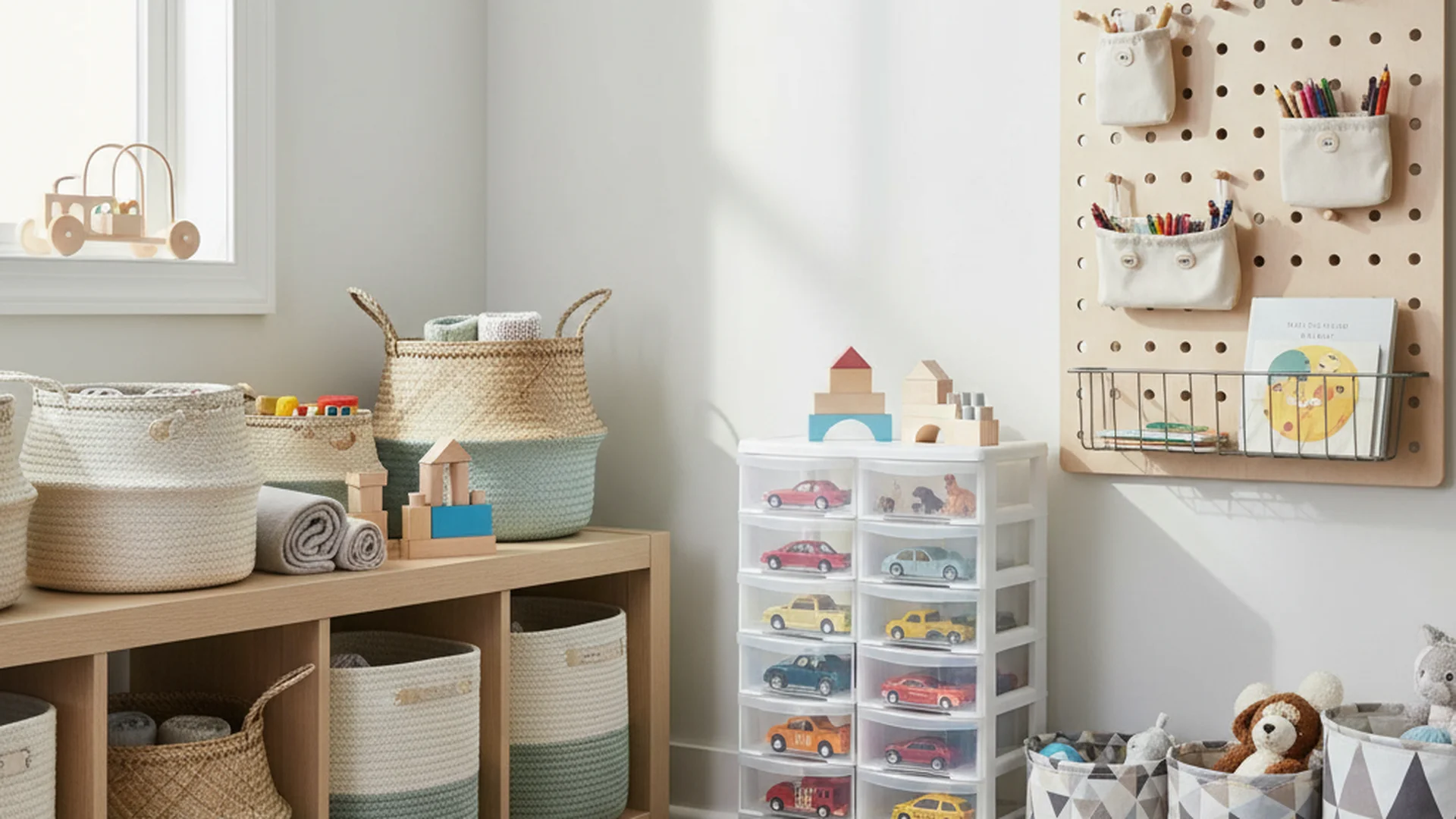
The Kids’ Snack Station
Place healthy snacks in low-level, open bins that are easily accessible to children. This encourages independence and prevents them from climbing shelves to find a granola bar.
The Baking Zone
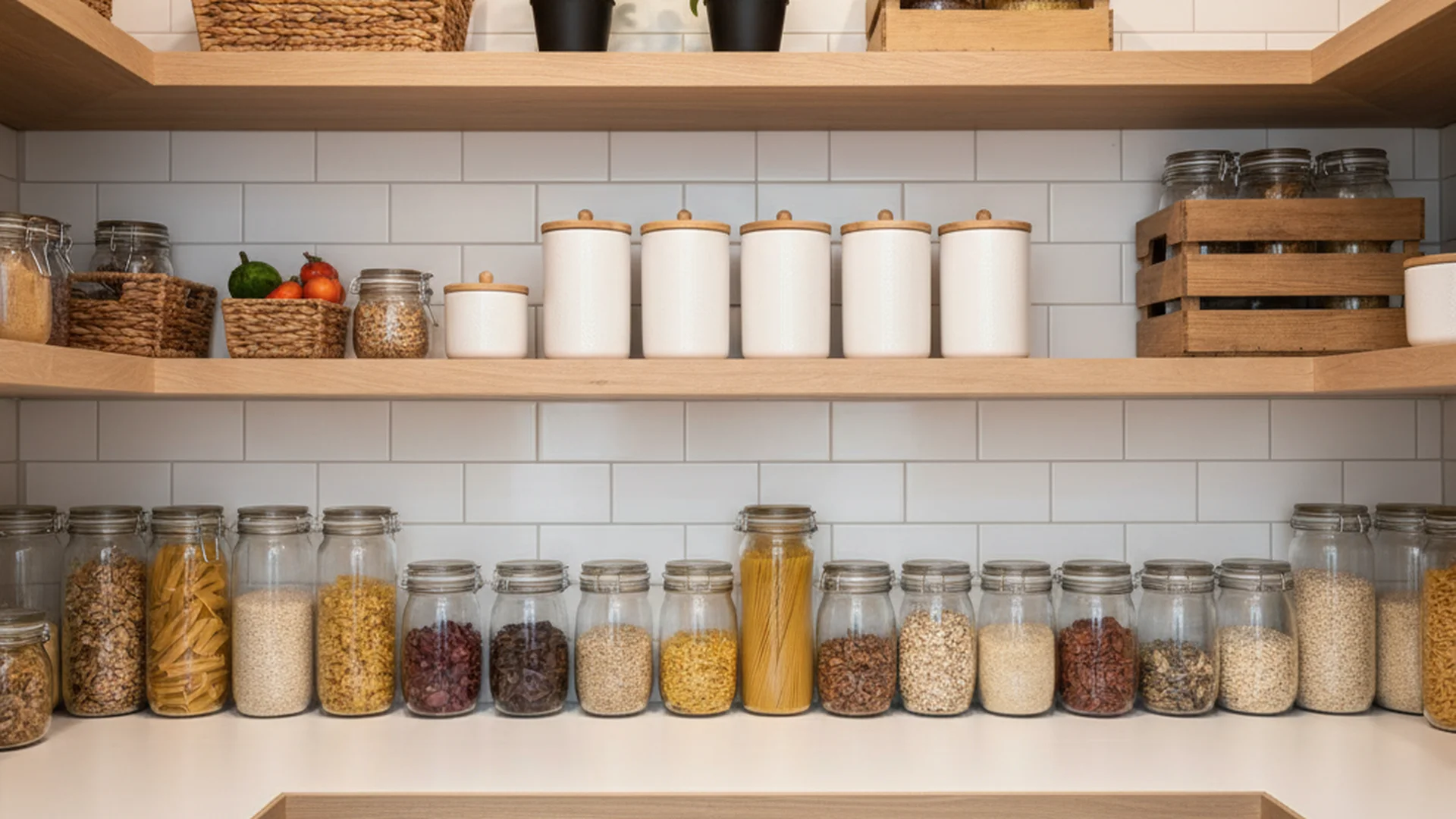
Flour, sugar, baking soda, and chocolate chips should be grouped together. Since these items are often heavy or messy, consider using sturdy glass jars with airtight lids.
Tip: Use a "Backstock Bin" for duplicates. If you bought a 3-pack of ketchup, keep one in the "Condiment Zone" and the other two in a dedicated overstock area to prevent shelf crowding.
Step 3: Mastering Materials and 2026 Trends
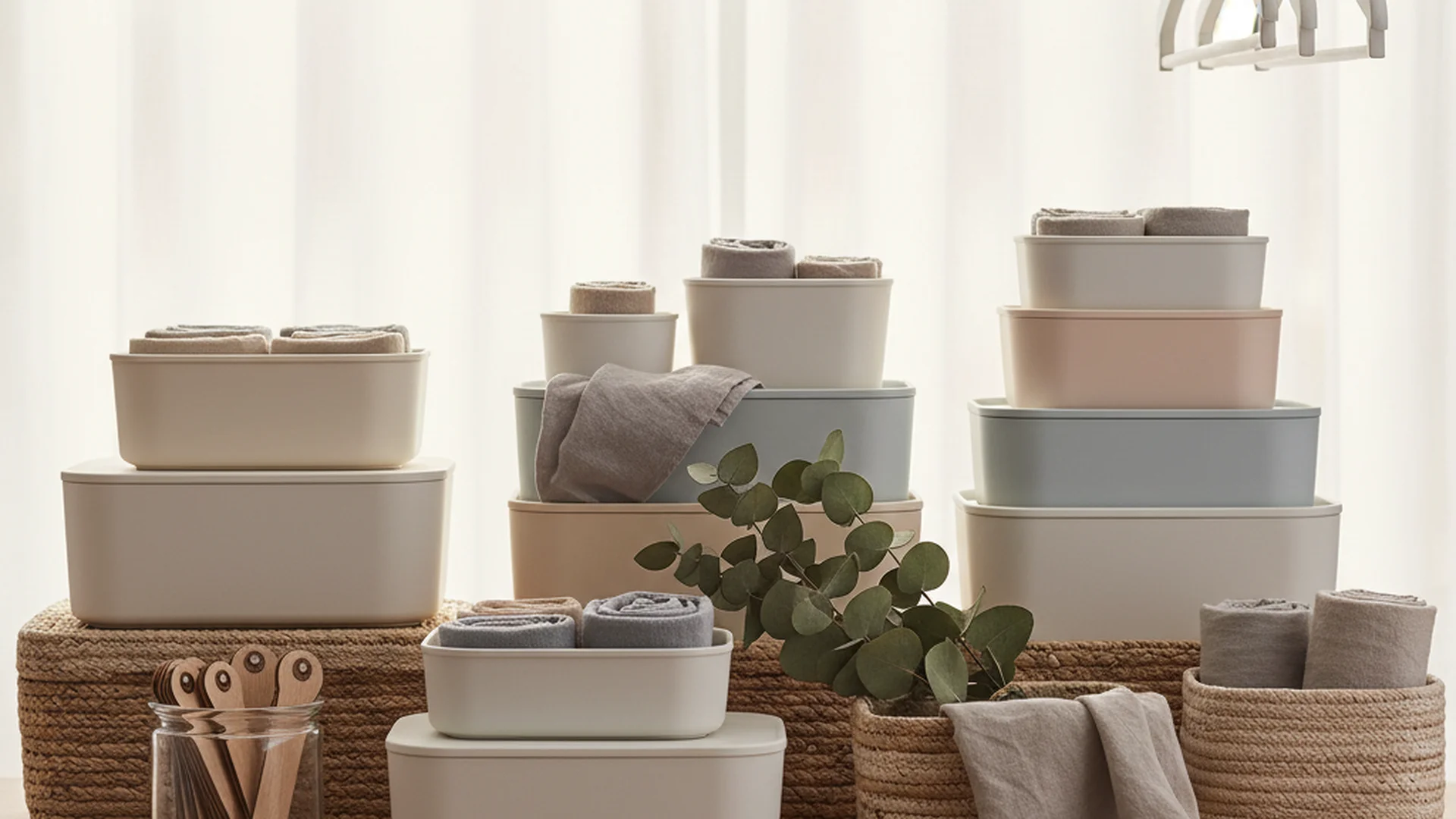
As we move into 2026, the "pantry-porn" look of all-clear plastic is evolving. The focus is shifting toward sustainability and "Quiet Luxury"—an aesthetic that uses earth tones and natural textures.
| Material | Best For | Pros | Cons |
|---|---|---|---|
| Borosilicate Glass | Dry goods like flour/sugar | Eco-friendly, non-toxic, beautiful | Fragile, heavier |
| Bamboo/Wood | Bin lids, tray organizers | Sustainable, warm aesthetic | Can warp in high humidity |
| Recycled Felt | Potato/Onion storage | Breathable, quiet, modern | Harder to wipe clean |
| Airtight Plastic | Kids' snacks, cereal | Durable, lightweight, clear | Not as eco-friendly |
The Rise of the "Smart Pantry"
One of the biggest trends for 2025-2026 is the integration of technology. Many homeowners are now using QR code labels on their decanted jars. Apps like Sortly allow you to scan a jar to see its expiration date or receive a notification when your stock is running low. This is a game-changer for those who buy in bulk and want to maintain the FIFO (First In, First Out) method.
Step 4: Solving the "Deep Shelf" Dilemma
Deep pantry shelves are often where food goes to die. To prevent items from getting lost in the back, you need to use specific tools:
- Shelf Risers: These create a "stadium seating" effect for canned goods, allowing you to see the labels of the back row.
- Pull-Out Drawers: If your budget allows, installing sliding tracks can turn a deep, dark shelf into a fully accessible drawer.
- Lazy Susans: These rotating trays are perfect for corner spaces or for grouping oils, vinegars, and spices. One spin and everything is at your fingertips.
Note: If you have very high shelves, use lidded bins. Items stored near the ceiling tend to collect more dust and kitchen grease over time.
Step 5: DIY Pantry Organization Ideas on a Budget
You don’t need to spend thousands at a container store to have a beautiful space. In fact, some of the best budget pantry organization ideas involve upcycling items you already have.
The Pasta Sauce Jar Hack
Instead of buying expensive mason jars, save your glass pasta sauce or pickle jars. Soak them in warm, soapy water to remove the labels. For a high-end look, spray paint all the lids a uniform matte black or metallic gold. Use a chalk marker or a simple label maker to identify the contents. This creates a cohesive, "Pinterest-worthy" look for zero cost.
Magazine Files for Produce
Traditional mesh magazine holders (often found for a dollar at thrift stores) are the perfect size for storing onions and potatoes. They allow for excellent airflow, which prevents rot, and their slim profile saves significant shelf depth.
Dollar Store Customization
Standard white plastic bins from discount stores can look cheap on their own. However, if you add high-quality vinyl labels or tie a small wooden tag with twine to the handle, they instantly look like a custom organizational system. This is a staple of diy pantry organization ideas that professionals use to save clients money.
Step 6: Practical Decanting – Is It Worth It?
"Decanting" is the process of moving food from its original packaging into uniform containers. While it looks amazing, it can be time-consuming.
Real-World Example 1: The Cereal Success A family of five decanted their cereal into airtight plastic containers. Not only did the cereal stay fresh for two weeks longer, but they also stopped buying "surprise" boxes because they could see exactly how much was left.
Real-World Example 2: The Pasta Pitfall A busy professional decided to decant 10 different types of pasta. They soon realized that different pastas have different cook times, and they had thrown away the instructions on the box. They eventually switched to keeping pasta in original bags with clips, stored inside one large "Pasta Bin."
Success: Only decant items that go stale quickly (flour, cereal, crackers) or items you buy in bulk. For high-turnover items like pasta or snacks, keep them in their original packaging to save time.
Common Mistakes to Avoid
- The "Instagram" Trap: Buying containers that are too small. For example, if you buy a jar that holds 4 lbs of flour, but you always buy 5 lb bags, you’ll be left with a messy "remainder" bag that clutters your backstock.
- Over-Labeling: You don't need a label that says "Apples" if you can clearly see the apples. Label the bins and categories rather than every single piece of fruit.
- Ignoring the Floor: Many people leave the pantry floor empty or messy. Use large, sturdy baskets on the floor for heavy items like gallons of water, pet food, or bulk paper towels.
- Adopting a Rigid System: Your pantry should grow with you. If you start a new diet or your kids grow out of certain snacks, your zones must be flexible enough to change.
Frequently Asked Questions
How do I organize a pantry with deep shelves?
Is decanting food actually worth it?
How can I organize my pantry for under $50?
What are the best containers for a small pantry?
How do I keep my pantry organized with kids?
Conclusion
Creating a functional pantry is one of the most rewarding home improvement projects you can undertake. By implementing these pantry organization ideas, you aren't just making your kitchen look better; you are creating a system that saves you money, reduces food waste, and simplifies your daily life. Remember, the goal isn't to have a "perfect" pantry that looks like a museum—the goal is to have a functional space that works for your unique lifestyle. Start with a purge, define your zones, and choose materials that reflect your personal style.
Success: A functional pantry saves a family real money every year by preventing overbuying and food spoilage.
Cleaning that keeps score
Every task earns points, every streak multiplies them, and Premium adds a household leaderboard plus a monthly Dustagorgon to beat.
- Free forever
- 30 badges to earn
- Up to 6 in a household
No card needed. Set up your rooms in a couple of minutes.