In this article
What you’ll learn
- Organizing before cleaning dramatically reduces the housework that follows.
- Cluttered environments keep your stress levels quietly elevated.
- The "Micro-Zone" method is the best way to avoid feeling overwhelmed by mess.
Have you ever spent an entire Saturday scrubbing your kitchen counters, only to find that by Tuesday, the surfaces are buried under mail, keys, and miscellaneous gadgets again? If this sounds familiar, you aren’t suffering from a lack of discipline—you are suffering from a flawed sequence. The secret to a home that stays tidy isn't better soap or a more expensive vacuum; it is the fundamental habit of organizing before cleaning.
When we try to clean around clutter, we aren’t actually cleaning; we are simply "shuffling the mess." By establishing a rigorous organizational system first, you ensure that every surface is accessible and every item has a "home," making the actual cleaning process faster, more effective, and significantly less frequent.
The Science of the "Organize First" Approach
The link between our environment and our mental health is no longer a matter of opinion—it is a matter of biology. To understand why organizing before cleaning is essential, we have to look at how our brains react to physical chaos.
The Cortisol Connection
People living in cluttered environments—women in particular—tend to carry higher levels of cortisol, the body’s primary stress hormone. When your eyes scan a room and see "unresolved tasks" (like a pile of laundry or a disorganized bookshelf), your brain stays in a low-level state of "fight or flight."
The Weight of Clutter
Excess clutter takes a toll on physical health, not just on stress levels. Disorganized homes tend to encourage "chaotic eating," the kind of snacking and skipped meals that high-stress environments bring on. When you organize before you clean, you aren't just making the room look better; you are literally lowering your heart rate and improving your metabolic health.
Efficiency and Longevity
Removing clutter eliminates a huge share of the housework in the average home. A standard deep clean also has a short shelf life if there isn't an organizational system to support it—within a few weeks you are usually back where you started. Without organization, you are trapped in a cycle of "panic cleaning" that yields no long-term results.
Tidying vs. Organizing vs. Cleaning: Know the Difference
Before we dive into the methodology, we must define our terms. Most people use these words interchangeably, but in the world of domestic efficiency, they are distinct stages of a process.
- Tidying: This is the act of putting things back where they belong. It is a maintenance task.
- Organizing: This is the high-level strategy. It is the act of deciding where things belong and creating the systems (bins, labels, zones) to keep them there.
- Cleaning: This is the physical removal of dirt, dust, and pathogens.
Tip: Never start the "Cleaning" phase until the "Organizing" phase is 100% complete. Scrubbing a floor while boxes are still sitting on it is an inefficient use of your energy.
The 3-Step Methodology: Edit, Systemize, Sanitize
To master organizing before cleaning, follow this specific order of operations.
Step 1: The "Edit" (Decluttering)
You cannot organize clutter. Before you buy a single bin or spray a single surface, you must reduce the volume of items in the room. Use the "One-In, One-Out" rule: for every new item brought into your home, one must leave.
Warning: Avoid the "Someday Trap." Keeping items because you might need them "someday" creates what I call "organized clutter." If you haven't used it in 12 months, it is a liability, not an asset.
Step 2: Systemize (The "Home" Principle)
Every single item in your house needs a permanent "home." If an item doesn't have a designated spot, it will inevitably end up on a flat surface (the kitchen table, the entryway bench).
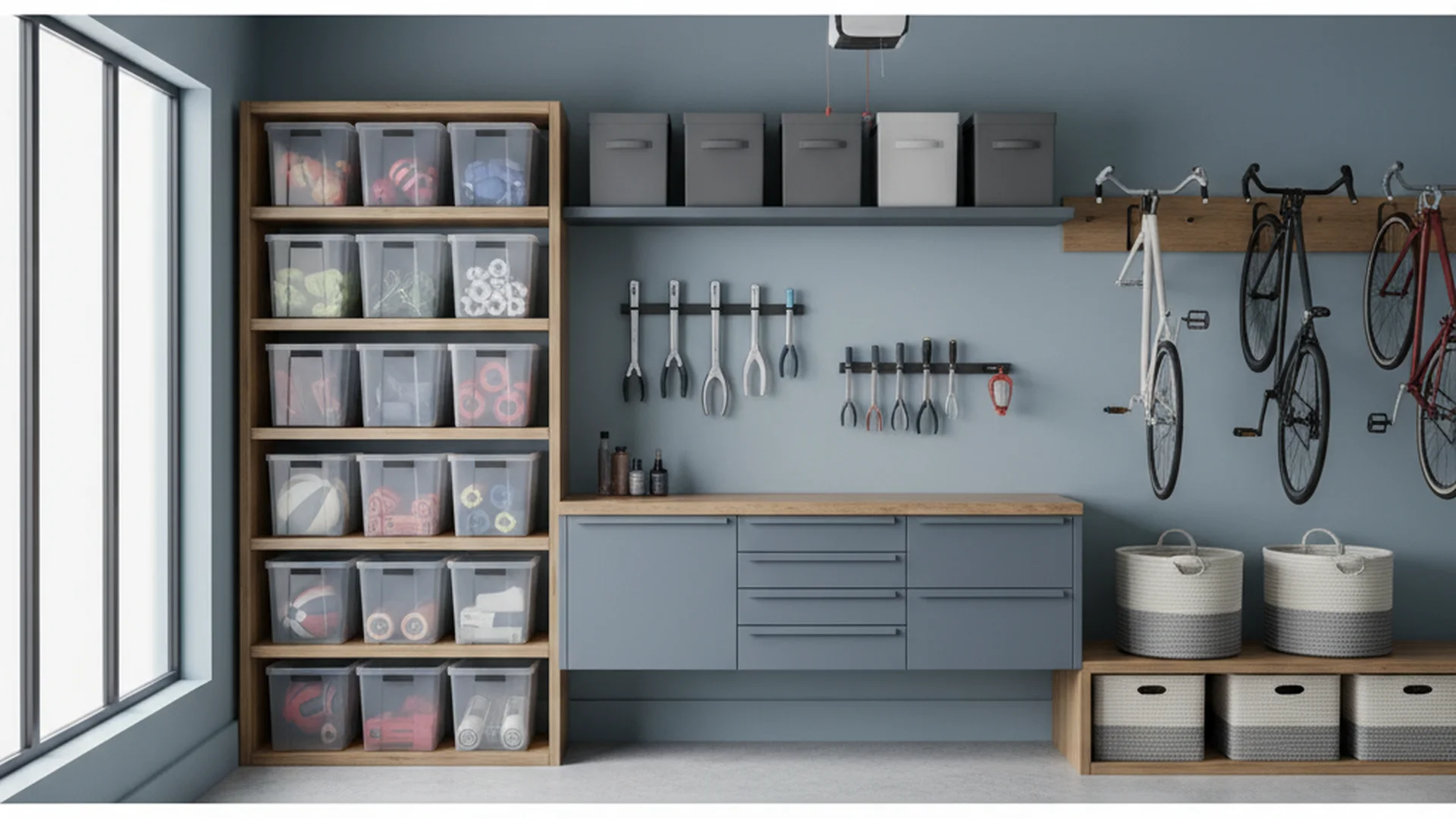
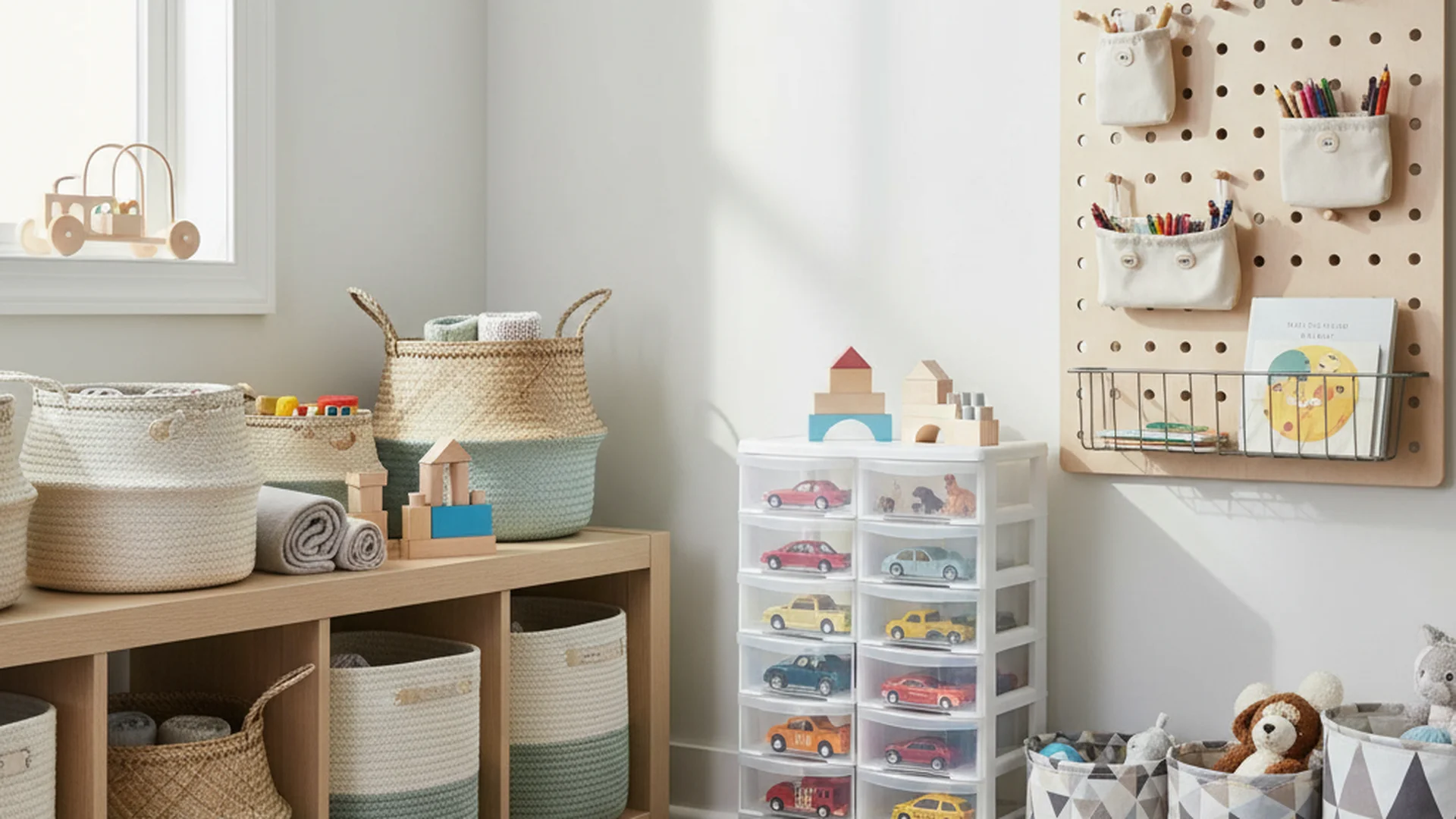
- Vertical Storage: Use the space above eye level. Floating shelves and over-the-door organizers keep the floor clear, making vacuuming 10x faster.
- The Basket Method: Keep a "Return to Home" basket in high-traffic areas. Before you clean the floor, toss all out-of-place items into the basket to be sorted later.
Step 3: Sanitize (The Actual Cleaning)
Now that the surfaces are clear and the systems are set, the cleaning becomes trivial. Instead of moving twenty spice jars to wipe a shelf, you simply lift one organized turntable, wipe, and replace.
| Task | Without Organizing | With Organizing |
|---|---|---|
| Dusting | 45 minutes (moving items) | 10 minutes (clear surfaces) |
| Vacuuming | 20 minutes (picking up toys) | 5 minutes (clear floors) |
| Mental Stress | High (visual noise) | Low (restorative) |
DIY and Budget-Friendly Organizing Strategies
You don't need to spend thousands at a container store to achieve a professional result. In fact, budget organizing before cleaning is often more sustainable because it forces you to be creative with what you already own.
Upcycled Containers
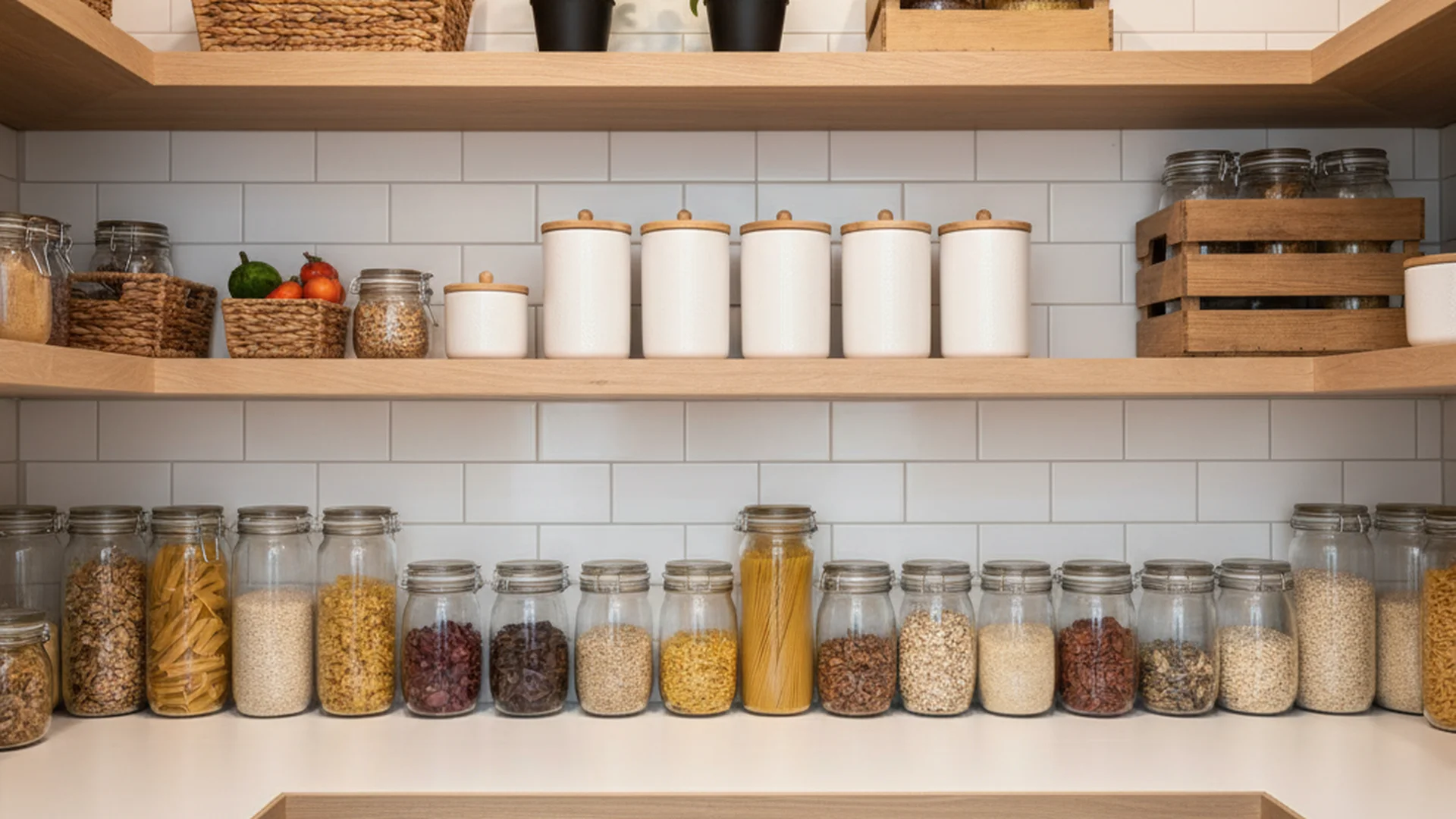
Don't throw away sturdy cardboard boxes from electronics or shoes. These make excellent drawer dividers for socks or kitchen utensils. Mason jars are perfect for pantry staples like flour and rice, providing a uniform look for the cost of a jar of pasta sauce.
The "Micro-Zone" Win
When the whole house is a mess, don't try to organize the whole house. Start with a "Micro-Zone"—a single junk drawer or the area under the kitchen sink. This creates a "dopamine hit" that fuels you to tackle larger areas.
Note: Labels aren't just for aesthetics. They are "navigation markers" for other members of the household who might use the "I didn't know where it went" excuse to leave things out.
2025–2026 Trends: From "Restock" to "Underconsumption"
The world of organization is shifting. We are moving away from the "Instagram-perfect" plastic-filled pantries of 2023 and toward Functional Realism.
Underconsumption Core
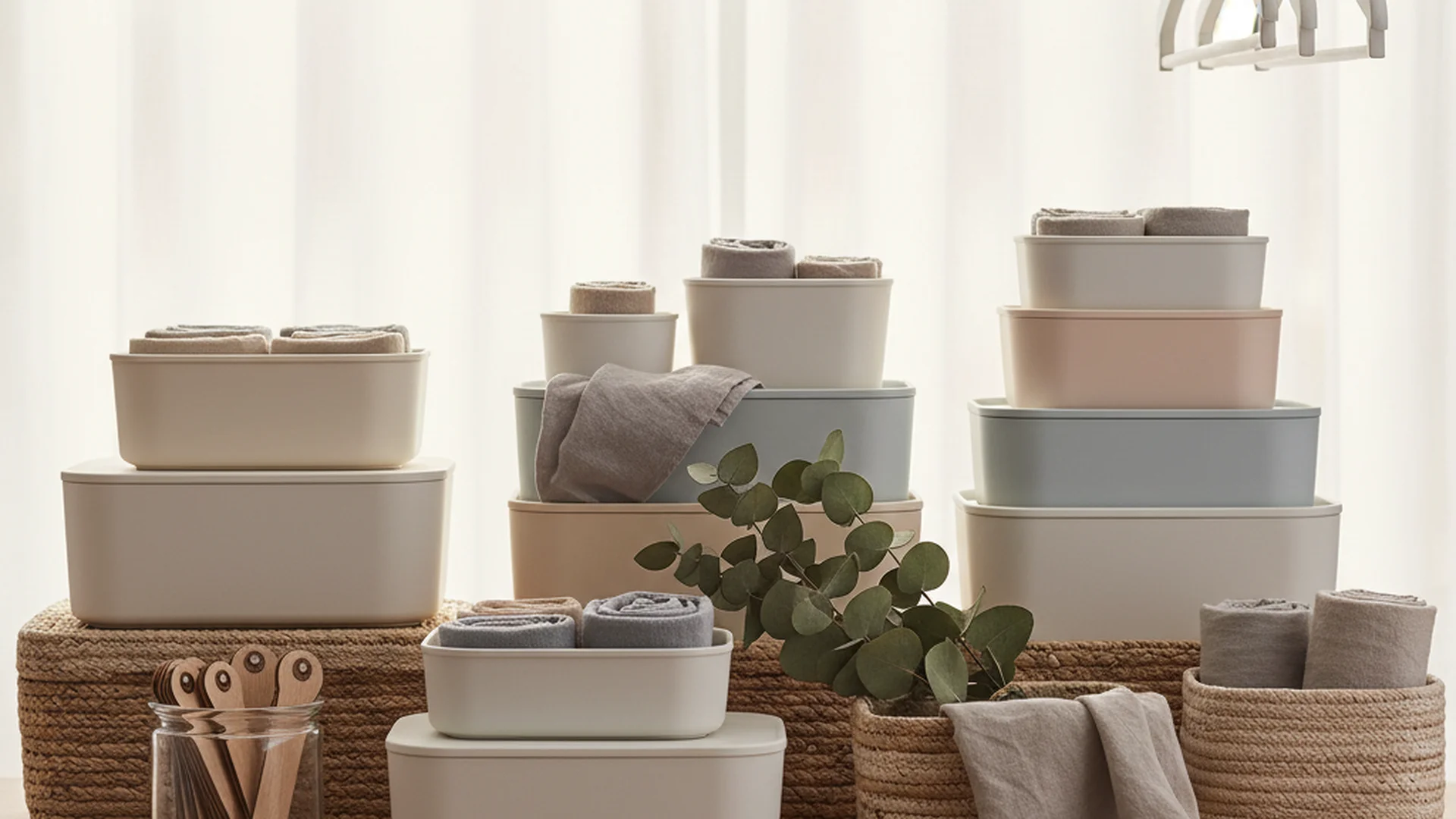
The newest trend is owning less. Rather than buying 50 plastic bins to hold 500 items, homeowners are decluttering down to 100 items that fit into a few high-quality, eco-friendly containers made of bamboo, jute, or recycled glass.
Warm Minimalism
The sterile, "all-white" look is out. 2026 trends favor "lived-in" organization—visible books, cozy textures, and personal items that are neatly contained but not hidden behind closed doors.
AI Inventory Management
Modern efficiency experts are now using AI-powered apps to scan pantries and closets. These apps track "use-by" dates and inventory levels, preventing "panic buying" and the subsequent clutter of duplicate items.
Real-World Examples of "Organize First"
Example 1: The Entryway "Landing Strip"
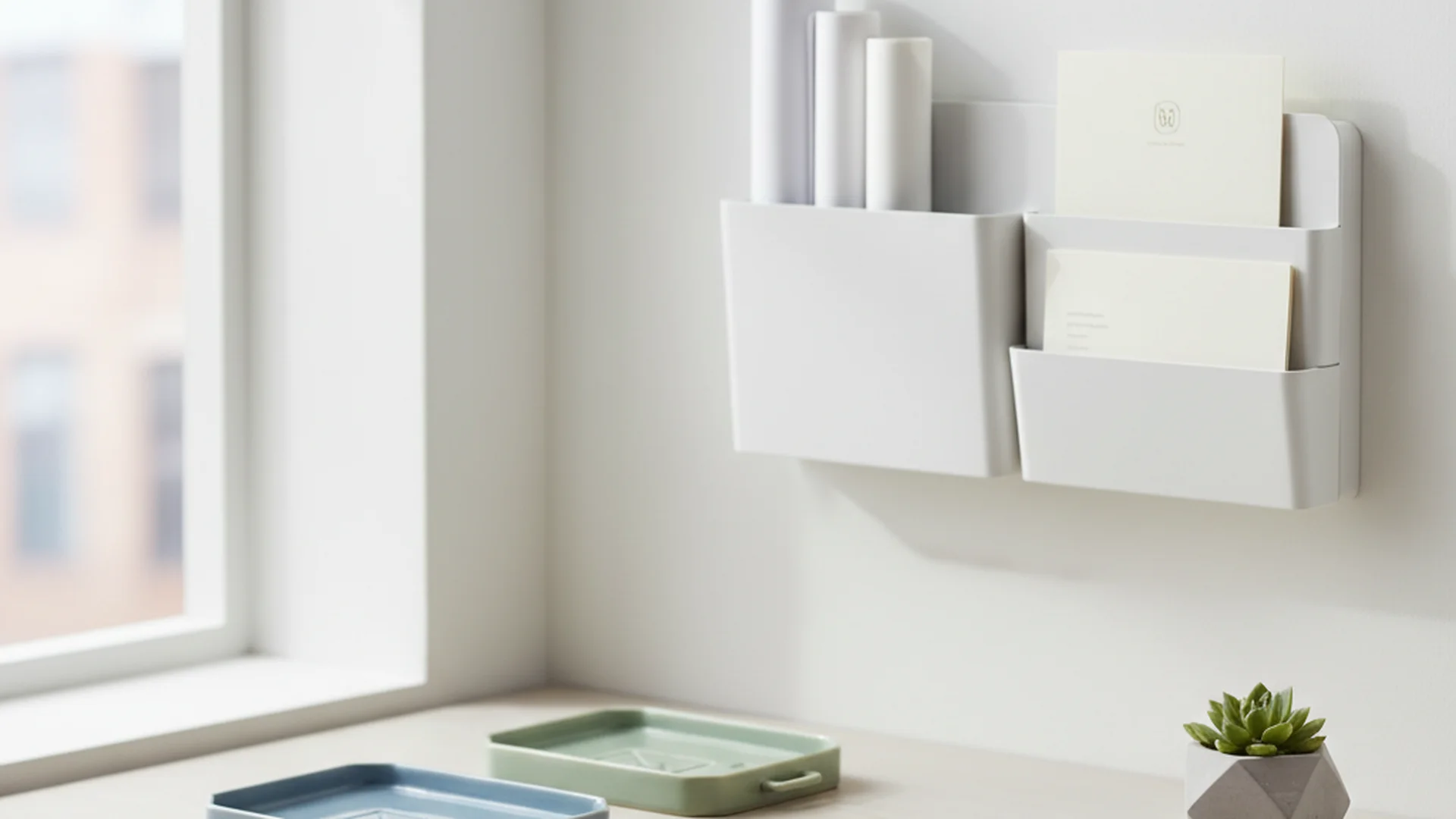
One client spent 15 minutes every morning looking for keys. By installing a simple wall-mounted mail sorter and key hooks (Organizing), they stopped the "piling" habit. Now, cleaning the entryway takes 30 seconds of sweeping rather than 10 minutes of sorting through paper.
Example 2: The Digital Transition
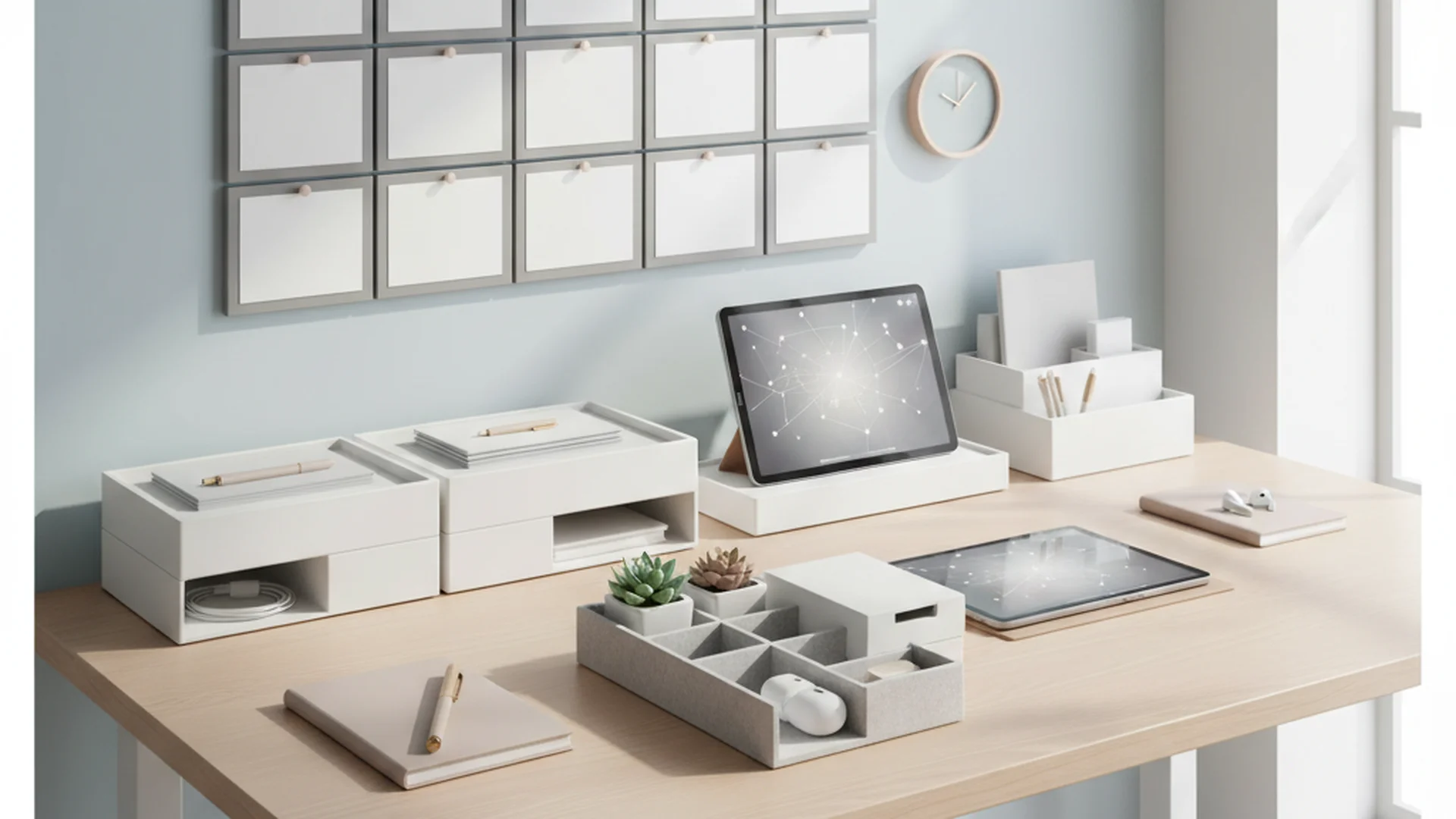
Before cleaning a home office, a professional organizer scanned all physical documents into a secure cloud and shredded the paper. This removed the "dust collectors" (paper stacks), making the physical cleaning of the desk a breeze.
Example 3: The Bathroom Drawer
By using diy organizing before cleaning tactics—like using old ice cube trays to hold earrings and bobby pins—a client turned a chaotic bathroom vanity into a streamlined station. They found they needed to deep clean the drawer only once every six months because the items stayed in their designated "cubbies."
Common Mistakes to Avoid
- Buying Bins Before Decluttering: This is the #1 mistake. You will end up with "organized trash." Always declutter first, measure your space second, and buy containers third.
- Organizing "Later": If you clean a surface and put the mess into a "to be sorted" box, that box will likely stay there for months. The system must be established before the soap hits the surface.
- Over-Complicating the System: If your organization system requires more than two steps to maintain (e.g., filing receipts by color and date), you will abandon it. Keep it simple enough for a child to follow.
Frequently Asked Questions
Should I clean or organize first?
Can I just hire a cleaning service to organize for me?
How do I start when the whole house is a mess?
What is the "One-In, One-Out" rule?
Conclusion
Mastering the art of organizing before cleaning is the ultimate shortcut to a peaceful home. By reducing the volume of items you own and creating dedicated "homes" for the items you keep, you transform cleaning from a daunting, all-day chore into a simple, routine maintenance task. Start small, focus on one drawer today, and watch how the stress leaves your home along with the clutter.
Success: Transitioning to an "Organize First" mindset can meaningfully reduce your weekly cleaning time while significantly lowering your daily stress levels.
Cleaning that keeps score
Every task earns points, every streak multiplies them, and Premium adds a household leaderboard plus a monthly Dustagorgon to beat.
- Free forever
- 30 badges to earn
- Up to 6 in a household
No card needed. Set up your rooms in a couple of minutes.