In this article
What you’ll learn
- Use the "Clean Slate" method before buying any products.
- Prioritize moisture-resistant materials like bamboo and recycled acrylic.
- Utilize vertical space with L-shaped drawers to work around plumbing.
Learning how to organize under bathroom sink is no longer just a weekend chore—it is a functional necessity that directly impacts your mental well-being and daily efficiency. As we move into 2025, the standard for home organization has shifted from simple storage to "micro-optimized zones" that prioritize accessibility and visual calm. In a world where space is at a premium and daily schedules are tighter than ever, a cluttered bathroom cabinet can be a significant source of morning friction.
By implementing a strategic organizational system, you can transform a chaotic "catch-all" cabinet into a high-efficiency zone that streamlines your routine.
The Psychology of an Organized Vanity
Before we dive into the physical labor, it is important to understand why this specific area matters. Household clutter and everyday stress tend to feed each other. Many people treat home organization as a genuine de-stressor, and plenty of homeowners find that when their home is organized, they feel their life is more organized overall.
The bathroom sink is one of the most high-traffic areas in the home. Organizing this space can take a real bite out of your housework by reducing the time spent searching for items and cleaning up spills. When every item has a dedicated home, the "visual noise" of your environment decreases, leading to a calmer start and end to your day.
Phase 1: The "Clean Slate" Method
The most common mistake people make when learning the best way organize under bathroom sink is buying containers before they’ve assessed their inventory. To do this correctly, you must follow the Clean Slate method.
Step 1: The Total Empty
Remove every single item from the cabinet. Do not leave a single bottle or stray cotton swab. Place everything on the bathroom floor or a nearby counter. This allows you to see the true volume of what you are dealing with.
Step 2: Purge and Evaluate
Check expiration dates on everything from sunscreens to ointments. In 2025, we are more aware than ever of product shelf life. If it hasn’t been used in a year, or if the texture or smell has changed, toss it.
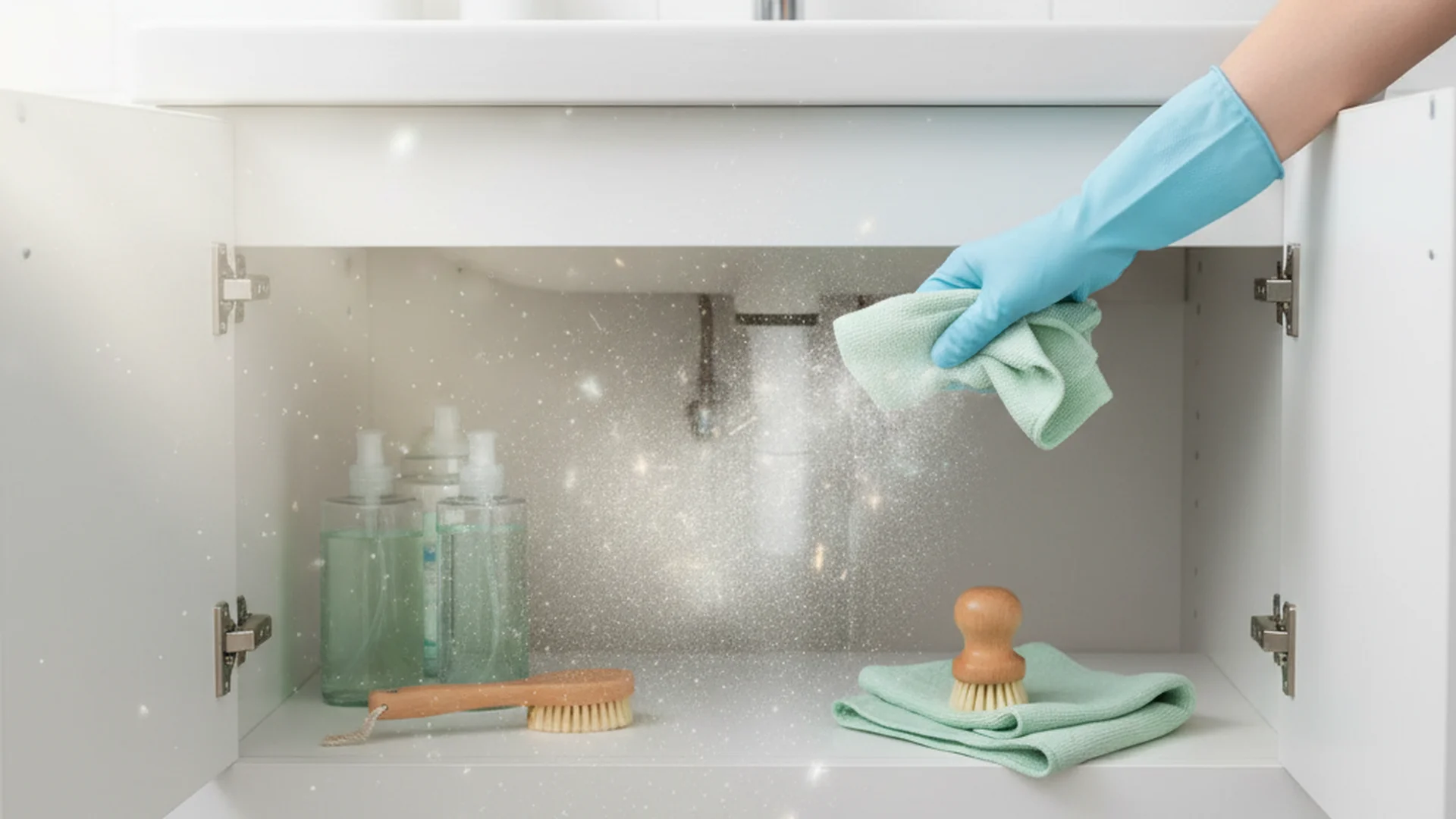
Step 3: Deep Clean
Wipe down the interior of the cabinet with a non-toxic cleaner. This is the only time the cabinet will be empty, so take the opportunity to remove dust, hair, and leaked soap residue.
Warning: Never store medicine or nail polish under the bathroom sink. The heat and humidity from the shower can degrade the chemical composition of medications and cause nail polish to thicken or separate.
Navigating the Plumbing Challenge
The single biggest challenge people run into when attempting home organization is a lack of space. Under the sink, this challenge is compounded by bulky U-pipes and water lines. To maximize this "dead space," you need specialized organize under bathroom sink ideas.
Expandable Organizers
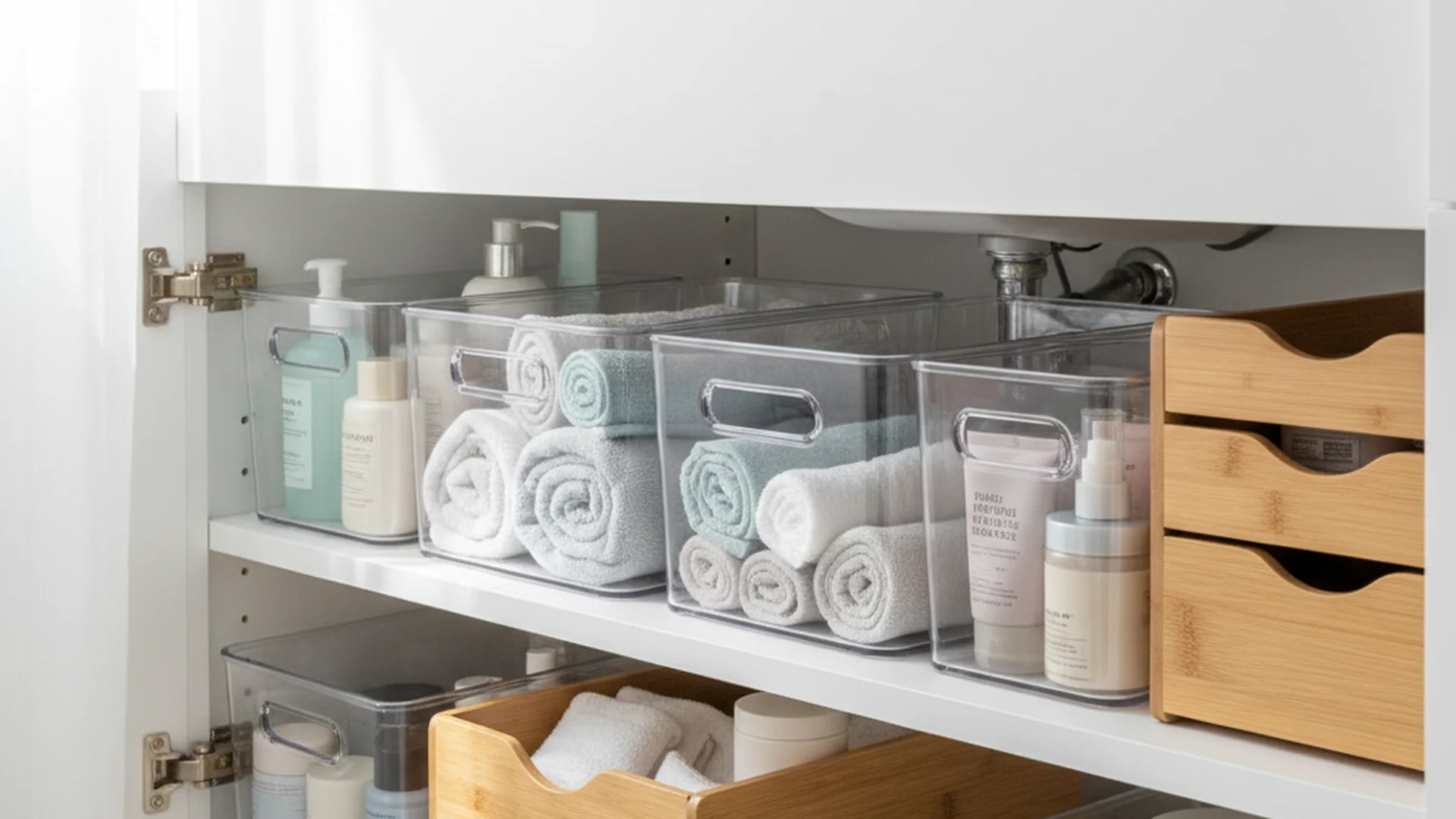
Look for modular systems that feature removable slats. These allow the shelves to "wrap" around the vertical pipes, providing a solid surface where there was previously only air.
L-Shaped Tiered Drawers
These are a 2025 favorite. The bottom drawer is a full-sized rectangle, while the top drawer is narrower or shorter to provide clearance for the sink basin and the P-trap. This utilizes vertical height that usually goes to waste.
Pipe-Hugging Caddies
Recent trends have introduced "C-shaped" or "U-shaped" frames specifically engineered to fit perfectly into the narrow gaps behind and beside plumbing.
Note: Always start your organization project with a waterproof shelf liner. This protects your cabinetry from potential leaks and makes future spills much easier to clean.
Categorization by Routine
Modern organization is about "grouping by activity" rather than "grouping by item type." This prevents the "digging" behavior that leads to clutter.
- The Morning Routine Bin: Face wash, toner, moisturizer, and daily hair products.
- The Nighttime Routine Bin: Eye creams, heavy moisturizers, and makeup removers.
- The First Aid Zone: Bandages, antiseptic, and thermometers (remember: no pills!).
- Backstock: Extra toothpaste, soap bars, and toilet paper.
The "Two-Foot Rule"
Focus on the 24 inches of space you interact with most. Items used daily should be at the very front or in the top drawer of a tiered system. If it takes more than two feet of effort to reach an item, it should be categorized as backstock and moved to the rear or a different room entirely.
Success: Categorizing by routine shaves minutes off every morning—time that really adds up over the course of a year!
2025 Design Trends and Materials
In 2025-2026, the trend has shifted away from purely functional plastic toward materials that feel like an extension of a spa.
1. Eco-Conscious Materials
Sustainable materials like bamboo and recycled acrylics are dominating the market. Bamboo is particularly popular for bathroom use because it is naturally moisture-resistant and brings a warm, textured neutral look to the space.
2. Decanting for Visual Calm
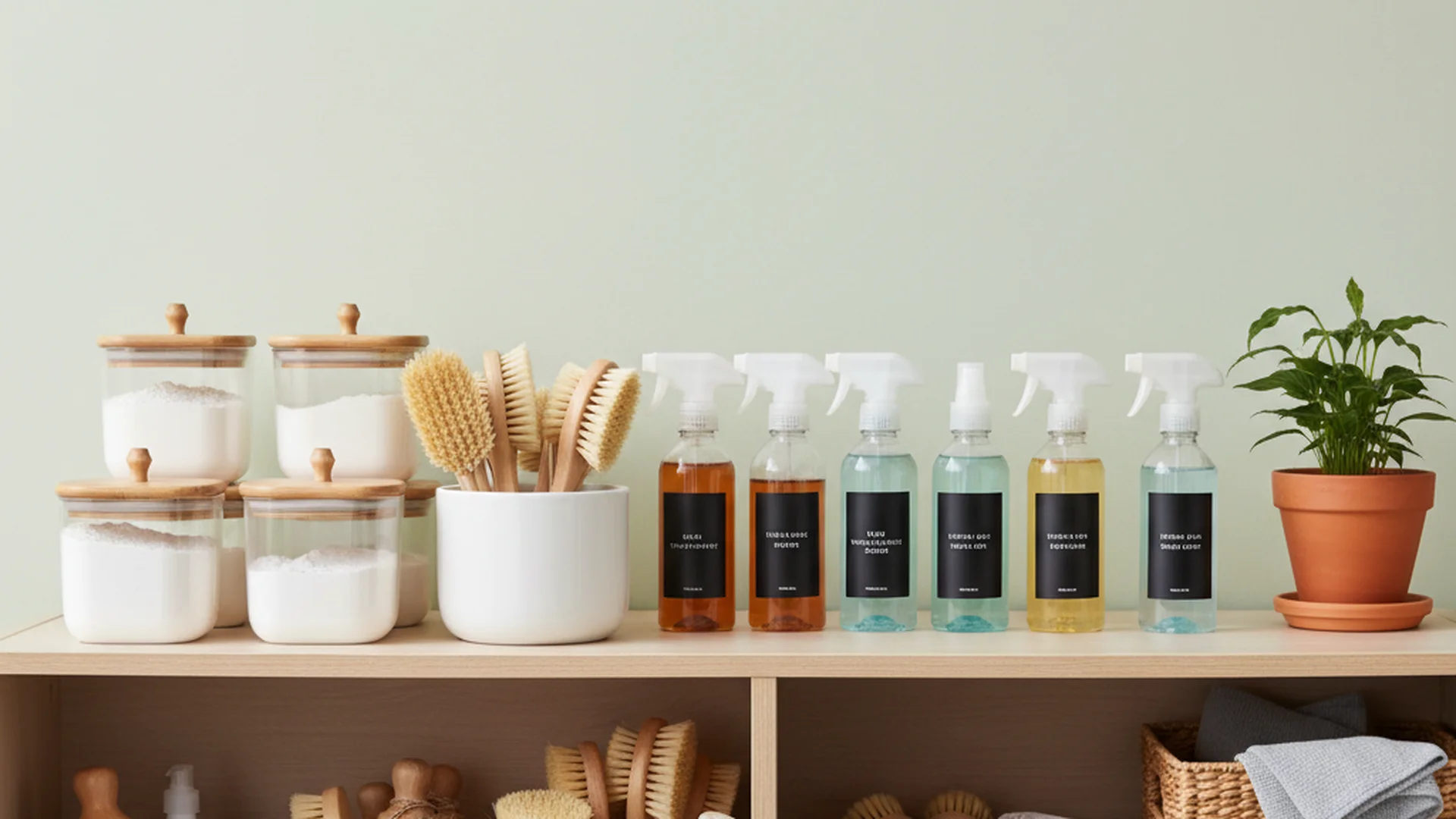
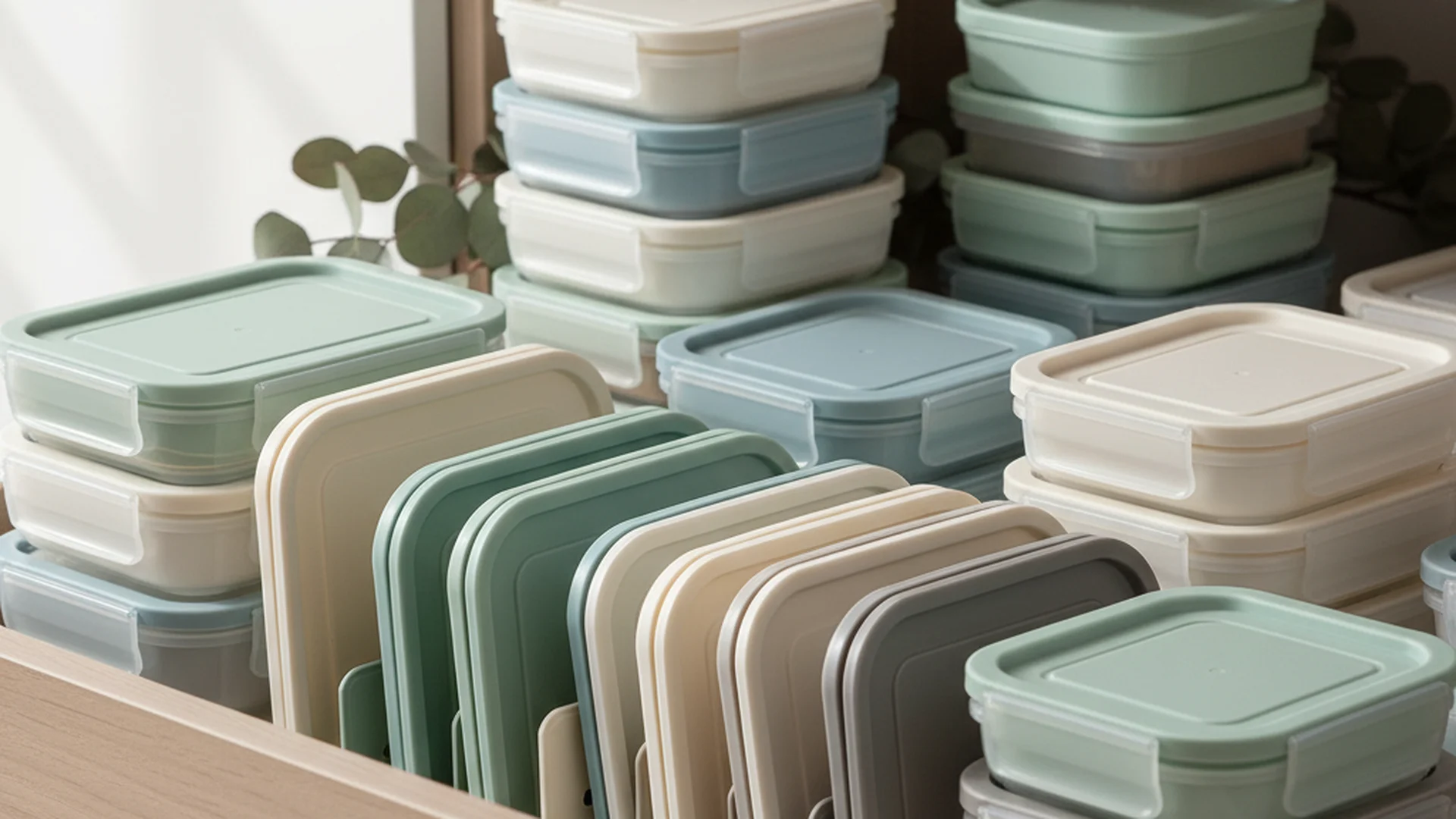
A popular move now is removing products from bulky, mismatched original packaging. By placing items like cotton balls, bath salts, or even mouthwash into uniform, labeled containers, you reduce visual clutter. This also allows you to see at a glance when supplies are running low.
3. Acrylic Trash Bag Dispensers
A micro-trend for 2025 involves specialized dispensers for small bathroom trash liners. These are often flat-topped, allowing them to double as a mini-shelf for sponges or extra soap.
| Material | Pros | Cons | Best For |
|---|---|---|---|
| Bamboo | Sustainable, moisture-resistant, aesthetic | Can be pricier | Drawers, open bins |
| Acrylic | Transparent (visibility), easy to clean | Can scratch, shows fingerprints | Backstock, small items |
| Recycled Plastic | Durable, affordable, lightweight | Less "premium" feel | Cleaning supplies |
Real-World Examples of Success
Case Study 1: The Small Apartment Solution
In a 45-square-foot bathroom in New York, a resident used a combination of a two-tier sliding L-shaped rack and adhesive "command" hooks on the inside of the cabinet doors. By moving the hair dryer and brushes to the door, they cleared enough floor space under the sink for a full year's supply of backstock toiletries.
Case Study 2: The Guest Bath Transformation
To create a spa-like experience, a homeowner decanted all guest essentials into uniform glass jars with bamboo lids. They added a "Smart Label" (QR code) to the inside of the door that links to a digital inventory. When a guest uses the last of the shampoo, the homeowner can reorder it with one tap on their phone.
Case Study 3: The Family Bathroom
With three children sharing one sink, a family implemented color-coded "Grab-and-Go" bins. Each child has a specific colored bin containing their toothbrush, paste, and hairbrush. This eliminated the morning "he took my brush" arguments and made cleaning the counter a five-second task.
Common Mistakes to Avoid
Even with the best intentions, certain errors can ruin your organizational efforts.
- Buying Before Measuring: This is the most common error. People buy "standard" bins that end up hitting the pipes or preventing the cabinet door from closing. Always measure the width, depth, AND the height of the pipes before shopping.
- Over-complicating the System: If it takes three steps to reach a bottle of cleaner, you won't put it back. Systems should be "one-touch" or "two-touch" at most for daily items.
- Ignoring the Back of the Cabinet: Deep cabinets often become a graveyard for expired products. Use a Lazy Susan (turntable) or extra-long sliding drawers to bring items in the back row to the front easily.
- Neglecting a Leak Plan: Storing cardboard boxes or paper-wrapped items (like toilet paper) directly on the cabinet floor is a mistake. Use plastic or elevated bins for anything paper-based to protect them from potential plumbing failures.
Tip: Use a "Lazy Susan" for cleaning supplies. It allows you to access bottles at the back of the cabinet without knocking over everything in the front.
Frequently Asked Questions
What is the first step to organizing under the sink?
How do I work around bulky plumbing pipes?
Should I use open bins or closed drawers?
How do I prevent water damage?
Conclusion
Organizing under your bathroom sink is a high-reward project that pays dividends in daily efficiency and mental clarity. By utilizing 2025 trends like micro-optimized zones, eco-friendly materials, and routine-based categorization, you can turn one of the most difficult spaces in your home into a model of domestic efficiency. Remember to measure twice, purge ruthlessly, and prioritize the items you use most within that "two-foot" reach zone.
Success: Once your system is in place, maintenance should only take 5 minutes a month. You’ll enjoy a calmer morning and a more functional home.
Cleaning that keeps score
Every task earns points, every streak multiplies them, and Premium adds a household leaderboard plus a monthly Dustagorgon to beat.
- Free forever
- 30 badges to earn
- Up to 6 in a household
No card needed. Set up your rooms in a couple of minutes.