In this article
What you’ll learn
- Never store medications in the bathroom due to heat and humidity.
- Categorize items by symptom rather than size for faster access.
- Implement biometric locks and smart sensors for modern safety.
Most of us treat the medicine cabinet as a "set it and forget it" zone—a cluttered nook filled with half-used ointment tubes and pills from three years ago. However, learning how to organize medicine cabinet contents isn't just about aesthetics; it is a critical safety measure. Most households are hanging on to expired drugs without realising it, unaware that these medications lose potency or change chemically over time. As a professional cleaning consultant, I have seen how a disorganized cabinet can lead to dangerous mix-ups or wasted money on duplicate supplies.
The High Cost of Disorganization
Before we dive into the logistics, we must address the "expired epidemic." It is alarmingly common for someone to take a potentially harmful medication simply because they never thought to check the use-by date.
When your cabinet is a mess, you aren't just losing time; you are risking your health. Proper organization ensures that during a midnight fever or a sudden allergic reaction, you can find exactly what you need without hesitation.
The Five-Step "Reset" Protocol
The best way organize medicine cabinet spaces is to follow a systematic "Reset" protocol. This ensures that every item is accounted for and that the storage environment is sterile and safe.
Step 1: The Great Excavation
Empty the entire cabinet. You cannot effectively organize what you cannot see. Place every bottle, box, and tube on a clean countertop. Once the shelves are bare, use a sanitizer to wipe down every surface. This removes the inevitable "goo" from leaked cough syrups and the dust that accumulates in small spaces.
Note: Use a mild, non-toxic disinfectant for the interior shelves to ensure no harsh chemical residues interact with medication packaging.
Step 2: The Purge Protocol
Check every single expiration date. If it’s past its prime, it goes. This includes leftover prescriptions from past illnesses (especially antibiotics, which should always be finished as prescribed) and any medication that has changed color or smell.
Warning: Most unused medication ends up in the regular trash or down the toilet. This can lead to environmental contamination. Use a local "Drug Take-Back" program or a pharmacy disposal kiosk instead.
Step 3: Categorization by Ailment
Instead of sorting by bottle size, group your items by use. This is the gold standard for organize medicine cabinet ideas. Common categories include:
- First Aid: Bandages, antiseptic wipes, and gauze.
- Pain Relief: Acetaminophen, Ibuprofen, and aspirin.
- Cold & Flu: Decongestants, cough syrups, and throat lozenges.
- Daily Maintenance: Vitamins and daily prescriptions.
- Topicals: Hydrocortisone, antibiotic ointments, and burn creams.
Step 4: Maximize Vertical Space
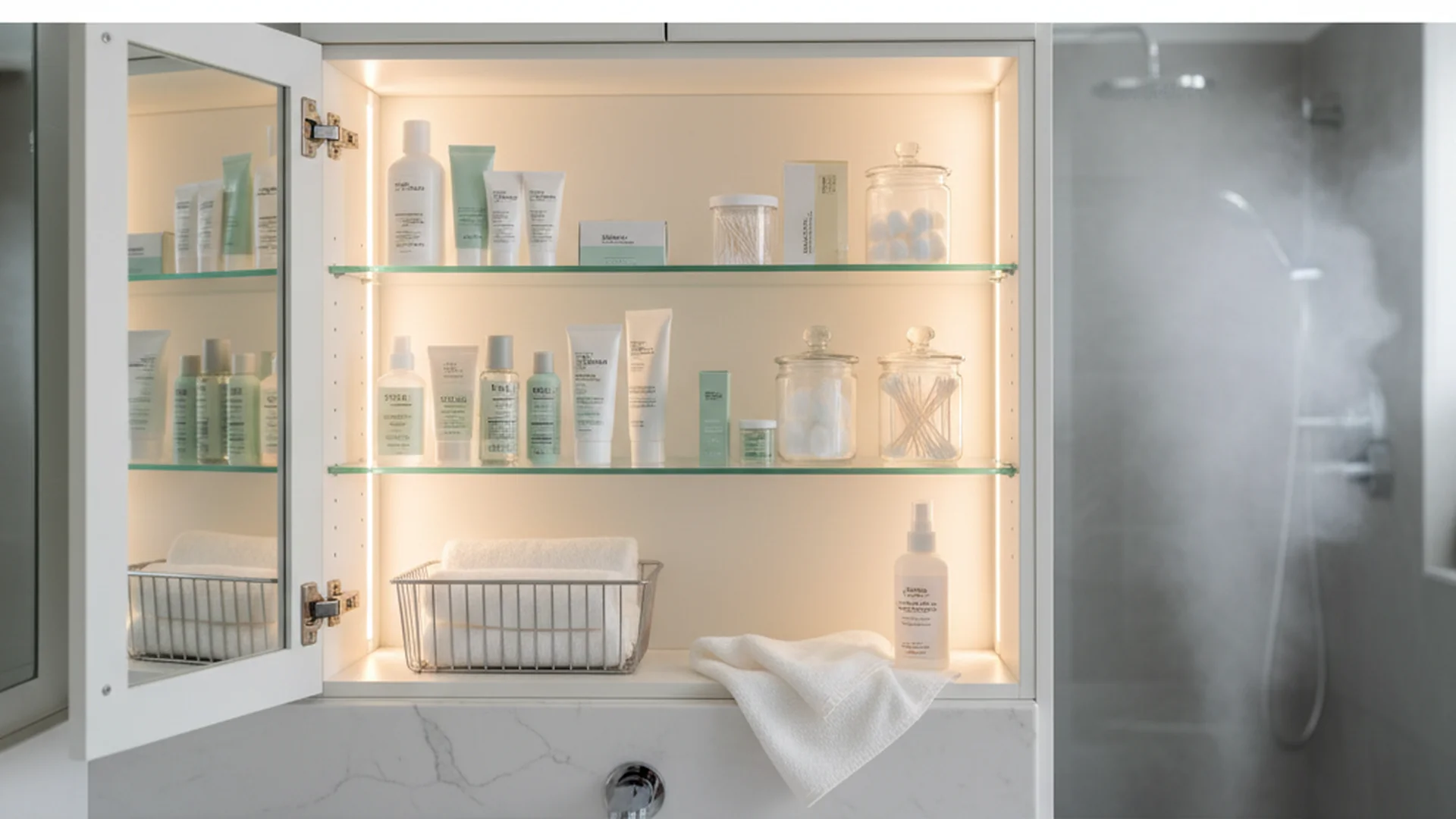
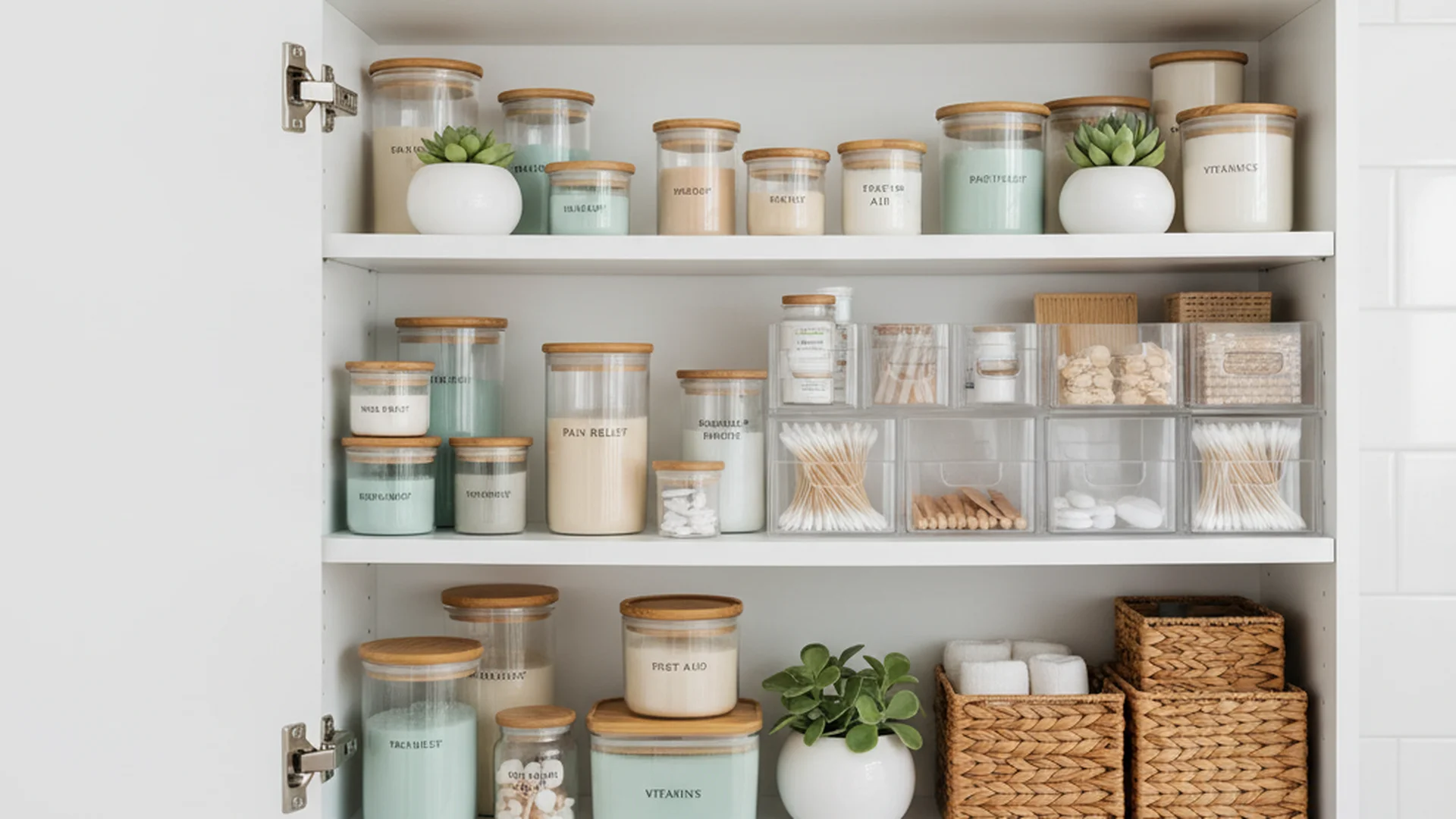
Medicine cabinets are notoriously narrow and tall. Use clear acrylic risers or "stadium seating" shelves. This allows you to see the labels of the back row without having to move everything in the front.
Tip: Clear bins are superior to opaque ones because they allow you to perform a visual inventory in seconds.
Step 5: Labeling for Clarity
Use 1-inch labels with a large, legible font. This ensures that during a midnight emergency, you aren't squinting at tiny text to find the child-safe fever reducer.
Success: A well-labeled cabinet dramatically cuts your "search time," which is crucial during medical emergencies.
Real-World Organization Examples
To help you visualize these concepts, let’s look at three common household scenarios:
- The Allergy Box: Instead of having loose blister packs of antihistamines scattered about, one client used a small, labeled "Seasonal Allergy" bin. It contained eye drops, nasal spray, and tablets. When pollen counts spiked, the entire bin could be pulled out and placed on the counter for easy access.
- The New Parent Station: For a household with an infant, we created a dedicated "Baby Wellness" shelf. This shelf was positioned at eye level and included a digital thermometer, infant-grade fever reducers, and a bulb syringe. Because these were separated from adult medications, the risk of accidental adult-strength dosing was eliminated.
- The Chronic Care Zone: For a client managing hypertension and diabetes, we utilized a weekly pill-sorting station inside the cabinet. By keeping the bulk bottles on a higher shelf and the "ready-to-go" daily doses at eye level, the client never missed a dose.
Location Matters: The "Bathroom Irony"
The biggest mistake people make is taking the name "medicine cabinet" literally. The bathroom is one of the worst rooms in the house for storing medication.
The heat and humidity generated by showers can cause pills to degrade and ointments to separate. In fact, storing meds in a room that regularly reaches 80°F and 90% humidity is the fastest way to ruin expensive prescriptions. A cool, dry closet or a kitchen cabinet located far away from the stove or toaster is a much safer alternative.
Common Mistakes to Avoid
Avoid these frequent pitfalls to keep your family safe and your supplies effective:
| Mistake | Why It’s Dangerous | The Solution |
|---|---|---|
| Keeping Leftover Antibiotics | Promotes antibiotic resistance. | Always finish the full course or dispose of leftovers. |
| Mixing OTCs and Prescriptions | Increases risk of "double-dosing" on active ingredients. | Store in separate, clearly labeled bins. |
| The "Grandma's Band-Aid" | Old adhesive dries out and sterility is lost. | Replace bandages if the packaging is yellowed or brittle. |
| Storing Near Heat Sources | Heat degrades chemical potency. | Move cabinet away from stoves, radiators, or sunny windows. |
| Unlocked Access | Risk of accidental ingestion by children or guests. | Use a locking cabinet or biometric security. |
The Future of the Cabinet: 2026 Trends
As we move into 2026, the humble medicine cabinet is getting a high-tech makeover. If you are looking for modern organize medicine cabinet ideas, consider these emerging trends:
- Smart Integration: High-end cabinets now feature integrated temperature and humidity sensors. These devices alert your smartphone if the environment becomes too damp or hot for your medications.
- Biometric Security: Fingerprint and Bluetooth-enabled locks are becoming standard in homes with teenagers or frequent guests to prevent "cabinet grazing."
- Wellness Zones: The trend is shifting from "medicine-only" storage to "Wellness Hubs." These include space for skincare fridges, LED light therapy masks, and oral care stations.
- Circadian Lighting: Integrated LED lighting now adjusts from cool white in the morning to warm amber at night, ensuring you don’t disrupt your sleep cycle during a late-night visit for water or aspirin.
Frequently Asked Questions
Is the bathroom actually the best place for a medicine cabinet?
How do I safely dispose of expired medicine?
Is it dangerous to take medicine that expired last month?
Should my medicine cabinet be locked?
What are the best containers for organizing?
Conclusion
Organizing your medicine cabinet is a small task that yields significant rewards in safety, efficiency, and peace of mind. By moving your supplies out of the humid bathroom, purging expired items, and utilizing vertical storage with clear labels, you create a "Wellness Hub" that truly supports your health.
Remember to perform a "cabinet audit" every six months. This ensures you are never caught off guard by an empty box of bandages or a bottle of expired pain relief when you need them most.
Success: Following these steps will transform your cluttered cabinet into a streamlined, life-saving resource for your entire household.
Cleaning that keeps score
Every task earns points, every streak multiplies them, and Premium adds a household leaderboard plus a monthly Dustagorgon to beat.
- Free forever
- 30 badges to earn
- Up to 6 in a household
No card needed. Set up your rooms in a couple of minutes.