In this article
What you’ll learn
- Morning cleaning boosts productivity and utilizes natural light for deep cleaning.
- Evening cleaning, or the 'Closing Shift,' reduces morning anxiety and stress.
- A hybrid approach based on your chronotype is often the most sustainable method.
We have all been there: standing in the middle of a cluttered living room at 9:00 PM, wondering if we should tackle the mess now or leave it for the morning. The morning vs evening cleaning debate is more than just a matter of preference; it is a choice that impacts your mental health, sleep quality, and daily productivity. As our lives become increasingly busy heading into 2026, finding the right rhythm for home maintenance is essential for maintaining a sense of peace in an unpredictable world.
Whether you are an early bird who finds solace in the quiet of dawn or a night owl who thrives on a "closing shift" mentality, understanding the science behind timing can transform your relationship with your home.
The Psychology of a Clean Space
Before we dive into the specifics of timing, it is important to understand why the state of our home affects our brains so profoundly. There is a direct link between physical clutter and how stressed you feel. Living in a cluttered environment tends to keep you quietly keyed up throughout the day.
Conversely, those who maintain a tidy environment find that tension eases as the day progresses. This means that your cleaning routine isn't just about aesthetics; it is a fundamental pillar of your mental health strategy. Furthermore, people working in organized environments tend to move through their tasks far faster than those in cluttered spaces. By choosing the right time to clean, you are essentially "hacking" your brain for better focus.
The Morning Power Hour: The "Deep Refresh"
For many, the morning represents a fresh start. Implementing a morning cleaning routine allows you to take advantage of your peak energy levels and the unique environmental benefits of the early hours.
Leveraging Natural Light
One of the biggest advantages of morning cleaning is the presence of natural sunlight. Artificial lighting often hides thin layers of dust or streaks on glass. Morning light hits surfaces at an angle that makes grime more visible, allowing for a more thorough "deep refresh."
The Keystone Habit: Making the Bed
People who make their beds every morning tend to report sleeping better at night. This simple task acts as a "keystone habit"—a small win that triggers a chain reaction of other productive choices throughout the day.
High-Energy Tasks
The morning is the ideal time for physically demanding chores. If you have the energy after your first cup of coffee, this is the time to:
- Vacuum high-traffic areas.
- Scrub the bathrooms.
- Start a load of laundry that can be moved to the dryer by lunch.
Tip: Use the post-sleep energy peak for tasks you usually procrastinate on. Once the "hard" chores are done by 9:00 AM, the rest of the day feels lighter.
The Evening "Closing Shift": Resetting for Tomorrow
The "Closing Shift" is a trend that has exploded in popularity throughout 2025. Borrowed from the retail and restaurant industry, this concept involves treating your home like a business that needs to be "reset" before the doors open the next day.
Reducing Decision Fatigue
The primary goal of an evening routine is to eliminate "decision fatigue" for the following morning. When you wake up to a clean kitchen and a pre-packed bag, you save precious mental energy that can be directed toward your work or family.
Transitioning to Sleep Mode
Low-impact tidying, such as fluffing sofa cushions or clearing the coffee table, sends a signal to your brain that the "active" part of the day is over. This helps the brain transition into "sleep mode," reducing the racing thoughts often caused by looking at unfinished chores.
Key Evening Tasks
- The Kitchen Reset: Load and run the dishwasher so you have clean dishes in the morning.
- Surface Sweep: Clear all flat surfaces (counters, tables) of daily clutter.
- The 15-Minute Fluff: Put away toys, shoes, and mail that accumulated during the day.
Success: Waking up to a "neutral" environment—one with no visual reminders of yesterday's mess—takes a real bite out of morning anxiety.
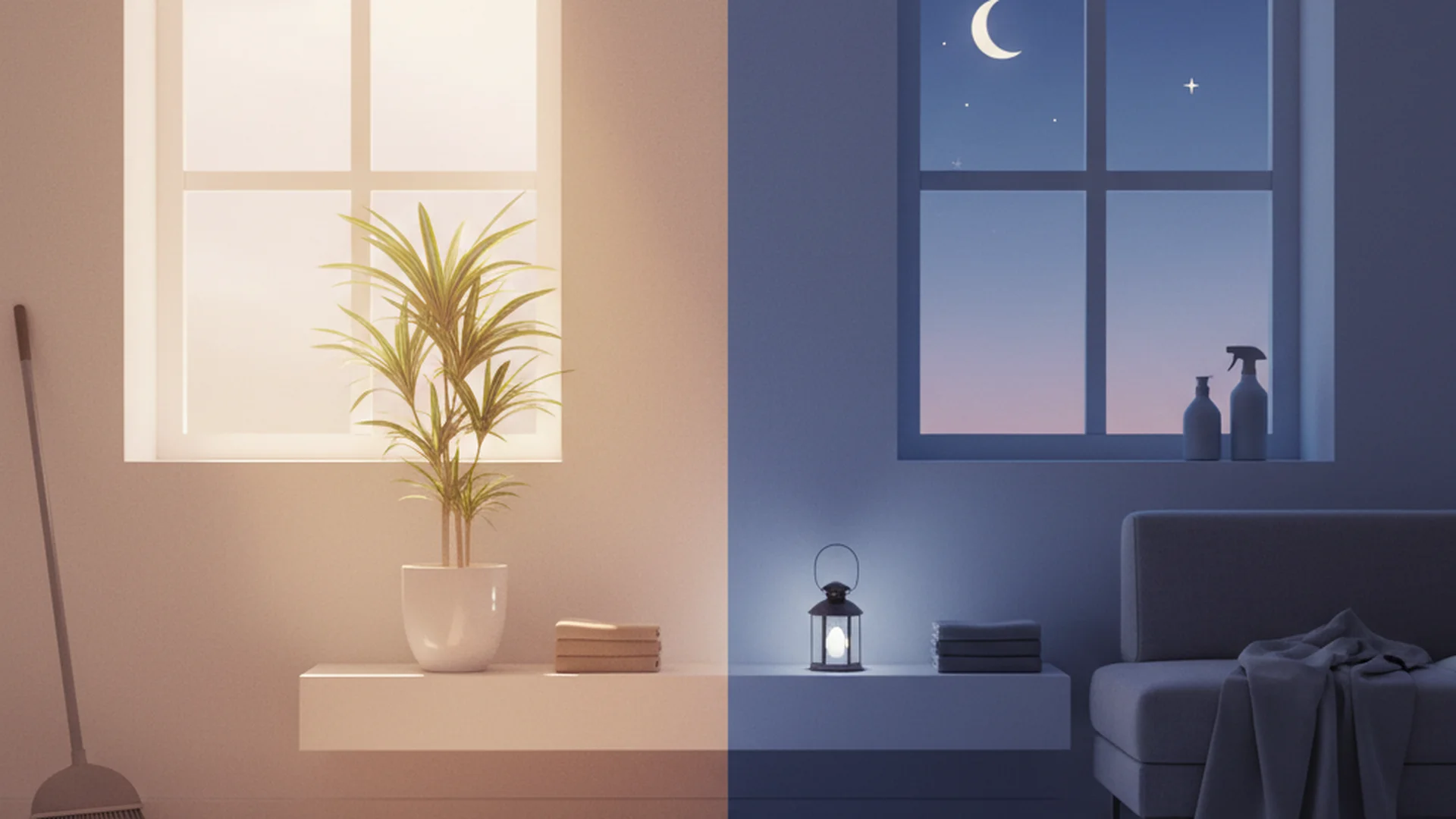
Morning vs. Evening: At a Glance
| Feature | Morning Cleaning | Evening Cleaning |
|---|---|---|
| Primary Benefit | Increased focus & productivity | Reduced anxiety & better sleep |
| Best For | Deep cleaning & heavy lifting | Tidying & resetting |
| Light Source | Natural sunlight (spots dust) | Artificial light (calming) |
| Energy Level | High (for most chronotypes) | Low to Moderate (winding down) |
| Key Task | Making the bed / Laundry | Kitchen reset / Dishwasher |
Real-World Examples: Finding Your Fit
Example 1: The Remote Professional
Sarah works from home and found that a morning routine was essential. By spending 20 minutes cleaning her workspace and kitchen before logging on, she reduced her cognitive load. This allowed her to stay focused on deep-work tasks without being distracted by the pile of dishes in the sink.
Example 2: The Busy Parent
David and Maria found that morning cleaning was impossible with two toddlers. They adopted the "Closing Shift" model. Once the kids are in bed, they spend 15 minutes together resetting the living room. This "micro-cleaning" prevents the weekend burnout of having to spend six hours cleaning a week's worth of mess.
Example 3: The Energy-Conscious Household
In 2025, energy costs are a major concern. The "Eco-Warrior" household shifts their heavy appliance usage (like the dishwasher and dryer) to the evening or early morning based on off-peak electricity rates, integrating their cleaning schedule with financial efficiency.
Note: Commercial buildings that shift to daytime cleaning save on energy because they don't need to keep lights on late at night. You can apply this logic to your home by cleaning while the sun is up!
2025–2026 Trends: The Future of Tidying
Cleaning has evolved from a chore into a lifestyle category focused on wellness and technology.
Dopamine Cleaning
This trend involves making chores "joy-first." It includes "gamifying" tasks using apps, creating "dopamine menus" (where you reward yourself with a favorite snack or show after a task), and curated upbeat playlists. The goal is to trigger a dopamine release, making the habit easier to stick to.
AI-Integrated Routines
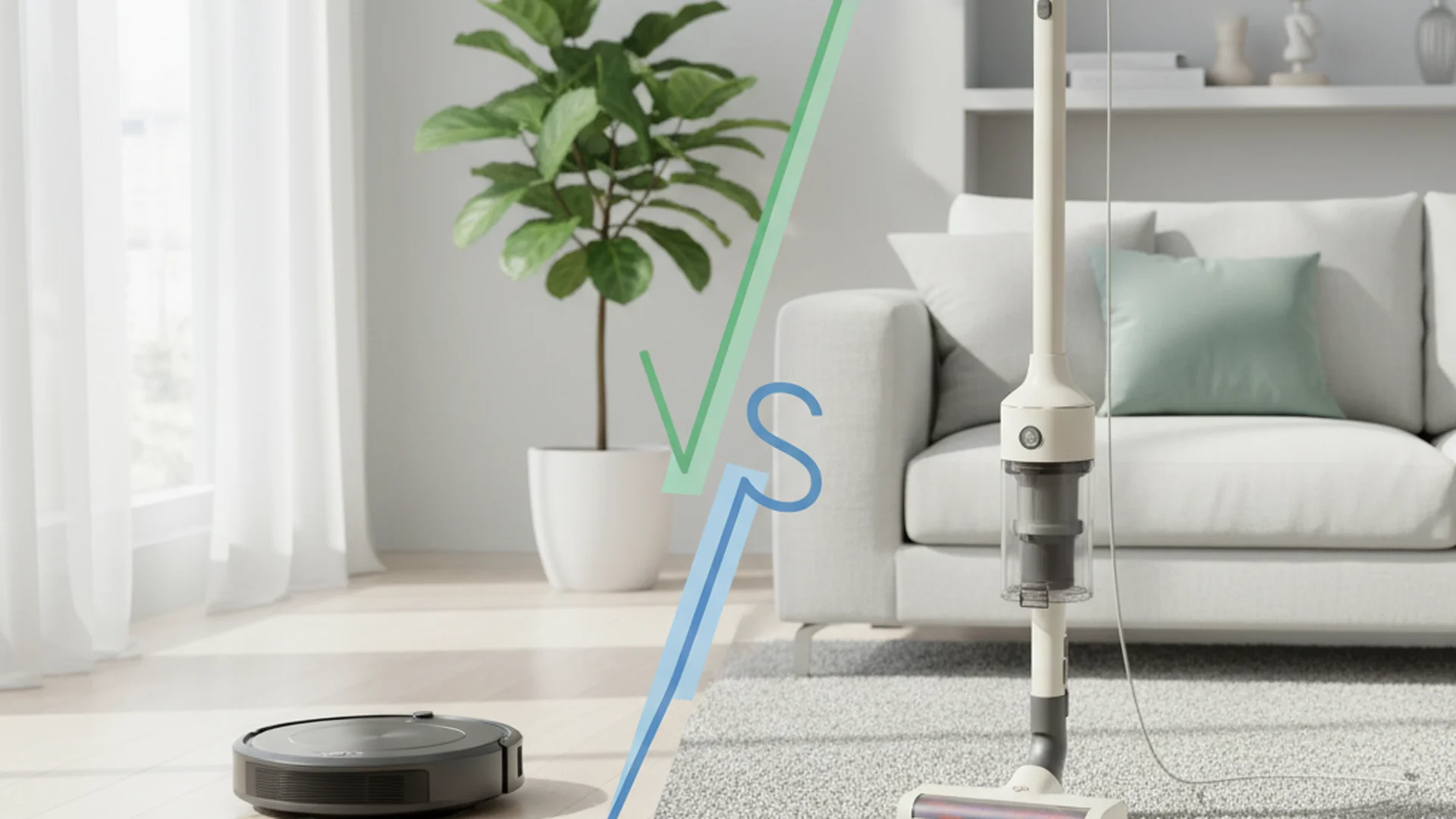
By 2026, smart home systems are expected to "predict" cleaning needs. Robotic vacuums and mops, which have become far more common in recent years, now sync with air quality sensors. If the air sensors detect high dust levels, your AI assistant might suggest a morning dusting session.
Sensory Cleaning
In 2025, we see a shift toward "sensory cleaning." This involves using high-end, essential-oil-based products (like sandalwood or eucalyptus) to turn a mundane task into a "mini-spa" experience. It aligns with the idea of cleaning as a mindfulness practice.
Warning: While sensory cleaning is great, ensure your essential-oil-based cleaners are pet-safe, as some oils can be toxic to cats and dogs.
Common Mistakes to Avoid
Even with the best intentions, timing your cleaning incorrectly can lead to extra work or poor results.
- Mopping Too Early: If you mop the floors at 7:00 AM in a busy household, you will likely have footprints on the damp floors by 7:15 AM. It is better to mop mid-morning after everyone has left or late at night.
- Morning Dusting: HVAC systems often kick into high gear in the morning as the house warms up, stirring up particles. Dusting is actually more effective in the evening when the air has settled.
- Cleaning Windows in the Sun: Never clean windows in direct morning sunlight. The heat causes the cleaning solution to evaporate too quickly, leaving behind stubborn, unsightly streaks.
- The "All or Nothing" Fallacy: Waiting for "Cleaning Saturday" leads to burnout. Try the "micro-cleaning" approach instead—one 5-minute task in the morning and one in the evening.
Frequently Asked Questions
Is it better to clean in the morning or at night?
How long should a daily cleaning routine take?
Can cleaning really improve my mental health?
What is "Dopamine Cleaning"?
Conclusion: Finding Your Hybrid Routine
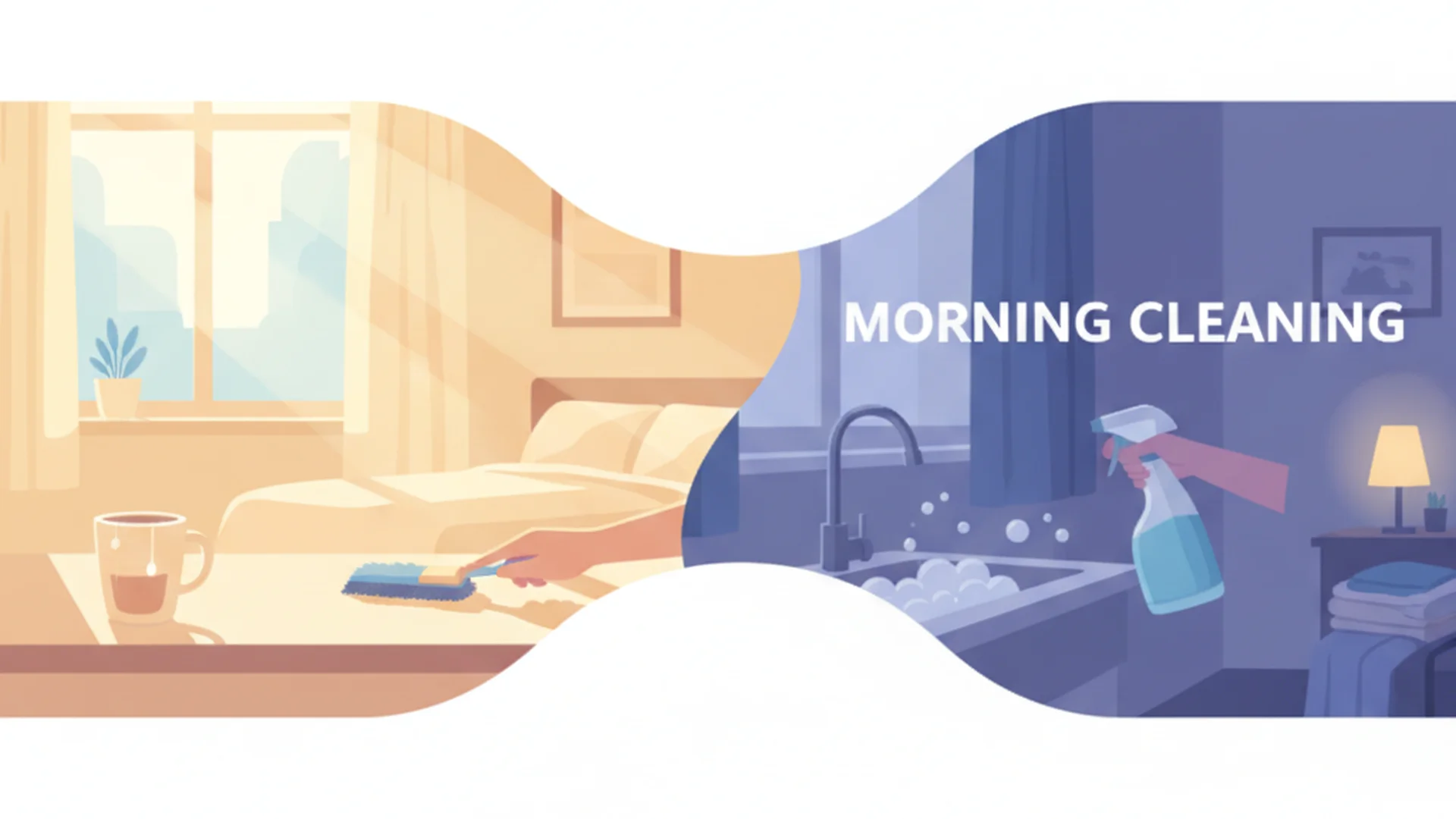
In the battle of morning vs evening cleaning, the winner is ultimately a hybrid approach tailored to your lifestyle. By performing high-energy "deep refreshes" in the morning and calming "closing shifts" in the evening, you create a sustainable cycle that supports both your productivity and your peace of mind.
As we move into 2026, remember that cleaning is no longer just about removing dirt—it is about creating a sanctuary. Whether you use an AI-powered robot or a simple microfiber cloth, the act of tending to your home is an act of self-care.
Success: By implementing just one small morning and one small evening task today, you are already on your way to a more productive day.
Cleaning that keeps score
Every task earns points, every streak multiplies them, and Premium adds a household leaderboard plus a monthly Dustagorgon to beat.
- Free forever
- 30 badges to earn
- Up to 6 in a household
No card needed. Set up your rooms in a couple of minutes.