In this article
What you’ll learn
- Implement the 'Zone Method' to define the purpose of every corner.
- Use open storage and picture labels to reduce cleaning 'friction' for children.
- Prioritize sustainable, natural materials like rattan and bamboo over plastic.
For many parents, entering a child’s bedroom can feel like stepping into a chaotic minefield of plastic bricks and stray plushies. However, effective kids room organization is about more than just hiding the mess; it is a vital component of a child's developmental environment. As we move into 2025 and 2026, the shift toward "modern parenting" emphasizes structured spaces that foster independence, focus, and emotional regulation.
Research from UCLA has shown that high levels of physical clutter in the home correlate directly with elevated cortisol (stress hormone) levels in parents. This "persistent feeling of chaos" doesn't just exhaust the adults—it also makes it harder for children to focus and self-regulate.
In this guide, we will explore how to transform your child’s space from a disaster zone into a serene sanctuary using professional strategies, budget-friendly hacks, and the latest design trends.
The Psychology of Organization: Why It Matters
Before you buy a single bin, it is important to understand why structure is necessary. A child’s brain is still developing the executive functions required for sorting and decision-making. When a room is overwhelmed with toys, "toy fatigue" sets in. The child becomes overstimulated and ends up playing with nothing because there is simply too much of everything.
Experts suggest that a curated environment allows for "deep play." By limiting the number of items available and ensuring every item has a specific "home," you are teaching your child the fundamentals of responsibility and logic.
Note: Seasonal interest in storage solutions peaks by 12.9% in August and September. Planning your organization project during the Back-to-School transition helps align the physical space with the child's new academic mindset.
The "Zone" Method: Structuring the Space
One of the most effective professional strategies for kids room organization is the Zone Method. Rather than viewing the room as one large area, divide it into four distinct functional zones.
The Sleep Zone
This area should be the most minimal part of the room. The goal is to signal to the brain that it is time to wind down. Keep toys away from the bed. Use a small nightstand for a single book and a water bottle.
The Create Zone
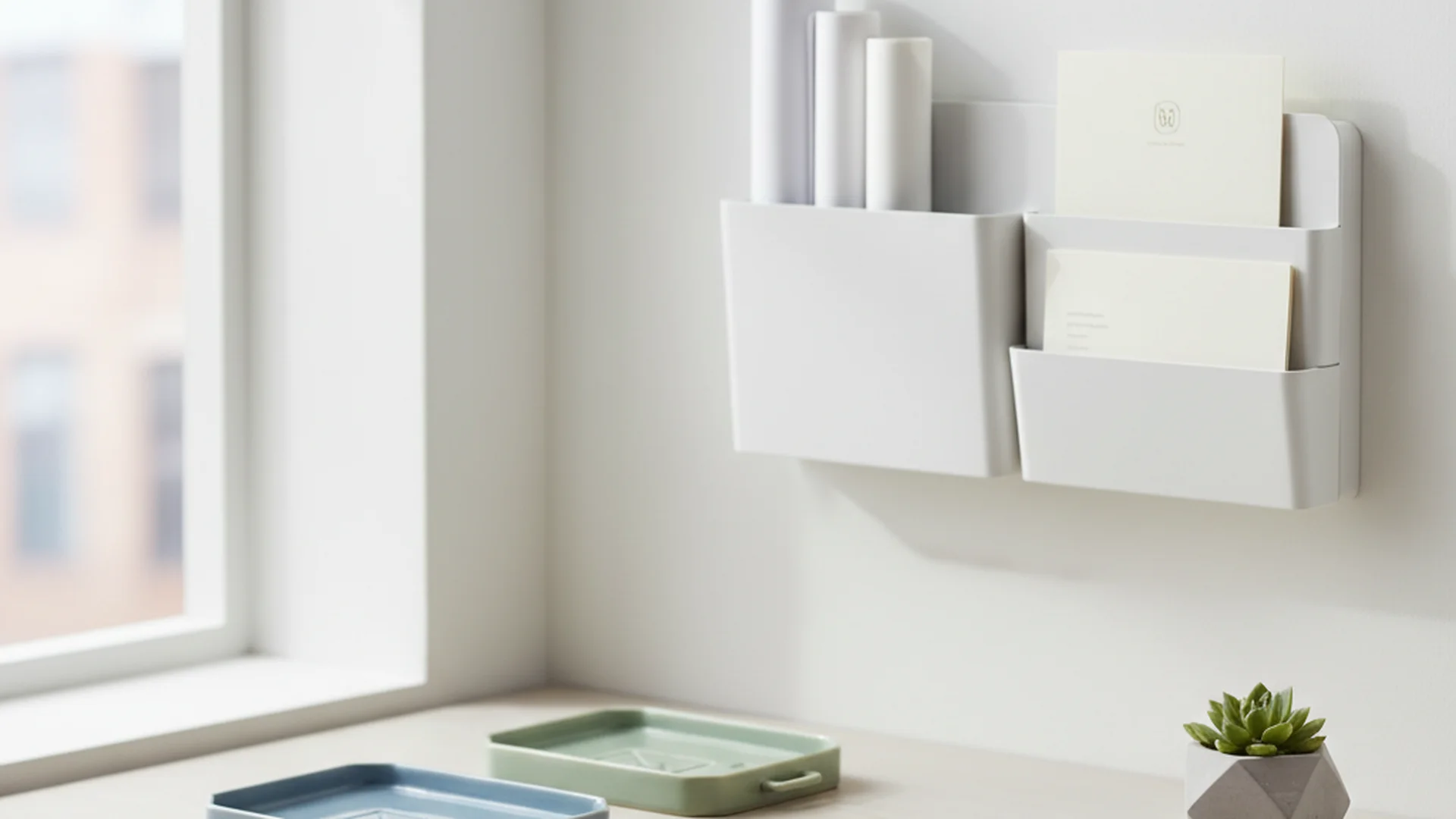
Whether it is a small desk for homework or a low table for arts and crafts, this zone needs specific storage. Use pegboards or wall-mounted bins to keep supplies off the work surface.
The Play Zone
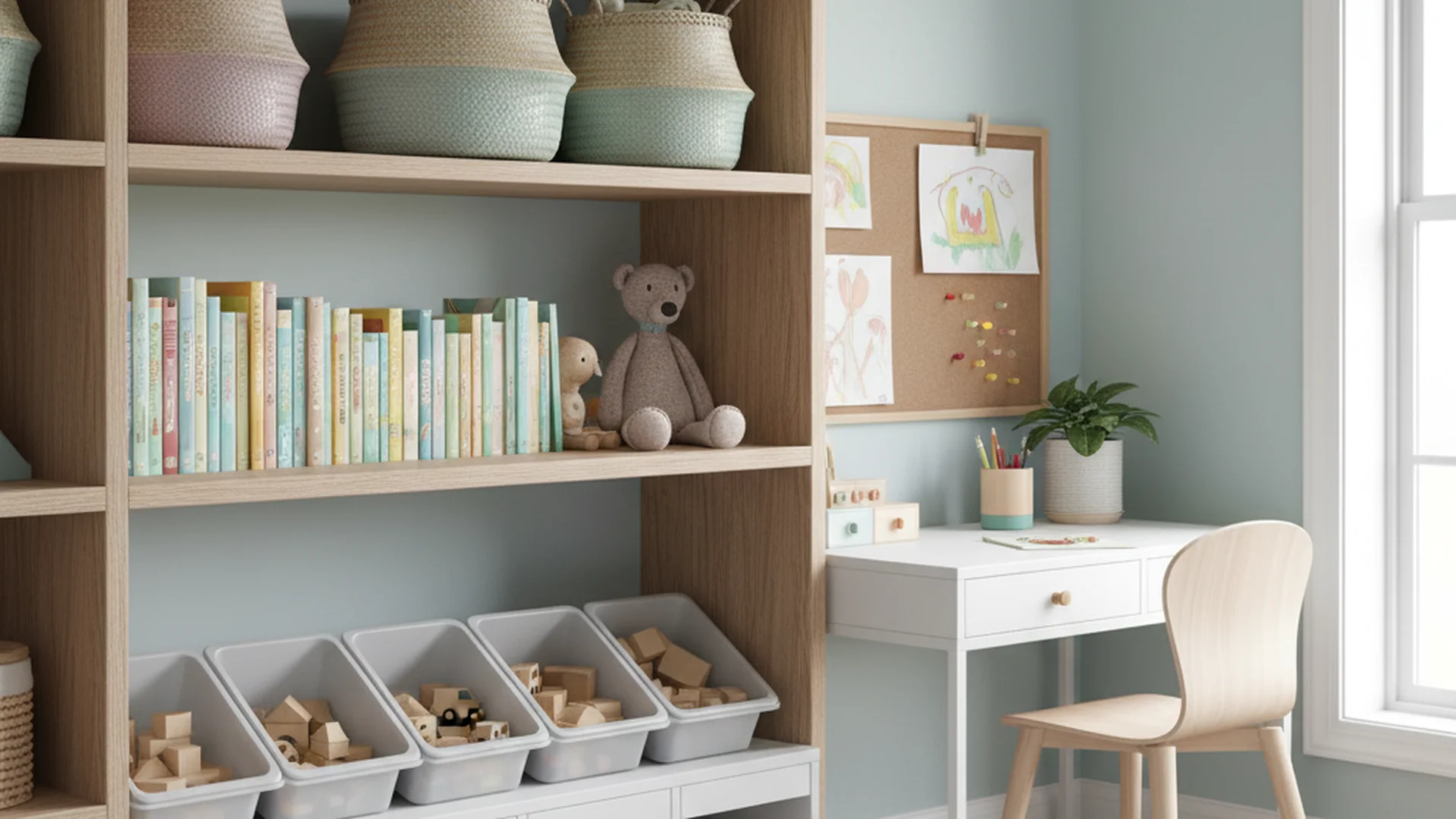
This is the heart of the action. This area should feature low-profile shelving that the child can reach easily. Use the "drop and go" philosophy here: open bins are always better than lidded boxes for daily-use toys.
The Dress Zone
Closets and dressers should be organized by frequency of use. Items the child can put on themselves (like socks and pajamas) should be in the lowest drawers to encourage independent dressing.
Tip: Always anchor heavy furniture like dressers and bookshelves to the wall. Safety is the foundation of any good organization plan.
DIY Kids Room Organization on a Budget
You don't need a designer budget to achieve a professional look. Many of the most effective solutions are diy kids room organization projects that use everyday household items.
The Spice Rack Library
Standard wooden spice racks are the perfect depth for children's books. By mounting them at the child’s eye level, you create a "front-facing" library. This makes it easier for pre-readers to find their favorite stories compared to traditional spines-out shelving.
Over-the-Door Art Stations
Clear over-the-door shoe organizers are a staple for budget kids room organization. Instead of shoes, use the pockets to store markers, paintbrushes, playdough, and Lego figures. This utilizes vertical space that is often wasted in small rooms.
Upcycled Crate Seating
Wooden crates can be sanded, painted, and flipped on their sides to serve as both a bookshelf and a bench. Add a small cushion on top, and you have a reading nook that doubles as toy storage.
| Storage Type | Best For | Cost Level |
|---|---|---|
| Open Baskets | Daily Toys | Low |
| Pegboards | Art Supplies | Medium |
| Loft Beds | Small Rooms | High |
| Spice Racks | Books | Very Low |
2025-2026 Trends: The Move Toward Warm Minimalism
The days of "sad beige" are over, but the "neon plastic" era isn't coming back either. The current trend for 2025–2026 is Warm Minimalism. This style uses "textured neutrals" like sage green, clay, and warm whites to create a serene environment.
Sustainable Materials
There is a significant market shift away from plastic/acrylic bins. Instead, parents are opting for natural fibers like:
- Seagrass and Rattan: Perfect for hides-the-mess storage.
- FSC-Certified Wood: For sturdy, long-lasting furniture.
- Bamboo: A sustainable, fast-growing alternative for drawer dividers.
Personality-Driven Storage
While the "bones" of the room should remain neutral to grow with the child, 2026 trends emphasize custom touches. Scalloped edges on shelves and custom-painted hardware allow the child's personality to shine through without requiring a full room renovation every two years.
Success: Using "peel-and-stick" decals for character themes instead of permanent wallpaper allows the room to evolve as your child moves from Bluey to Minecraft without additional furniture costs.
Strategy: The "One-In, One-Out" Rule
To prevent the room from reverting to chaos, you must implement a system for maintenance. The "One-In, One-Out" rule is the gold standard for long-term kids room organization.
For every new toy that enters the house—whether a birthday gift or a reward—one old toy must be donated or discarded. This teaches children the value of their belongings and the importance of charitable giving.
Implementing Toy Rotation
If your child has a large collection, don't put it all out at once. Keep only 25% of the toys accessible in the Play Zone. Store the remaining 75% in bins in the top of a closet or the garage. Every 2–4 weeks, "rotate" the toys. This makes "old" toys feel new again and drastically reduces the amount of cleanup required each evening.
Warning: Avoid the "Lid Trap." While bins with lids look tidier on a shelf, they act as a physical barrier. If a child has to open a lid to put something away, they are 70% more likely to just leave it on the floor.
Common Mistakes to Avoid
- Micro-Organizing: Do not try to sort Legos by color or doll accessories by type. It is unsustainable. Use broad categories like "Building Blocks" or "Dolls" to ensure the system actually stays in place.
- Ignoring the Floor Plan: Parents often buy cute furniture without measuring the "flow." If a bookshelf blocks a natural walking path, the room will always feel cramped and chaotic.
- The "Themed Room" Regret: Avoid buying a "race car bed" or "princess dresser." These items have a very short shelf life. Keep the expensive "bone" furniture neutral and use bedding or wall art for themes.
- Creating a "Museum": If a child feels like they can't touch anything or that the organization is too "precious," they won't enjoy their space. The room must be functional first, beautiful second.
Frequently Asked Questions
How do I start when the room is a disaster?
How can I organize a tiny room on a budget?
How many toys should my child actually have?
How do I get my kids to actually help clean?
Conclusion
Creating a functional, organized kids' room is a journey, not a destination. By using the Zone Method, prioritizing open storage, and embracing the 2026 trend of warm minimalism, you can create a space that supports your child's growth and reduces your daily stress. Remember that the best system is the one your child can actually maintain. Start small, focus on the most cluttered areas first, and watch how a structured environment transforms your home's energy.
Success: Once you have established these zones, you'll find that evening cleanups take minutes rather than hours, giving you back your evening and your peace of mind.
Cleaning that keeps score
Every task earns points, every streak multiplies them, and Premium adds a household leaderboard plus a monthly Dustagorgon to beat.
- Free forever
- 30 badges to earn
- Up to 6 in a household
No card needed. Set up your rooms in a couple of minutes.