In this article
What you’ll learn
- Transition from "weekend warrior" cleaning to daily micro-routines.
- Leverage AI and robotic automation to maintain floors and schedules.
- Implement the "one-touch" rule to prevent daily clutter buildup.
Maintaining a pristine living space while balancing a demanding career is one of the most pervasive challenges of modern adulthood. For many professionals, the struggle to keep house clean working full time feels like a second job that never ends. However, as we move into 2025, the philosophy of home maintenance has shifted. We are no longer in the era of the grueling "Saturday deep clean." Instead, the focus has moved toward micro-routines, high-tech automation, and psychological strategies that integrate cleaning into the natural flow of a busy workday.
By adopting a structured keep house clean working full time guide, you can reclaim your weekends and ensure your home remains a sanctuary rather than a source of stress. Whether you are dealing with a 40-hour office week or a hybrid remote schedule, the following strategies will help you bridge the gap between professional productivity and domestic order.
The Evolution of Cleaning in 2025
The landscape of home maintenance has changed significantly over the last few years. This growth is largely driven by full-time workers who are choosing to "buy back" their time. But for those who prefer to manage their own space, the trend has shifted toward "cleaning as you go."
Younger professionals tend to clean little and often, in far more frequent sessions than the once-a-week routine their parents grew up with. This is a move away from the "Weekend Warrior" myth and toward a lifestyle where cleaning is a series of small, manageable moments rather than a single, exhausting event.
Note: Cleaning quietly swallows several hours of the average week. Transitioning to micro-routines trims that back considerably by preventing heavy grime buildup.
The Micro-Routine Manifesto: Cleaning in the Gaps
The most effective way to keep house clean working full time is to stop viewing "cleaning" as a dedicated block of time. Instead, utilize "dead time"—those small windows of 2 to 5 minutes that occur throughout your day.
The 10-Minute Nightly Reset
Before you head to bed, set a timer for exactly ten minutes. This isn't the time for scrubbing baseboards; it is a rapid-fire reset. Focus on three specific areas:
- The Kitchen: Clear the counters and start the dishwasher.
- The Living Room: Fluff the sofa cushions and clear the coffee table.
- The Floor: Pick up any stray shoes or bags.
Success: Performing a nightly reset ensures you wake up to a "neutral" home, which significantly reduces morning cortisol levels and sets a productive tone for your workday.
The One-Touch Rule
This is a longstanding favorite in home organization. The "one-touch" policy dictates that once you pick up an object, you do not put it down until it reaches its final destination.
- Example 1: When you bring in the mail, don't drop it on the kitchen island. Sort it immediately—trash the junk, file the bills, and place the rest in its designated spot.
- Example 2: After finishing your morning coffee, don't leave the mug on the desk. Take it directly to the dishwasher.
- Example 3: When you take off your coat after work, hang it up immediately rather than draping it over a chair.
Leveraging "Dead Time"
Think about the moments you spend waiting: waiting for the coffee to brew, the microwave to beep, or a Zoom call to start. These are "micro-cleaning moments." In the 90 seconds it takes to heat up leftovers, you can easily empty the dishwasher or wipe down the front of the refrigerator.
Automation and AI: The Busy Professional’s Secret Weapon
In 2025, technology has made it easier than ever to maintain a home autonomously. Automation isn't just a luxury; for the full-time worker, it’s a vital tool for time management.
Robotic Maintenance
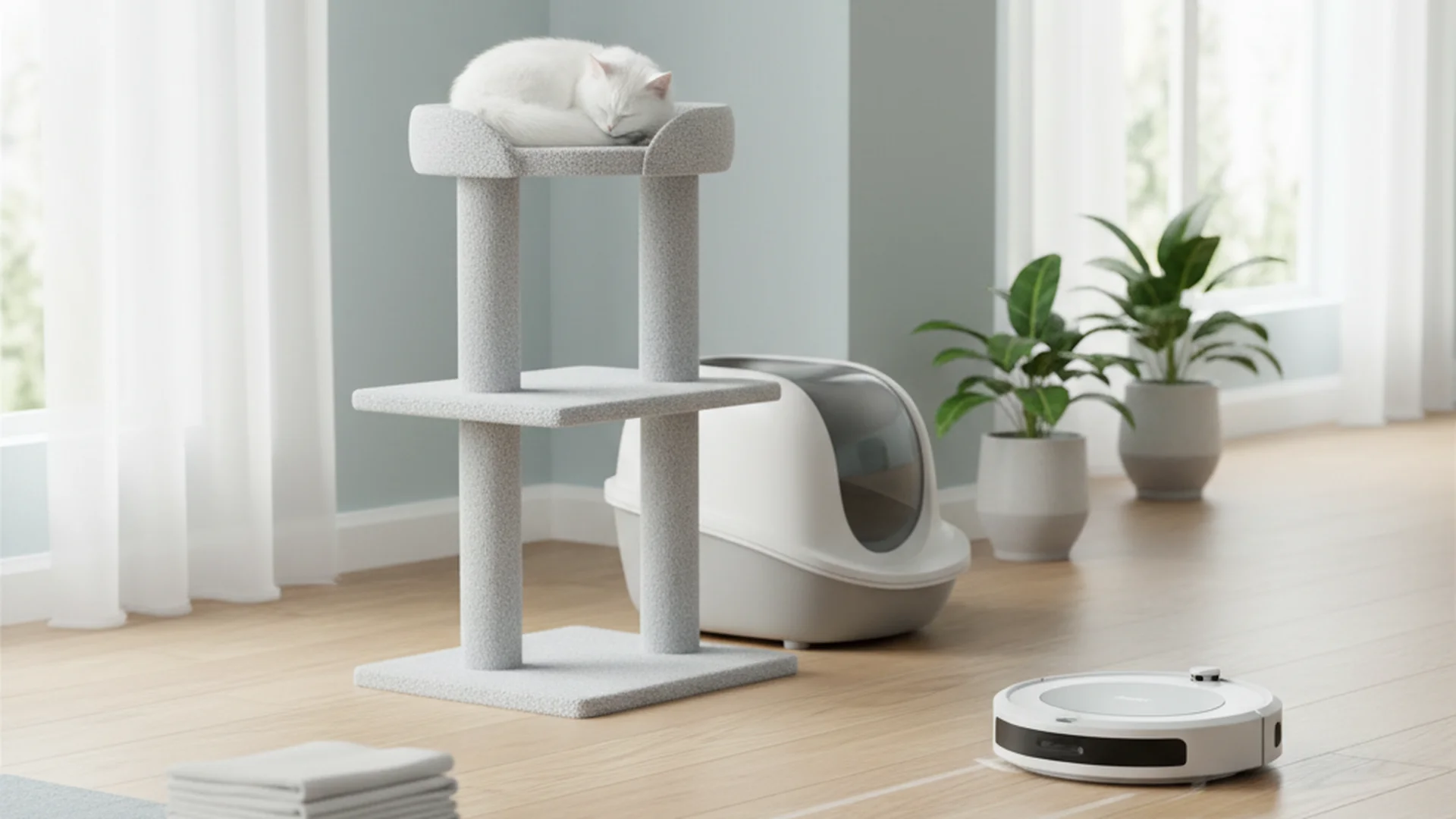
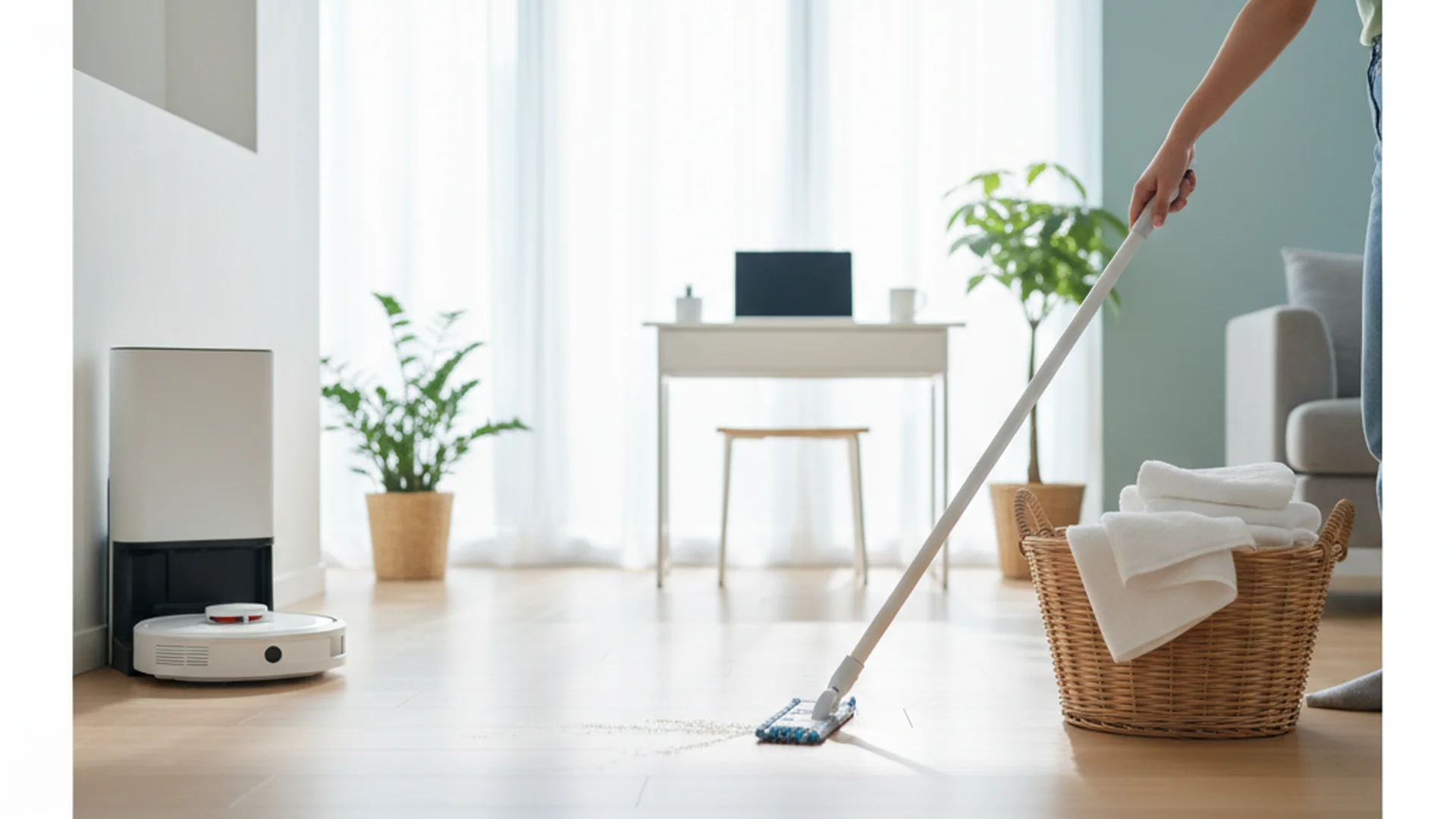
Robotic vacuums have become a fixture in a great many homes. These devices can be scheduled to run while you are at the office, ensuring that pet hair and dust never have a chance to settle.
AI-Integrated Scheduling
A new trend in 2026 is the rise of AI-integrated cleaning apps. These applications sync with your digital calendar (like Google Calendar or Outlook) and analyze your meeting schedule. If the AI detects a 15-minute gap between meetings, it might suggest a quick task like "vacuum the home office" or "load the laundry," tailored to your current energy levels and availability.
Tip: If you work from home, schedule your robotic vacuum to run in the rooms you aren't currently using to minimize noise disruption during calls.
| Technology Type | Benefit | Best For |
|---|---|---|
| Robot Vacuum/Mop | Constant floor maintenance | Pet owners & high-traffic homes |
| UV-C Wands | Rapid sanitization | Keyboards, phones, and doorknobs |
| AI Scheduling Apps | Smart task delegation | Busy professionals with erratic schedules |
| Smart Dishwashers | Scheduled cycles for off-peak hours | Saving energy and ensuring clean dishes by morning |
Room-by-Room Strategy for Full-Time Workers
To keep house clean working full time tips effective, you must have a plan for the highest-traffic zones. If you can keep the kitchen and the bathroom under control, the rest of the house feels significantly cleaner.
The Kitchen: The Heart of the Mess
The kitchen is the most common source of "cleaning guilt." Use the "Trash and Dishes" rule. If the sink is empty and the trash is taken out, the kitchen is 80% of the way to being clean. Never go to bed with a full sink; the sight of dirty dishes in the morning is a major psychological drain.
Warning: Avoid leaving damp sponges in the sink. They harbor bacteria and spread odors. Replace or disinfect your sponges weekly to maintain a hygienic environment.
The Bathroom: Dwell Time is Your Friend
The secret to a clean bathroom without the scrubbing is "dwell time." Most cleaning products require 5 to 10 minutes to actually break down grime.
- The Strategy: Spray your shower and sink with a daily cleaner, go finish another task, and then simply rinse the surfaces. This prevents soap scum from ever hardening.
Entryway Management
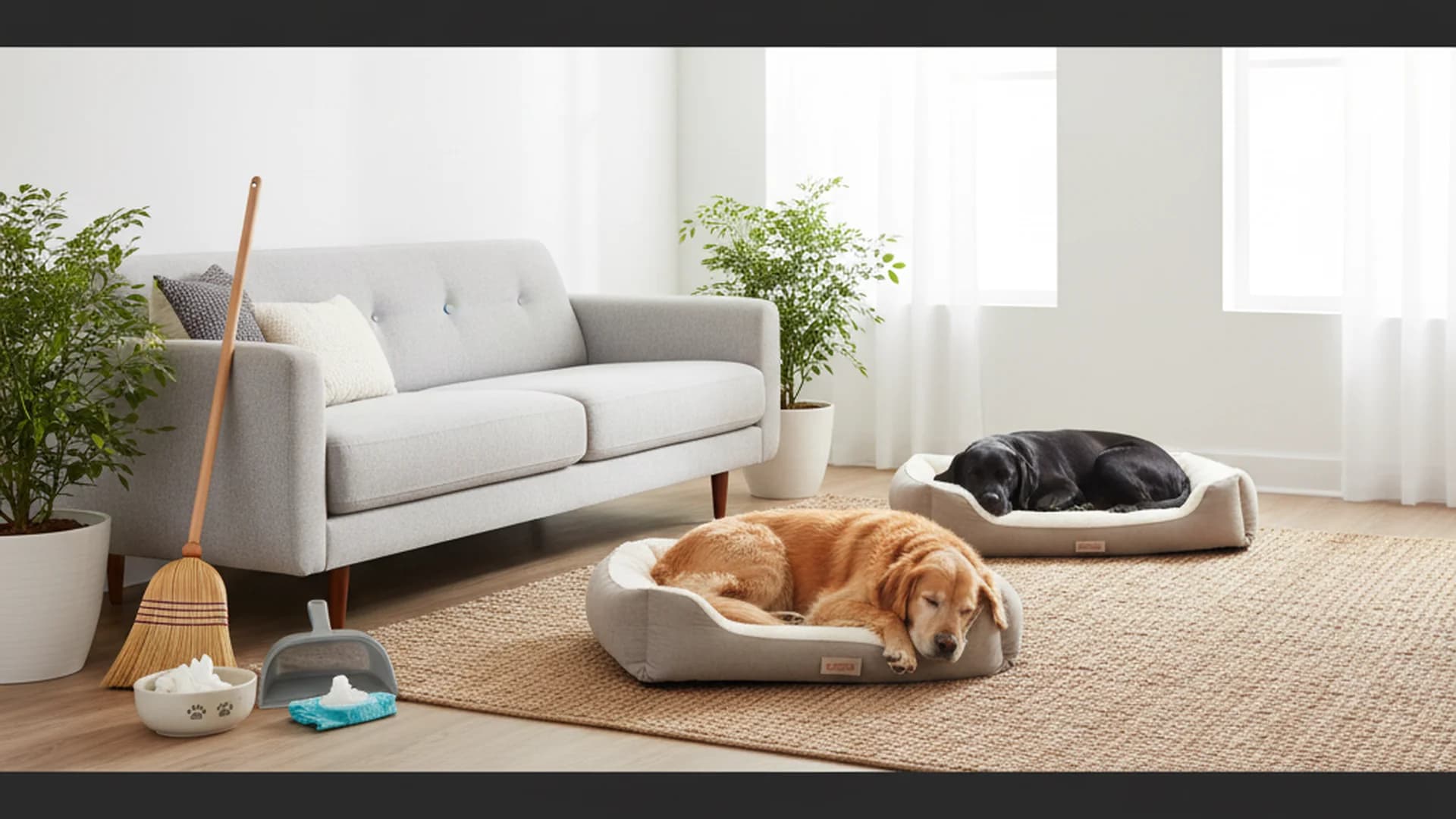
If you have pets or children, the entryway is your first line of defense. Keep a container of paw wipes by the door. By spending 30 seconds wiping paws or shoes upon entry, you prevent 90% of the dirt from ever reaching your carpets.
Cleaning as Self-Care: The 2025 Mindset Shift
One of the most interesting trends in 2025 is the rebranding of housework as "sensory cleaning." For many, cleaning has become a way to decompress from work stress. By using high-quality, eco-friendly products with pleasant scents (like eucalyptus or sandalwood) and listening to a favorite podcast or audiobook, the act of cleaning becomes a mindful transition between your "work self" and "home self."
Note: "Green Cleaning 2.0" focuses on sustainability. Using refillable glass bottles and non-toxic concentrates improves indoor air quality, which matters all the more now that so much of the workforce works in a hybrid or remote capacity.
Common Mistakes to Avoid
Even the most well-intentioned professionals fall into traps that make cleaning harder than it needs to be. Avoid these common pitfalls to stay efficient:
1. The "Weekend Warrior" Trap
Saving all your chores for Saturday is a recipe for burnout. It turns your days of rest into days of labor. Instead, distribute maintenance tasks (like laundry or vacuuming) throughout the week so your weekend is reserved for deep cleaning or, better yet, actual relaxation.
2. Overusing Cleaning Products
There is a common misconception that more soap equals more clean. In reality, using too much product leaves a sticky residue that acts as a magnet for dust. Always follow the recommended measurements, especially with concentrated "Green 2.0" products.
3. Using Dirty Tools
If you use a dirty microfiber cloth or a vacuum with a full bag, you aren't cleaning; you're just moving dirt around.
- The Fix: Clean your vacuum filters once a month and wash your cleaning cloths after every use.
4. Spraying Directly on Surfaces
Spraying liquids directly onto wood furniture or electronics can cause moisture damage and streaking.
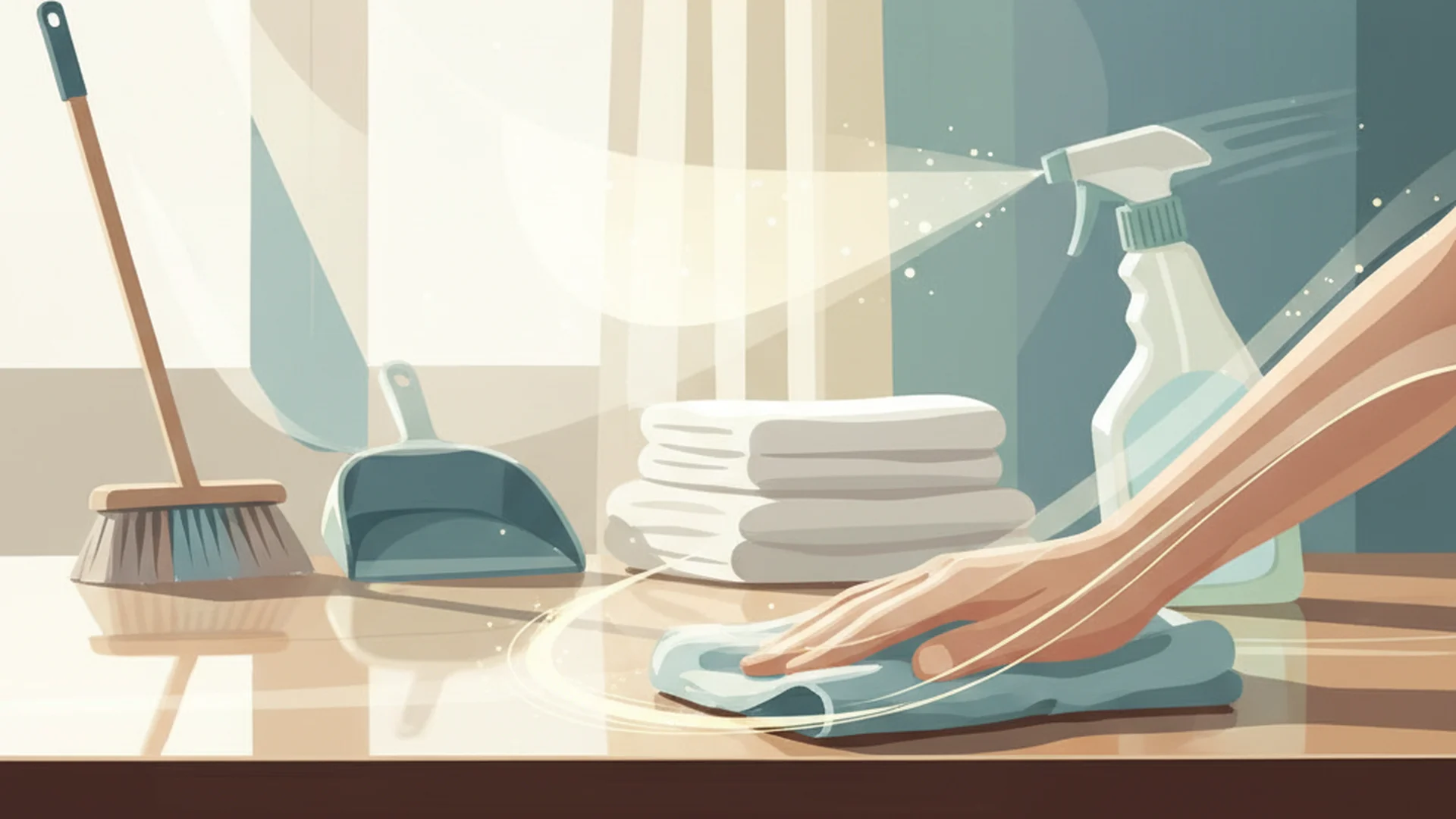
- The Fix: Always spray your cleaner onto a microfiber cloth first, then wipe the surface. This provides more control and protects delicate finishes.
Frequently Asked Questions
Where do I even start when the whole house is a mess?
How can I involve my partner or kids without it feeling like a fight?
Is it possible to keep a house clean with pets while working?
How do I stop the "clutter creep" on my home office desk?
Conclusion
Learning how to keep house clean working full time is not about achieving perfection; it is about creating a sustainable system that supports your lifestyle. By moving away from the "Weekend Warrior" mentality and embracing 2025's focus on micro-routines and automation, you can maintain a beautiful home without sacrificing your precious free time. Remember to use the one-touch rule, leverage your home’s "dead time," and treat cleaning as a form of sensory self-care rather than a chore.
With a few small shifts in your daily habits, you can transform your home from a source of "to-do" lists into the peaceful sanctuary you deserve.
Success: By implementing just two of the strategies mentioned above—such as the 10-minute nightly reset and the one-touch rule—you can win back a large chunk of your weekend.
Cleaning that keeps score
Every task earns points, every streak multiplies them, and Premium adds a household leaderboard plus a monthly Dustagorgon to beat.
- Free forever
- 30 badges to earn
- Up to 6 in a household
No card needed. Set up your rooms in a couple of minutes.