In this article
What you’ll learn
- A home reset focuses on functionality rather than just sanitation.
- Daily 15-minute resets take the edge off everyday stress.
- Avoid buying organizers before decluttering to prevent "organized clutter."
Have you ever walked through your front door after a long day only to feel an immediate wave of anxiety? You aren’t alone. Many people struggle with the weight of a disorganized environment, but the solution isn't always a grueling deep clean. Learning how to reset home spaces is about returning your environment to its functional "baseline." By implementing a systematic how to reset home guide, you can transform your living area from a source of stress into a sanctuary of productivity and calm.
The Science Behind the Home Reset
Understanding the psychological impact of our surroundings is the first step in mastering how to reset home routines. Our physical environment is inextricably linked to how well we think and feel.
Most people know the feeling of being overwhelmed by clutter, and plenty will tell you that a disorganized home leaves them anxious or on edge. This isn't just a feeling; it's physical. Actively resetting a space genuinely takes the pressure off.
Furthermore, productivity suffers in a mess. A cluttered workspace makes it harder to concentrate and easier to get sidetracked. By following a consistent how to reset home tips strategy, you aren't just cleaning; you are reclaiming your cognitive bandwidth. A lot of people find they are far more motivated to tackle their to-do lists after a home reset.
Note: A "reset" is different from "cleaning." Cleaning is about hygiene and scrubbing, while a reset is about restoring functionality so you can start the next day at zero.
The 7-Step Essential Reset Routine
To reset effectively, you must move from "macro" to "micro" tasks. This ensures you don't get bogged down in the details before the major visual and functional distractions are handled.
1. Clear the Trash
The fastest way to gain mental clarity is to remove "visual noise." Grab a trash bag and walk through every room. Remove junk mail, food wrappers, scraps, and anything that belongs in the bin. This simple act provides immediate relief and makes the remaining tasks feel manageable.
2. The Macro-Tidy
A macro-tidy involves moving large items back to their designated rooms. If there is a laundry basket in the kitchen or a stray chair in the hallway, move them. You don’t need to put the contents away yet—just get the large objects into their correct zones.
3. The "One-Touch" Rule
This is one of the most effective how to reset home tips for long-term maintenance. If a task takes less than 60 seconds—such as hanging up a coat, putting a dish in the dishwasher, or filing a single piece of paper—do it immediately. Do not set the item down to "deal with later."
4. Reset Flat Surfaces
Flat surfaces, especially kitchen counters and coffee tables, are clutter magnets. A core part of any how to reset home guide is ensuring these areas are clear before the day ends. Clear surfaces signal to your brain that the "work" of the day is done.
5. Laundry Management
Don't let the "laundry mountain" overwhelm you. A daily reset should involve starting one load or, more importantly, finishing the folding. A load of laundry is only "done" once it is put away in the drawer.
6. The "Closing Shift"
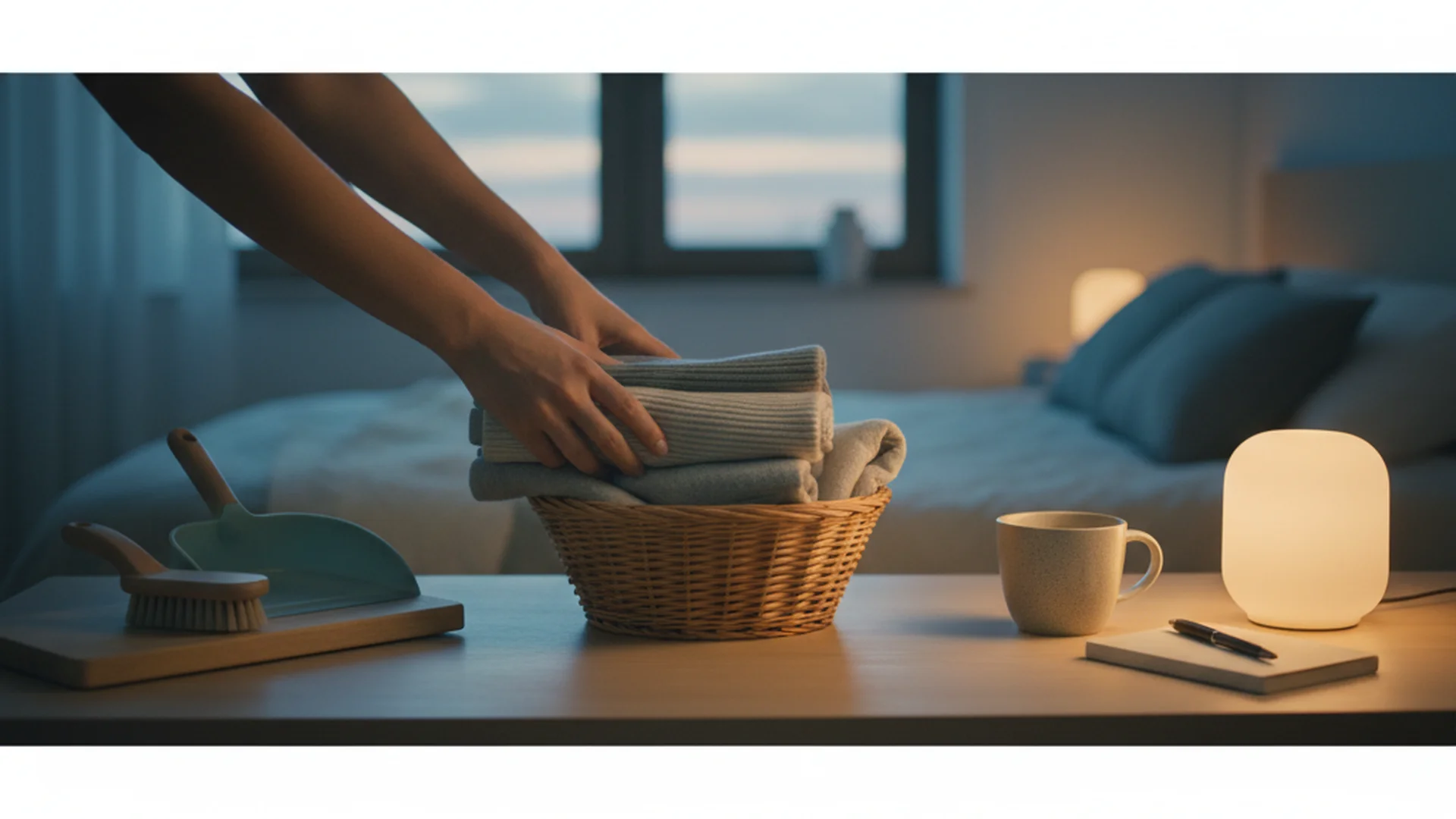
Borrow a concept from the retail world: the closing shift. Treat your home like a business. Before bed, do the dishes, wipe the counters, and prep the coffee machine. This ensures the "morning version" of you starts the day with zero "debt" from the night before.
7. Sensory Integration
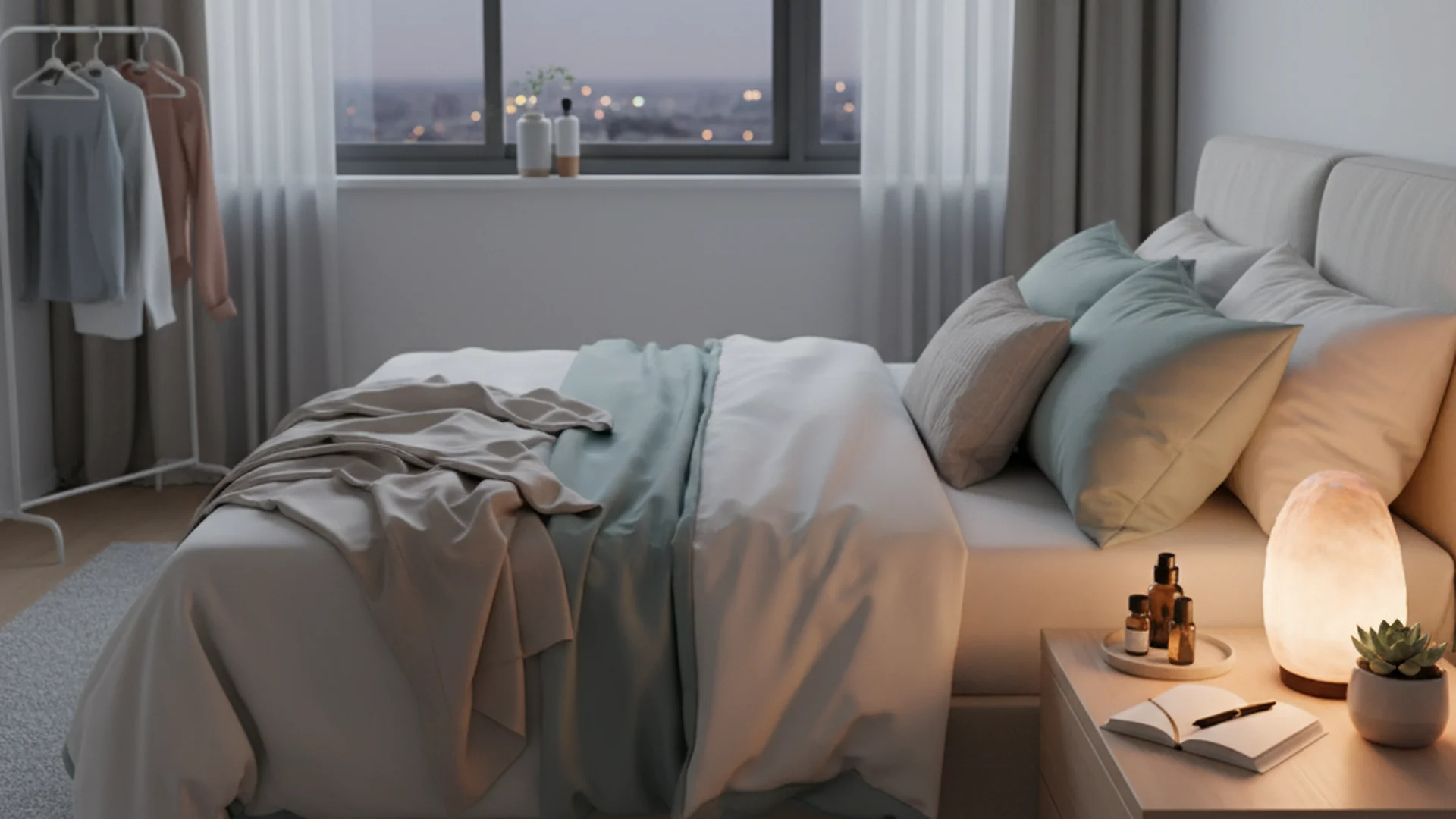
A reset shouldn't feel like a chore; it should be a restorative ritual. Use music, light a candle, or practice "house hushing"—the 2025 trend of removing visual tags and loud colors to create a more neutral, calming environment.
Tip: Use a 15-minute timer for your daily reset. Knowing there is an end point makes it much easier to start.
Real-World Examples of a Home Reset
To better understand how these principles apply to real life, let's look at three common scenarios.
Example 1: The WFH Transition
A remote worker finishes their day at 5:00 PM. Instead of walking straight to the kitchen, they perform a 5-minute "Office Reset." They clear their coffee mugs, file their papers, and shut down their laptop. This physical act signals the brain to transition from "work mode" to "home mode," preventing burnout.
Example 2: The Sunday Reset
A busy family spends 2 hours every Sunday afternoon performing a whole-house reset. They meal prep for the week, ensure all school uniforms are laundered, and clear the entryway of shoes and bags. This "macro-reset" sets the tone for a stress-free Monday morning.
Example 3: The Entryway Burst
If the whole house is a mess and time is short, focus on the entryway. By resetting the first thing you see when you walk through the door, you create a "buffer zone" of calm that prevents the rest of the house's clutter from immediately impacting your mood.
Success: Consistently performing a "Closing Shift" spares you the frantic morning hunt for keys, shoes and school bags.
2025–2026 Trends in Home Organization
The world of home organization is shifting away from clinical perfectionism and toward intentionality and sustainability.
- AI-Assisted Resets: We are seeing the rise of tools like InstantDecoAI, which can analyze a photo of your room and suggest more efficient layouts to prevent clutter build-up.
- Sustainability & "Underconsumption Core": There is a massive shift away from buying endless plastic bins. The 2026 trend favors bamboo, glass, and repurposed materials. The "Underconsumption" movement encourages homeowners to own fewer items rather than buying more storage.
- Organization as Self-Care: Resets are now viewed as "nervous system regulation." The focus is on how a home feels (linen, stone, soft lighting) rather than just how it looks on camera.
- Smart Small-Space Living: As urban living spaces shrink, modular and vertical storage—like under-bed auto-storage—is becoming a staple in modern home design.
| Reset Type | Focus | Estimated Time |
|---|---|---|
| Daily (PM) | Functionality & Prep | 10–15 Minutes |
| Weekly (Sunday) | Coordination & Depth | 2–3 Hours |
| Seasonal | Decluttering & Rotation | 1 Full Day |
Common Mistakes to Avoid
Even with the best intentions, many people fail at maintaining a reset routine because of a few common pitfalls.
Buying Organizers First
The biggest mistake is purchasing bins and baskets before decluttering. This often leads to "organized clutter," where you simply hide the things you don't need. You must discard and donate items before you decide how to store what remains.
Overcomplicating the System
If your organization system requires 10 steps to put a pen away, you won't do it. Simplicity over aesthetics is the 2025 mantra. Choose systems that are easy to maintain, even on your busiest days.
Confusing a Reset with a Deep Clean
Do not try to scrub the baseboards or clean the windows during a 15-minute reset. A reset is about tidying and prepping. If you try to deep clean, you will burn out and abandon the habit entirely.
The "All or Nothing" Mentality
Many people believe that if they can't reset the whole house, there's no point in doing anything. This is false. Use the "5-Minute Burst" method—pick one high-impact area and reset only that.
Warning: Never mix cleaning chemicals (like bleach and ammonia) during your reset, even if you are in a rush.
Frequently Asked Questions
What is the difference between "cleaning" and "resetting"?
How often should I reset my home?
Where do I start if I’m completely overwhelmed?
Does a home reset have to take all day?
Conclusion
Learning how to reset home environments is one of the most significant investments you can make in your mental health and productivity. By moving away from the pressure of perfection and focusing on intentionality and functionality, you create a space that supports your lifestyle rather than drains your energy. Whether you start with a 5-minute "Closing Shift" tonight or a full "Sunday Reset" this weekend, remember that the goal is progress, not perfection.
Success: A functional home is the foundation of a functional life. By implementing these routines, you are choosing to prioritize your peace of mind.
Cleaning that keeps score
Every task earns points, every streak multiplies them, and Premium adds a household leaderboard plus a monthly Dustagorgon to beat.
- Free forever
- 30 badges to earn
- Up to 6 in a household
No card needed. Set up your rooms in a couple of minutes.