In this article
What you’ll learn
- Never use bleach on rust as it causes a permanent chemical bond.
- Natural acids like lemon and vinegar are effective for light staining.
- Modern laser cleaning and bio-based chelators are the 2025 industry standards.
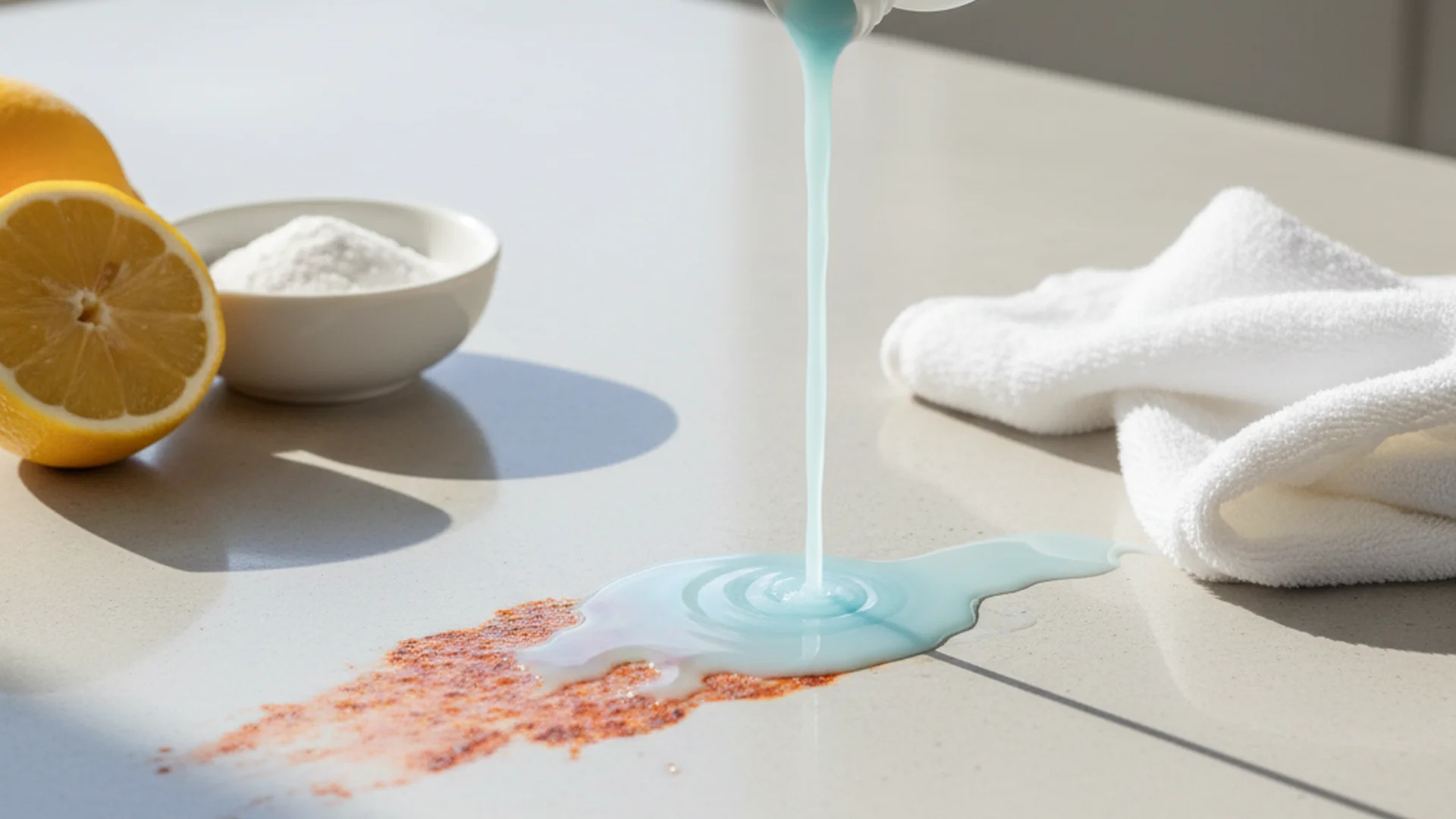
Nothing ruins the aesthetic of a pristine white shirt or a clean concrete patio quite like the sight of orange-brown oxidation. Whether it is a leaky pipe, a forgotten metal garden chair, or a stray bobby pin, learning how to remove rust stains is a vital skill for any homeowner. As we move into 2025, the science of stain removal has evolved beyond harsh industrial chemicals. Today, we balance chemical efficiency with environmental safety, utilizing everything from "green chemistry" to handheld laser technology to restore our belongings to their former glory.
In this guide, we will explore the most effective, research-backed protocols for eliminating iron oxide from various surfaces, ensuring you never have to throw away a favorite garment or hide a patio stain under a rug again.
The Science of Rust: Why It Sticks
To effectively tackle the problem, we must understand what we are fighting. Rust, scientifically known as iron oxide, occurs when iron, oxygen, and moisture meet. This chemical reaction creates a stubborn mineral deposit that bonds deeply with porous surfaces like fabric, stone, and even certain plastics.
In the cleaning industry, 2025 has seen a massive shift toward "selective chelation" and acid-based treatments. While acid-based removers currently dominate about 41.9% of the market due to their sheer speed, they aren't always the safest choice for home environments. Understanding the pH balance of your cleaning agent is the first step toward a successful restoration.
Warning: The "Bleach Paradox" is real. Never use chlorine bleach on a rust stain. Because bleach is an oxidizer, it will actually accelerate the oxidation process of the iron, effectively "setting" the stain permanently into the fibers or surface.
How to Remove Rust Stains Naturally
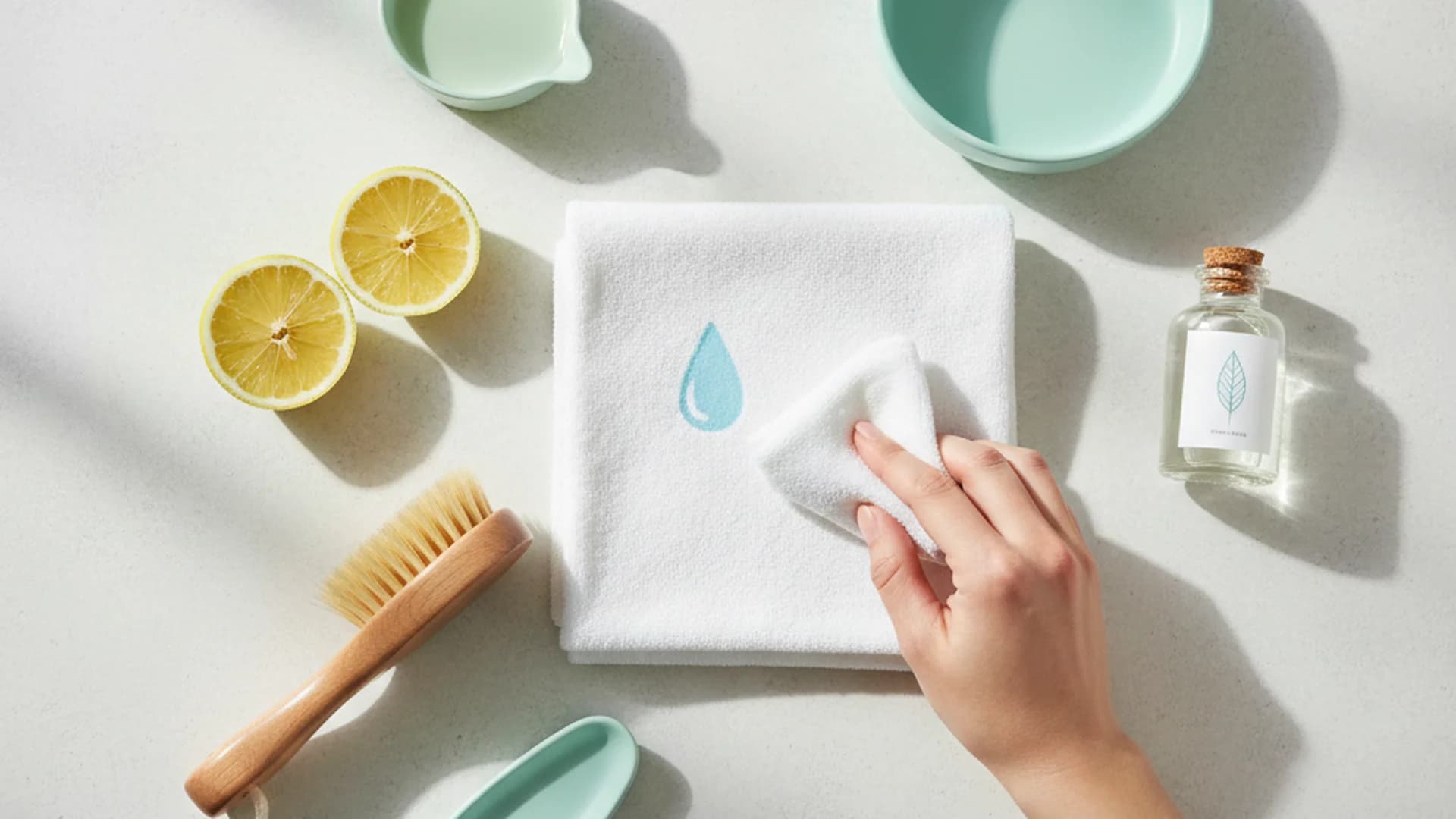
For many homeowners, the best way how to remove rust stains involves items already found in the kitchen pantry. Natural methods are not only cost-effective but are increasingly preferred as part of the 2025 "green cleaning" movement.
The Lemon and Salt Method
This is the gold standard for how to remove rust stains naturally from clothing and delicate linens.
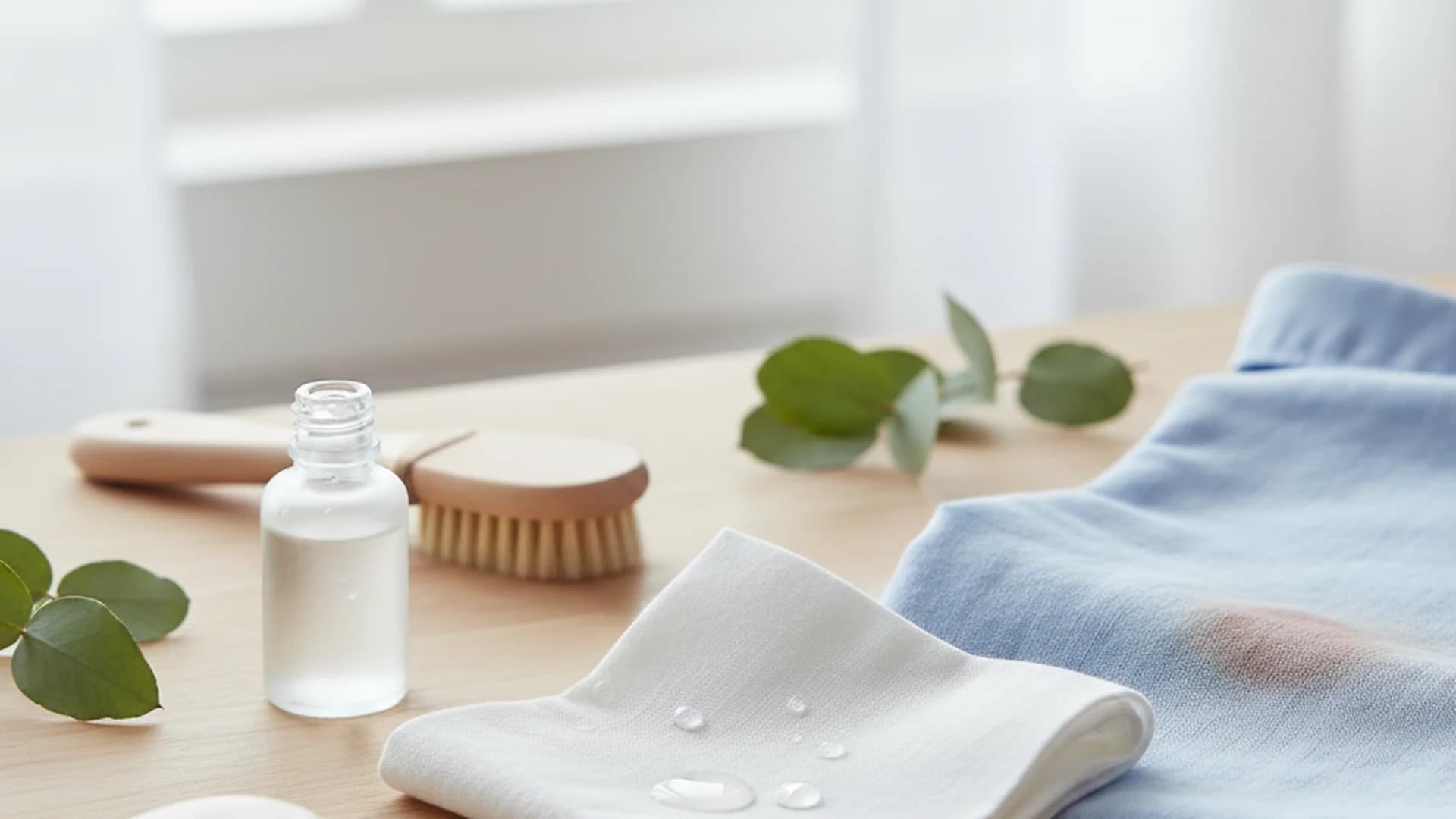
- Preparation: Lay the stained item on a flat surface.
- The Catalyst: Sprinkle a generous amount of table salt over the rust. The salt acts as a mild abrasive and an absorbent.
- The Acid: Squeeze fresh lemon juice over the salt until it forms a thick paste.
- The UV Boost: Place the garment in direct sunlight. In 2025, professional cleaners still vouch for this because UV rays act as a natural catalyst, accelerating the reaction between the citric acid and the iron oxide.
- Rinse: Once the stain has faded (usually after 2–3 hours), rinse with cool water.
Cream of Tartar Paste
For white fabrics where lemon might be too risky, a mixture of cream of tartar, baking soda, and a few drops of hydrogen peroxide creates a powerful lifting agent. Apply the paste for 30 minutes before laundering as usual.
Tip: If you are working with "Cleaning Vinegar," remember it is 20% stronger than standard distilled vinegar. This 6% acidity makes it significantly more effective at breaking down mineral bonds.
Removing Rust from Hard Surfaces
Hard surfaces like concrete driveways and ceramic tiles require a more aggressive approach than fabrics. Rust on concrete often occurs because of metal patio furniture or fertilizer runoff (which contains iron).
The Vinegar Soak for Concrete
For light to moderate stains on your driveway, undiluted white vinegar is surprisingly effective.
- Pour the vinegar directly onto the stain.
- Let it dwell for 15 to 20 minutes.
- Scrub vigorously with a stiff-bristled nylon brush.
- Rinse with a high-pressure hose.
| Surface Type | Recommended Agent | Tool to Use |
|---|---|---|
| Concrete | Vinegar or Oxalic Acid | Nylon Brush |
| Ceramic Tile | Lemon Juice Paste | Microfiber Cloth |
| Stainless Steel | Baking Soda & Water | Scotch-Brite Pad |
Using Oxalic Acid
For deep-set industrial stains, experts recommend products containing oxalic acid (commonly found in Bar Keepers Friend). Oxalic acid is a dicarboxylic acid that is exceptionally efficient at complexing iron ions.
Warning: When using oxalic acid, always wear gloves and ensure proper ventilation. While highly effective, it is much more caustic than household vinegar.
Restoring Metal Tools and Hardware
If you have vintage tools or hardware that have been overtaken by corrosion, 2025 technology offers some incredible non-destructive options.
Chelating Soaks
Modern products like Evapo-Rust use a process called "selective chelation." Unlike traditional acids that eat away both the rust and the good metal, chelating agents only bond with the iron oxide. You simply submerge the tool overnight, and by morning, the rust has dissolved into the liquid, leaving the base metal bright and intact.
The Aluminum Foil Trick
For surface-level "flash rust" on chrome or steel, crumpled aluminum foil is a DIY miracle.
- Dip a piece of crumpled foil in water or vinegar.
- Scrub the rusted area.
- The aluminum is softer than steel but harder than rust. Through a chemical reaction and mechanical friction, it removes the rust without scratching the underlying metal.
Note: Avoid using steel wool on stainless steel appliances. Doing so can embed tiny carbon steel particles into the surface, which will eventually create even more rust spots in the future.
2025–2026 Trends in Rust Removal
The cleaning industry is currently undergoing a high-tech revolution. If you are a DIY enthusiast or a "Prosumer," you should be aware of these emerging trends:
Handheld Laser Cleaning
The most exciting development for 2025 is the increased accessibility of fiber laser rust removers. These devices use high-energy light pulses to vaporize rust instantly without the need for chemicals or water. While industrial units are expensive, many local tool rental shops now carry "hobbyist" versions for home restoration projects.
Smart Packaging and Indicators
New product releases in late 2025 feature "color-change" indicators. When you apply these gels to a rusted surface, the formula turns a deep purple or blue once the chemical reaction is complete. This takes the guesswork out of the process, telling the user exactly when to rinse the surface for maximum efficiency.
Bio-Based Chelators
As environmental regulations tighten in 2026, we are seeing a surge in bio-based removers derived from corn and amino acids. These are non-toxic, biodegradable, and safe for use in residential areas where runoff might enter the local groundwater or garden soil.
Common Mistakes to Avoid
Even with the best tools, it is easy to make a mistake that turns a temporary stain into a permanent eyesore.
- The Heat Trap: Never put a rust-stained garment in a hot dryer. Much like a blood stain, heat "cooks" the mineral into the fabric fibers. Always air-dry the item and inspect it before using any heat.
- Wire Brushes on Polished Stone: Using a wire brush on polished tile or marble will leave micro-scratches. These scratches then trap more dirt and iron particles, making future stains even harder to remove.
- Ignoring the Source: There is no point in cleaning a rust stain from your bathtub if you have high iron content in your water. If stains recur, consider a whole-house water softener or an iron filtration system.
- The "Coke" Myth: While Coca-Cola does contain phosphoric acid and can remove rust, it is extremely slow and leaves a sugary, sticky residue that can attract pests. Stick to dedicated cleaning vinegar or commercial converters.
Success: By identifying the surface type and choosing the correct pH-balanced remover, you can achieve a 90% success rate in total stain removal, even on items previously thought to be "ruined."
Frequently Asked Questions
Does vinegar actually remove rust?
Can I use Coca-Cola for rust?
Is it possible to remove rust from "Dry Clean Only" clothes?
Why did my rust stain turn dark purple or black after treatment?
Conclusion
Mastering how to remove rust stains is a blend of chemistry, patience, and using the right tools for the job. Whether you choose the best way how to remove rust stains using modern chelating gels or prefer to how to remove rust stains naturally with a simple lemon and salt paste, the key is to act quickly and avoid the "bleach trap." As we head into 2026, the shift toward sustainable, bio-based cleaners and high-tech laser solutions makes it easier than ever to maintain a rust-free home.
Cleaning that keeps score
Every task earns points, every streak multiplies them, and Premium adds a household leaderboard plus a monthly Dustagorgon to beat.
- Free forever
- 30 badges to earn
- Up to 6 in a household
No card needed. Set up your rooms in a couple of minutes.