In this article
What you’ll learn
- Prioritize "Fragrance-Free" over "Unscented" to avoid hidden VOC triggers.
- Use HEPA-certified vacuums and N95 masks during high-dust activities.
- Adopt the "Ventilate and Vacate" strategy to reduce indoor pollutant levels by 70%.
For many, the scent of pine or lemon signifies a job well done. But for the millions of people living with respiratory conditions, that "clean" smell is often a warning sign of an impending attack. When it comes to cleaning asthma triggers out of your home, the process itself can ironically become the biggest risk factor. Asthma affects many millions of people worldwide, and the number living with it has been climbing rather than falling.
The challenge is significant: you must clean to remove dust, mold, and pet dander—all major triggers—but the chemicals used to eliminate them can be just as damaging to your lungs. Understanding how to navigate this "cleaner’s paradox" is essential for maintaining a healthy, breathable environment.
The Paradox of the "Clean" Home
There is a persistent trap here that gets called the "Green Paradox." Even "green" cleaning products, used week in and week out, can still aggravate asthma symptoms. They are generally safer than conventional alternatives, but they are not entirely risk-free.
Conventional cleaners pose an even greater threat. Daily use of standard disinfectants and aerosol sprays makes uncontrolled asthma considerably more likely, and regular exposure to bleach fumes alone can provoke respiratory problems in otherwise healthy people. This is largely due to Volatile Organic Compounds (VOCs), which build up sharply indoors during and immediately after a cleaning session.
Choosing the Right Supplies
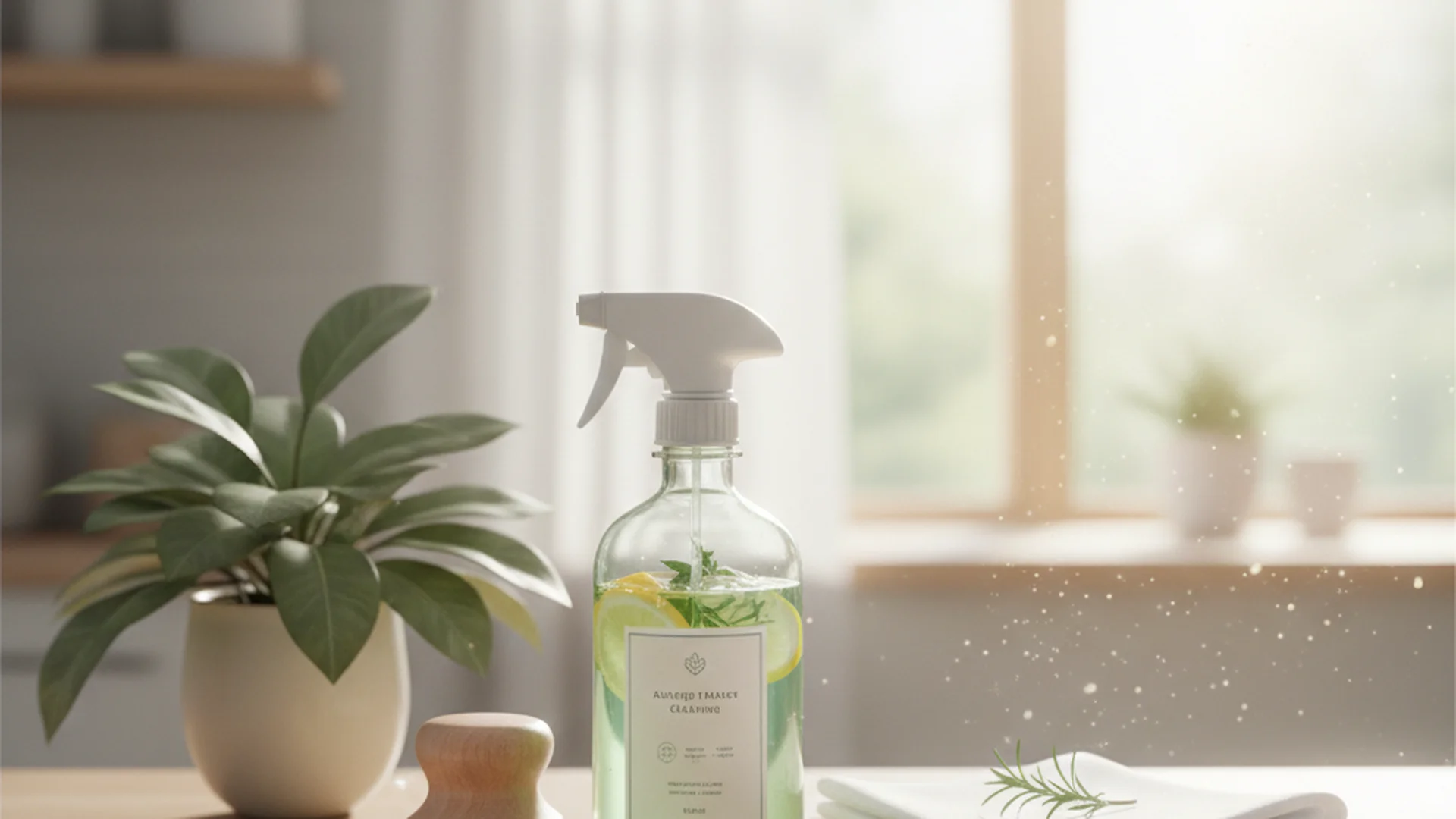
When you are looking for the best way cleaning asthma symptoms can be managed, your choice of products is the first line of defense. Not all labels are created equal, and marketing terms can be intentionally misleading.
Look for Certifications
Instead of trusting generic "natural" claims, look for third-party verifications:
- EPA "Safer Choice": This label ensures the product contains only ingredients that are on the safer end of the chemical spectrum.
- Asthma & Allergy Friendly®: Certified by the Asthma and Allergy Foundation of America (AAFA), these products undergo rigorous testing to ensure they do not contain common triggers.
Fragrance-Free vs. Unscented
This is one of the most critical distinctions for respiratory health.
- Unscented: These products may still contain "masking fragrances" used to hide the chemical smell of other ingredients.
- Fragrance-Free: These products contain no added scents or masking fragrances. For someone cleaning asthma triggers, "Fragrance-Free" is the only safe choice.
Tip: If you cannot find a certified cleaner, cleaning asthma naturally with a simple solution of water and mild dish soap is often the safest and most effective method for routine surface cleaning.
Essential Equipment for Asthma-Safe Cleaning
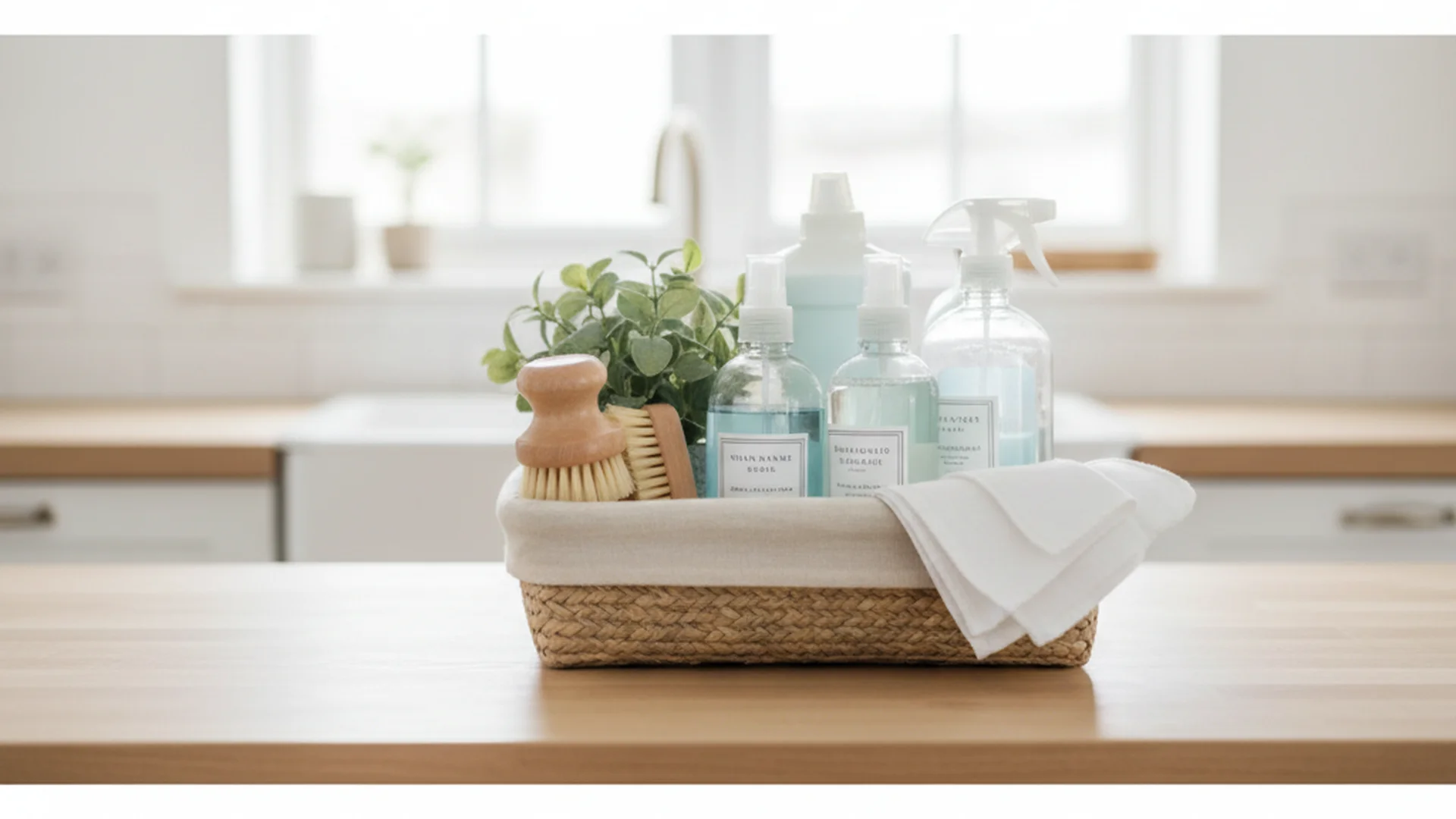
The tools you use are just as important as the solutions you spray. The goal is to capture allergens, not redistribute them into the air you breathe.
HEPA Filtration
A standard vacuum cleaner often sucks up large debris but blows fine dust particles and allergens right back out through the exhaust. If you have asthma, a vacuum with a Certified HEPA filter is non-negotiable. These filters are designed to trap 99.97% of particles as small as 0.3 microns, ensuring that once the dust is gone, it stays gone.
Microfiber Over Feather Dusters
Feather dusters are an asthma sufferer's enemy; they simply flick dust into the air where it can be inhaled. Microfiber cloths, however, are designed with a "hook and loop" structure that physically grabs and holds onto dust.
Personal Protective Equipment (PPE)
Even with the best tools, cleaning stirs up particles. Wear an N95 mask during high-trigger activities such as:
- Deep dusting of ceiling fans or bookshelves.
- Emptying the vacuum canister.
- Cleaning areas with visible mold growth.
Warning: Never empty a vacuum canister indoors. Always take it outside to the trash bin to prevent a "dust cloud" from settling back into your living space.
The "Best Way" Strategy: Damp Cleaning and Ventilation
To achieve a truly asthma-safe home, you must change how you clean. The most effective strategy is the "Damp Method."
The Damp Method
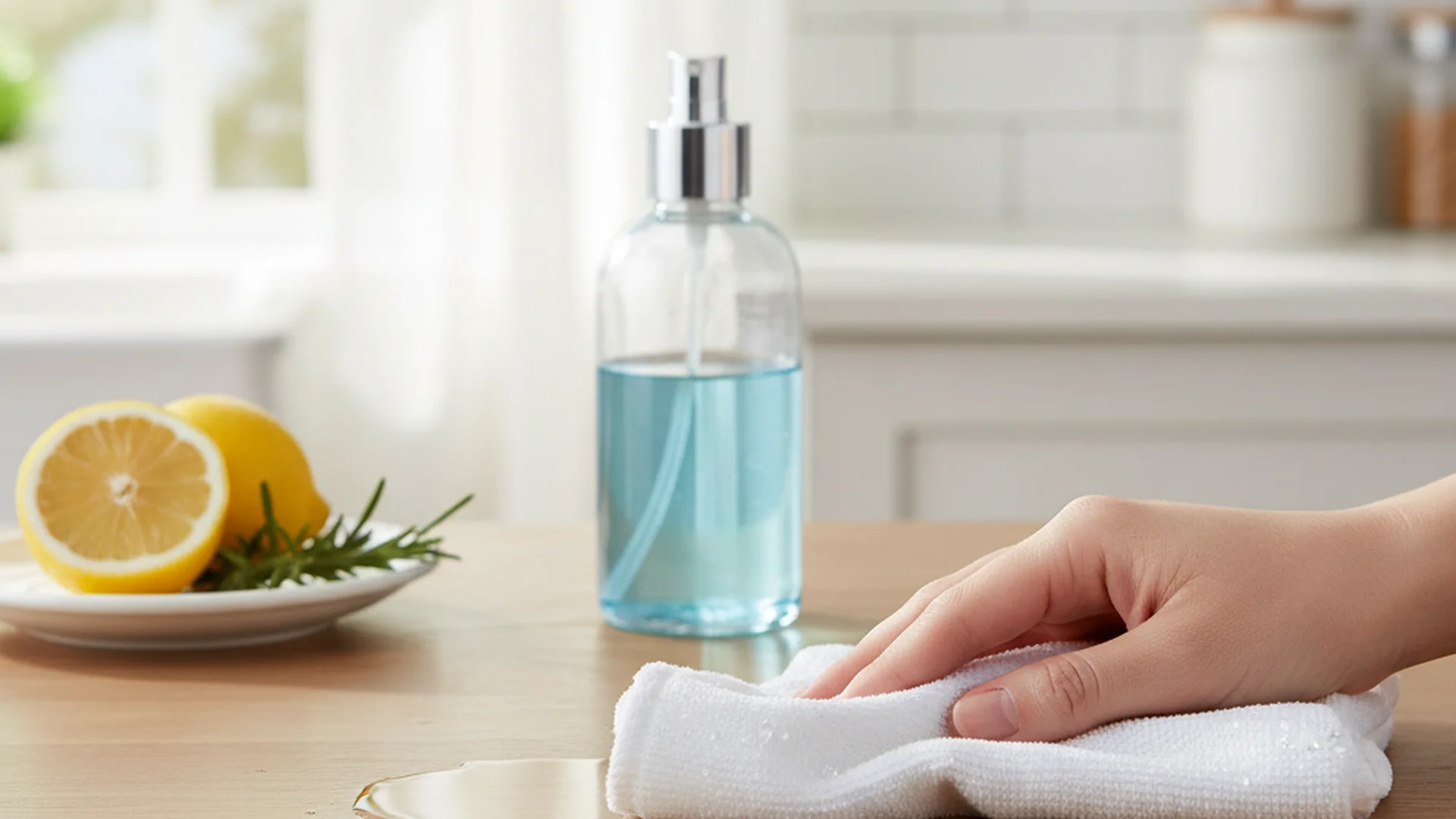
Never dry-dust or dry-sweep. When you use a dry broom or cloth, you are essentially launching allergens into your breathing zone. Instead, always use a damp microfiber cloth for surfaces and a damp mop for floors. This "locks" the particles into the moisture, allowing you to wipe them away physically.
Ventilate and Vacate
Proper ventilation is your most powerful tool, capable of reducing indoor pollutant levels by up to 70%.
- During Cleaning: Open windows and doors to create a cross-breeze.
- After Cleaning: Implement the "vacate" rule. Leave the room for at least 20 minutes after you finish cleaning to allow any airborne particles or VOCs to settle or be filtered out.
Humidity Control
Maintaining the right environment prevents triggers from growing in the first place. Use a hygrometer to keep your home’s humidity between 30–50%. If it’s too high, you invite mold and dust mites; if it’s too low, dry air can irritate your airways.
Success: One homeowner cut their nighttime inhaler use dramatically simply by switching to weekly bedding washes in 130°F (55°C) water and installing a HEPA air purifier in the bedroom.
Emerging Trends for 2026: Probiotics and Smart Tech
The landscape of home hygiene is shifting. In late 2025 and early 2026, we have seen a move away from "sterile" environments toward "balanced" ones.
Probiotic Cleaners
A major trend is the shift toward probiotic cleaners. Instead of using harsh chemicals to kill 99.9% of bacteria (including the good ones), these products use beneficial bacteria to break down organic matter and odors. This supports a healthy home "microbiome" and eliminates the need for respiratory irritants.
Concentrated Tablets and Sheets
To reduce the need for preservatives and stabilizers—many of which are known irritants—2025 has seen a surge in waterless formats like dissolvable tablets. These allow you to control the water source and avoid the heavy chemical load found in traditional liquid shelf-stable products.
AI and Smart Filtration
New portable air purifiers from brands like LG and Rabbit Air now feature AI sensors. These systems can detect a spike in VOCs the moment you start cleaning and will automatically ramp up filtration to clear the air before a flare-up occurs.
Common Mistakes to Avoid
Even well-intentioned cleaning can turn dangerous if you fall into these common traps:
- Mixing Chemicals: This remains a lethal mistake. Never mix bleach with ammonia or vinegar. This creates toxic chloramine or chlorine gas, which can be fatal for those with respiratory vulnerabilities.
- Relying on the "Hygiene Hypothesis": Some believe a "too clean" home causes asthma. While early childhood exposure to diverse germs is helpful for immune development, once an asthma diagnosis is present, dust and mold are active triggers that must be removed.
- Over-Disinfecting: You don't need hospital-grade disinfectant for a dusty bookshelf. Using heavy chemicals for routine tasks introduces unnecessary respiratory stress. Soap and water are often sufficient.
- Ignoring the Air: Surfaces are only half the battle. If you aren't "cleaning the air" with ventilation or HEPA purifiers, you aren't truly cleaning for asthma.
| Task | Recommended Tool | Frequency |
|---|---|---|
| Dusting Surfaces | Damp Microfiber Cloth | Twice Weekly |
| Flooring | HEPA Vacuum / Damp Mop | Weekly |
| Bedding | 130°F Water Wash | Weekly |
| Air Quality | HEPA Air Purifier | Continuous |
Note: Many modern cleaning products now include QR codes or "Digital Product Passports." Scanning these will give you a full, plain-English breakdown of every ingredient so you can spot your specific triggers before you buy.
Frequently Asked Questions
Does a "clean" smell mean my house is actually clean?
Is bleach the only way to effectively disinfect?
Are natural/green products always safe for asthma?
Should I wear a mask while cleaning?
How often should I wash my bedding to control dust mites?
Conclusion
Cleaning with asthma doesn't have to be a health risk. By shifting your focus from "killing germs" to "removing triggers," you can create a sanctuary that supports your respiratory health rather than challenging it. Remember to prioritize fragrance-free products, invest in HEPA-certified equipment, and always utilize the "Ventilate and Vacate" method. With the right strategy and the latest probiotic and smart-filtration technologies, you can maintain a spotless home and breathe easy.
Success: By adopting the damp-dusting method and switching to fragrance-free products, you can reduce indoor VOC levels by up to 50% within the first month.
Cleaning that keeps score
Every task earns points, every streak multiplies them, and Premium adds a household leaderboard plus a monthly Dustagorgon to beat.
- Free forever
- 30 badges to earn
- Up to 6 in a household
No card needed. Set up your rooms in a couple of minutes.