In this article
What you’ll learn
- Most households deal with mineral-based hard water stains.
- White vinegar and baking soda remain the top natural solutions for mineral breakdown.
- New 2025 technologies like probiotic cleaners and nano-coatings are changing prevention.
Few things are as frustrating as finishing a deep clean only to notice cloudy streaks on your windows or a stubborn white ring on your mahogany coffee table. Understanding how to remove water stains effectively is a fundamental skill for any homeowner, especially since the majority of households contend with hard water. These unsightly marks aren't just "dried water"; they are often crystallized mineral deposits or moisture trapped within surface finishes that require specific chemical or thermal reactions to disappear.
Whether you are looking for the best way how to remove water stains from a delicate antique or seeking how to remove water stains naturally using pantry staples, this guide provides the most up-to-date, professional-grade strategies for 2025 and beyond.
Understanding the Chemistry of Water Stains
Before reaching for the scrub brush, it is vital to identify what kind of stain you are dealing with. In my experience as a cleaning consultant, I’ve found that most people treat all "water spots" the same, which often leads to surface damage.
Hard Water vs. Moisture Trapped Stains
Hard water stains are alkaline. When water containing high concentrations of calcium and magnesium evaporates, it leaves behind "limescale." This is common on glass, faucets, and porcelain. Conversely, the white rings you see on wooden furniture aren't mineral deposits; they are moisture trapped within the wax or lacquer finish of the wood.
The Rise of Silica Stains
A growing concern in 2025 is the prevalence of silica-based stains. Unlike calcium, which dissolves easily with mild acids, silica can actually etch into glass surfaces. If a standard vinegar soak doesn't work, you are likely dealing with silica, which may require mechanical polishing or specialized professional-grade abrasive creams.
Note: The "best way how to remove water stains" always begins with identifying the surface porosity. What works for a ceramic tile could permanently ruin a marble countertop.
How to Remove Water Stains Naturally
As the market shifts toward sustainability, many of my clients prefer eco-friendly alternatives. Learning how to remove water stains naturally is not only better for the environment but often safer for the surfaces in your home.
The Power of White Vinegar (Acetic Acid)
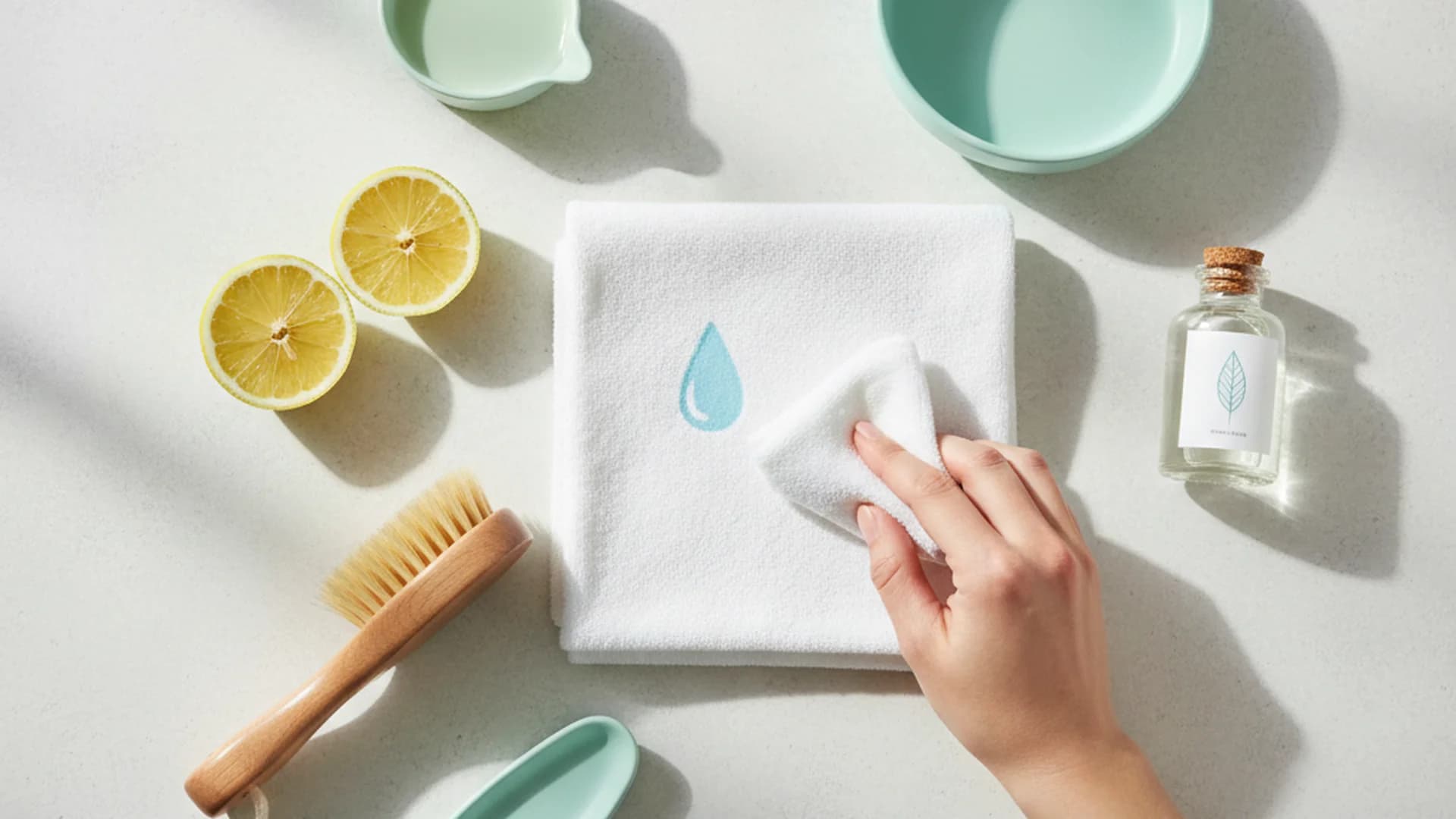
White vinegar is the gold standard for mineral removal. Because mineral deposits are alkaline, the acetic acid in vinegar creates a chemical reaction that breaks the bond between the mineral and the surface.
- For Faucets: Soak a microfiber cloth in undiluted white vinegar. Wrap it around the faucet and secure it with a rubber band. Let it sit for 60 minutes.
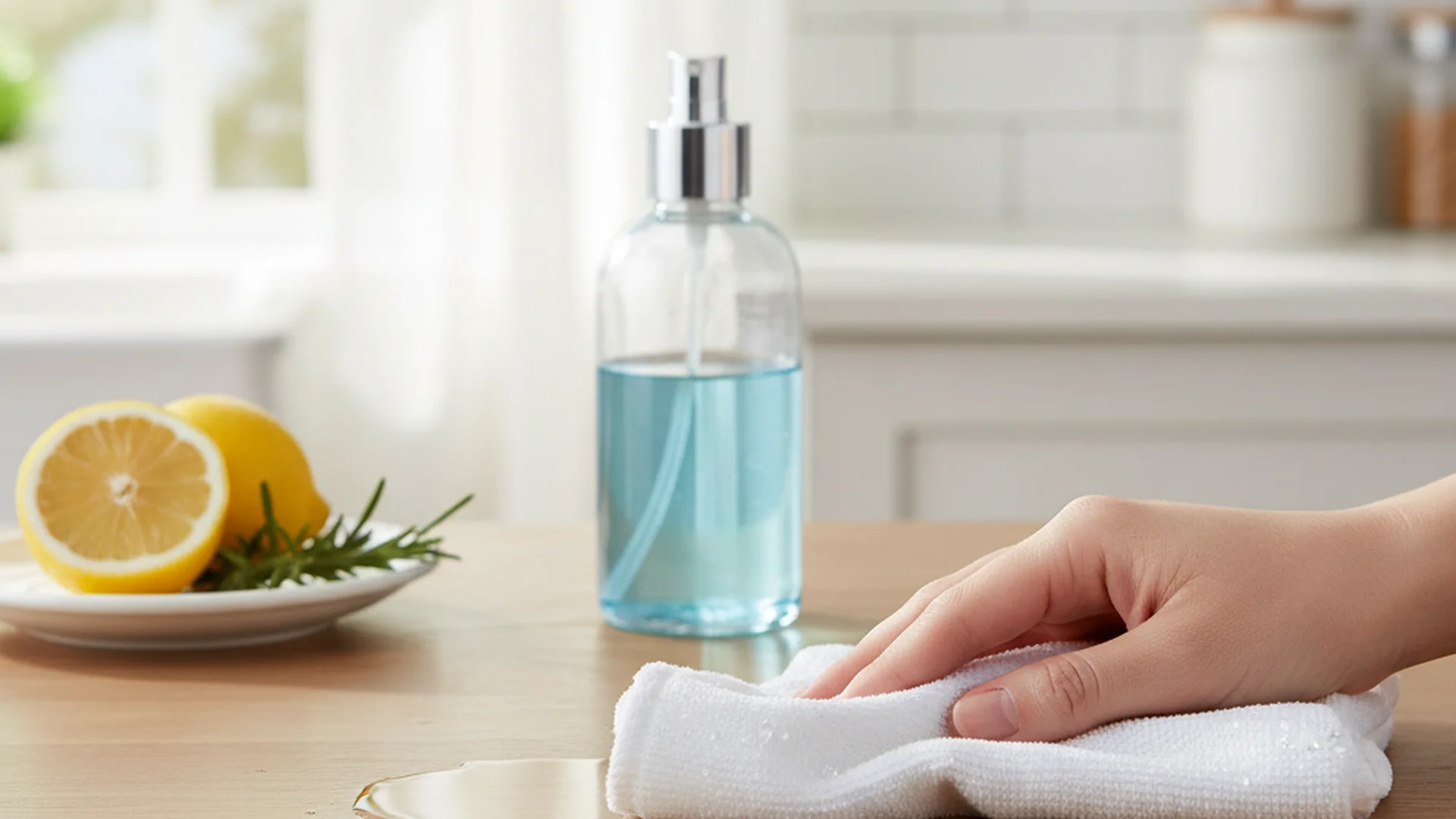
- For Shower Doors: Mix a 50/50 solution of vinegar and distilled water in a spray bottle. Spray, let sit for five minutes, and wipe downward.
Baking Soda and Lemon Juice
For vertical surfaces where liquid runs off, a paste is more effective. Mixing baking soda with a small amount of water or lemon juice creates a mild abrasive that lifts stains without the harshness of commercial scouring powders.
Tip: Use distilled water when mixing your cleaning pastes. Using tap water can actually introduce more minerals back into the area you are trying to clean!
Surface-Specific Removal Techniques
Every material in your home reacts differently to moisture. Here is how to handle the most common problem areas.
Restoring Wood Surfaces
Wood is particularly sensitive. If you have a white ring, the moisture is in the finish. If the stain is dark or black, the moisture has reached the wood fibers themselves, which usually requires sanding and refinishing.
- The Iron Method: This is a professional secret for white rings. Place a clean, dry cotton towel over the stain. Set your iron to low heat (no steam). Move the iron in slow, circular motions over the towel for 15–20 seconds. The heat draws the moisture out of the finish and into the cloth.
- The Oil-Vinegar Blend: Mix equal parts olive oil and white vinegar. The vinegar cleans while the oil restores the wood’s luster. Always rub with the grain.
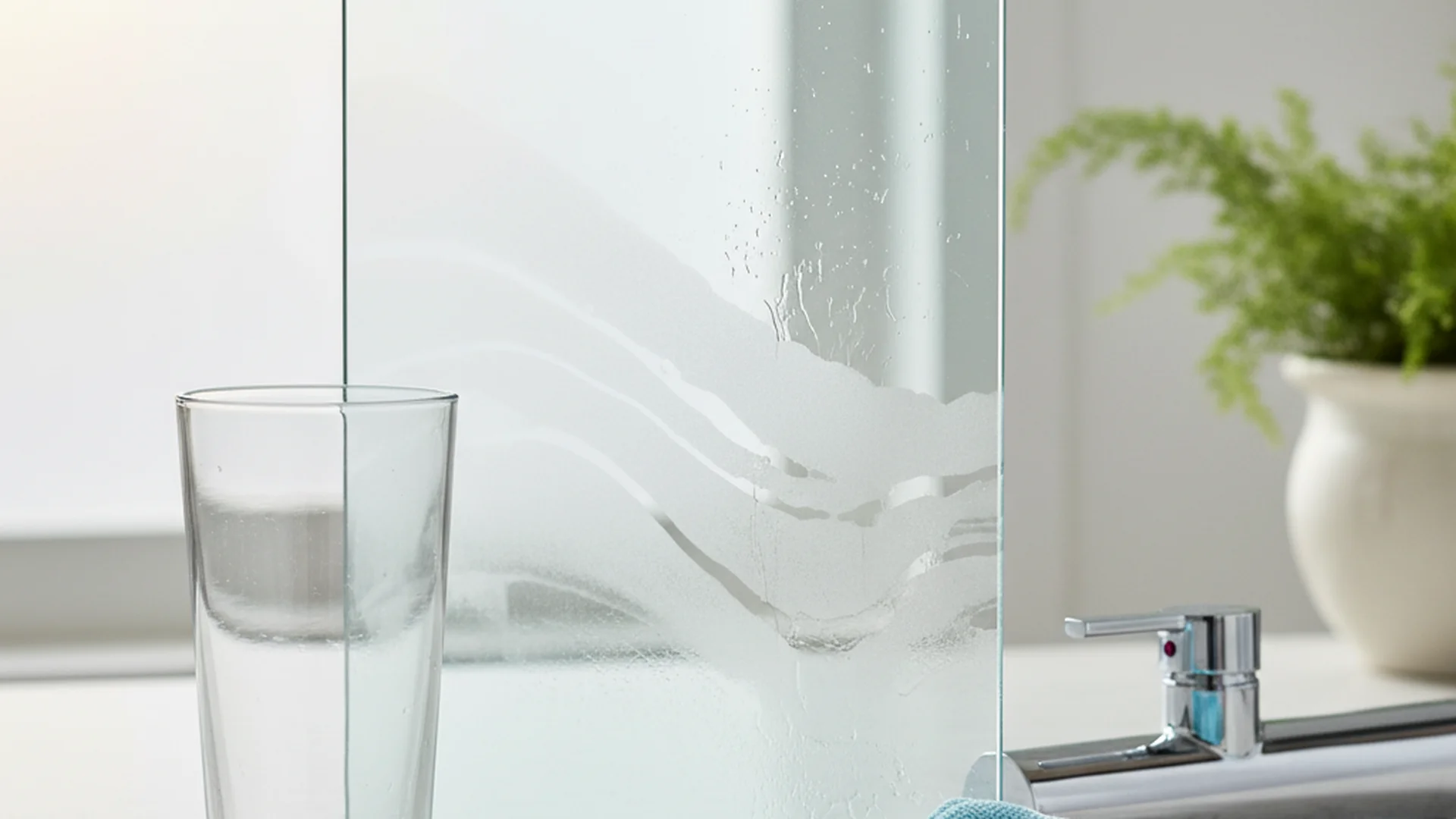
Cleaning Glass and Shower Doors
Glass is highly susceptible to "etching" if mineral deposits are left too long.
- Standard Removal: Use a 50/50 vinegar-water mix.
- Deep Cleaning: Use a "magic" eraser or a paste of baking soda.
- The 2025 Update: Many homeowners are now using hydrophobic nano-coatings. These DIY kits create a "lotus effect" where water beads and rolls off, preventing the minerals from ever settling.
Upholstery and Fabrics
Water stains on fabric often occur when "dirty" water spills or when a cleaning attempt leaves a ring.
- Example 1: The Microfiber Sofa. If you spill water on a microfiber couch, the "stain" is often just a concentration of minerals or moved dust. Use a mist of rubbing alcohol and a white sponge to gently blot the area, then brush with a soft bristle brush once dry to restore the nap.
Warning: Never use a hair dryer on high heat to dry a fabric water stain; this can "set" the minerals into the fibers permanently.
Comparison of Methods by Surface
| Surface | Recommended Agent | Expert Pro Tip |
|---|---|---|
| Wood | Olive Oil + Vinegar | Always rub with the wood grain to avoid micro-scratches. |
| Glass | Lemon Juice or Vinegar | Use a squeegee daily to prevent buildup from returning. |
| Porcelain | Baking Soda + Vinegar | Let the "fizz" sit for 15 mins before scrubbing to loosen scale. |
| Stainless Steel | Diluted Rubbing Alcohol | Buff with a dry microfiber cloth for a streak-free shine. |
2025–2026 Trends in Water Stain Removal
The cleaning industry is undergoing a massive technological shift. As we look toward 2026, several "smart" solutions are becoming mainstream.
Probiotic and Enzymatic Cleaners
We are seeing a move away from "killing everything" to "balancing the microbiome." New probiotic cleaners use live, beneficial bacteria that stay on the surface after you've finished wiping. These microbes continue to eat away at organic binding agents that hold mineral deposits in place, making future cleaning much easier.
AI-Enhanced Cleaning Tools
High-end robotic window cleaners in 2025 now come equipped with ultrasonic sensors. These robots can detect the density of mineral buildup on exterior glass and adjust the pressure and detergent dispensing accordingly. This prevents the "cloudiness" often associated with older robotic models.
Ultrasonic Descalers
For those with severe hard water, whole-home ultrasonic descalers are replacing traditional salt-based softeners. These devices use sound waves to change the shape of mineral crystals so they cannot "stick" to your pipes or fixtures.
Success: One of my clients in a high-mineral area (Arizona) cut their cleaning time dramatically simply by installing an ultrasonic descale system and applying a nano-coating to their glass shower enclosures.
Common Mistakes to Avoid
Even with the best intentions, it is easy to make a mistake that causes permanent damage.
- Using Vinegar on Natural Stone: This is the most common error I see. Vinegar is an acid. If you use it on marble, granite, or limestone, it will "etch" the stone, leaving a dull, permanent mark that looks like a water stain but is actually structural damage.
- Mixing Vinegar and Bleach: Warning: This creates toxic chlorine gas. Never mix these two cleaning agents. If you are switching from a commercial bleach cleaner to a natural vinegar solution, rinse the area thoroughly with water first.
- Aggressive Scrubbing: Using a pumice stone on glass or plastic will create microscopic scratches. These scratches then act as "anchor points" for future mineral deposits, making the problem exponentially worse over time.
- Using Hot Water on Protein Stains: If a water stain also contains traces of organic material (like sweat or food), hot water can "cook" the protein into the surface. Always start with lukewarm or cool water.
Frequently Asked Questions
How do I remove water rings from wood without ruining the finish?
Does vinegar actually work on hard water stains?
Can I use a pumice stone on all surfaces?
How do I prevent water spots on shower doors?
Conclusion
Mastering how to remove water stains is a blend of science and patience. By understanding the difference between mineral buildup on glass and moisture trapped in wood, you can select the most effective, safest method for your home. As we move into 2026, embracing new technologies like probiotic cleaners and nano-coatings will move us from a "reactive" cleaning cycle to a "preventative" one.
Remember: start with the gentlest method first—usually a natural solution like vinegar—and only move to mechanical or chemical abrasives if necessary. With these professional tips, your surfaces can remain as pristine as the day they were installed.
Success: Regular maintenance and the use of a squeegee can extend the life of your bathroom fixtures by up to 50%.
Cleaning that keeps score
Every task earns points, every streak multiplies them, and Premium adds a household leaderboard plus a monthly Dustagorgon to beat.
- Free forever
- 30 badges to earn
- Up to 6 in a household
No card needed. Set up your rooms in a couple of minutes.