In this article
What you’ll learn
- Immediate action within 15 minutes dramatically improves your chances of full removal.
- Temperature matters: Use cold water for proteins and hot water for oils.
- Bio-enzymatic cleaners are the 2026 industry standard for complex stains.
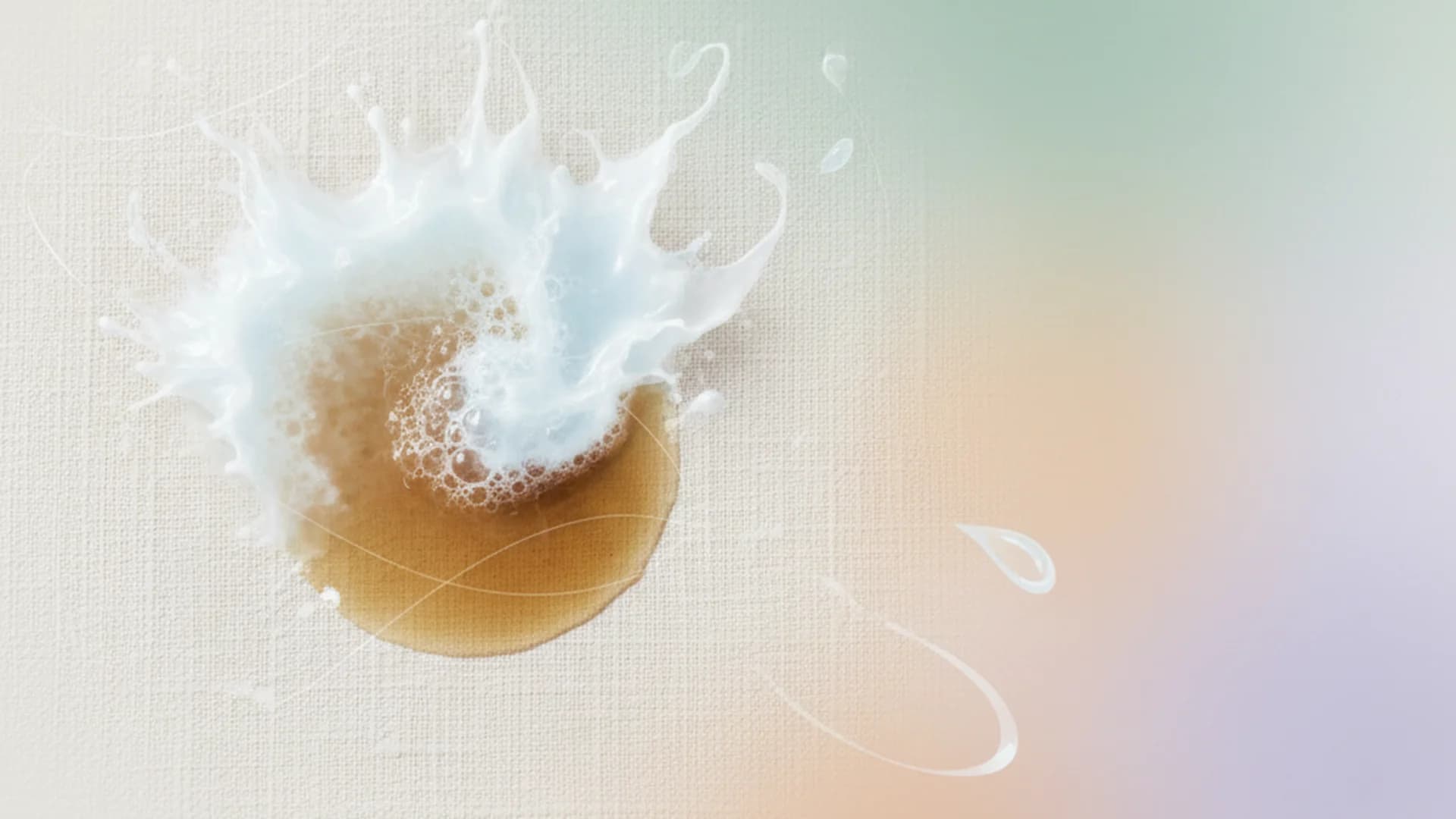
We have all been there: a splash of red wine on a white rug, a drop of grease on a favorite silk tie, or the dreaded grass stains on a child’s uniform. Knowing how to remove stains effectively is a skill that saves thousands of dollars in replaced wardrobe and upholstery costs. However, the secret isn't just buying the most expensive product; it is understanding the science of fibers and the critical 15-minute window for treatment.
The Science of Modern Stain Removal
The landscape of cleaning has shifted dramatically as we move into 2026. While traditional methods still hold value, the "eco-shift" has made bio-enzymatic cleaners far more common. These products don't just "wash" a stain; they digest it.
When you are looking for the best way how to remove stains, you must first identify what you are fighting. Stains are generally categorized into three groups: proteins (blood, dairy), lipids (fats, oils), and starches (food sauces). Using the wrong temperature or chemical can "cook" these substances into the fabric, making them permanent.
The 15-Minute Rule
Treating a spill within the first 15 minutes gives you by far the best chance of removing it completely. Once a stain is allowed to dry, or worse, set by the high heat of a tumble dryer, removing it becomes much harder.
Tip: If you are out at a restaurant and cannot wash the garment immediately, blot the area with plain water or club soda to keep the fibers hydrated until you get home.
Temperature Intelligence: Hot vs. Cold
One of the most frequent mistakes people make when learning how to remove stains is using the wrong water temperature. Heat is a powerful catalyst, but it can be your worst enemy if used incorrectly.
- Cold Water: Essential for protein-based stains like blood, sweat, grass, or dairy. Hot water causes the proteins to coagulate and bind to the fabric fibers, essentially dyeing the cloth with the stain.
- Hot Water: Necessary for oil-based stains such as grease, makeup, or butter. Heat melts the lipids, allowing the surfactants in your detergent to surround and lift the oil molecules away from the surface.
Warning: Never use hot water on an unknown stain. If you aren't sure what caused the spot, start with cold water to avoid setting a protein-based mark permanently.
The Enzymatic Advantage
In 2026, professional cleaners rely heavily on enzymatic specificity. If you want the professional results at home, you should look for cleaners containing these three specific enzymes:
- Protease: Breaks down protein chains (ideal for blood and meat juices).
- Amylase: Targets starches (perfect for chocolate or pasta sauce).
- Lipase: Dissolves fats and oils (the go-to for salad dressings and motor grease).
| Enzyme Type | Target Stain | Common Example |
|---|---|---|
| Protease | Proteins | Blood, Grass |
| Amylase | Starches | Gravy, Tomato |
| Lipase | Fats/Oils | Lipstick, Oil |
How to Remove Stains Naturally
While commercial products are powerful, many homeowners prefer to know how to remove stains naturally to avoid harsh chemicals and save money. The "natural" movement has gained massive momentum, with many households prioritizing biodegradable formulations in 2026.
The Power of Vinegar and Baking Soda
For light, fresh stains and odor neutralization, the combination of distilled white vinegar and baking soda remains a staple. The acidity of the vinegar breaks down mineral deposits and certain pigments, while the alkaline baking soda acts as a gentle abrasive and deodorizer.
The 2026 "Overnight Revival" Trend
A viral trend that has taken the cleaning world by storm is the "Overnight Revival" paste. This is often cited as the best way how to remove stains that are stubborn or have a lingering scent.
- Mix 2 parts baking soda with 1 part hydrogen peroxide and a few drops of dish soap.
- Apply the paste to the stain.
- Let it sit for 12+ hours.
- Rinse with cold water.
Note: Hydrogen peroxide is a mild bleaching agent. Always perform a patch test on a hidden seam before applying this paste to colored fabrics.
3 Real-World Examples of Tough Stain Removal
Example 1: The Red Wine Disaster
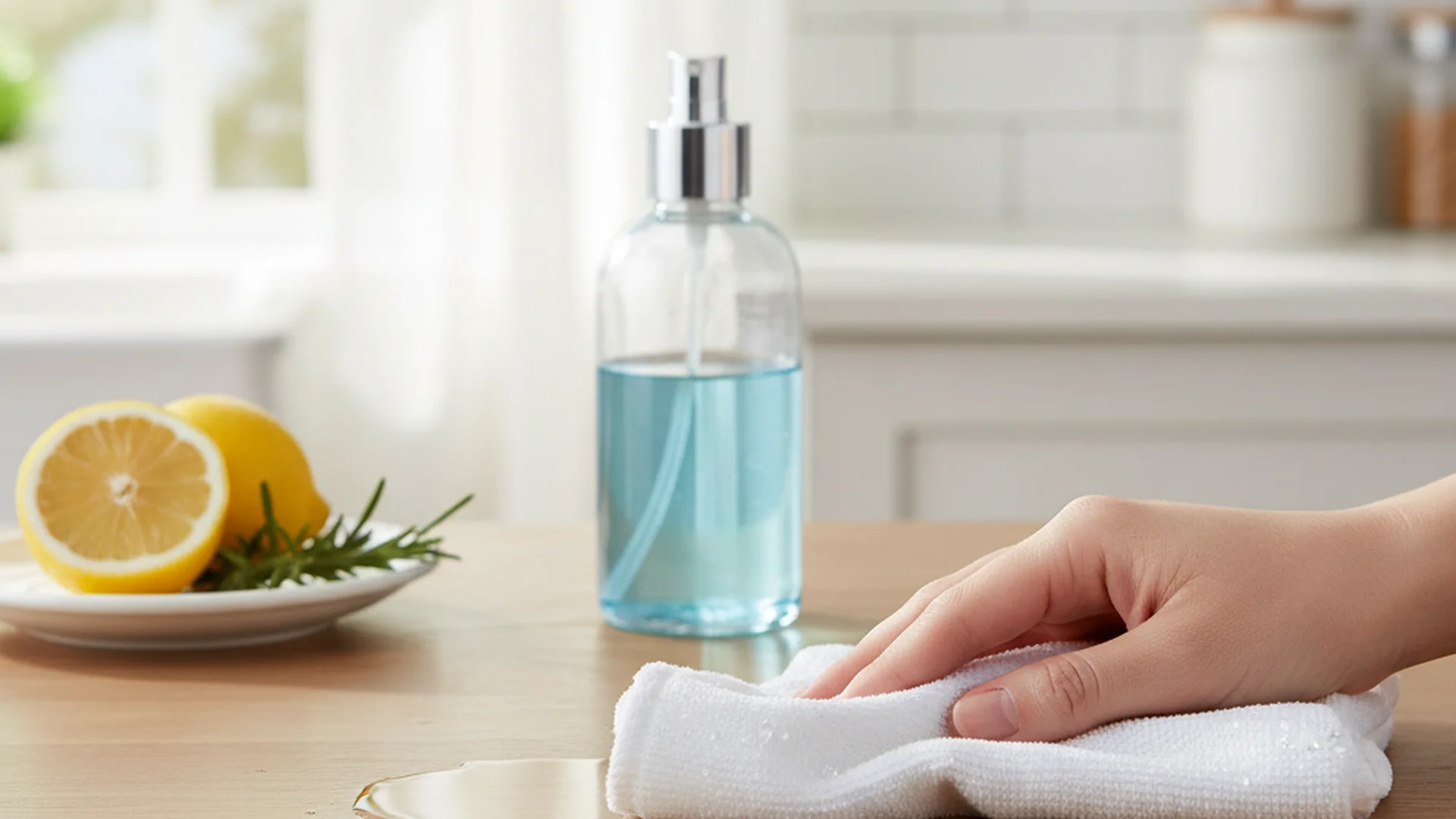
The Scenario: A full glass of Cabernet falls onto a beige cotton sofa. The Fix: Immediately blot (do not rub!) with a clean microfiber cloth. Sprinkle a thick layer of salt or specialized "wine away" powder to soak up the liquid. Once dry, vacuum the salt and treat the remaining pigment with a mixture of dish soap and hydrogen peroxide.
Example 2: The "Dryer-Set" Grease Stain
The Scenario: A shirt with a hidden oil spot went through the dryer, and now the stain is baked in. The Fix: You must re-hydrate the lipids. Apply a dab of glycerin or a heavy-duty liquid enzyme detergent directly to the spot. Use a soft-bristled brush to work it in and let it sit for at least 8 hours before re-washing on the warmest temperature the fabric allows.
Example 3: The Ink Leak
The Scenario: A ballpoint pen leaked in a pocket. The Fix: Forget the old hairspray hack—modern hairsprays lack the alcohol content needed. Instead, place a paper towel under the stain and blot the top with 90% rubbing alcohol or hand sanitizer. The ink will transfer through the fabric onto the paper towel.
Success: Using the alcohol transfer method prevents the ink from spreading outward, keeping the repair contained to the original spot.
2026 Innovations: AI and Steam
The latest frontier in cleaning involves AI-driven care. Several mobile apps launched in late 2025 allow users to photograph a stain. The AI identifies the substance (e.g., distinguishing between mustard and turmeric) and provides a customized, step-by-step guide based on the specific fabric care label it scans.
Additionally, handheld steam cleaners have become a household staple. Steam opens the fabric pores, allowing microscopic grime to be released without the need for harsh scrubbing. This "Steam Reset Method" is particularly effective for delicate items that cannot withstand heavy agitation in a washing machine.
Common Mistakes to Avoid
Even with the best intentions, it is easy to ruin a garment if you follow outdated advice. Here are the top pitfalls to avoid:
- The "More is Better" Myth: Adding extra detergent doesn't mean extra clean. It creates a soap scum residue that acts as a magnet for future dirt and bacteria. Stick to 1–3 tablespoons.
- Rubbing Instead of Blotting: Rubbing creates friction that frays fabric fibers and pushes the pigment deeper into the core of the thread. Always blot from the outside of the stain toward the center.
- Using Chlorine Bleach on Synthetics: Chlorine bleach can cause permanent yellowing on polyester and spandex. Opt for oxygen-based, color-safe bleaches instead.
- Mixing Chemicals: Never mix vinegar and bleach. This creates toxic chlorine gas. If a natural method doesn't work, rinse the fabric thoroughly before trying a commercial chemical.
Warning: Mixing ammonia-based cleaners with bleach creates chloramine vapors, which are highly irritating and dangerous to inhale.
Frequently Asked Questions
How do I remove a stain that has already been through the dryer?
Is it true that hairspray removes ink stains?
Can natural cleaners like vinegar and baking soda really beat commercial products?
What is the "Patch Test" protocol?
Conclusion
Mastering how to remove stains is a combination of quick timing, temperature control, and chemical knowledge. Whether you choose to use the latest AI-guided steam methods or stick to the best way how to remove stains naturally with household staples, the key is consistency. By avoiding common mistakes like rubbing and over-using detergent, you can extend the life of your favorite items for years to come.
Success: By implementing the "15-minute rule" and choosing the right enzyme for the job, you can achieve professional-grade results from the comfort of your laundry room.
Cleaning that keeps score
Every task earns points, every streak multiplies them, and Premium adds a household leaderboard plus a monthly Dustagorgon to beat.
- Free forever
- 30 badges to earn
- Up to 6 in a household
No card needed. Set up your rooms in a couple of minutes.