In this article
What you’ll learn
- Infants absorb chemicals 5x faster than adults due to thinner skin.
- "Fragrance-free" is safer than "unscented" for avoiding hidden chemicals.
- Modern enzymatic and probiotic cleaners are as effective as traditional ones.
Bringing a new baby home is a transformative experience that changes everything—including how you look at the spray bottle under your kitchen sink. As parents, we quickly realize that our cleaning habits need to evolve to protect a tiny human who spends most of their time on the floor and puts nearly everything in their mouth. Choosing the right baby safe cleaning products isn't just about avoiding a "chemical smell"; it’s about understanding the unique biology of an infant.
The reason is straightforward biology. As the ATSDR explains in its pediatric environmental health guidance, a newborn's skin surface area relative to body weight is roughly three times greater than an adult's, and newborn skin more readily absorbs chemicals. Furthermore, because they breathe more rapidly relative to their body weight, they are more susceptible to volatile organic compounds (VOCs) lingering in the air.
Why Specialized Baby Safe Cleaning Products Matter
It is easy to assume that any product labeled "natural" is safe for a newborn, but the regulatory landscape tells a different story. "Natural" is a marketing term, not a regulated safety standard, and it carries no guarantee that an ingredient has been assessed for its long-term effects. For a developing immune system, that gap between the label and the evidence is a significant concern.
A 2025 study in Liver International linked tetrachloroethylene (PCE)—a solvent used in dry cleaning and in some spot removers and upholstery cleaners—to roughly triple the risk of significant liver fibrosis. That research looked at adults rather than children, but it is a good reason to keep PCE out of the house entirely, and it makes the switch to verified baby safe cleaning products a health priority rather than a lifestyle choice.
Warning: Household cleaning substances are the second most common poison exposure reported to US poison centers for children under six. Always store products in high, locked cabinets, even if they are labeled "natural."
How to Identify Truly Baby-Safe Ingredients
The "natural" fallacy is one of the biggest hurdles for parents. Just because an ingredient originates from a plant doesn't mean it is safe for a newborn's respiratory system. For instance, essential oils like eucalyptus or peppermint can be potent irritants for infants.
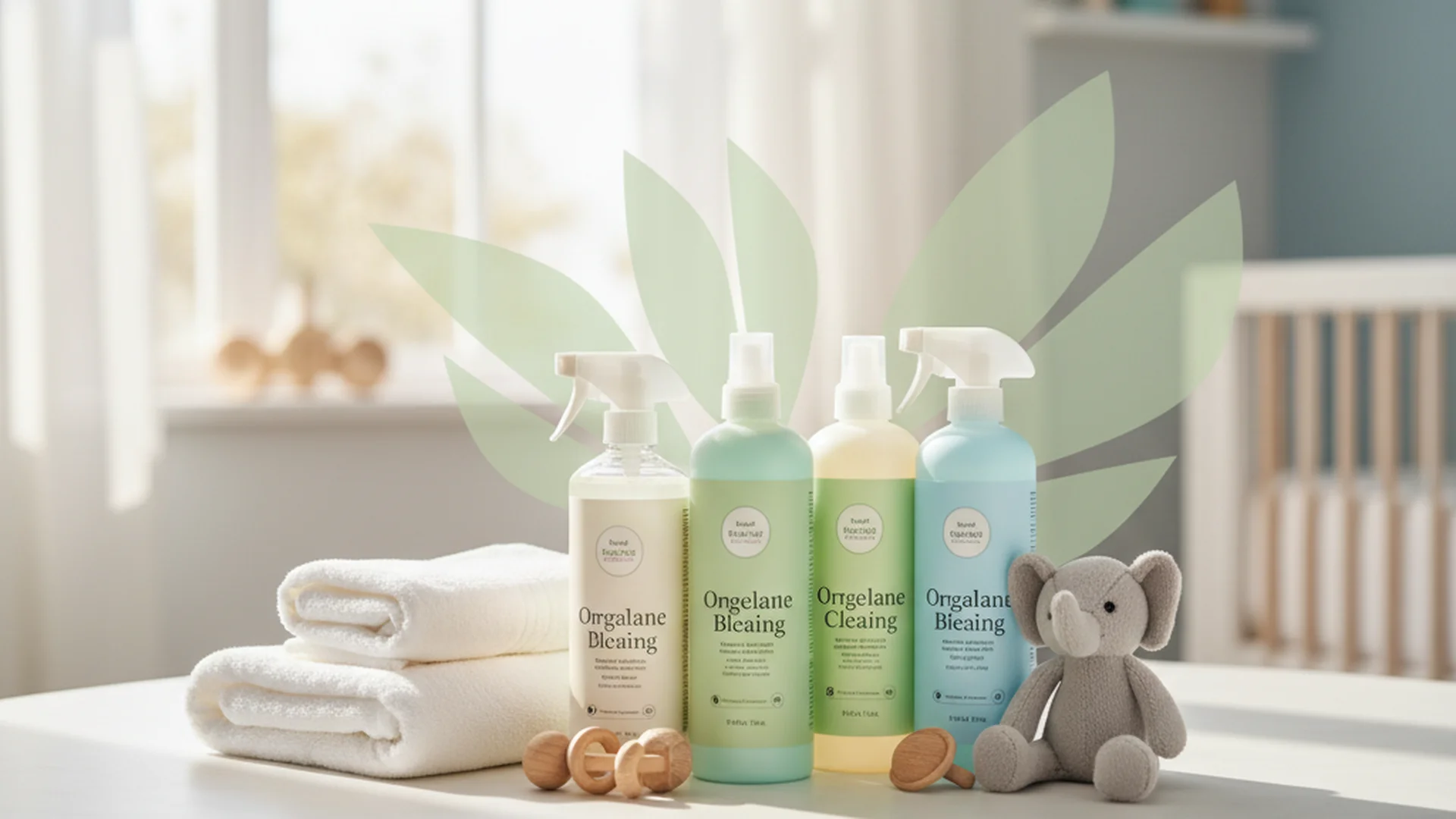
To find the best way baby safe cleaning products should be selected, look for these three gold-standard third-party certifications:
- EWG Verified: This indicates the highest standard for ingredient transparency and health.
- EPA Safer Choice: These products have been screened by scientists to ensure they contain only the safest functional ingredients.
- Made Safe: This certification screens against a banned and restricted list of over 15,000 harmful substances, including endocrine disruptors and flame retardants.
Fragrance-Free vs. Unscented: The Critical Difference
Many parents reach for "unscented" products, assuming they are the same as "fragrance-free." This is a mistake. "Unscented" products often contain masking chemicals designed to neutralize the smell of other raw ingredients. If you want to use baby safe cleaning products naturally, always opt for "Fragrance-Free" to ensure no synthetic scents or masking agents are present.
The Best Way to Use Baby Safe Cleaning Products
Efficiency in cleaning isn't just about the chemical; it’s about the technique. When you are managing a household with a crawler, you need to maximize the "Crawl Zone" safety.
The "Spray the Cloth" Rule
Instead of misting a surface and creating a cloud of particles for your baby to inhale, experts recommend spraying the cleaning solution directly onto a microfiber cloth. This keeps the liquid contained and prevents aerosols from circulating in the nursery.
The Importance of Dwell Time
Natural surfactants and plant-based enzymes often work differently than harsh solvents. They require "dwell time"—allowing the product to sit on the surface for 5 to 10 minutes—to effectively break down proteins like milk proteins or spit-up residue.
Tip: If you are cleaning a high-chair tray, spray it with a baby-safe cleaner, let it sit while you change a diaper, and then come back to wipe it clean. This ensures the enzymes have time to work.
Cleaning the Nursery and Home Naturally
You can achieve a high level of hygiene using baby safe cleaning products naturally by utilizing simple household staples, provided you understand their limitations.
The Vinegar and Water Balance
Vinegar is an excellent tool for cutting through grime and hard water stains on windows or floorboards. However, it is not an EPA-registered disinfectant. For "high-risk" areas, such as a changing table after a significant "blowout," vinegar is insufficient. In these cases, a baby-safe disinfectant like stabilized hydrogen peroxide is a much better choice.
Safe Laundry Practices
The 2025-2026 trend in baby care is the rise of "cold-water enzymes." These specialized proteins in laundry detergents are designed to remove organic stains (like formula or feces) at low temperatures. This is not only hypoallergenic for the baby but also energy-efficient for the home.
| Product Category | Recommended Brand (2026) | Key Benefit |
|---|---|---|
| All-Purpose | Branch Basics | Refillable concentrate, ultra-pure |
| Bottle & Dish | Dapple Baby | Specifically targets milk film |
| Laundry | Seventh Generation Free | Easy accessibility and budget-friendly |
| Deep Cleaning | Attitude (Little Ones) | Strict EWG verification |
| Floor Cleaner | AspenClean | Organic and safe for crawlers |
3 Real-World Cleaning Scenarios
1. The High-Chair "Explosion"
When a toddler finishes a meal, the high chair is often a disaster zone. The best way baby safe cleaning products are used here is by focusing on food-grade safety. Use a product like Dapple Baby or a simple castile soap solution. These break down fats and proteins without leaving a residue that would be harmful if the baby licks the tray (which they will).
2. The Living Room "Crawl Zone"
Floors are the primary exposure route for infants. In 2026, the trend is moving toward probiotic cleaners. These cleaners leave behind "good bacteria" that continue to eat away at harmful pathogens on your hardwood or tile for up to three days after you've mopped.
3. The "Blowout" Recovery
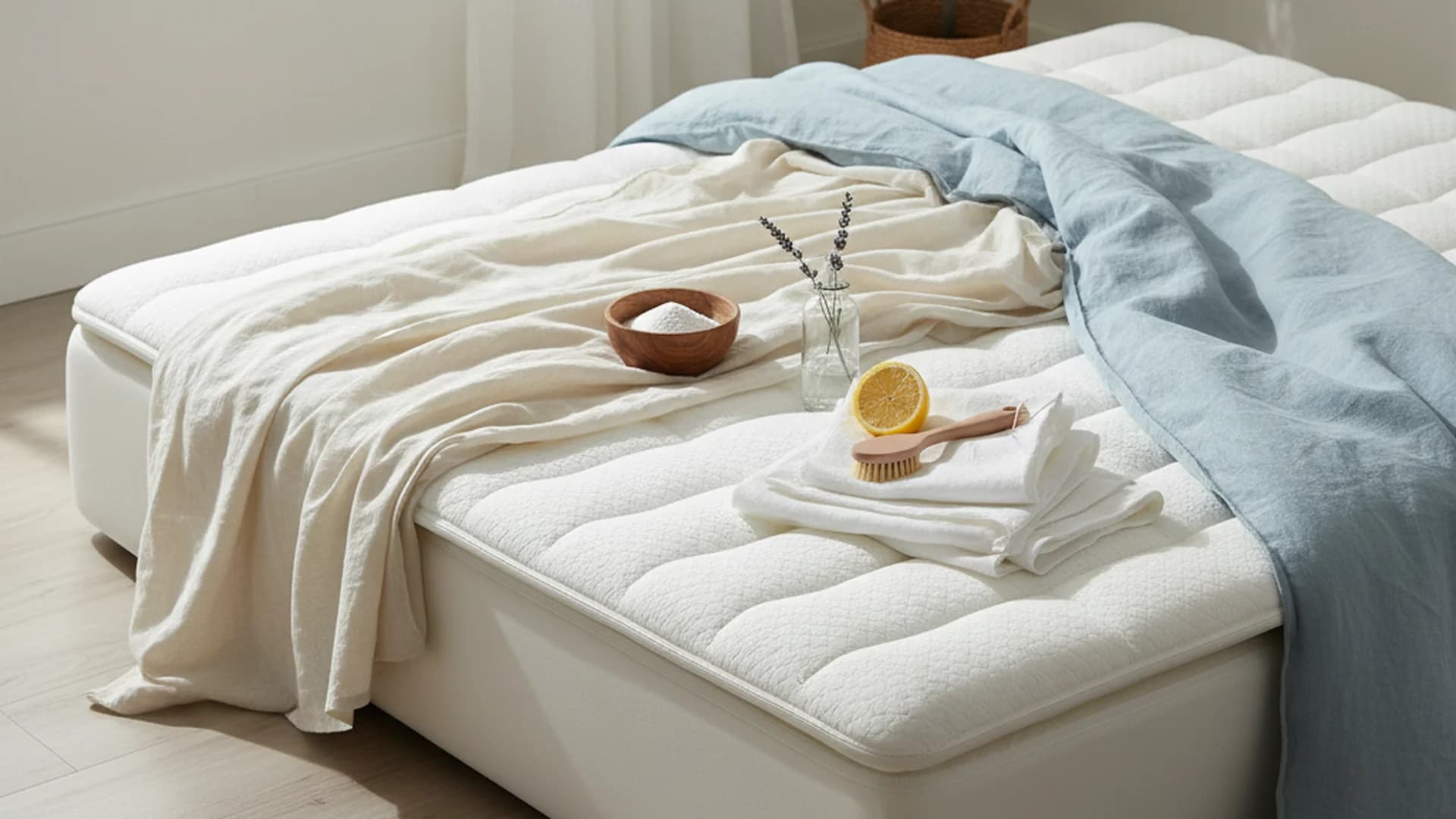
For soft surfaces like carpets or crib mattresses, avoid any product containing PCE or PFAS ("forever chemicals"). Instead, use an enzymatic spot cleaner. Apply the cleaner, cover it with a damp microfiber cloth, and let it sit. The enzymes will literally "eat" the organic matter without off-gassing toxic fumes into the baby's sleeping environment.
Note: Many "green" carpet cleaners still use synthetic preservatives. Always check the ingredient list for methylisothiazolinone, a common allergen.
Common Mistakes to Avoid
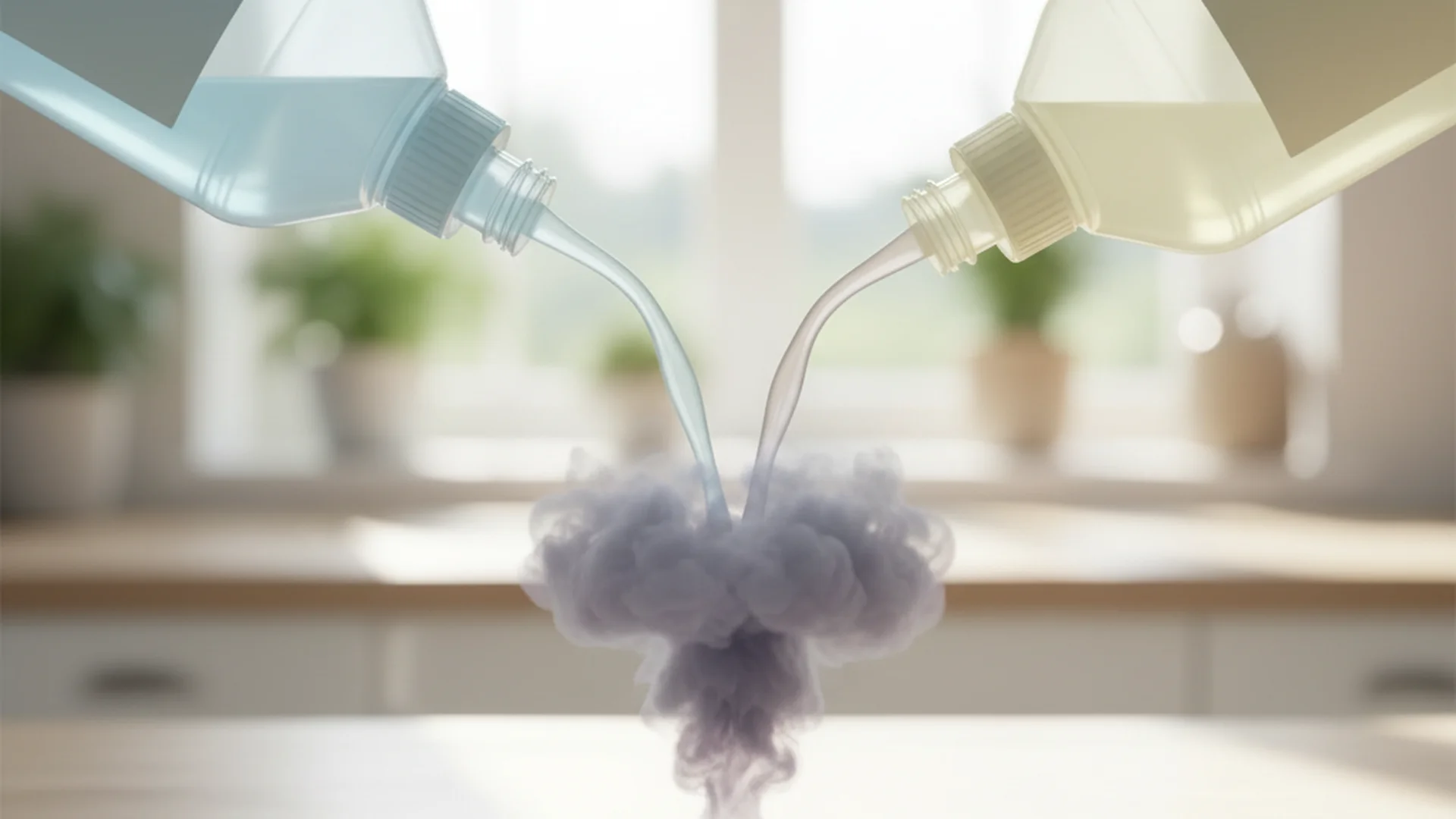
- Mixing Vinegar and Castile Soap: This is a common DIY mistake. Vinegar is an acid and castile soap is a base. When mixed, they "unsaponify," turning into a useless, oily curd that leaves a film on your surfaces.
- The Hygiene Hypothesis Over-Correction: While we want a clean home, over-sanitizing every surface with medical-grade disinfectants can actually prevent a baby’s immune system from developing properly, potentially leading to increased risks of asthma and allergies later in life.
- Cleaning While the Baby is Present: Even with the safest products, it is best practice to clean the room while the baby is elsewhere. Open the windows to ensure proper ventilation and let the surfaces dry completely before bringing the child back in.
Success: By switching to verified baby-safe products, you reduce your child's daily chemical load by up to 80% in the home environment.
Frequently Asked Questions
Are baby-safe cleaners as effective as traditional ones?
Is vinegar and water enough to disinfect baby toys?
When can I switch back to 'regular' cleaning products?
What should I do if my baby touches or ingests a cleaner?
Conclusion: A Safer Home for a Brighter Future
Creating a healthy environment for your child doesn't require a chemistry degree, but it does require a bit of vigilance. By focusing on third-party certifications, understanding the "dwell time" of natural cleaners, and avoiding the "natural" marketing traps, you can ensure your home is a sanctuary rather than a source of exposure. Whether you are choosing baby safe cleaning products naturally with vinegar and soap or opting for the latest 2026 enzymatic innovations, the goal remains the same: a spotless home that is safe for the smallest members of the family.
Cleaning that keeps score
Every task earns points, every streak multiplies them, and Premium adds a household leaderboard plus a monthly Dustagorgon to beat.
- Free forever
- 30 badges to earn
- Up to 6 in a household
No card needed. Set up your rooms in a couple of minutes.