In this article
What you’ll learn
- Vinegar and citric acid are the most effective natural agents for dissolving limescale.
- Never use acidic cleaners on natural stone like marble or granite.
- Hard water quietly erodes appliance efficiency, making regular maintenance essential.
If you have ever noticed a stubborn, chalky white crust forming on your showerhead or cloudy spots on your "clean" wine glasses, you are dealing with the invisible enemy of the modern home: mineral deposits. Learning how to remove hard water buildup is a vital skill for homeowners, especially considering that the vast majority of households in the United States deal with hard water.
Hard water is defined by its high concentration of dissolved minerals, primarily calcium and magnesium. While these minerals aren't harmful to your health, they are devastating to your plumbing, your appliances, and your home’s aesthetic. In this guide, we will explore the best way to remove hard water buildup using both traditional natural methods and the latest 2026 smart-home technologies.
The Science of Limescale: Why It Happens
Before we dive into the cleaning process, it is important to understand what we are fighting. When water contains high levels of calcium and magnesium—often exceeding 180 mg/L in "very hard" water areas—it leaves behind calcium carbonate (limescale) whenever it evaporates.
This process is accelerated by heat. This is why you see the most significant buildup inside teakettles, coffee makers, and water heaters. Scale buildup in a water heater forces it to work considerably harder to heat the same amount of water. Over time, these minerals don't just sit on the surface; they can etch glass, corrode metal, and lead to "pinhole leaks" in copper piping.
How to Remove Hard Water Buildup Naturally
The good news is that you don't need harsh, industrial chemicals to restore your fixtures. Because limescale is alkaline, it can be dissolved using mild acids. For most homeowners, the best way remove hard water buildup is using common household pantry items.
The Wipe-and-Soak Method for Faucets
Faucets and showerheads are often the most visible victims of hard water. When the nozzles become clogged, water pressure drops, and the spray becomes uneven.
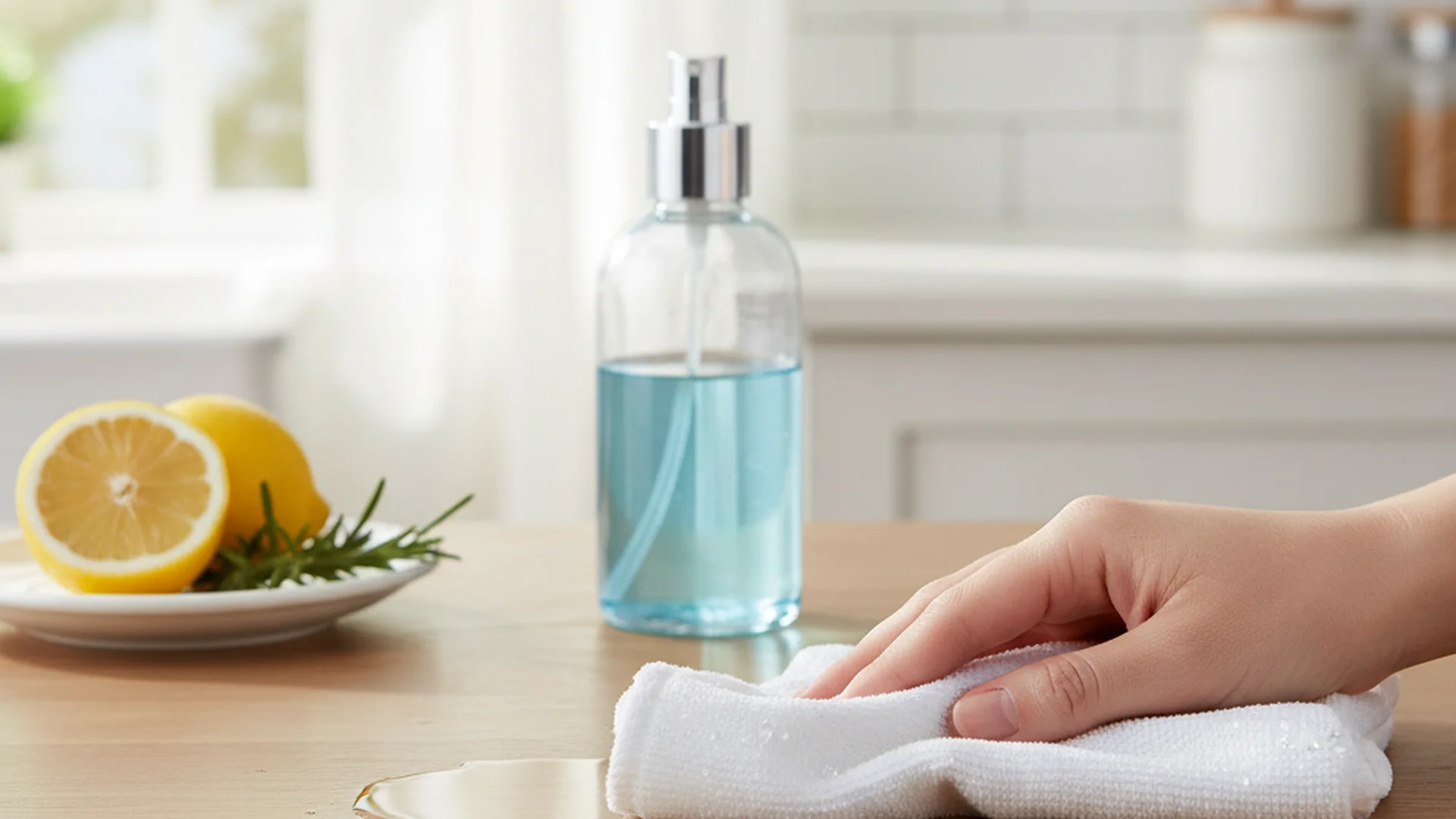
- Soak: Saturate a clean microfiber cloth or paper towels in plain white distilled vinegar.
- Wrap: Wrap the cloth tightly around the faucet or showerhead, ensuring all mineral-crusted areas are in direct contact with the liquid.
- Secure: Use a rubber band or zip tie to hold the cloth in place.
- Wait: Let it sit for 30 to 60 minutes. For extreme buildup, you can leave it for up to two hours.
- Scrub: Remove the cloth and use a soft nylon brush (an old toothbrush works perfectly) to gently scrub away the softened minerals.
- Rinse: Run the water to flush out any remaining debris.
Tip: If your showerhead is removable, you can submerge it entirely in a bowl of vinegar for a more thorough deep clean.
Removing Buildup from Glass and Tile
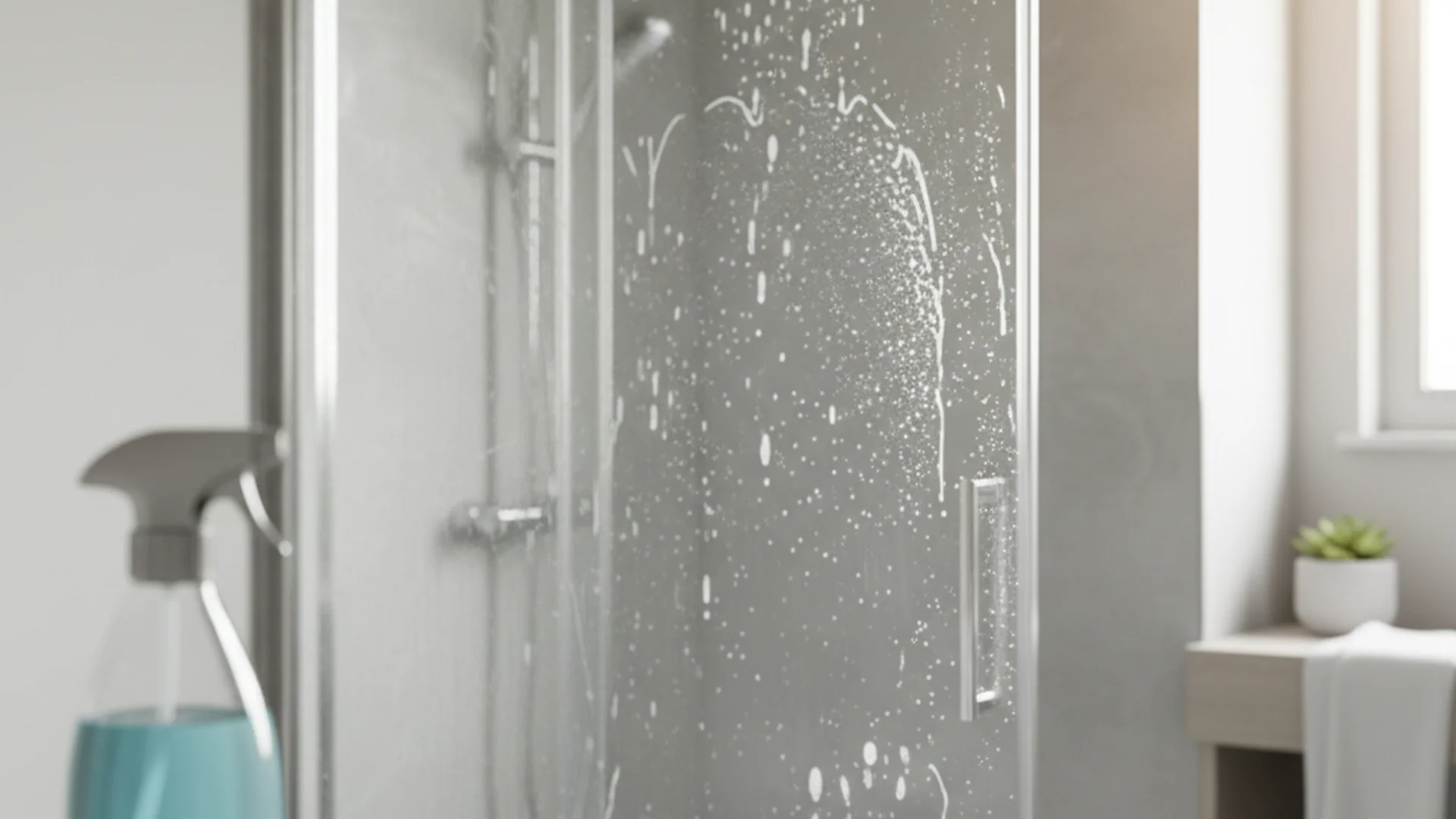
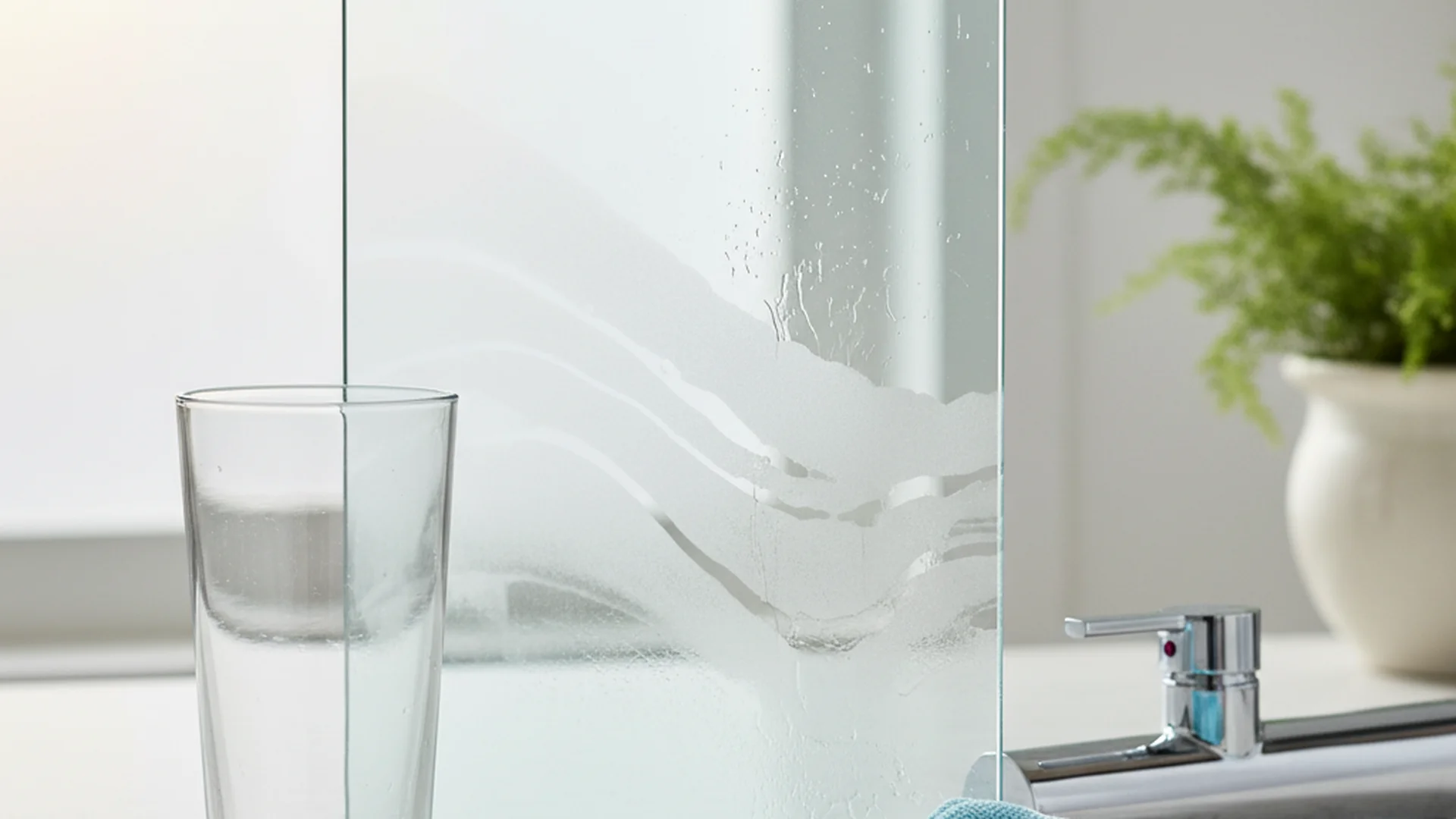
Hard water spots on glass shower doors are notoriously difficult to clean because the minerals can actually "etch" into the glass if left too long. To remove hard water buildup naturally from large surfaces, a paste is your best friend.
- The Baking Soda Paste: Mix 1/2 cup of baking soda with just enough vinegar to create a thick paste. It will fizz—this is the chemical reaction that helps lift the minerals.
- Application: Apply the paste to the glass or tile and let it sit for 10–15 minutes.
- The Scrub: Use a non-abrasive sponge to work the paste in circular motions.
- Rinse: Rinse with warm water and immediately dry with a squeegee.
Warning: Never use steel wool or abrasive green scouring pads on glass or chrome. These create micro-scratches that provide even more surface area for minerals to latch onto in the future.
Descaling Kitchen Appliances
Your dishwasher and washing machine are often the "unseen" victims of hard water. Limescale coats the heating elements, forcing them to run longer and hotter to achieve the same results.
- Dishwashers: Place a bowl containing 2 cups of white vinegar on the top rack of an empty dishwasher and run a hot cycle.
- Washing Machines: Add 1–2 cups of citric acid or vinegar to the detergent dispenser and run a "Clean Washer" or "Sanitary" cycle with hot water.
| Appliance | Method | Frequency |
|---|---|---|
| Coffee Maker | 50/50 Vinegar & Water | Monthly |
| Dishwasher | Vinegar bowl on top rack | Every 3 months |
| Washing Machine | Citric acid in drum | Every 6 months |
Where NOT to Use Acidic Cleaners
While vinegar and citric acid are miracle workers for chrome and ceramic, they are not universal cleaners. Understanding the limitations of natural acids is crucial to preventing permanent damage to your home.
Warning: The acetic acid in vinegar will "etch" (chemically burn) natural stones like marble, granite, and limestone. This causes a permanent dull spot that usually requires professional diamond-polishing to repair.
Additionally, avoid using high concentrations of vinegar on:
- Cast Iron: It can strip the seasoning and cause rust.
- Rubber Gaskets: Some older dishwasher and washing machine seals can become brittle if exposed to vinegar too frequently.
- Electronic Screens: Never use vinegar on TV or monitor screens as it can damage anti-glare coatings.
2026 Trends in Hard Water Management
As we move into 2026, the technology for managing hard water has evolved beyond simple bottled cleaners. If you are tired of the constant cycle of scrubbing, consider these emerging home trends:
AI-Powered Smart Softeners
The latest 2025–2026 water softener models now feature IoT integration. These systems use AI sensors to monitor your real-time water usage and local water table fluctuations. Instead of regenerating on a fixed timer—which wastes salt and water—these smart systems only regenerate when necessary, reducing resource waste by up to 35%.
Nanotechnology Filtration
A major breakthrough in 2026 is the use of nano-composite membranes. Unlike traditional salt-based softeners that swap calcium for sodium, these "salt-free" conditioners use nanotechnology to change the crystal structure of the minerals. The minerals remain in the water (which is better for drinking) but lose their ability to "stick" to surfaces.
Hydrophobic Coatings
Many homeowners are now applying "glass shields" or professional-grade hydrophobic sprays to their shower doors and ceramic tiles. These coatings create a surface so smooth that water beads up and rolls off immediately, carrying the minerals with it before they can dry and form scale.
Success: A daily squeegee paired with a hydrophobic spray stops visible hard water spots from forming in the first place.
Common Mistakes to Avoid
- Mixing Vinegar and Bleach: This is the most dangerous cleaning mistake. Mixing an acid (vinegar) with bleach creates toxic chlorine gas, which can be fatal in unventilated spaces like bathrooms.
- Ignoring the Water Heater: Most people clean their faucets but forget the tank in the basement. Flushing your water heater once a year is essential to remove the "sludge" of minerals that settles at the bottom.
- Using Abrasive Powders: While they might remove the stain quickly, they destroy the finish of your fixtures, making them rust-prone and harder to clean later.
- Misidentifying the Stain: If the "hard water stain" is orange or rust-colored, you actually have high iron content, which requires a different treatment (like iron-out) rather than vinegar.
Frequently Asked Questions
What exactly is the "white crust" on my faucets?
Can hard water buildup cause permanent damage?
Is vinegar safe for all surfaces?
Why do stains return so quickly after cleaning?
Do showerhead filters "soften" water?
Conclusion
Managing hard water doesn't have to be a losing battle. By using the best way remove hard water buildup—a combination of natural acids like vinegar and modern prevention tools like squeegees—you can keep your home sparkling. While DIY methods are excellent for immediate fixes, homeowners in "very hard" water areas should look toward 2026’s AI-powered filtration technologies for a long-term, sustainable solution.
Regular maintenance not only keeps your bathroom looking like a spa but also protects your financial investment by extending the life of your plumbing and appliances.
Success: By implementing a monthly descaling routine, you can trim your energy bills and add years to the life of your expensive appliances.
Cleaning that keeps score
Every task earns points, every streak multiplies them, and Premium adds a household leaderboard plus a monthly Dustagorgon to beat.
- Free forever
- 30 badges to earn
- Up to 6 in a household
No card needed. Set up your rooms in a couple of minutes.