In this article
What you’ll learn
- Dust walls before applying any moisture to avoid creating 'mud.'
- Always wash from the bottom up to prevent permanent drip streaks.
- Tailor your cleaning method to your paint finish (Matte vs. Gloss).
Most of us spend hours scrubbing floors and wiping down counters, but we often overlook the largest surface area in our homes: the walls. Knowing how to clean walls is about more than just aesthetics; it is a vital part of maintaining a healthy living environment. Your walls act as massive vertical "dust traps," capturing everything from pet dander to pollen. In fact, with Americans spending nearly 90% of their time indoors, the pollutants clinging to your paint can be up to five times more concentrated than those found outside.
Whether you are prepping for a seasonal refresh or looking for the best way how to clean walls after a chaotic family gathering, this guide synthesizes the latest 2025-2026 expert recommendations to help you get the job done efficiently.
Why Wall Maintenance Matters in 2026
Maintaining clean walls isn't just about removing that one stray scuff mark. Regular upkeep can extend the life of a professional paint job by three to five years, saving you thousands in renovation costs. By preventing dirt and grease from permanently bonding with the paint film, you preserve the color integrity and "sheen" of your investment.
Furthermore, indoor air quality (IAQ) has become a primary concern for homeowners. Poor IAQ is linked to up to 50% of common household illnesses. By learning how to clean walls quickly and effectively, you remove the mold spores and dust mites that contribute to respiratory issues and allergies.
Essential Supplies for Wall Cleaning
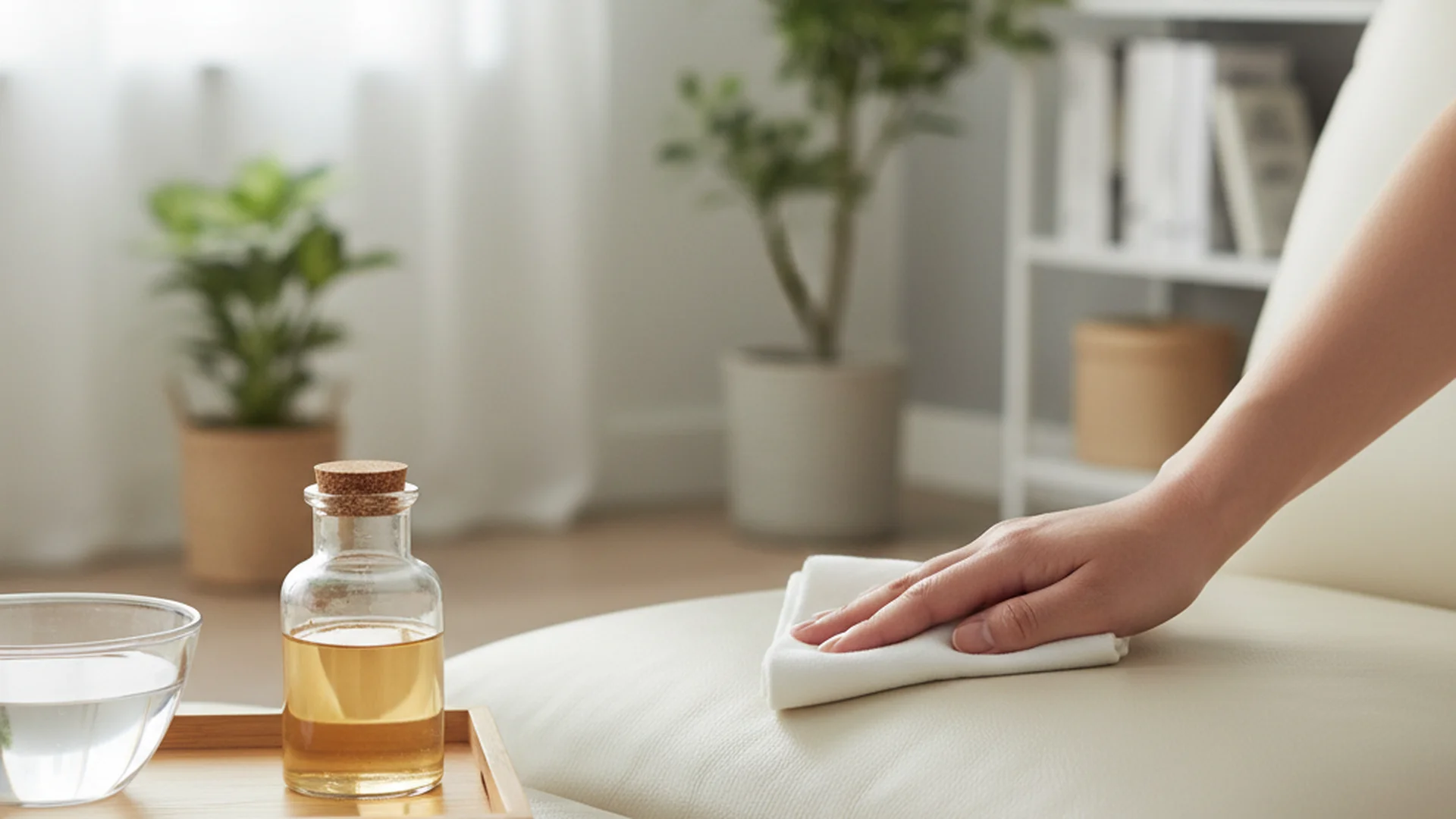
Before you begin, gather these items to ensure a seamless process. The trend for 2026 focuses heavily on eco-friendly, non-toxic solutions that protect both your family and the environment.
- Microfiber Cloths and Mops: Avoid abrasive sponges.
- The Two-Bucket System: One bucket for your cleaning solution, one for clean rinsing water.
- Clear Dish Soap: Ensure it is pH-neutral.
- White Vinegar: A natural degreaser and disinfectant.
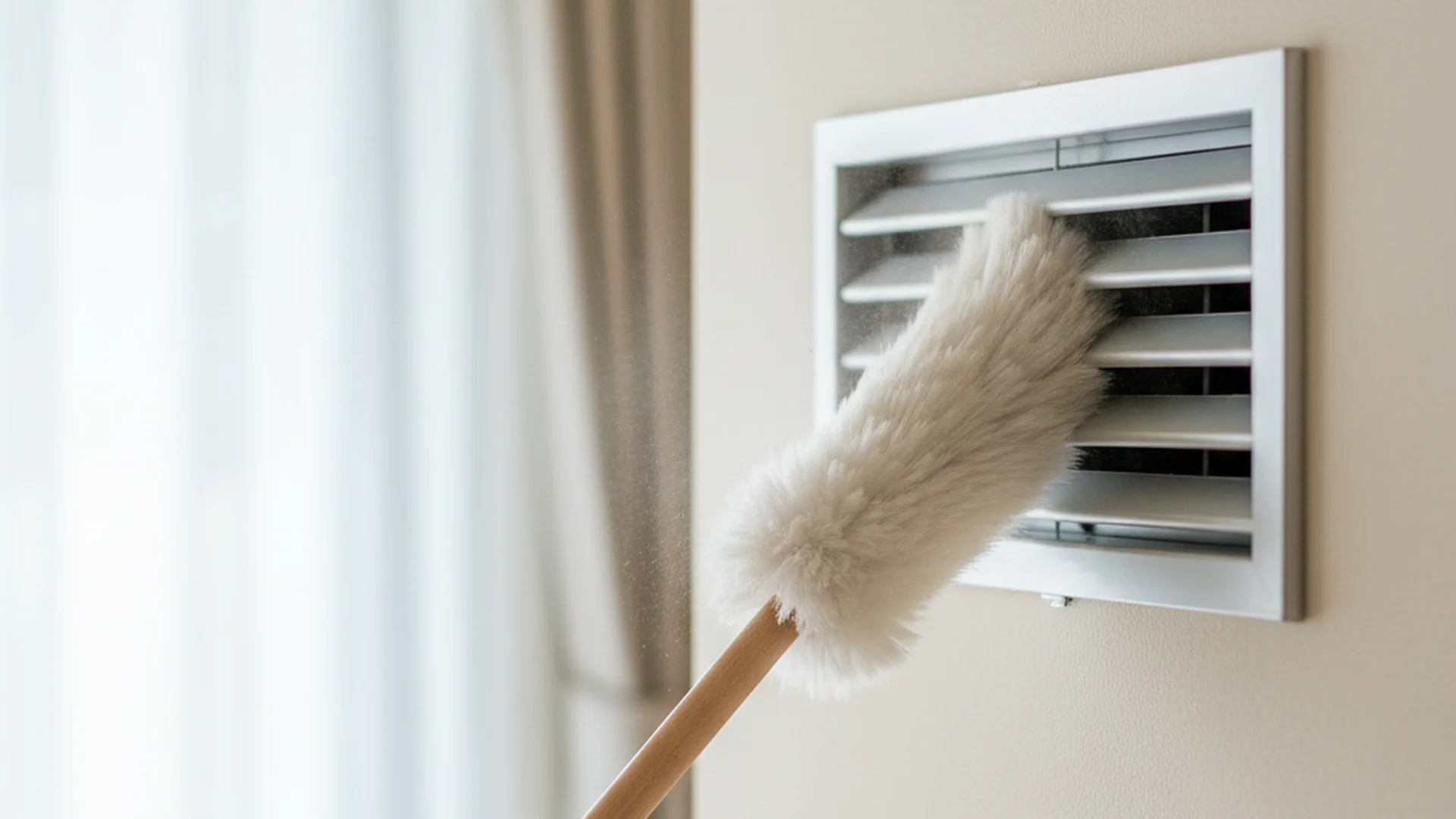
- Extendable Duster: Or a "wall washer" tool for high reaches.
- Vacuum: Equipped with a soft brush attachment.
Note: The eco-friendly cleaning market is projected to reach over $40 billion by 2026. Switching to plant-based soaps and vinegar solutions aligns with these sustainable trends.
The Golden Rule: Dust Before You Wash
The biggest mistake homeowners make is applying a wet cloth to a dusty wall. This creates a "mud" that pushes grime deeper into the paint's texture, making it significantly harder to remove.
Step 1: The Dry Dust
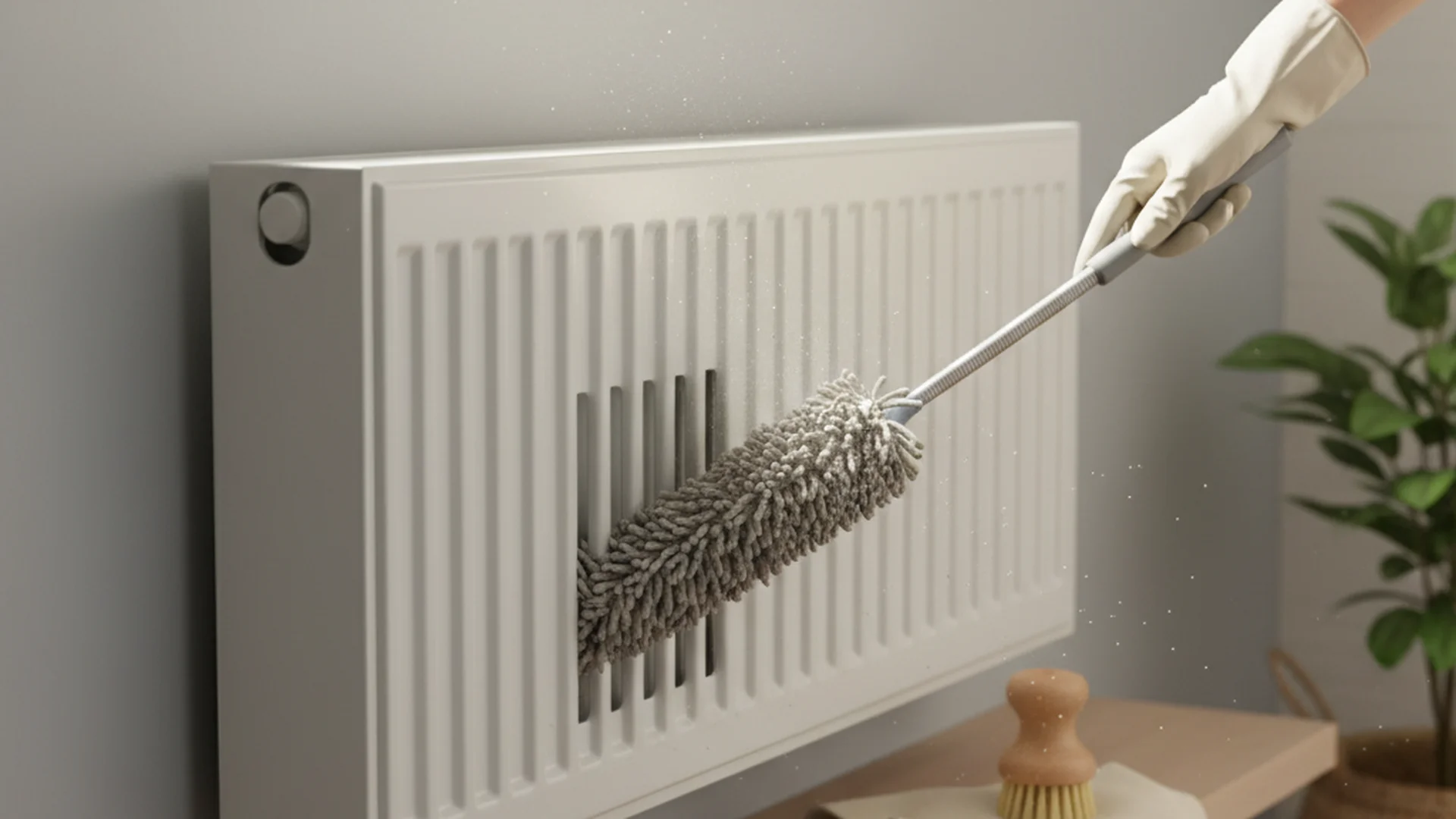
Use a vacuum with a brush attachment or a dry microfiber duster. Start at the ceiling and work your way down to the baseboards. Pay special attention to corners where cobwebs tend to accumulate.
Step 2: The "W" Pattern Technique
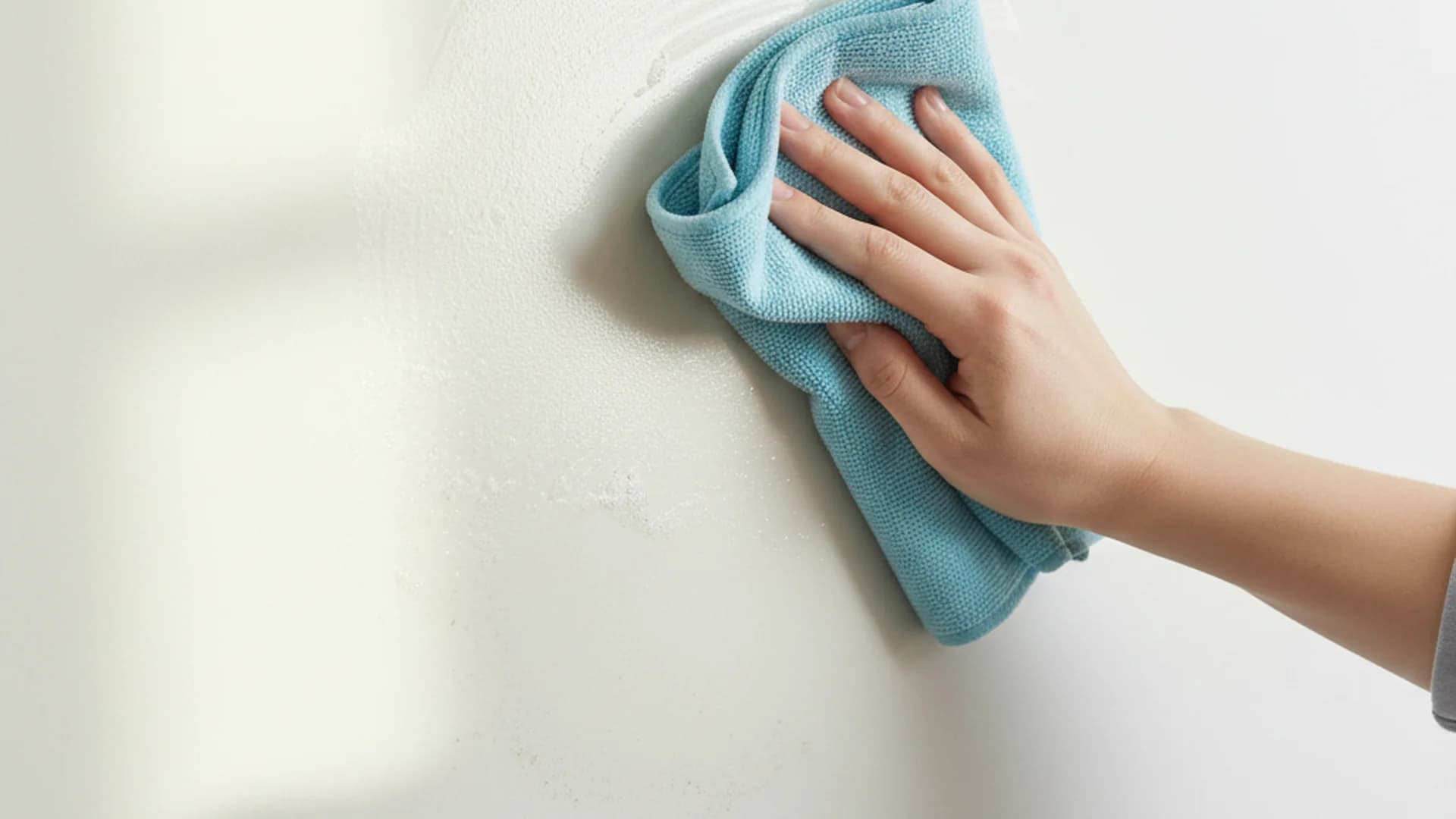
When you move to the washing phase, experts recommend using a microfiber flat mop in a "W" or "S" motion. This ensures even coverage and prevents the streaking often caused by random circular scrubbing.
Tip: Viral tools like the Chomp Wall Washer (a triangular microfiber mop) have become the standard for how to clean walls quickly without needing a ladder.
How to Clean Different Paint Finishes
Not all paint is created equal. Using the wrong technique on a delicate finish can result in "burnishing"—permanent shiny spots where you’ve rubbed too hard.
| Paint Finish | Durability | Recommended Cleaning Method |
|---|---|---|
| Matte / Flat | Low | Minimal moisture, zero pressure. Use a very light touch. |
| Eggshell / Satin | Medium | Mild soapy water; avoid heavy scrubbing. |
| Semi-Gloss | High | Can handle mild degreasers and active wiping; great for kitchens. |
| High Gloss | Very High | Durable enough for more frequent cleaning; ideal for bathrooms. |
The DIY "Miracle" Solution
For 2025-2026, the safest all-purpose mix remains a simple, non-toxic blend:
- 1 teaspoon clear dish soap
- ½ teaspoon white vinegar
- 1 quart warm water
Warning: Avoid using "Sugar Soap" on matte or flat finishes. While it is excellent for heavy grease or prep-work before painting, it is too abrasive for delicate decorative finishes and may leave permanent marks.
Real-World Examples: Handling Tough Stains
Example 1: High-Traffic Scuffs
In a busy hallway, scuff marks from shoes or bags are common. Instead of reaching for a chemical cleaner, try a damp microfiber cloth first. If the mark persists, use a tiny amount of the DIY solution.
Example 2: Kitchen Grease
Walls near the stove often collect a sticky film. For these areas, the vinegar in your DIY solution acts as a natural degreaser. For heavy buildup, you may need a dedicated alkaline cleaner, but always test a small, inconspicuous area first.
Example 3: Nicotine and Smoke
Nicotine leaves a stubborn, yellow film. The best approach is a solution of warm water, white vinegar, and dish soap. For extreme cases, professional "dry cleaning sponges" (made of natural rubber) are designed to lift soot and smoke without moisture.
Common Mistakes to Avoid
To keep your walls looking pristine, avoid these common pitfalls that can lead to permanent damage:
- Over-Saturation: Getting drywall too wet can lead to mold growth behind the paint or "bubbling" of the surface. Your cloth should be damp, not dripping.
- Cleaning Top to Bottom: This is counter-intuitive, but experts suggest washing bottom to top. This prevents dirty water from dripping down onto dry, dusty areas, which can cause permanent vertical streak stains.
- Using Magic Erasers on Sheen: Melamine sponges are micro-abrasives. They act like ultra-fine sandpaper and will strip the "sheen" off satin or semi-gloss paint, leaving a dull spot. Limit their use to white-painted trim only.
- Adding Fabric Softener: A viral "hack" suggests adding fabric softener to repel dust. Avoid this. It leaves a sticky film that actually attracts more grime over time and makes future repainting nearly impossible.
Warning: Never mix bleach with ammonia-based cleaners while trying to tackle wall stains, as this creates toxic fumes.
2025-2026 Trends: Dark Colors and Probiotics
The interior design world is currently shifting toward "Cocooning Hues"—deep navy, forest greens, and rich mushroom tones. While beautiful, these saturated colors show dust and salt-water "halo" marks much more clearly than white or beige. If you have moved toward these darker palettes, regular dry-dusting is critical for maintaining the aesthetic.
Additionally, we are seeing the rise of probiotic cleaners. These contain beneficial bacteria that continue to "eat" organic matter (like skin oils and pet dander) on the wall surface long after you finish wiping.
Success: Regular wall maintenance not only improves your home’s look but significantly boosts the longevity of your interior design choices.
Frequently Asked Questions
How often should I clean my walls?
Can I clean walls without removing the paint?
What is the fastest way to clean walls?
Is vinegar safe for all paint types?
Conclusion
Mastering how to clean walls is a fundamental skill for any homeowner looking to maintain a healthy and beautiful space. By following the "dust before wash" rule and using the correct techniques for your specific paint finish, you can refresh your home without the need for a professional crew. As we move into 2026, the focus remains on gentle, sustainable methods that protect your indoor air quality as much as your decor.
Success: Following this guide will keep your walls looking freshly painted and your home's air cleaner for years to come.
Cleaning that keeps score
Every task earns points, every streak multiplies them, and Premium adds a household leaderboard plus a monthly Dustagorgon to beat.
- Free forever
- 30 badges to earn
- Up to 6 in a household
No card needed. Set up your rooms in a couple of minutes.