In this article
What you’ll learn
- Close the lid before flushing to prevent the "toilet plume" from spreading bacteria.
- Practice the "dwell time" rule by letting disinfectants sit for 5-10 minutes.
- Use citric acid or hydrogen peroxide as effective, eco-friendly bleach alternatives.
Did you know that every time you flush, you might be sending a cloud of bacteria into the air? Bathroom hygiene guidance has long warned about the "toilet plume" effect—flushing with the lid open sends a fine spray of aerosol droplets into the room. These droplets can land on your towels, countertops, and even your toothbrush within seconds. Learning how to clean toilet surfaces properly isn't just about aesthetics; it is a vital step in maintaining your family’s health.
Whether you are dealing with stubborn hard water rings or looking for the best way to clean toilet bowls using modern, eco-friendly methods, this guide covers everything from traditional scrubbing to the latest "Smart Home" sanitation trends.
The Essential Toilet Cleaning Toolkit for 2025
Before you start, you need the right tools. While the classic nylon brush has been a staple for decades, 2025 trends are shifting toward more hygienic and sustainable options.
The Modern Cleaning Kit
- Silicone Toilet Brush: Unlike traditional bristles, D-shaped silicone heads don’t trap debris, are easier to sanitize, and dry significantly faster.
- Microfiber Cloths: Use color-coded cloths (e.g., red for the toilet only) to prevent cross-contamination with other bathroom surfaces.
- Citric Acid or Hydrogen Peroxide: These are the gold standards for those wondering how to clean toilet without bleach while still achieving professional-grade results.
- Handheld Steam Cleaner (Optional): A "CleanTok" favorite for 2025, steam cleaners are excellent for sanitizing hard-to-reach hinges and the toilet base without chemicals.
- Pumice Stone: Specifically for removing the "brown ring" of limescale that builds up in hard water areas.
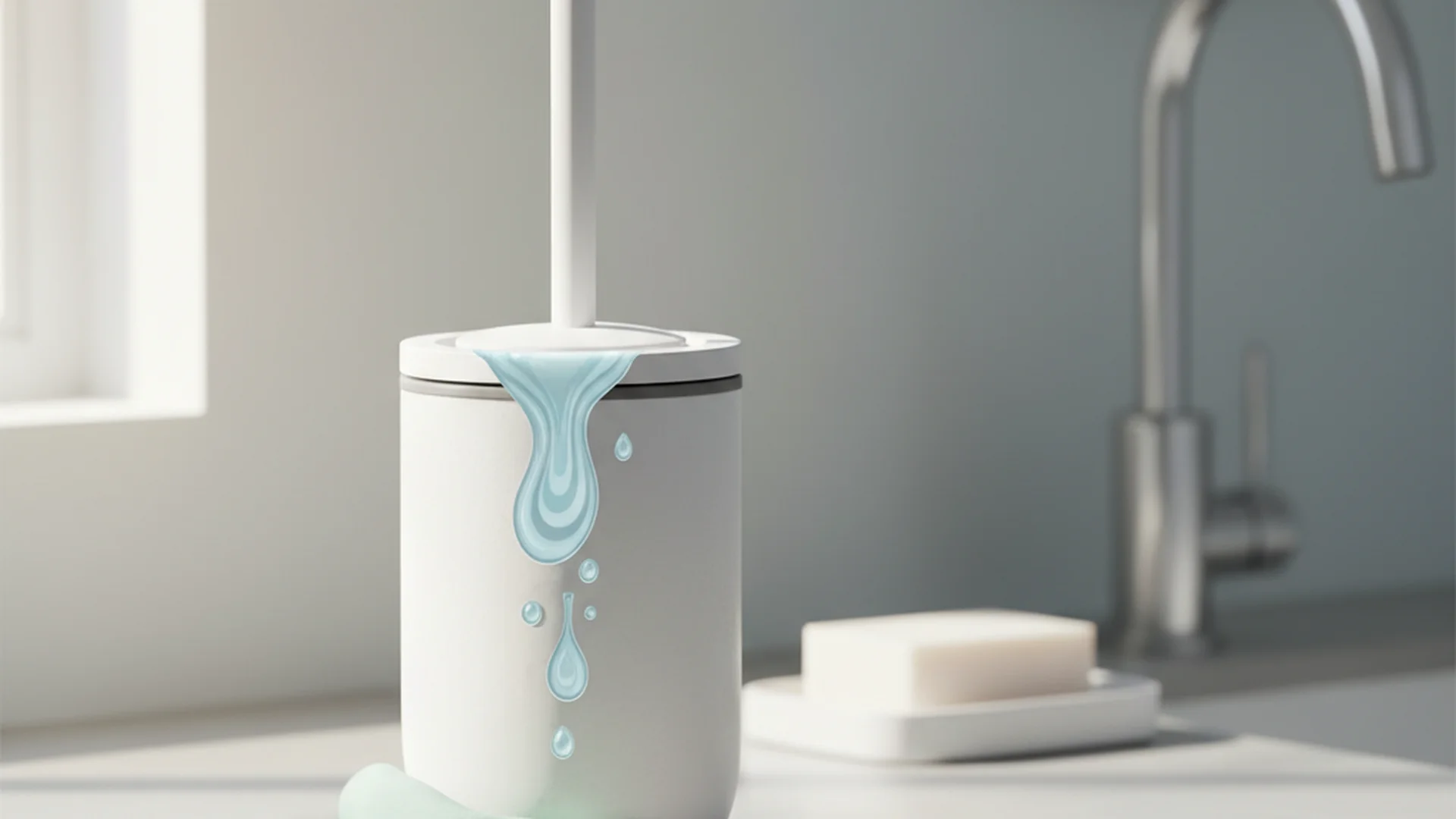
Tip: Invest in a silicone brush with a ventilated holder. This prevents the "toilet brush soup" (dirty water pooling at the bottom) that breeds bacteria.
Step-by-Step Guide: The Professional "Top-to-Bottom" Method
To ensure maximum hygiene, professionals use a top-to-bottom approach. This prevents bacteria from the dirtiest parts of the toilet (the bowl) from being wiped onto cleaner parts (the handle).
Step 1: Prep and the "Flush Handle" Priority
Start by flushing the toilet with the lid closed to clear the bowl. Apply your chosen cleaner to the interior of the rim. However, do not scrub yet.
Note: The flush handle often harbors more bacteria than the seat because it is touched before you wash your hands. Always sanitize the handle first.
Step 2: The Dwell Time Rule
One of the most common mistakes is spraying and immediately wiping. Most disinfectants need a "dwell time" of 5 to 10 minutes on the surface to actually kill viruses and bacteria — check the label on your bottle. Apply your cleaner to the tank, lid, and seat, and let it sit.
Step 3: Cleaning the Exterior
Using your microfiber cloth, wipe down the tank, then the lid, and finally the seat. Pay special attention to the hinges, where dust and grime tend to collect.
Step 4: Scrubbing the Bowl
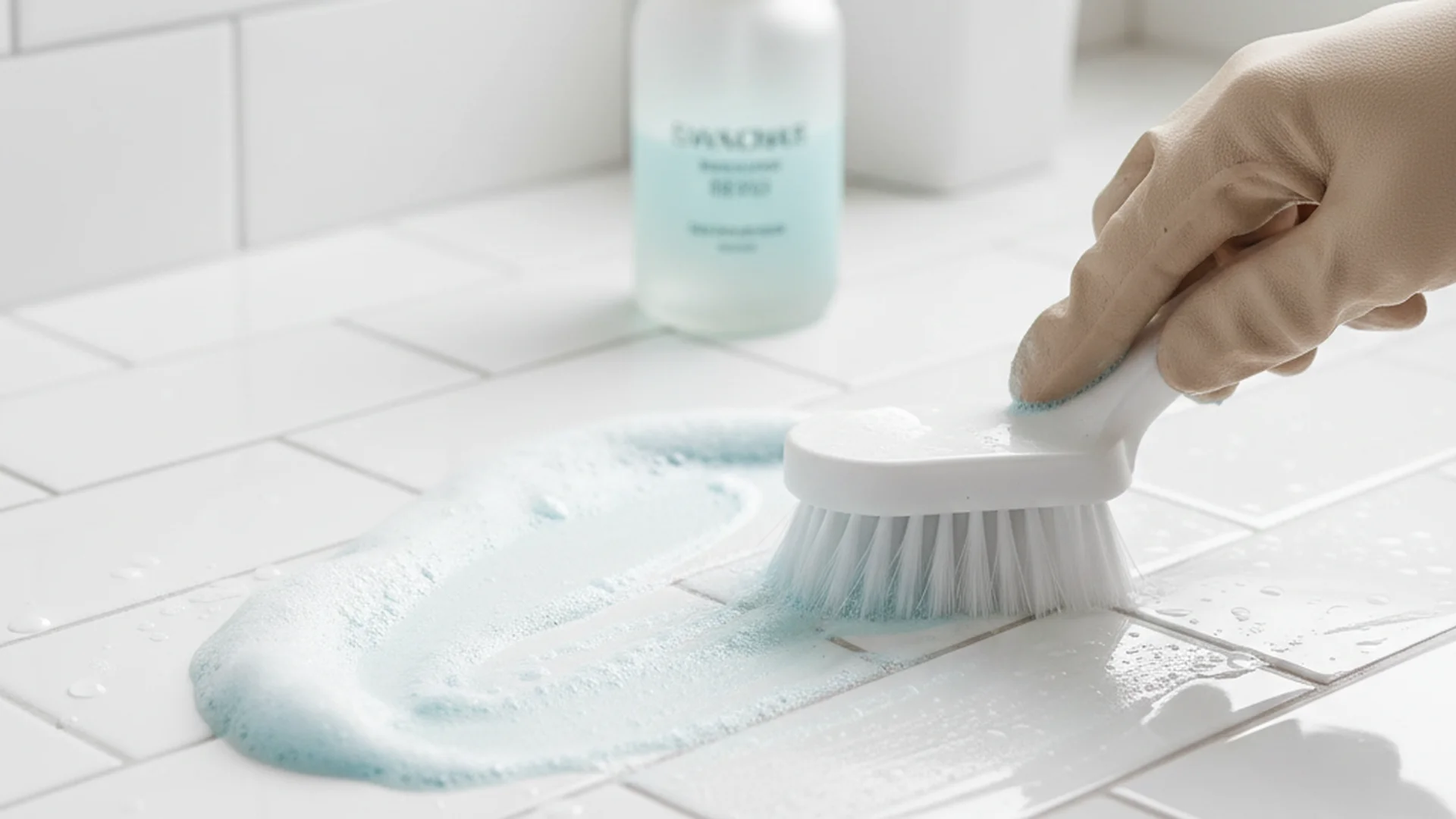
Now that your cleaner has had time to break down minerals inside the bowl, use your silicone brush to scrub under the rim and down into the trap.
Step 5: The "Brush-Dry" Method
Never put a wet brush back into its holder.
Success: Wedge the brush handle between the seat and the bowl so the head hangs over the water. Let it drip-dry for 10 minutes before storing it to keep your bathroom smelling fresh.
How to Clean Toilet Without Bleach: Eco-Friendly Alternatives
Many homeowners are moving away from chlorine bleach due to its harsh fumes and potential to damage porcelain glazes over time. Here is the best way to clean toilet surfaces using natural ingredients.
The Citric Acid Power-Clean
Citric acid is incredibly effective at breaking down calcium and magnesium buildup (limescale).
- Pour 1/2 cup of citric acid powder into the toilet bowl.
- Let it sit for at least 30 minutes (or overnight for heavy stains).
- Scrub and flush.
The Hydrogen Peroxide Sanitize
Hydrogen peroxide is an eco-friendly disinfectant that kills mold and bacteria without toxic residue.
- Add 1/2 cup of 3% hydrogen peroxide to the bowl.
- Let it sit for 15 minutes.
- Scrub as usual.
Warning: Never mix vinegar and baking soda expecting a "deep clean." While the fizzing looks impressive, they essentially neutralize each other. Use baking soda first as a physical scrub, then follow with vinegar to dissolve mineral deposits.
Troubleshooting Common Stains and Odors
Even with regular cleaning, certain issues like hard water or "missed aim" odors can persist.
| Problem | Cause | Solution |
|---|---|---|
| Pink/Orange Ring | Serratia Marcescens Bacteria | Disinfectant or Hydrogen Peroxide |
| Brown/Grey Ring | Limescale (Hard Water) | Citric Acid or Pumice Stone |
| Lingering Urine Odor | The Toilet Base/Floor Bolts | Steam cleaner or Probiotic spray |
Real-World Example 1: The "New Home" Limescale
Imagine moving into a new apartment where the toilet has a thick, brown ring at the bottom. Standard soap won't work because it's a mineral deposit, not dirt. In this case, using a pumice stone (kept wet to avoid scratching) or a heavy application of citric acid is the only way to restore the porcelain.
Real-World Example 2: The High-Traffic Family Bathroom
In a house with three kids, a weekly clean isn't enough. For high-traffic areas, use a "probiotic cleaner" spray. These contain "good bacteria" that continue to eat away at organic waste and odors for up to 24 hours after you spray, keeping the area around the base fresh between deep cleans.
Common Mistakes to Avoid
- Forgetting the Base and Bolts: The floor bolts at the bottom of the toilet are magnets for dust and "missed aim" splashes. If your bathroom smells despite a clean bowl, the base is likely the culprit.
- Using Blue Tank Tablets: These are best avoided, because the concentrated chemicals can degrade the rubber flapper and gaskets inside the tank, leading to "phantom flushing" and leaks.
- Mixing Chemicals: This is the most dangerous mistake. Never mix bleach with ammonia or vinegar, as it creates toxic gases (chloramine or chlorine) that can be fatal in small, unventilated spaces.
- Ignoring the "Toilet Plume": Always train household members to close the lid before flushing to keep the rest of the bathroom sanitary.
Frequently Asked Questions
How do I get rid of the brown ring at the bottom of the toilet?
Is it safe to leave bleach in the toilet overnight?
Can I clean a toilet without a brush?
Why does my toilet still smell after cleaning?
Conclusion
Mastering how to clean toilet surfaces is a cornerstone of a healthy home. By implementing the "top-to-bottom" method, respecting "dwell time," and embracing modern tools like silicone brushes or steam cleaners, you can transform this chore into a quick, 10-minute weekly routine. Remember, the best way to clean toilet bowls in 2025 focuses on both immediate sanitization and long-term maintenance of the porcelain and hardware.
Success: A consistent cleaning routine not only prevents permanent staining but also extends the life of your plumbing fixtures, saving you money on repairs.
Cleaning that keeps score
Every task earns points, every streak multiplies them, and Premium adds a household leaderboard plus a monthly Dustagorgon to beat.
- Free forever
- 30 badges to earn
- Up to 6 in a household
No card needed. Set up your rooms in a couple of minutes.