In this article
What you’ll learn
- Grout is highly porous and requires regular sealing every 12-24 months.
- Natural solutions like baking soda and hydrogen peroxide are safer and more effective than bleach.
- Proper daily maintenance, like using a squeegee, can reduce mold growth by up to 90%.
For many homeowners, the bathroom is a sanctuary, but nothing ruins the aesthetic of a spa-like retreat faster than dingy, discolored grout lines. Learning how to clean shower grout is one of the most essential maintenance skills you can master. Because grout is a mixture of sand and cement, it is naturally porous. Under a microscope, these lines look like a sponge, absorbing skin cells, soap scum, and moisture to create an "all-you-can-eat buffet" for mold and bacteria.
In this guide, we will explore the most effective methods to restore your tile surfaces, including the best way to clean grout using professional-grade techniques and eco-friendly alternatives.
Why Your Grout Gets Dirty So Fast
To understand how to clean shower grout effectively, you first have to understand what you are fighting. Most grout is cement-based, meaning it has a massive surface area that traps organic matter. When you shower, body oils and fatty acids from soaps wash over these porous lines. If the grout isn't sealed, these substances move deep into the material where standard surface wiping can’t reach.
Furthermore, if you notice an orange or pink film appearing on your grout, you aren't just looking at dirt. This is usually Serratia marcescens, a common airborne bacterium that thrives in damp environments. Without regular deep cleaning and proper ventilation, these biological visitors can become permanent residents.
Note: Professional-grade grout sealers typically last 12–24 months. If your grout is absorbing water rather than letting it bead on the surface, your protective barrier has failed.
How to Clean Shower Grout Without Bleach
While many people reach for the bleach bottle at the first sign of mildew, modern cleaning science suggests this might be a mistake. Bleach is excellent at surface sanitization, but it often fails to penetrate the deep pores of cement grout. Additionally, frequent bleach use can weaken the grout structure and cause white grout to yellow over time.
The "No-Bleach" Gold Standard Recipe
If you want to know the best way to clean grout without harsh fumes, this "Pantry-Only" recipe is the professional consultant's favorite:
- The Paste: Mix 2 parts baking soda with 1 part hydrogen peroxide.
- The Boost: Add 1 teaspoon of liquid dish soap. The soap acts as a degreaser to break down body oils that hold the dirt in place.
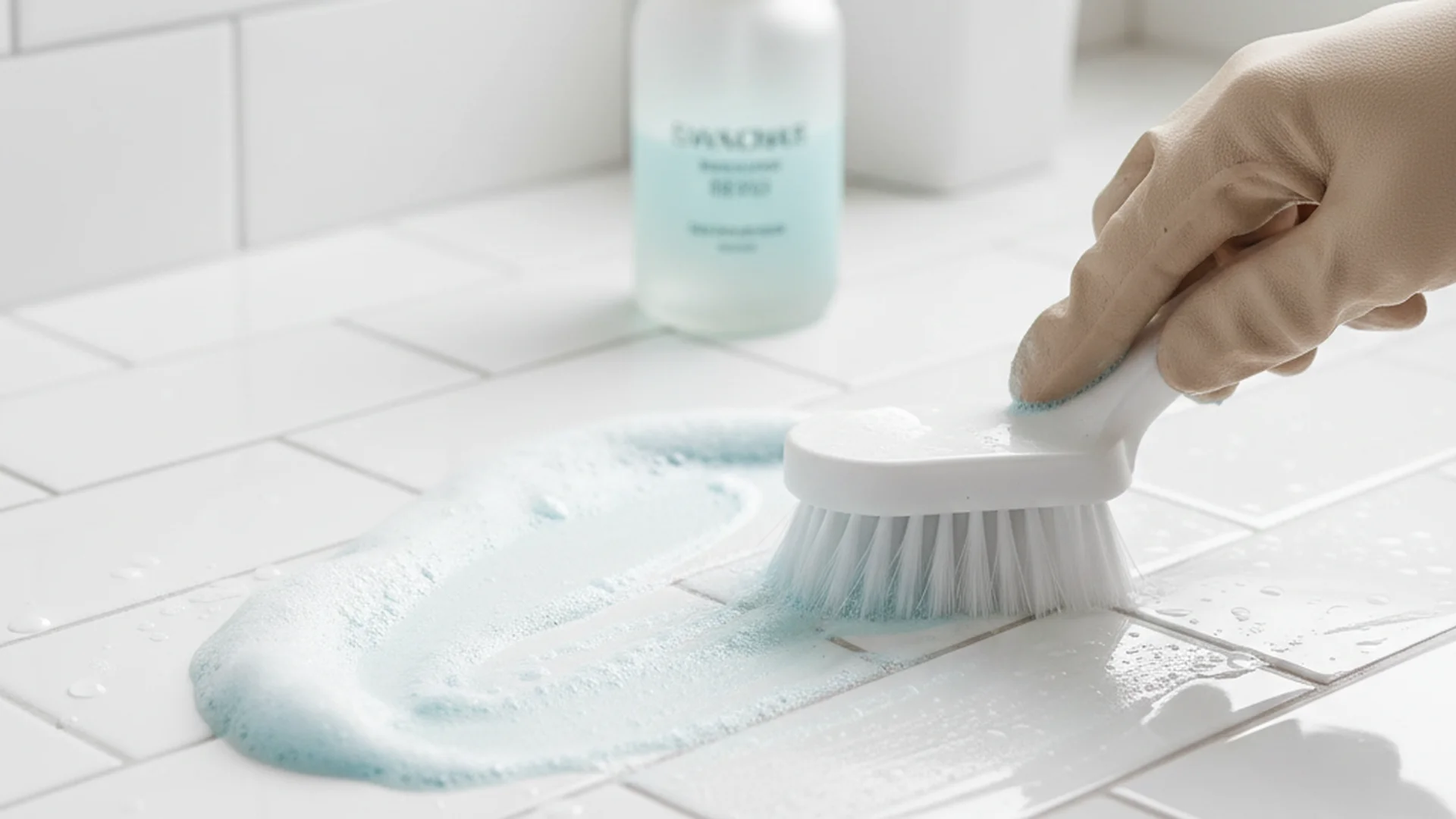
- The Method: Apply the paste to your grout lines and let it sit for 10–15 minutes. This "dwell time" allows the chemical reaction to lift stains to the surface.
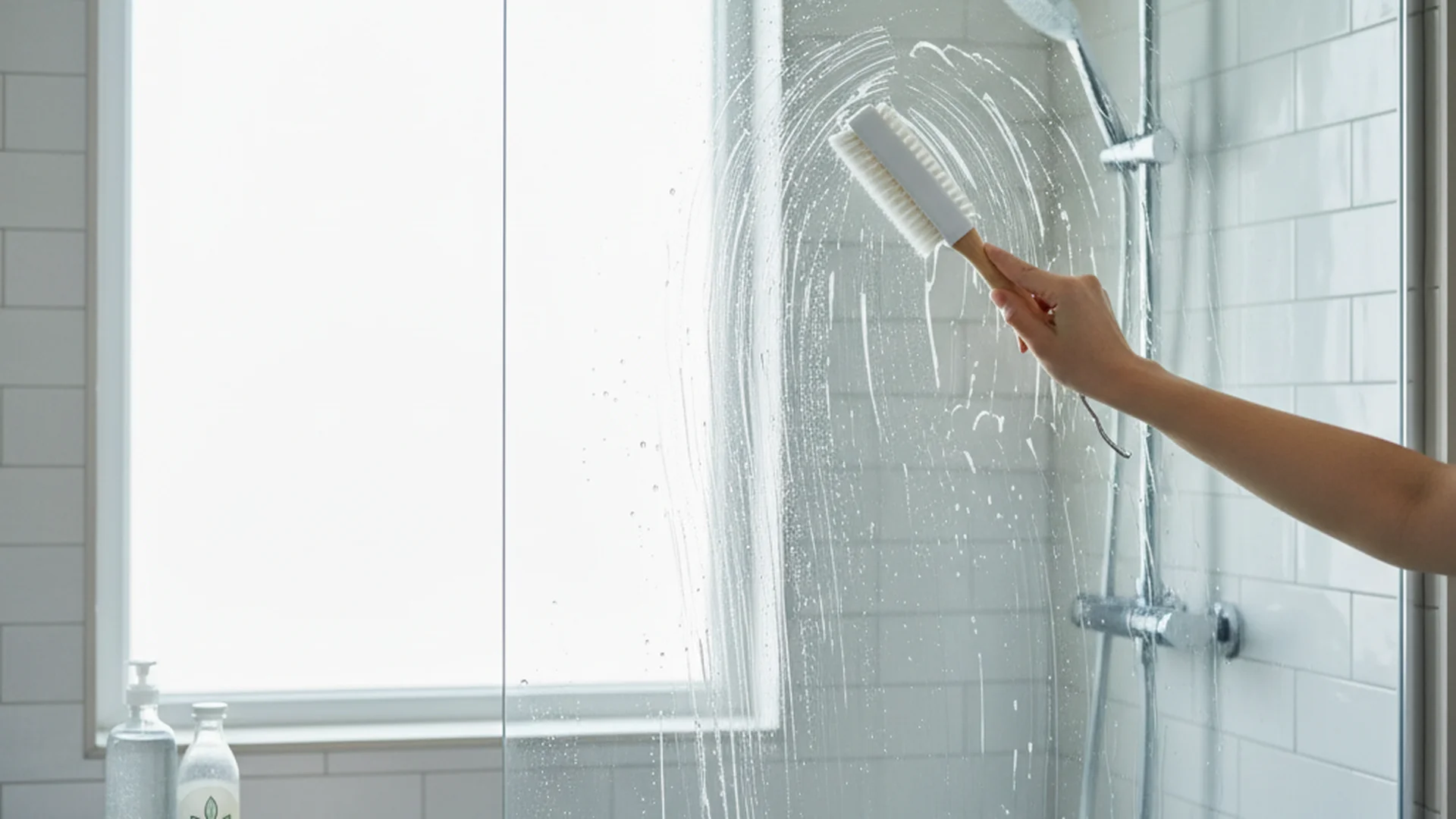
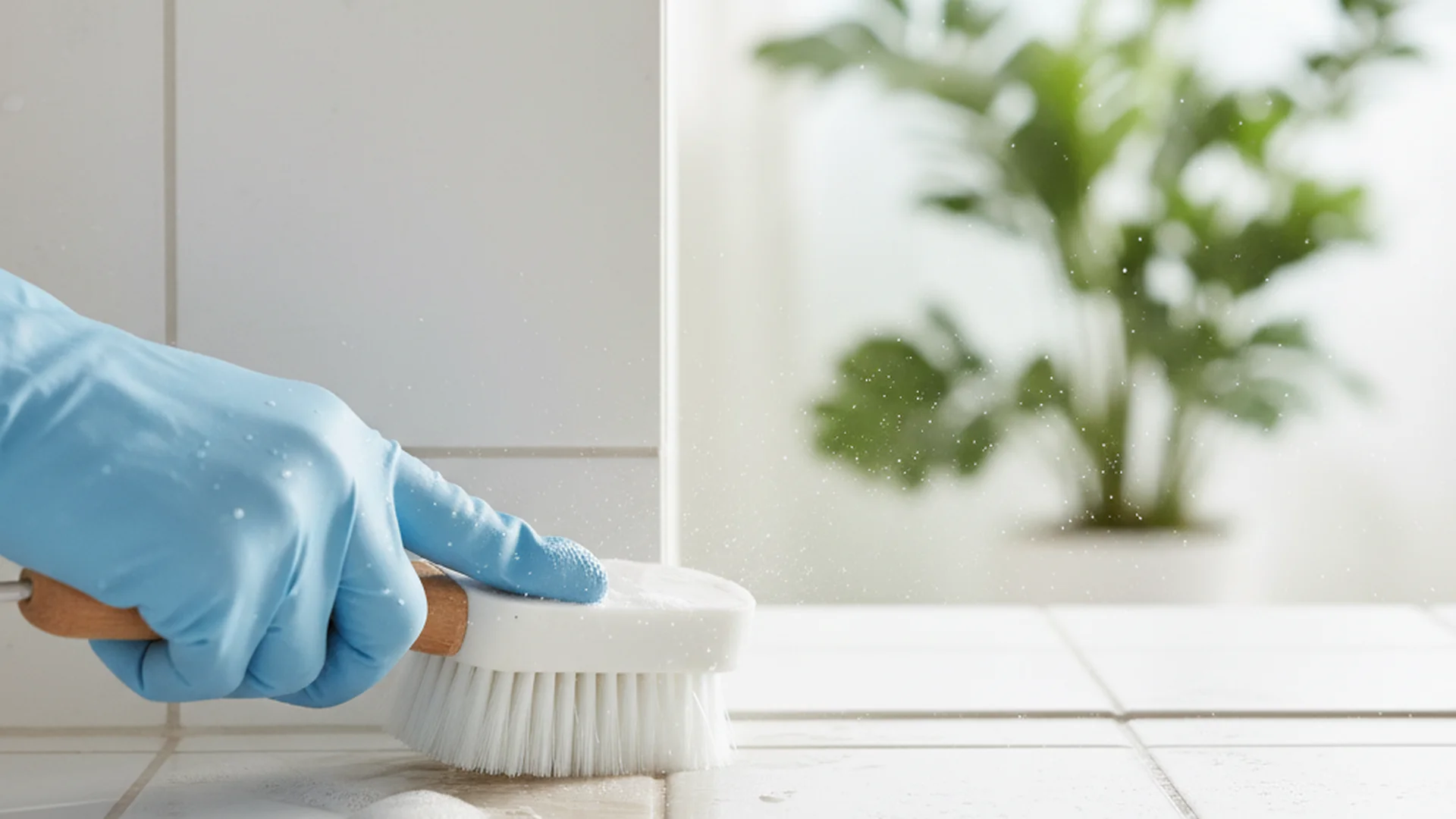
- The Scrub: Use a nylon-bristled brush (or a motorized grout brush) to agitate the area.
- The Rinse: Rinse thoroughly with warm water.
Tip: Adding course-ground salt to your cleaning paste can provide extra "grit" for particularly stubborn stains without scratching your tiles.
Real-World Examples of Grout Restoration
Example 1: The "Pink Bathroom" Recovery
A client recently moved into a 1990s home where the guest shower was covered in a thick pink film. Instead of using heavy acids, we applied the hydrogen peroxide and baking soda paste. By letting the solution sit for 20 minutes and using a handheld motorized brush, the Serratia marcescens was lifted entirely, restoring the grout to its original bone-white color without damaging the aging tiles.
Example 2: The Marble Mistake
A homeowner attempted to clean their marble walk-in shower using a standard vinegar-based "natural" cleaner. Because vinegar is acidic, it etched the surface of the natural stone, leaving dull white spots. This serves as a vital reminder: always check your tile material before choosing a cleaning agent.
Example 3: The Resale Success
In a 2025 real estate case study, a home with professionally cleaned and sealed grout saw a significantly higher "buyer appeal" rating. Dirty grout is often perceived by buyers as a sign of underlying water damage or poor home maintenance. Spending $50 on supplies for a deep clean can potentially protect thousands of dollars in home equity.
Material-Specific Care Requirements
Not all tiles are created equal. Before you begin scrubbing, identify your materials to avoid permanent chemical damage.
| Material Type | Recommended Cleaner | Avoid at All Costs |
|---|---|---|
| Ceramic | Mild acidic or alkaline | Steel wool / Wire brushes |
| Porcelain | Vinegar/Water or Peroxide | Metal scrapers |
| Marble | pH-Neutral stone soap | Vinegar, Lemon, Bleach |
| Travertine | Specialist stone cleaner | Any acidic substance |
Warning: Never mix vinegar and bleach. Combining these two common household items creates toxic chlorine gas, which can be fatal in enclosed spaces like a shower.
Common Mistakes to Avoid
- Over-Saturating the Area: Flooding your tile with water might seem like a good way to rinse, but too much water can seep behind loose tiles, weakening the adhesive and causing mold to grow behind the wall.
- Using Metal Brushes: Wire or steel brushes are too aggressive. They can scratch the glaze on your tiles and gouge out chunks of grout, making the surface even more porous than before.
- Skipping the Rinse: This is the most common error. If you don't rinse away your cleaning agent completely, the residue stays "sticky" and attracts new dirt and soap scum within days.
- Neglecting the Sealant: Cleaning is only half the battle. If you don't re-seal the grout after a deep clean, you are leaving the "pores" wide open for the next round of stains.
Modern Trends in Grout Maintenance (2025–2026)
The world of home maintenance is evolving. As we move into 2026, several trends are changing how we think about how to clean shower grout.
Robotic and Motorized Assistance
We are seeing a massive shift toward "effortless" cleaning. Handheld motorized grout brushes, like the SonicScrubber, use high-frequency vibrations to lift stains with 50% less physical effort. For larger wet rooms, robotic floor scrubbers are becoming more adept at navigating tile joints.
Anti-Microbial and Epoxy Grout
Newer home installations are moving away from traditional sand-and-cement grout. Epoxy-based grouts are virtually non-porous and naturally stain-resistant. If you are remodeling in 2025, choosing an anti-microbial grout can eliminate the need for deep scrubbing for years.
Large-Format Panels
The "fewer lines, fewer problems" philosophy is dominating 2026 design trends. Homeowners are opting for oversized porcelain slabs (24"x48" or larger) which drastically reduce the number of grout lines in a shower, making maintenance a five-minute task rather than an afternoon chore.
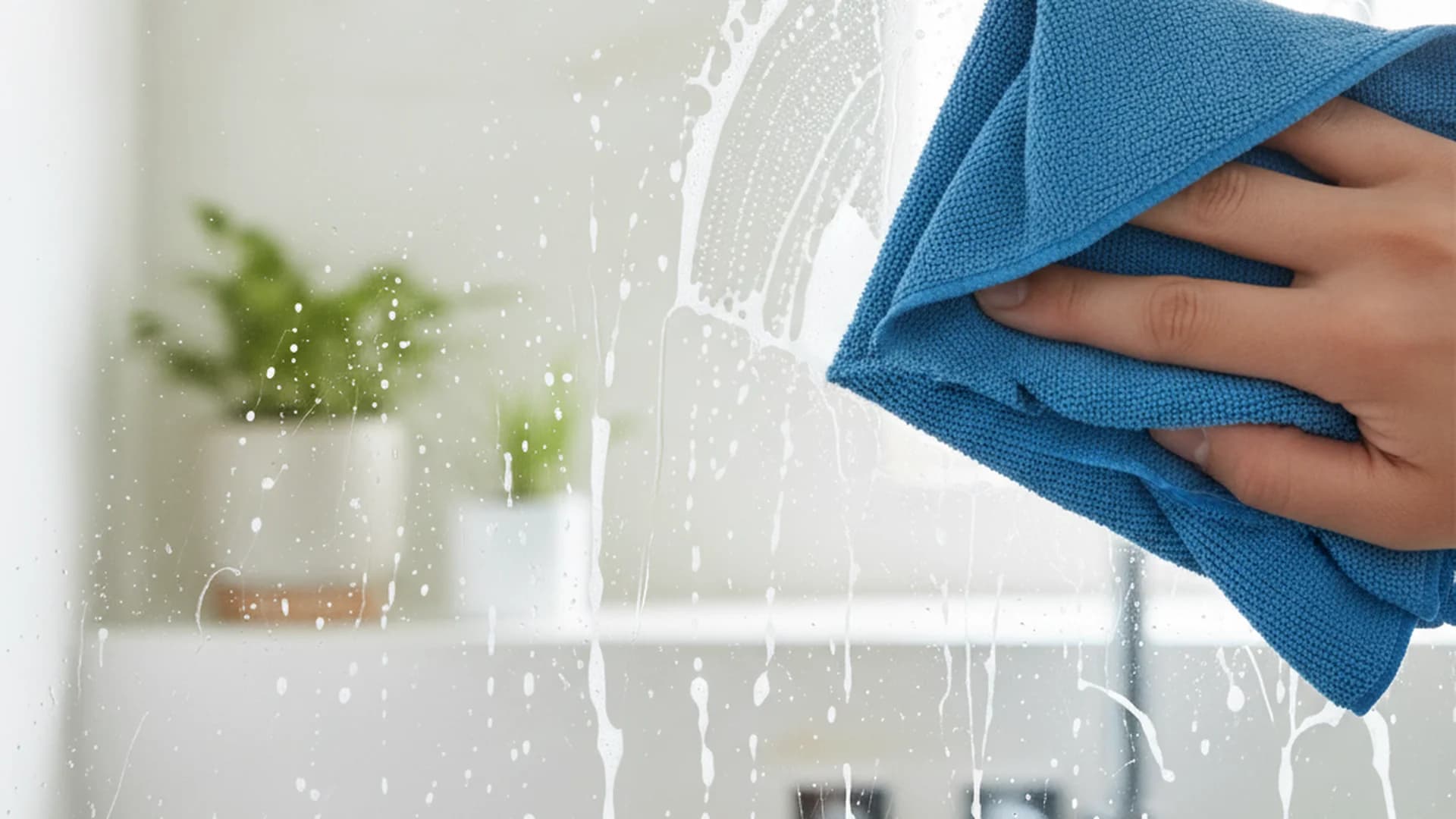
Success: Using a squeegee or microfiber cloth to dry your shower walls after every use reduces moisture by 90%, preventing mold before it even starts.
Frequently Asked Questions
Is vinegar or bleach better for mold?
How often should I seal my grout?
Can I use a steam cleaner on grout?
Why is my grout turning orange or pink?
Conclusion
Mastering how to clean shower grout doesn't require a cabinet full of expensive chemicals. By using the right combination of baking soda and hydrogen peroxide, respecting the material limits of your stone or tile, and maintaining a consistent sealing schedule, you can keep your bathroom looking brand new. Remember, the best cleaning strategy is prevention—keep a squeegee handy and ensure your bathroom is well-ventilated to stop mold before it takes hold.
Cleaning that keeps score
Every task earns points, every streak multiplies them, and Premium adds a household leaderboard plus a monthly Dustagorgon to beat.
- Free forever
- 30 badges to earn
- Up to 6 in a household
No card needed. Set up your rooms in a couple of minutes.