In this article
What you’ll learn
- Daily squeegeeing reduces deep cleaning needs by 90%.
- Vinegar and dish soap are more effective than bleach for mineral buildup.
- Protect hardware and stone surfaces from acidic cleaners to prevent etching.
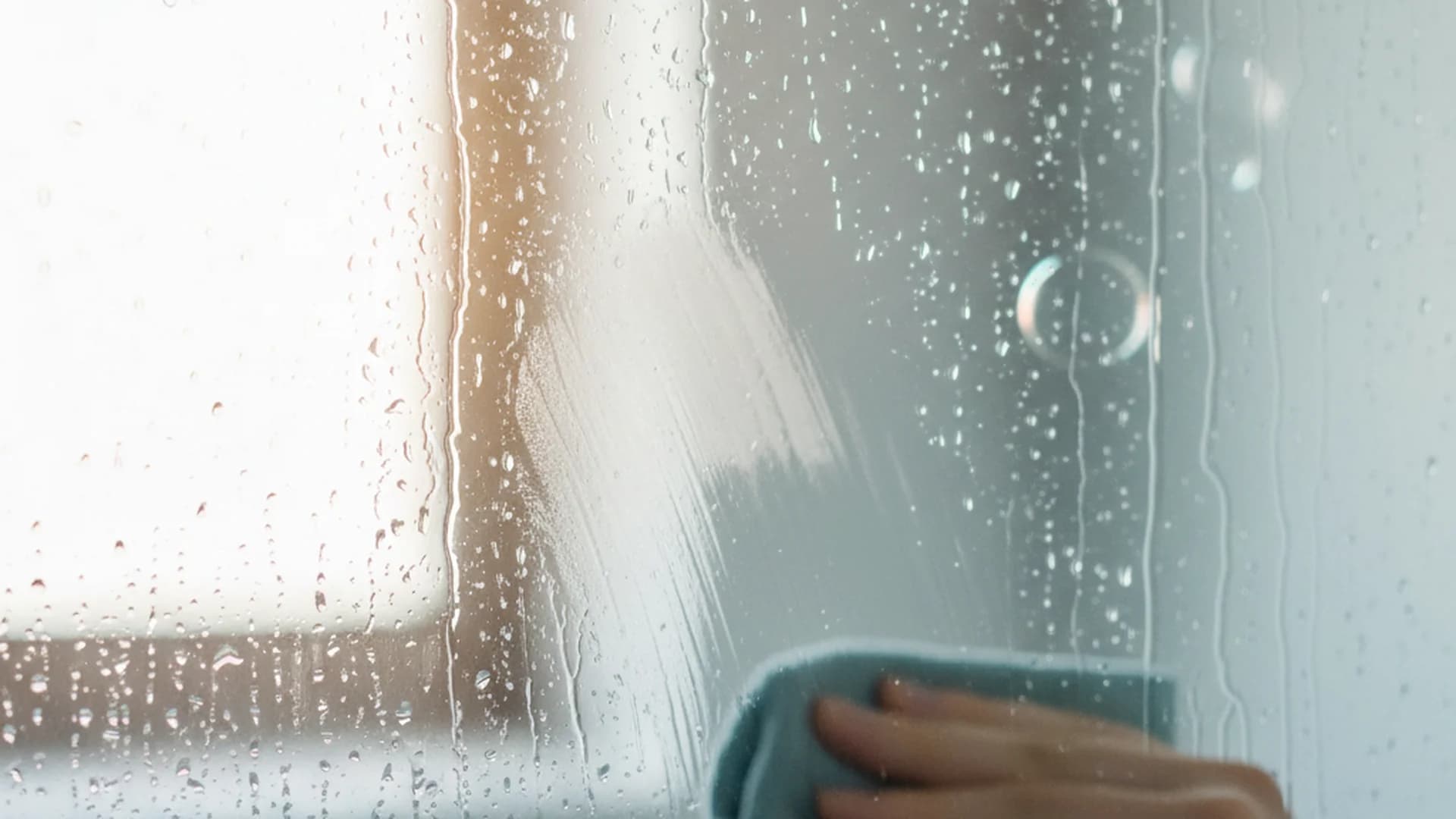
A pristine, transparent shower door is the centerpiece of a modern bathroom, creating an airy, spa-like atmosphere. However, maintaining that "just-installed" sparkle is one of the most frustrating chores for homeowners. Knowing how to clean shower glass effectively requires more than just a quick wipe-down; it involves understanding the chemistry of the grime that builds up on your surfaces. Whether you are dealing with cloudy mineral deposits or stubborn soap film, using the right techniques can transform your bathroom from dull to dazzling.
In this guide, we will explore the best way to clean glass using proven methods that preserve your hardware and protect your health. We will also dive into the latest 2025-2026 trends, such as hydrophobic coatings and steam cleaning, to help you spend less time scrubbing and more time relaxing.
The Science of Shower Scum
To clean effectively, you must first understand what you are fighting. Many people assume that shower glass just gets "dirty," but the film you see is actually a complex chemical bond.
The vast majority of homes in the U.S. have "hard water." This water contains high levels of dissolved calcium and magnesium. When these minerals react with the fatty acids and paraffin waxes found in traditional bar soap, they create "soap scum"—a sticky, chemically bonded film. This film is significantly harder to remove than standard dust or dirt.
Furthermore, ignoring these spots can lead to permanent damage. Plenty of households unknowingly shorten the lifespan of their shower doors by using improper cleaning methods. If hard water spots are left untreated for more than 6–12 months, the minerals can chemically bond with the glass in a process called etching. Once etching occurs, the cloudiness is impossible to remove without professional restoration.
The Best Way to Clean Glass Without Bleach
Many homeowners reach for bleach to solve bathroom problems, but when it comes to glass, bleach is often the wrong tool. While bleach is a powerful oxidant for mold, it does nothing to dissolve calcium or mineral deposits. Learning how to clean shower glass without bleach is not just better for the environment; it is better for your glass.
The Vinegar and Dish Soap Method
For most weekly maintenance, a simple acidic solution is the gold standard. The acidity of white vinegar dissolves the calcium bonds, while the surfactants in dish soap break down the grease in soap scum.
- Mix Your Solution: Combine equal parts warm white vinegar and liquid dish soap in a spray bottle.
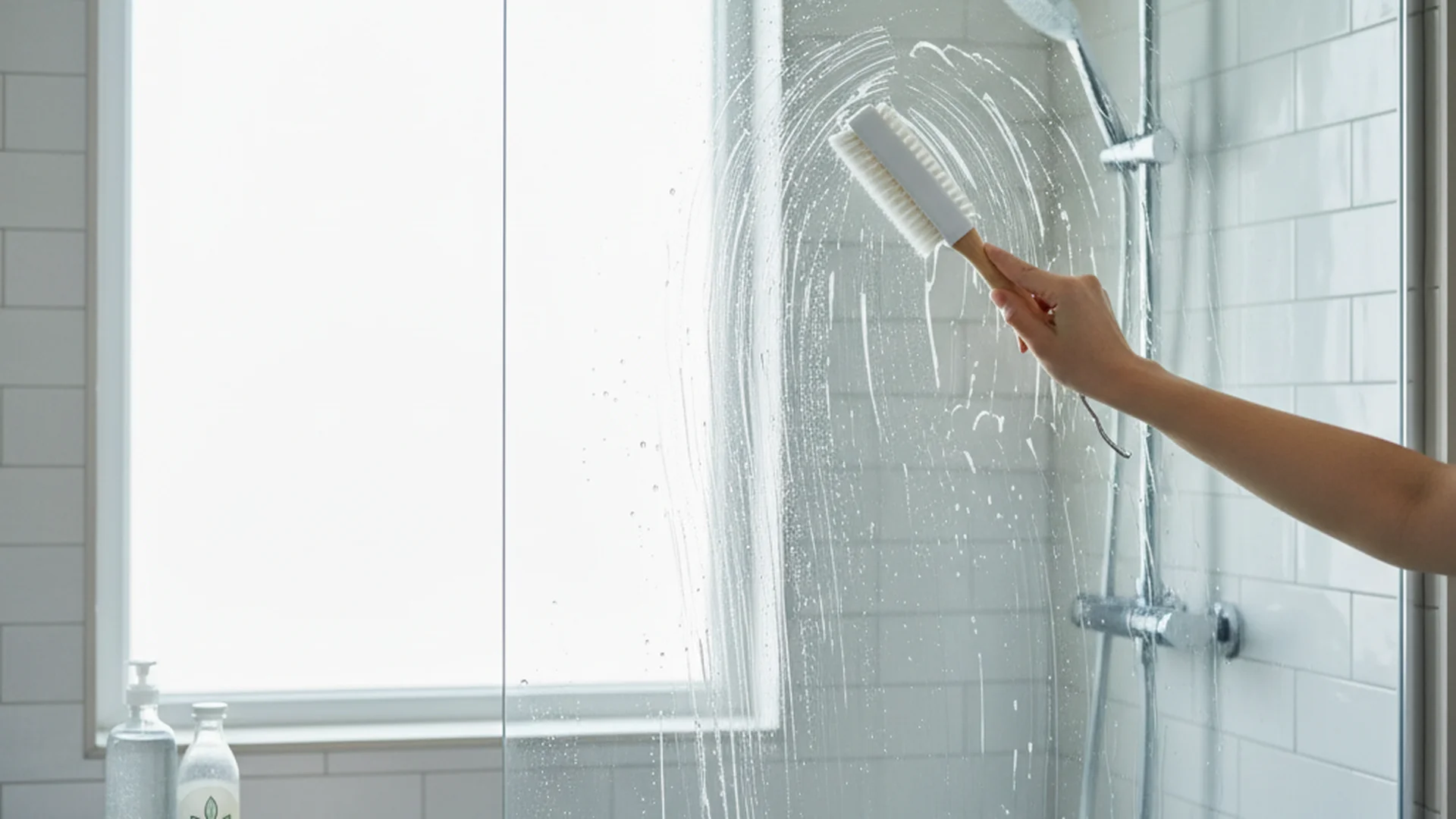
- Apply and Dwell: Spray the glass from the top down. Note: Let natural cleaners sit (or "dwell") for 10–15 minutes before scrubbing. This allows the acid to do the heavy lifting.
- The Scrub: Use a non-abrasive sponge or a #0000 grade steel wool pad to gently agitate the surface.
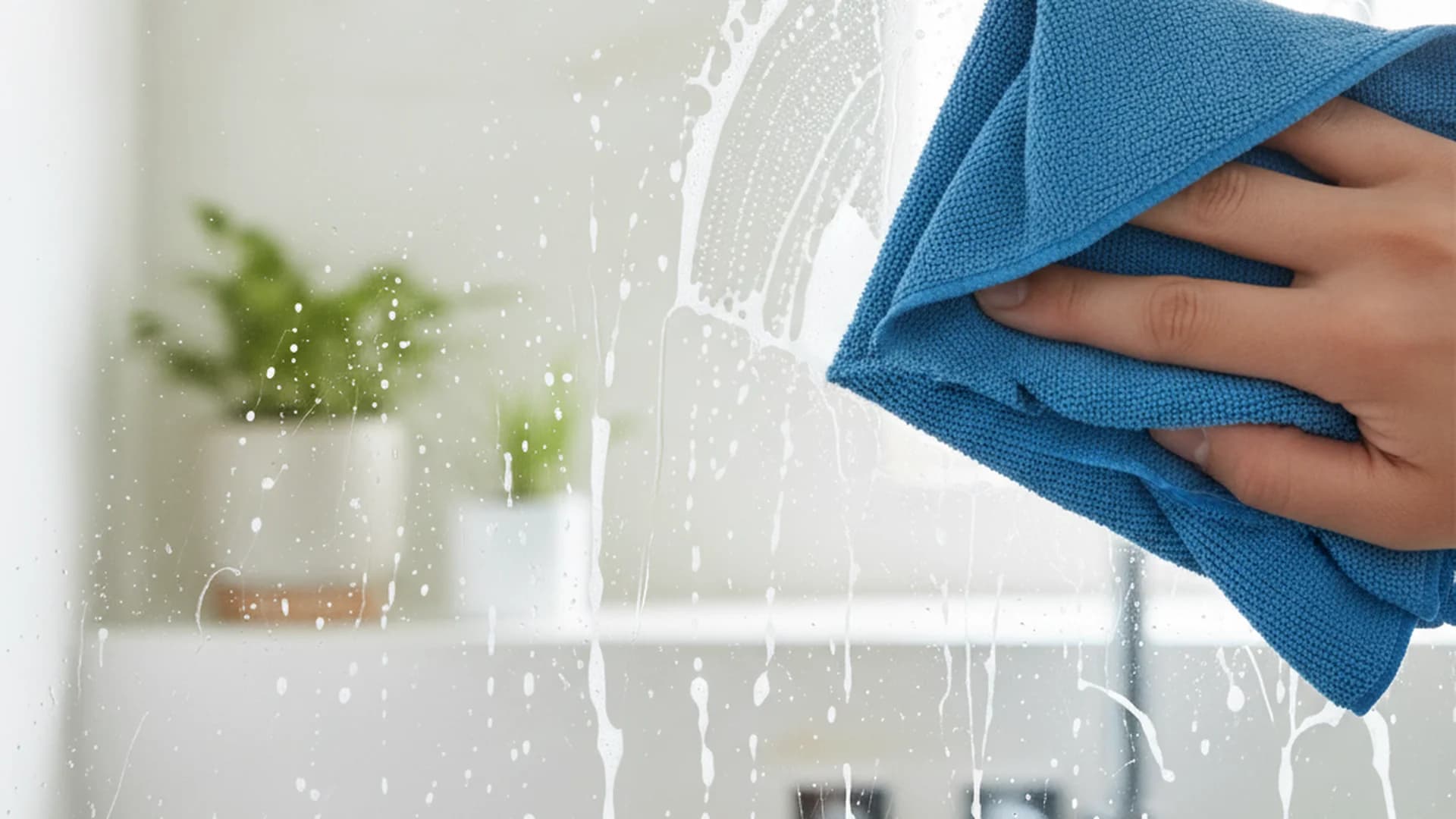
- Rinse and Buff: Rinse with warm water and immediately buff with a clean microfiber cloth.
Tip: Always use the "Top-Down" method. Spray and scrub from the top of the glass down to the floor to prevent dirty runoff from re-contaminating areas you have already cleaned.
Handling Stubborn "Permanent" Stains
If you have spots that refuse to budge, you may need a mildly abrasive paste. Mix baking soda with a small amount of vinegar to create a fizzing paste. Apply this to the target areas and let it sit for 20 minutes. The mechanical action of the baking soda combined with the chemical reaction helps lift deep-seated minerals.
Success: Daily maintenance, specifically using a squeegee after the last shower of the day, reduces the need for deep scrubbing sessions by up to 90%.
2026 Technology: The Future of Glass Maintenance
As we move into 2026, the trend in home maintenance is "prevention over cure." New technologies are making it easier than ever to keep glass clean with minimal effort.
Hydrophobic and Ceramic Coatings
A major trend for 2026 is the application of "permanent" water-repellent coatings, such as graphene-infused sprays or C.10 coatings. These create a microscopic barrier that makes the glass hydrophobic. Water beads off instantly, preventing minerals from ever making contact with the glass surface. Using these once-a-month treatments can essentially create a "self-cleaning" effect.
Steam Cleaning
Eco-conscious households are ditching chemical sprays entirely in favor of portable high-pressure steam cleaners. These devices use heat to melt soap scum and sanitize the glass without leaving behind any chemical residue or fumes. It is an excellent option for those with respiratory sensitivities or pets.
Matte Black Hardware Care
With matte black hardware dominating 2025 and 2026 bathroom designs, maintenance has changed. Traditional acidic cleaners (like vinegar) can strip the delicate finish off matte black hinges and handles. The modern trend is moving toward pH-neutral cleaners for hardware and using targeted acids only on the glass itself.
Warning: Never use vinegar or acidic cleaners on marble, granite, or travertine shower floors. If the solution drips, it will cause "etching"—permanent dull spots—on the stone in seconds.
Common Mistakes to Avoid
Even with the best intentions, many people accidentally damage their bathrooms while cleaning. Avoid these common pitfalls:
- The Dryer Sheet Hack: A popular internet "hack" suggests using dryer sheets to scrub glass. While they may remove some scum, they leave behind a waxy fabric softener residue. This residue actually attracts more dirt and makes future cleaning much more difficult.
- Abrasive Tools: Never use green scouring pads or low-grade steel wool. These will cause micro-scratches that trap even more dirt over time.
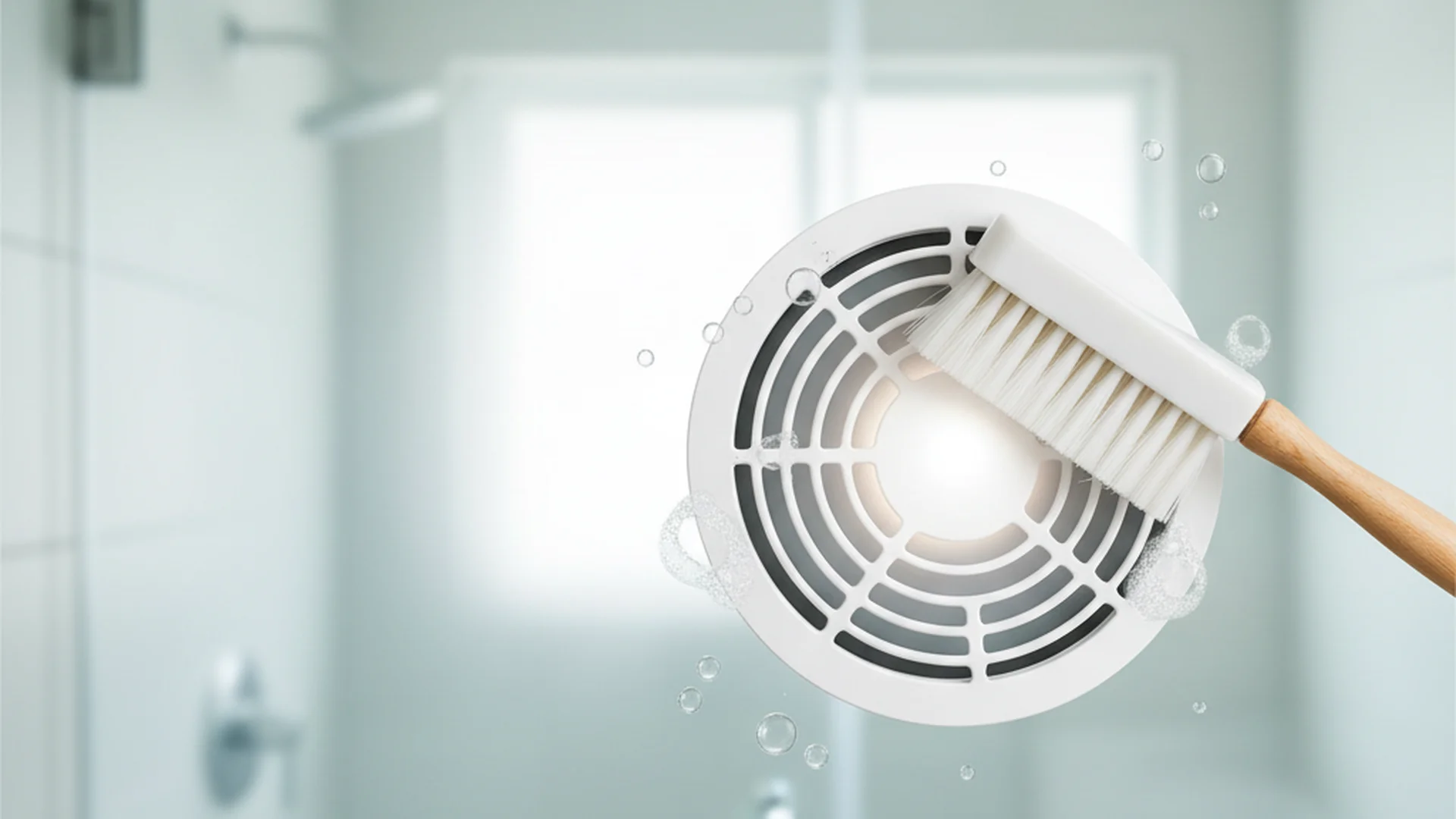
- Ignoring the Tracks: People often focus on the glass but ignore the bottom tracks. Stagnant water in tracks leads to mold and mineral "crusting" that can eventually break the door's rollers or seals.
- Dry Scrubbing: Never scrub glass when it is dry. Always use a lubricant (cleaning solution or water) to prevent scratching.
| Tool | Recommended? | Reason |
|---|---|---|
| Squeegee | Yes | Prevents 99% of mineral buildup |
| #0000 Steel Wool | Yes | Safe for glass when lubricated |
| Bleach | No | Corrodes hardware; doesn't kill minerals |
| Microfiber Cloth | Yes | Ensures a streak-free, hotel-quality finish |
Frequently Asked Questions
How do I remove "permanent" cloudy stains?
Can I use steel wool on shower glass?
Is vinegar better than commercial cleaners?
Why does my glass look dirty again the next day?
How often should I apply a protective coating?
Conclusion
Mastering how to clean shower glass doesn't require a cabinet full of harsh chemicals. By understanding the chemistry of hard water and adopting a "prevention-first" mindset, you can keep your bathroom looking like a showroom with minimal effort. The transition to liquid soaps, the 30-second daily squeegee habit, and the occasional use of vinegar are the most effective ways to ensure your glass remains clear for years to come.
Remember, the key to a sparkling shower isn't just the deep clean—it's the daily maintenance that prevents minerals from bonding to the surface in the first place.
Success: By implementing a weekly vinegar soak and a daily squeegee routine, you can extend the life of your shower glass indefinitely.
Cleaning that keeps score
Every task earns points, every streak multiplies them, and Premium adds a household leaderboard plus a monthly Dustagorgon to beat.
- Free forever
- 30 badges to earn
- Up to 6 in a household
No card needed. Set up your rooms in a couple of minutes.