In this article
What you’ll learn
- Use the Top-to-Bottom rule and Dwell Time technique for maximum efficiency.
- Natural alternatives like vinegar and Dawn are often more effective than harsh chemicals.
- Daily maintenance like squeegeeing can prevent 90% of buildup.
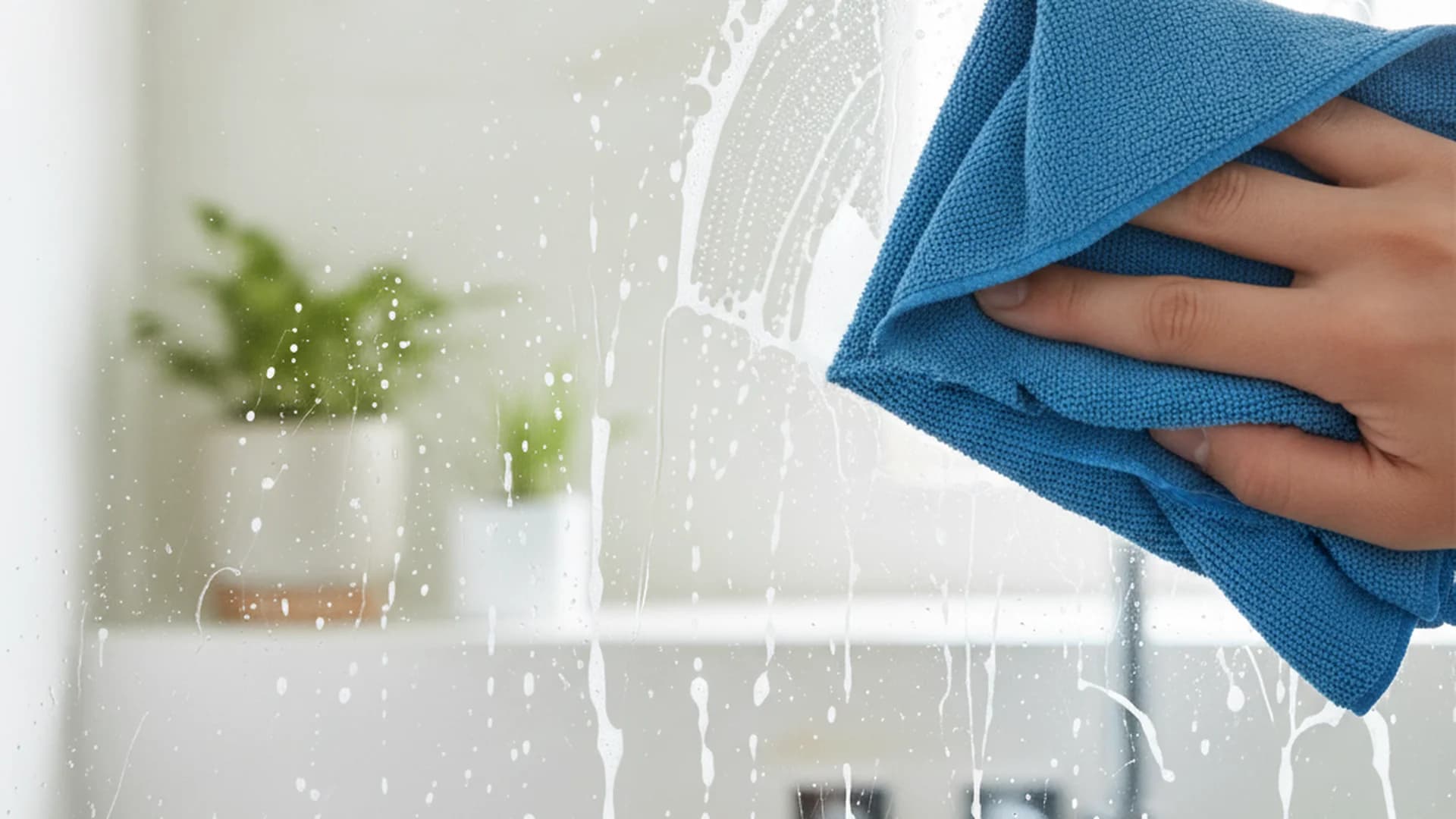
Cleaning the bathroom is rarely anyone's favorite task, but learning how to clean shower surfaces efficiently can transform your routine from a dreaded chore into a satisfying ritual. As we move into 2025 and 2026, the philosophy of home maintenance is shifting. It is no longer just about "killing germs" with the harshest chemicals available; it is about creating a sustainable, healthy environment that supports your well-being. Whether you are dealing with stubborn soap scum or curious about the best way to clean shower glass, this guide provides the professional insights you need.
The Importance of a Clean Shower Environment
A clean shower is about more than just aesthetics. Research shows that regular deep cleaning can reduce household bathroom bacteria by up to 80%. Furthermore, your mental health is directly tied to the state of your home. A 2025 survey revealed that 60% of people feel a significant mood boost after deep cleaning their bathroom.
However, the "clean" smell we often associate with health—bleach and heavy floral perfumes—might actually be a red flag. The Asthma and Allergy Foundation of America (AAFA) warns that harsh chemical odors from traditional cleaners can trigger asthma symptoms. This has led to a massive consumer shift, with 45% of people now prioritizing non-toxic and antibacterial properties when selecting home care products.
The Best Way to Clean Shower Surfaces: A Step-by-Step Routine
To achieve professional results without spending all day scrubbing, you need to work smarter, not harder. Follow this proven sequence to get your shower sparkling.
Step 1: Clear and Prep
Remove all bottles, loofahs, and razors. This is a great time to check expiration dates on products and toss anything you haven't used in six months.
Step 2: The Top-to-Bottom Rule
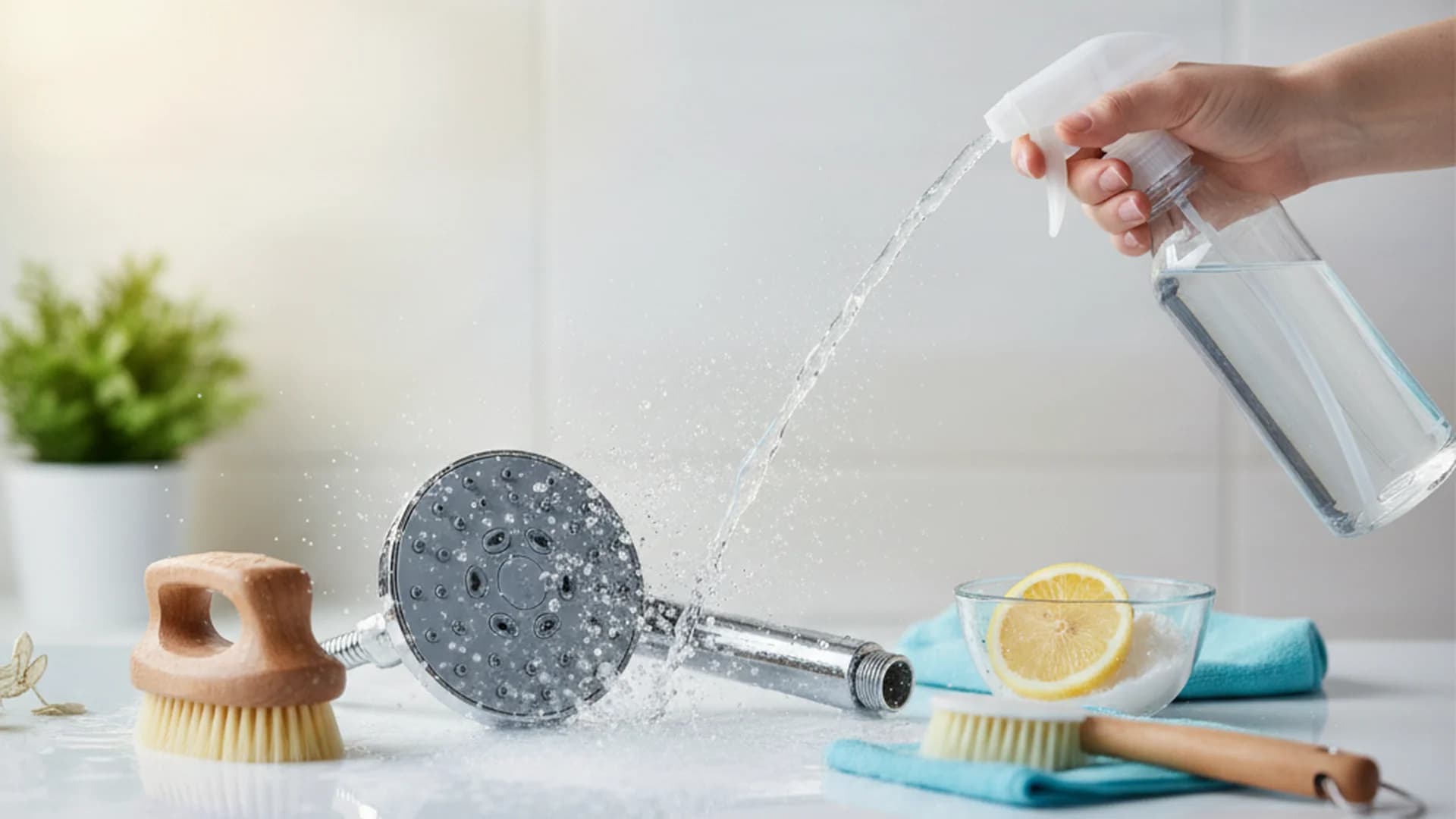
Always start at the highest point of the shower. This ensures that as dirt and cleaning solution drip down, they don't soil areas you have already cleaned. Start with the showerhead, then move to the high wall tiles, the faucet fixtures, and finally the floor.
Step 3: Apply and "Dwell"
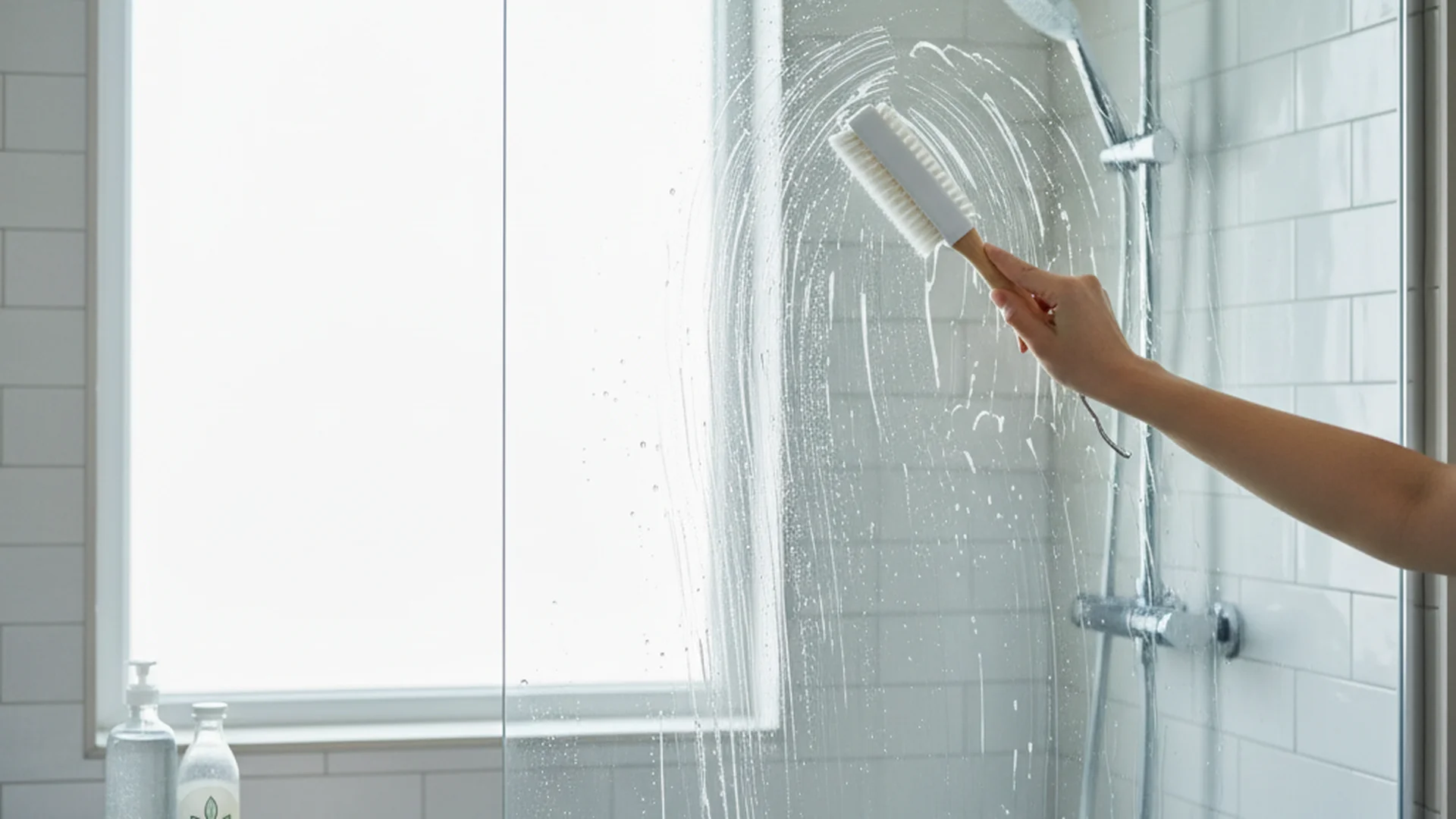
The biggest mistake people make is scrubbing immediately after spraying. Apply your cleaner and let it sit for 10–15 minutes. This "dwell time" allows the solution to chemically break down soap scum and mineral deposits, meaning you'll only need a light wipe instead of heavy-duty scrubbing.
Tip: Use a dedicated foaming sprayer for your cleaning solution. The foam clings to vertical surfaces longer than liquid, increasing the dwell time efficiency.
How to Clean Shower Without Bleach
Many homeowners are looking for ways how to clean shower without bleach to avoid toxic fumes and protect their family's health. Fortunately, some of the most effective cleaners are likely already in your kitchen pantry.
The Blue Dawn and Vinegar Hack
Cleaning experts and professional cleaners swear by a 50/50 mix of white vinegar and blue Dawn dish soap. The vinegar acts as a mild acid to dissolve hard water spots and mineral buildup, while the dish soap acts as a surfactant to cut through body oils and soap scum.
- Example: Mix 1 cup of warmed white vinegar with 1 cup of blue Dawn in a spray bottle. Shake gently. Spray the entire shower, let it dwell for 15 minutes, and rinse with warm water. This works wonders on fiberglass and ceramic tile.
Using Baking Soda for Abrasion
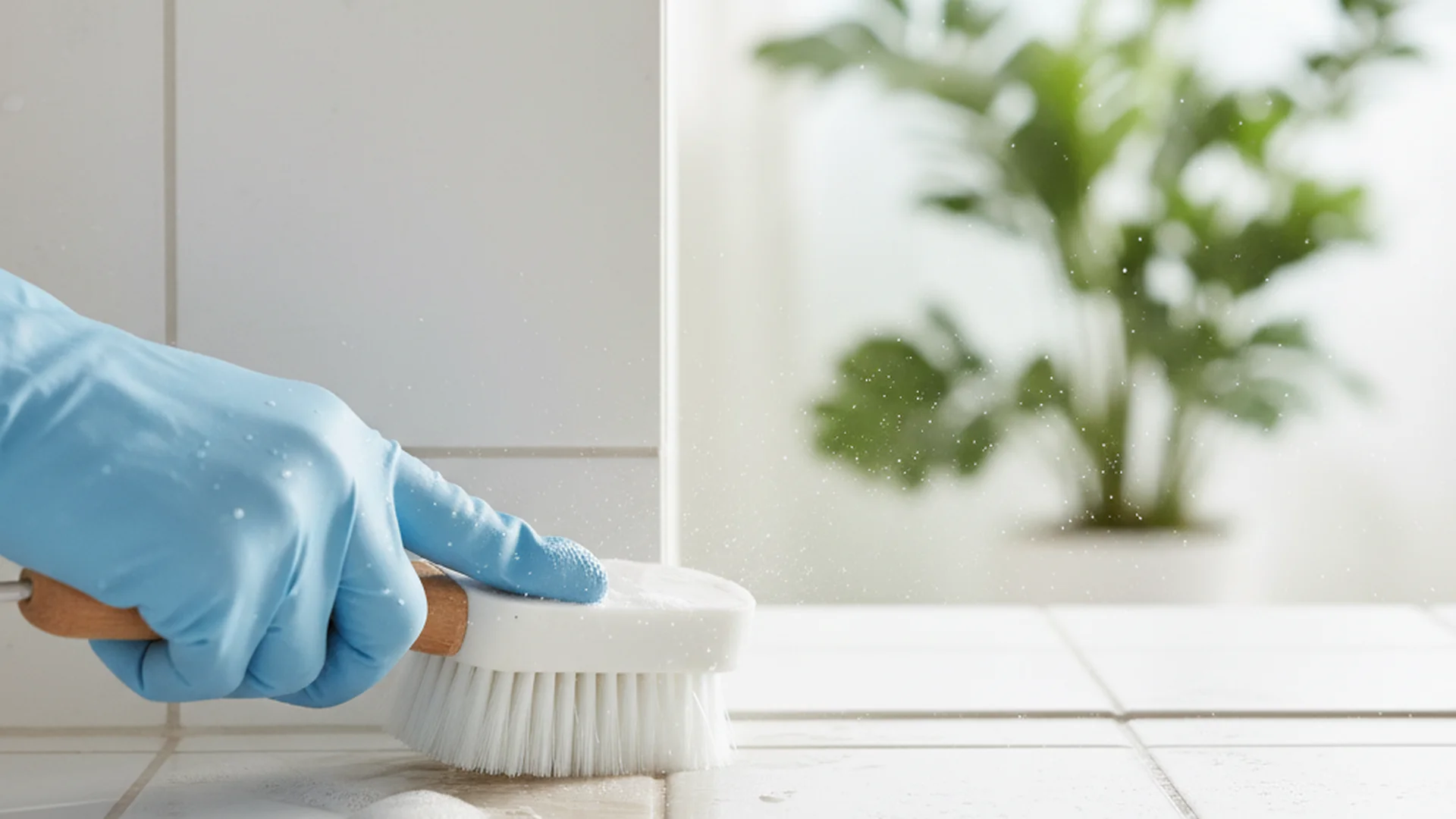
For tougher stains on the shower floor, create a paste using baking soda and a small amount of water. Baking soda is mildly abrasive but won't scratch most surfaces. It’s particularly effective at lifting the "pink mold" (Serratia marcescens) that often grows near drains.
Warning: NEVER mix bleach with vinegar or ammonia. This creates toxic chlorine or chloramine gas, which can be lethal in small, unventilated spaces like a bathroom.
Modern Trends for 2025 and 2026
The cleaning industry is undergoing a high-tech makeover. If you want to stay ahead of the curve, consider these emerging trends.
Probiotic Cleaning Agents
A major trend for 2026 is the use of "beneficial bacteria." Probiotic sprays leave behind microscopic organisms that continue to consume organic matter (grime and skin cells) for up to 72 hours after you finish cleaning. This creates a "microbiome-friendly" bathroom that stays cleaner for longer.
Scent as Self-Care
We are seeing a move away from "clinical" smells like lemon and bleach. Modern cleaning products now feature "spa-inspired" fragrances like sandalwood, eucalyptus, and lavender. The goal is to turn the cleaning process into a sensory ritual that helps you decompress.
Sustainable Packaging
Single-use plastic bottles are becoming a thing of the past. The industry standard is shifting toward refillable glass bottles and dissolvable cleaning tablets or concentrates. This reduces plastic waste and saves storage space under your sink.
| Feature | Traditional Cleaning | 2025-2026 Trend |
|---|---|---|
| Active Agent | Chlorine Bleach | Probiotics/Natural Acids |
| Scent | Harsh Chemical | Essential Oils (Sandalwood/Eucalyptus) |
| Packaging | Single-Use Plastic | Refillable Concentrates |
| Methodology | Scrub-Heavy | Dwell-Time & Prevention |
Common Mistakes to Avoid
Even seasoned cleaners can make mistakes that damage their fixtures or make the job harder than it needs to be.
1. Using Vinegar on Natural Stone
While vinegar is the hero of ceramic cleaning, it is an enemy to natural stone. The acid in vinegar will "etch" and permanently dull surfaces like marble, granite, or travertine. Always use a pH-neutral cleaner specifically formulated for stone.
2. Over-Scrubbing
Using steel wool or very stiff brushes on fiberglass or acrylic shower inserts can create microscopic scratches. These scratches are the perfect hiding spots for mold and bacteria, making the shower even harder to clean in the future.
3. Neglecting the Showerhead
Showerheads are notorious for harboring Mycobacterium, which can contribute to respiratory issues.
- Example: Once a month, fill a plastic bag with white vinegar, secure it over the showerhead with a rubber band, and let it soak overnight. This descales the holes and disinfects the interior.
4. Using Bar Soap
Bar soap is a primary contributor to soap scum. The fats and oils in the soap react with minerals in the water to create a hard, waxy film. Simply switching to a liquid body wash can reduce your cleaning time by half.
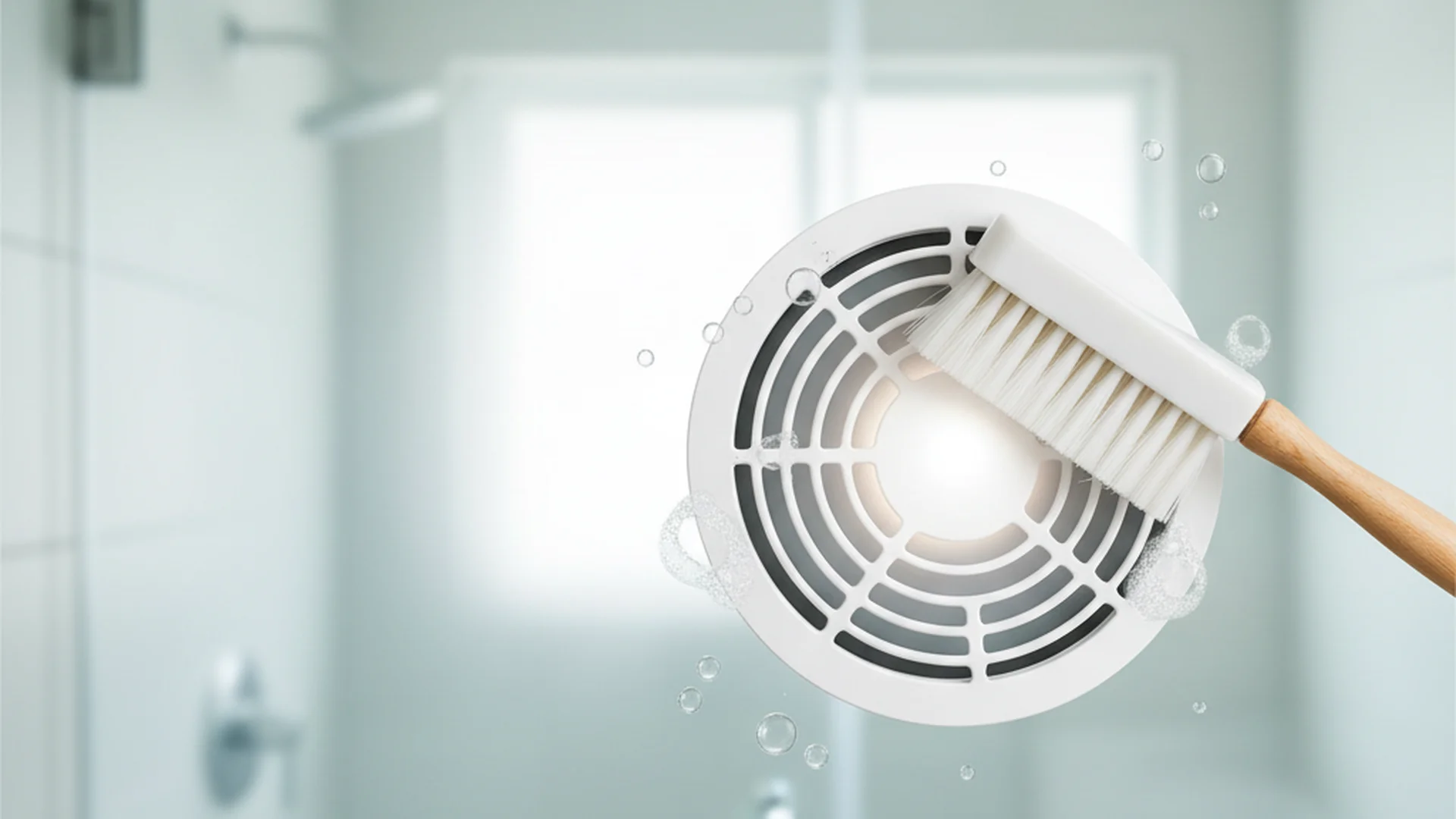
Note: Run your bathroom exhaust fan during your shower and for at least 20 minutes afterward. This simple habit keeps humidity levels low enough to prevent mold growth.
Frequently Asked Questions
How often should I really clean my shower?
Why does my shower have orange or pink stains?
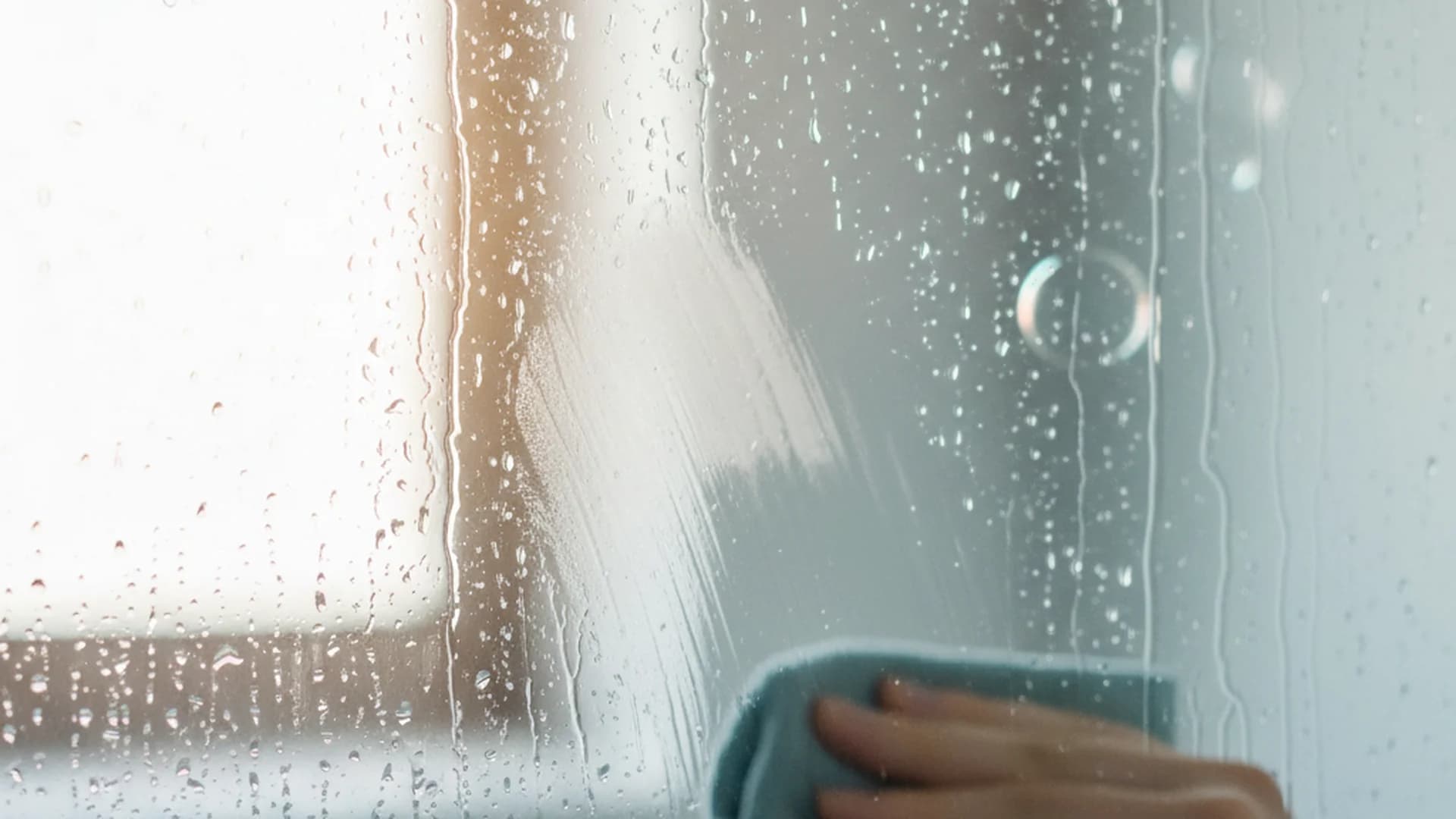
How do I get rid of hard water spots on glass?
Can I use a magic eraser on my shower?
Conclusion
Maintaining a pristine shower doesn't have to be a grueling task. By understanding the science of "dwell time," embracing natural alternatives like vinegar and Dawn, and adopting a "prevention-first" mindset with a daily squeegee, you can keep your bathroom healthy and beautiful. Remember, the best way to clean shower areas is the one that is sustainable for your lifestyle and safe for your home's inhabitants.
Success: By following the Top-to-Bottom rule and using preventative measures, you can reduce your deep-cleaning time by over 50% while maintaining a bacteria-free environment.
Cleaning that keeps score
Every task earns points, every streak multiplies them, and Premium adds a household leaderboard plus a monthly Dustagorgon to beat.
- Free forever
- 30 badges to earn
- Up to 6 in a household
No card needed. Set up your rooms in a couple of minutes.