In this article
What you’ll learn
- Always clean top-to-bottom to prevent re-soiling surfaces.
- High-touch items like remotes often harbor more bacteria than bathrooms.
- Incorporate "Closing Shifts" to maintain a tidy space daily.
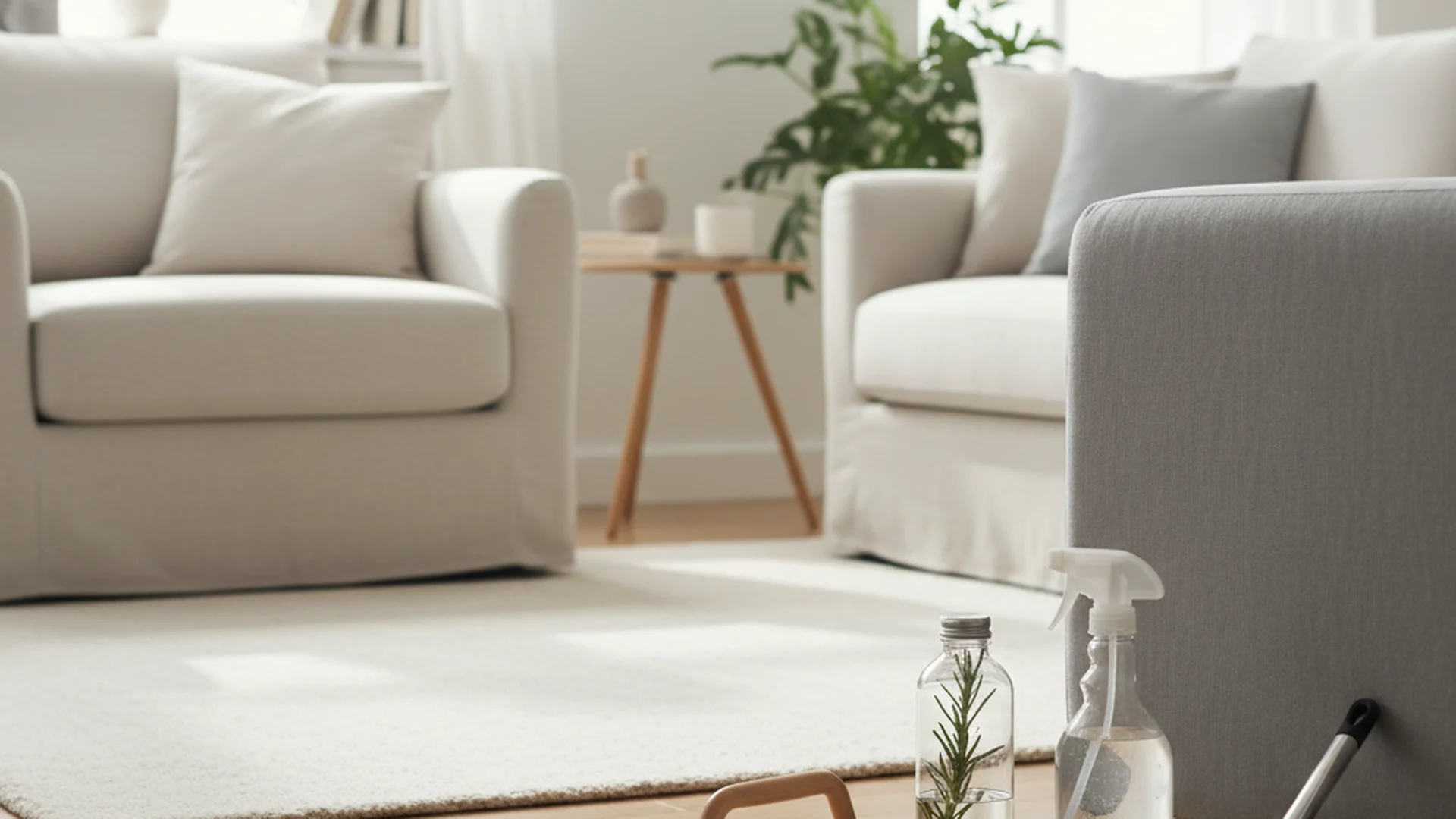
The living room is the heart of the home, but it is also a magnet for dust, allergens, and microscopic bacteria. For many homeowners, figuring out how to clean living room spaces effectively feels like a never-ending battle against pet hair and cluttered coffee tables. However, with the right strategy, you can transform this high-traffic area into a pristine sanctuary. In 2025, cleaning has evolved from a dreaded chore into a mindful practice of "sensory cleaning," where efficiency meets wellness.
The Science of Living Room Hygiene
Before we dive into the physical labor, it is important to understand what we are up against. Recent data from 2025 indicates that Americans are cleaning their living rooms more frequently than ever—averaging 14 to 17 times per month. This shift is driven by a growing awareness of indoor air quality and household germs.
While we often associate germs with the kitchen or bathroom, your living room is a stealthy offender. Research shows that "high-touch" items, such as TV remotes and light switches, can harbor more bacteria than a toilet seat. Furthermore, if you have wall-to-wall carpeting, your floor could be holding up to eight times its weight in dirt and dust before it even appears soiled to the naked eye. By following a structured living room cleaning checklist, you can improve your indoor air quality by as much as 50%.
Preparation: The Three-Box Method
You cannot effectively clean a cluttered space. Professional organizers and efficiency specialists recommend the "Three-Box Method" to clear the decks before you ever pick up a vacuum.
- Box 1: Keep – Items that belong in the living room but are out of place.
- Box 2: Donate – Items that are still in good condition but no longer serve your lifestyle.
- Box 3: Discard – Pure trash or broken items that cannot be repaired.
Tip: Spend exactly 15 minutes on this decluttering phase. Set a timer to prevent getting bogged down in nostalgia over old magazines or photos.
Step-by-Step Living Room Cleaning Checklist
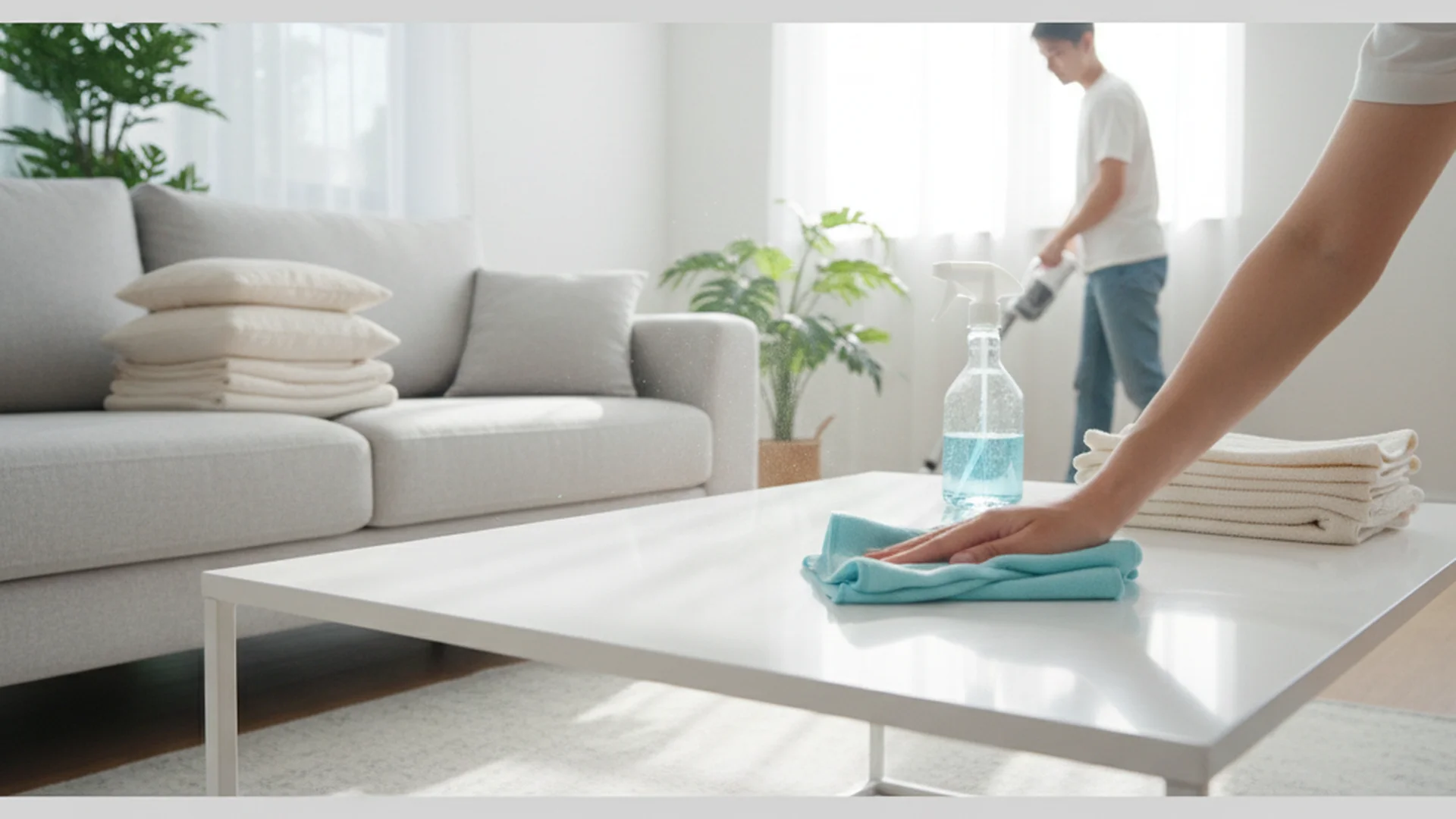
To achieve a professional-level clean, you must follow the "Top-to-Bottom" rule. This ensures that any dust or debris displaced from higher surfaces falls to the floor, where it will be captured in the final stage of the process.
Step 1: Dusting High and Low
Start with the ceiling fans, light fixtures, and the tops of bookshelves. Use a long-handled microfiber duster for the corners of the ceiling to catch "cobwebs" and dust bunnies.
- Ceiling Fans: Use an old pillowcase to slide over the blades; this traps the dust inside the bag rather than letting it fall on your furniture.
- Shelving: Work your way down, moving items to wipe the surface underneath rather than dusting around them.
Note: Use color-coded microfiber cloths. For example, use yellow cloths strictly for the living room to prevent cross-contamination from the kitchen or bathroom.
Step 2: Windows and Window Treatments
Window treatments are notorious for trapping allergens. If you have curtains, check the care label; many can be refreshed in the dryer on a "fluff" or "air dry" cycle for 10 minutes to remove dust. For blinds, a damp microfiber cloth is usually sufficient.
| Surface Type | Recommended Cleaner | Tool |
|---|---|---|
| Glass | 50/50 Water & Vinegar | Microfiber Cloth |
| Wood Blinds | Wood Polish | Soft Sock/Mitt |
| Vinyl Blinds | Mild Dish Soap | Damp Sponge |
Step 3: Electronics and High-Touch Zones
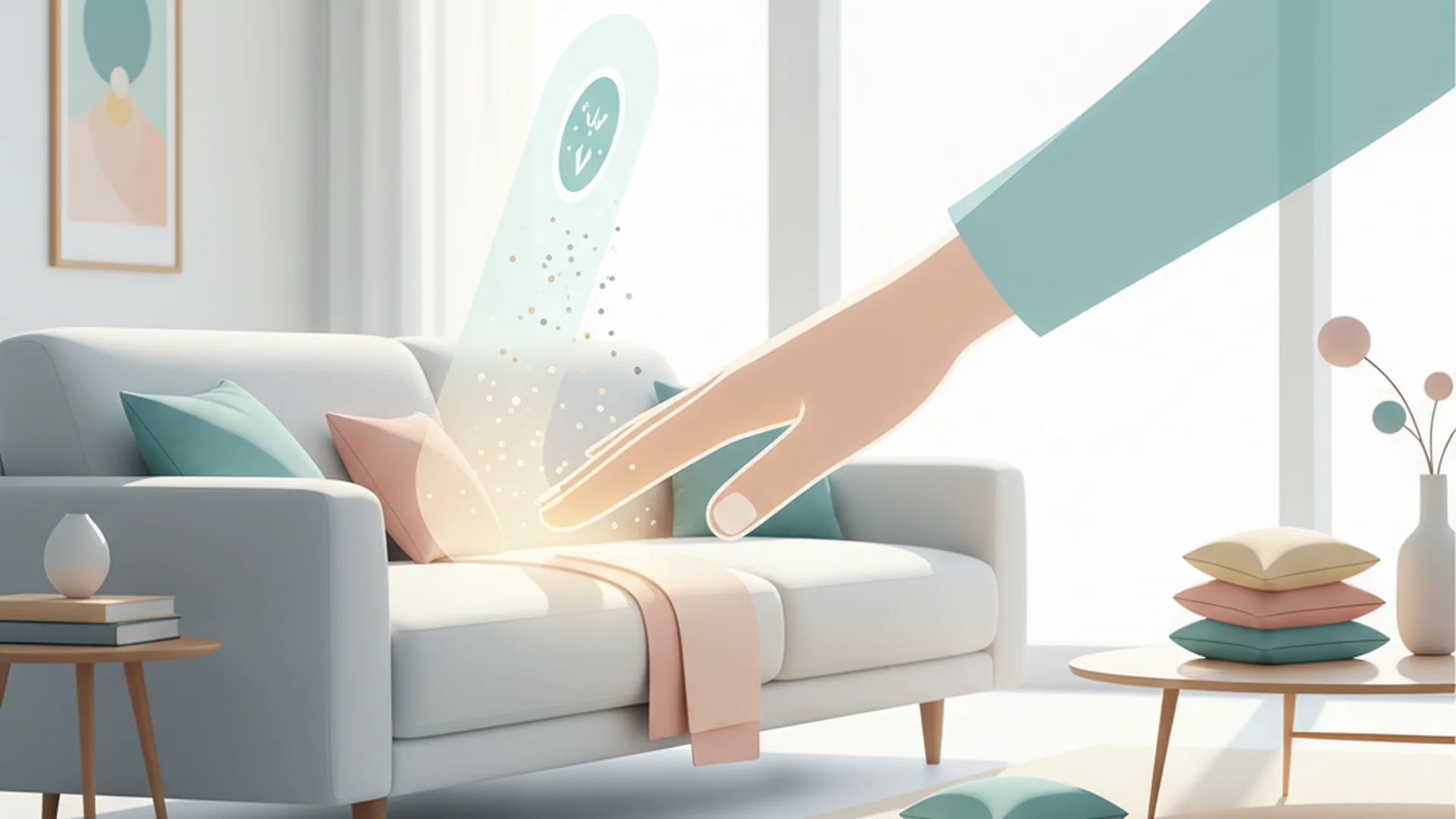
This is where the real "germ-busting" happens. In 2025, we are seeing a massive trend toward UV-C sanitization wands for electronics. These devices allow you to kill 99.9% of bacteria on your TV remote, gaming controllers, and tablets without using liquid chemicals that could damage sensitive components.
If you don't have a UV wand, use a 70% isopropyl alcohol wipe on your remotes and light switches. For the TV screen, avoid all chemicals. A dry, clean microfiber cloth is the safest bet. For stubborn fingerprints, lightly dampen the cloth with distilled water—never spray the screen directly.
Warning: Spraying liquid cleaners directly onto electronics or wood furniture can cause permanent damage, moisture seepage, and unsightly buildup.
Step 4: Upholstery and Seating
Your couch is likely the most-used piece of furniture in your home. Weekly maintenance should involve removing the cushions and vacuuming the "crumb graveyard" underneath.
- Fabric Couches: Use the upholstery attachment on your vacuum.
- Leather Couches: Wipe down with a specialized leather conditioner to prevent cracking.
- Pro Tip: If you have pets, use a rubber squeegee to pull embedded hair out of the fabric fibers before vacuuming.
Step 5: Baseboards and Floors
The final step is the floor. If you have hardwood, use a microfiber mop slightly dampened with a pH-neutral cleaner. For carpets, a high-quality vacuum with a HEPA filter is essential for removing the deep-seated dirt we discussed earlier.
Success: Completing the floor last ensures you’ve captured all the dust that fell during the previous steps, leaving the room truly sanitized.
Modern Cleaning Trends for 2025–2026
The world of home maintenance is shifting toward "Mindful Cleaning" and high-tech integration. Here is how you can modernize your routine:
Probiotic Cleaning
Moving away from harsh disinfectants, "microbiome-friendly" cleaners are now a staple. These products use live, beneficial bacteria (probiotics) that remain on your surfaces after you’ve finished wiping. These "good" bacteria continue to eat away at organic grime and odors for up to several days, providing a continuous clean.
The 20/10 Productivity Method
To avoid the burnout often associated with a deep clean, many are adopting the 20/10 method: 20 minutes of focused cleaning followed by a 10-minute reward break. This makes the daunting task of "how to clean living room" much more manageable for those with busy schedules.
Scent-Scaping
Instead of the clinical smell of bleach or heavy artificial lemon, 2025 trends focus on "luxury scent-scaping." Homeowners are using high-end essential oil diffusers or linen sprays with notes of sandalwood, white tea, and bergamot to create a hotel-like atmosphere that enhances the feeling of a clean space.
Common Mistakes to Avoid
Even seasoned cleaners can fall into habits that actually make the room dirtier or cause damage.
- Cleaning Windows on a Sunny Day: This is a classic error. The heat from the sun causes the cleaning solution to evaporate too quickly, leaving behind streaks that are nearly impossible to buff out. Always wait for an overcast day or clean in the early morning.
- Using Vinegar on Natural Stone: While white vinegar is a great eco-friendly tool, its acidity will "etch" and dull natural stone like marble coasters or granite fireplace hearths.
- Forgetting the Vacuum Filter: If you haven't cleaned or replaced your vacuum filter in the last three months, you aren't cleaning your floor; you are simply redistributing dust and allergens back into the air.
- Over-Wetting Wood Floors: Excessive water can cause hardwood to warp or the finish to peel. Use a "damp" mop, never a "wet" one.
Real-World Examples
Example 1: The Pet Owner's Battle
Sarah, a dog owner, noticed her living room always smelled "musty" despite frequent vacuuming. By switching to a probiotic cleaner and using the rubber squeegee trick on her rug, she removed three times more hair than the vacuum alone could reach. The probiotics continued to neutralize pet odors at the source, transforming her space.
Example 2: The "Closing Shift" Success
Mark, a busy professional, felt overwhelmed by the mess every morning. He began implementing a 10-minute "Closing Shift" every night—fluffing pillows, clearing the coffee table, and doing a quick "robot vacuum" run. This habit meant his deep cleaning sessions on the weekend took 40% less time.
Example 3: The Tech-Forward Approach
The Miller family integrated their AI-mapped robot vacuum with their smart home system. Now, every time they leave the house for 30 minutes, the living room is automatically swept. By the time they return, the "high-traffic" floor maintenance is already handled.
Frequently Asked Questions
Should I dust or vacuum first?
How often should I clean my couch?
How do I clean a TV screen without streaks?
Is it necessary to disinfect every time I clean?
Conclusion
Mastering how to clean living room spaces isn't just about aesthetics; it's about creating a healthy, breathable environment for you and your family. By using the top-to-bottom method, staying mindful of high-touch hotspots, and embracing modern trends like probiotic cleaners, you can maintain a showroom-quality space with minimal stress. Remember, consistency is the key to domestic efficiency. Incorporating a small "reset" each night will ensure your living room remains a place of relaxation rather than a source of anxiety.
Success: A clean living room reduces stress, improves air quality, and extends the life of your furniture and flooring.
Cleaning that keeps score
Every task earns points, every streak multiplies them, and Premium adds a household leaderboard plus a monthly Dustagorgon to beat.
- Free forever
- 30 badges to earn
- Up to 6 in a household
No card needed. Set up your rooms in a couple of minutes.