In this article
What you’ll learn
- Decluttering lowers your stress levels and improves sleep quality.
- Start with the "Two-Foot Rule" to avoid burnout and see immediate visual wins.
- Always declutter before buying storage containers to avoid "organized clutter."
In 2026, the concept of the home has shifted from a mere living space to a curated sanctuary for mental health. Nowhere is this more critical than the bedroom. As a professional cleaning consultant, I have seen firsthand how decluttering bedroom environments can transform a person's nightly rest and daily productivity. Our bedrooms are often the final frontier of home organization—the place where we "hide" the mess when guests come over. However, your brain doesn't stop processing that visual noise just because you’ve closed your eyes.
The modern household holds a staggering number of individual items, and most of us own plenty of things we haven't touched in over a year. When you commit to decluttering your bedroom, you aren't just cleaning; you are practicing essential "sleep hygiene" that tells your nervous system it is safe to relax.
The Science of Bedroom Clutter and Stress
Before we dive into the practical steps, it is vital to understand the "why." Bedroom clutter isn't just an eyesore; it is a genuine stressor. Most people feel overwhelmed by the sheer volume of stuff in their homes, and that overwhelm manifests physically.
Visual clutter competes for your brain's attention. When your surfaces are covered in "to-do" piles, unread books, or laundry, you simply do not think as clearly. Living in a cluttered space also keeps your cortisol (the stress hormone) levels elevated. A successful decluttering session brings those levels back down, which in turn means deeper sleep and fewer sleep-related problems.
The 2026 Strategy: Modern Decluttering Trends
In the past, decluttering was about "throwing things away." In 2026, we focus on Nervous System Regulation and Biophilic Decluttering.
The Two-Foot Rule
One of the most effective decluttering bedroom tips gaining traction this year is the "Two-Foot Rule." Instead of looking at the entire room and feeling paralyzed, focus exclusively on the two feet of space you use most—typically your nightstand. By clearing, editing, and resetting only that small radius, you achieve an immediate visual win that motivates you to continue without the traditional "mid-way burnout."
Biophilic Decluttering and Soulful Spaces
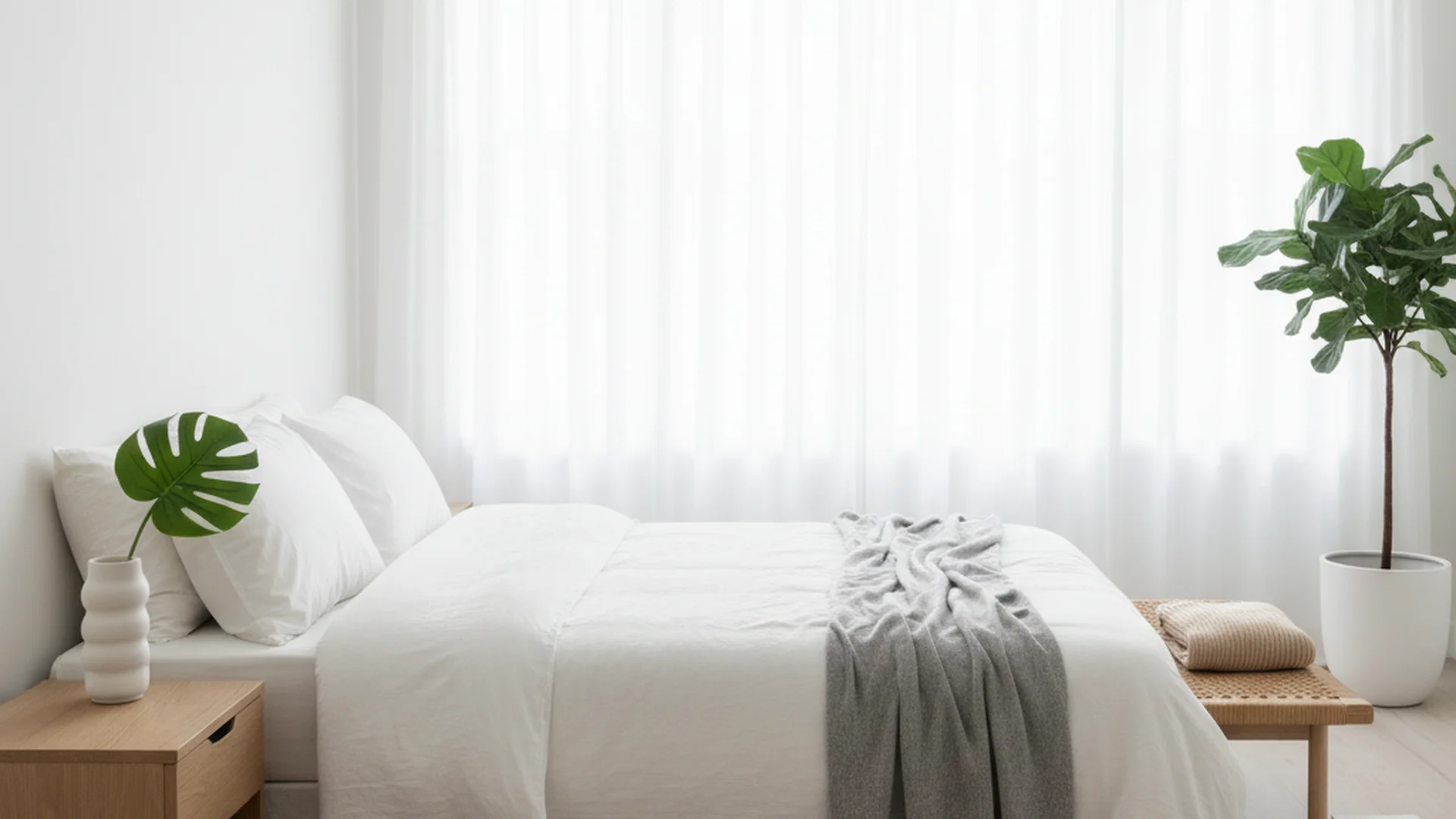
The trend of sterile minimalism is fading. In its place is "Curated Comfort." This involves removing synthetic and plastic clutter and replacing it with natural elements like reclaimed wood, stone, and living plants. The goal isn't an empty room; it’s a room where every item on display has "soul" or deep personal meaning.
Tip: Start your session with "neutral category" items like old receipts, expired medications, or broken chargers. These trigger zero emotion and help "warm up" your decision-making muscles.
The Comprehensive Decluttering Bedroom Checklist
To achieve a truly restful space, follow this structured decluttering bedroom checklist. Work through these zones one by one to ensure no corner is left unedited.
Zone 1: Visual Surfaces (Nightstands and Dressers)
These are your high-touch areas. In 2026, the trend of "Digital Warmth" suggests removing all visible cables.
- The Nightstand: Remove everything except a lamp, a book, and perhaps a glass of water. Move phone chargers to a drawer or a dedicated "no-phone" station away from the bed.
- The Dresser Top: Limit yourself to 3–5 decorative items that bring you joy. If the surface is covered in jewelry, perfumes, or loose change, find "hidden" homes for these inside drawers.
Zone 2: The Closet Edit
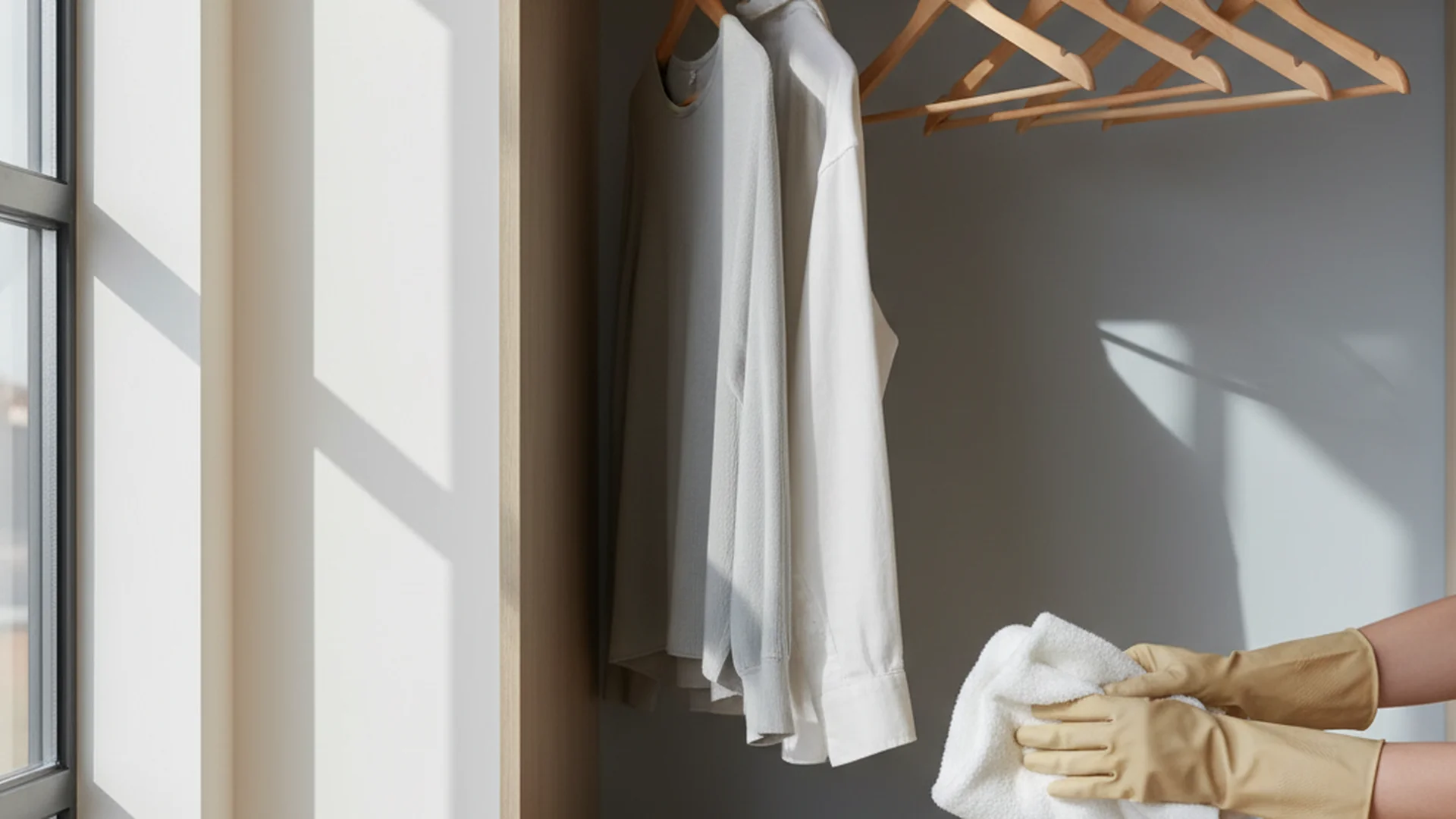
The closet is often the biggest source of hidden stress. We recommend the Reverse Hanger Method. Turn all your hangers backward. When you wear an item, turn the hanger the right way. After six months, anything still on a backward hanger should be donated.
- The 20/20 Rule: If you find an item you are keeping "just in case," ask yourself: Can I replace this for under $20 in under 20 minutes? If yes, let it go.
Zone 3: The Under-Bed Purge
This is the "forgotten" zone. In a biophilic, grounded bedroom, the space under your bed should ideally be empty to allow for airflow. If you must use it for storage, use breathable fabric bins rather than plastic tubs.
Warning: Never start decluttering without an "Exit Strategy." Have bags labeled "Donate," "Sell," and "Trash" ready before you pull the first item out of the closet.
Handling the Emotional Weight of "Stuff"
The biggest hurdle in decluttering bedroom spaces is the emotional attachment we have to our belongings. Sentimental items—like old love letters, heirlooms, or "skinny clothes"—can stall your progress for hours.
Letting Go Without Guilt
The trick is to keep the memory, not the object. If you have a bulky sentimental item taking up space, take a high-quality photo of it and save it in a digital "Memory Folder." Limit your physical mementos to one "Memory Box." Once the box is full, one item must leave before a new one can enter.
The "Just in Case" Trap
We often hold onto items out of a fear of future scarcity. However, the mental "rent" you pay for storing that item is often higher than the cost of replacing it. If you haven't needed that extra set of scratchy curtains in three years, you likely never will.
Note: If you plan to sell items on Poshmark or eBay, set a firm deadline. If the item isn't listed or sold by the following Friday, it goes straight to the donation bin.
| Category | Keep | Donate/Discard |
|---|---|---|
| Clothing | Fits now & worn in last year | "Goal" clothes or unworn items |
| Nightstand | Daily essentials | Old receipts, trash, tech cords |
| Bedding | 2 sets per bed | Stained, ripped, or excess sets |
| Decor | Items with "Soul" | Generic "filler" decor |
Common Mistakes to Avoid
Even with the best intentions, many people fall into these traps during a bedroom overhaul:
- The "Container First" Error: This is the most common mistake. People buy beautiful baskets and bins before they purge. This leads to "organized clutter"—you’re just making your junk look pretty instead of removing it.
- Starting with Sentimental Items: This is a productivity killer. Always save photos and heirlooms for the very end of your project when your decision-making is sharp.
- The All-At-Once Trap: Don't tear your entire room apart at 8:00 PM on a Sunday. You will end up sleeping on a pile of clothes. Work in zones.
- Confusing Decluttering with Cleaning: You can scrub a floor until it shines, but if the room is filled with 400 knick-knacks, it will still feel heavy. Declutter first, then clean.
Real-World Examples of Bedroom Transformations
Example 1: The "Floating" Nightstand
One of my clients, Sarah, felt anxious every morning. Her nightstand was a mountain of chargers, half-empty water bottles, and "to-read" books. By applying the Two-Foot Rule, we cleared everything. We installed a hidden charging strip inside her drawer and replaced her plastic lamp with a stone-base lamp and a single peace lily. Her morning anxiety dropped significantly.
Example 2: The "Soulful" Closet
Mark had a closet so full he could barely slide the hangers. He was holding onto suits from a decade ago. We used the Reverse Hanger Method and the 20/20 Rule. He donated four bags of clothes. He replaced the wire hangers with uniform wooden ones, creating a "boutique" feel that made getting ready for work a joyful experience rather than a chore.
Example 3: The Digital Sabbatical
A couple I worked with suffered from poor sleep. Their bedroom was filled with "active" items: a treadmill used as a clothes rack and two work laptops. By zoning the bedroom for "Rest Only" and moving the "active" items to the guest room, the sleep scores on their wearables climbed sharply within a single week.
Success: A decluttered bedroom isn't just about aesthetics; it is a gift of time and peace to your future self.
Frequently Asked Questions
Should I deep clean or declutter first?
How do I let go of sentimental items without feeling guilty?
Where is the best place to start in a bedroom?
What if I need this 'just in case'?
How do I maintain a decluttered bedroom?
Conclusion
Decluttering your bedroom is one of the most impactful things you can do for your mental health in 2026. By moving away from "sterile" minimalism and toward "Curated Comfort," you create a space that doesn't just look good on camera—it feels good for your soul. Remember, the goal isn't perfection; it is a room that supports your rest and reflects your true self.
Start small with the Two-Foot Rule today, and watch how your sleep—and your life—begins to transform.
Cleaning that keeps score
Every task earns points, every streak multiplies them, and Premium adds a household leaderboard plus a monthly Dustagorgon to beat.
- Free forever
- 30 badges to earn
- Up to 6 in a household
No card needed. Set up your rooms in a couple of minutes.