In this article
What you’ll learn
- Start with high-impact micro-areas to build momentum.
- Follow the "declutter first, buy containers second" rule.
- Integrate sustainable "eccluttering" practices for a modern home.
Entering a home filled with stacks of mail, overflowing closets, and mysterious "doom piles" can feel like an emotional weight you didn't sign up for. If you've ever felt paralyzed by the sheer volume of stuff in your home, you aren't alone. Mastering decluttering room by room is the most effective way to reclaim your space and your sanity. By breaking down an overwhelming whole-house project into manageable, bite-sized tasks, you can transform your living environment from a source of stress into a sanctuary of productivity and peace.
The True Cost of Clutter in 2025
Before we dive into the "how," we must understand the "why." In 2025, clutter is no longer just a minor annoyance; it is a genuine crisis affecting our wallets and our mental health. The self-storage industry has grown enormous on the back of it. We aren't just living in our homes; we are paying a "clutter tax" to store items we rarely use.
Beyond the financial impact, the psychological toll is significant. People who describe their homes as cluttered and unfinished tend to carry a stress-hormone pattern through the day that takes a real toll on their health. Plenty of us have also been late to work or missed an appointment simply because we couldn't find something essential in our own home. When you commit to decluttering room by room, you aren't just cleaning—you are performing a vital act of self-care and time management.
Note: Days of your year quietly disappear into looking for misplaced keys, remotes, and documents. Imagine what you could do with all those hours back!
The Golden Rules: Prepare Before You Purge
One of the biggest mistakes homeowners make is diving into a closet without a plan. This leads to the "middle-of-the-mess" burnout, where you end up with a bigger disaster than you started with. To avoid this, we recommend the Five-Box Method.
Before entering any room, set up five physical boxes or designated zones:
- Keep: Items that have a clear purpose and a dedicated home in that room.
- Donate: Useful items you no longer need (ensure they are clean and functional).
- Sell: Items with significant resale value (be realistic about the time required to sell them).
- Trash/Recycle: Broken or unusable items that cannot be repurposed.
- Relocate: Items that belong in a different room (the "homeless" items).
Tip: Use the 20/20 Rule for "just in case" items. If you can replace an item for less than $20 and in under 20 minutes from your home, it’s safe to let go.
The Ultimate Decluttering Room by Room Checklist
To maintain focus, we’ve broken down the house into specific zones. Following a decluttering room by room checklist ensures you don't miss the hidden spots where clutter loves to hide.
The Entryway: The "Drop Zone" Reset
The entryway is the first thing you see when you come home. If it’s a chaotic pile of shoes and mail, your brain immediately enters "stress mode."
- Audit the shoes: Keep only the pairs you wear daily. Store seasonal footwear elsewhere.
- Clear the mail: Create a system for immediate sorting (Shred, Action, File).
- Check the hooks: If a coat hasn't been worn in a month, move it to the bedroom closet.
Success: A clear entryway reduces morning anxiety and helps you get out the door faster.
The Kitchen: Mastering Micro-Areas
The kitchen is often the hardest room because of the sheer volume of small items. Don't try to "declutter the kitchen" in one go. Instead, tackle micro-areas.
- The Fridge & Pantry: Start here for a "quick win." Toss anything expired. Real-world example: A client once found a jar of mustard that had expired in 2018!
- The "Junk Drawer": Be ruthless. If you haven't used that mystery key or dried-out rubber band in a year, toss it.
- Small Appliances: If you haven't made a panini or used that specific juicer in six months, it’s taking up valuable real estate.
Warning: Never buy organizational bins before you've purged the items. You’ll end up buying containers for trash you don't need.
The Living Room: Managing Digital & Physical Noise
As we move into 2026, living room clutter is increasingly digital.
- The Entertainment Center: Audit "cord graveyards." Old chargers for phones you no longer own should be recycled.
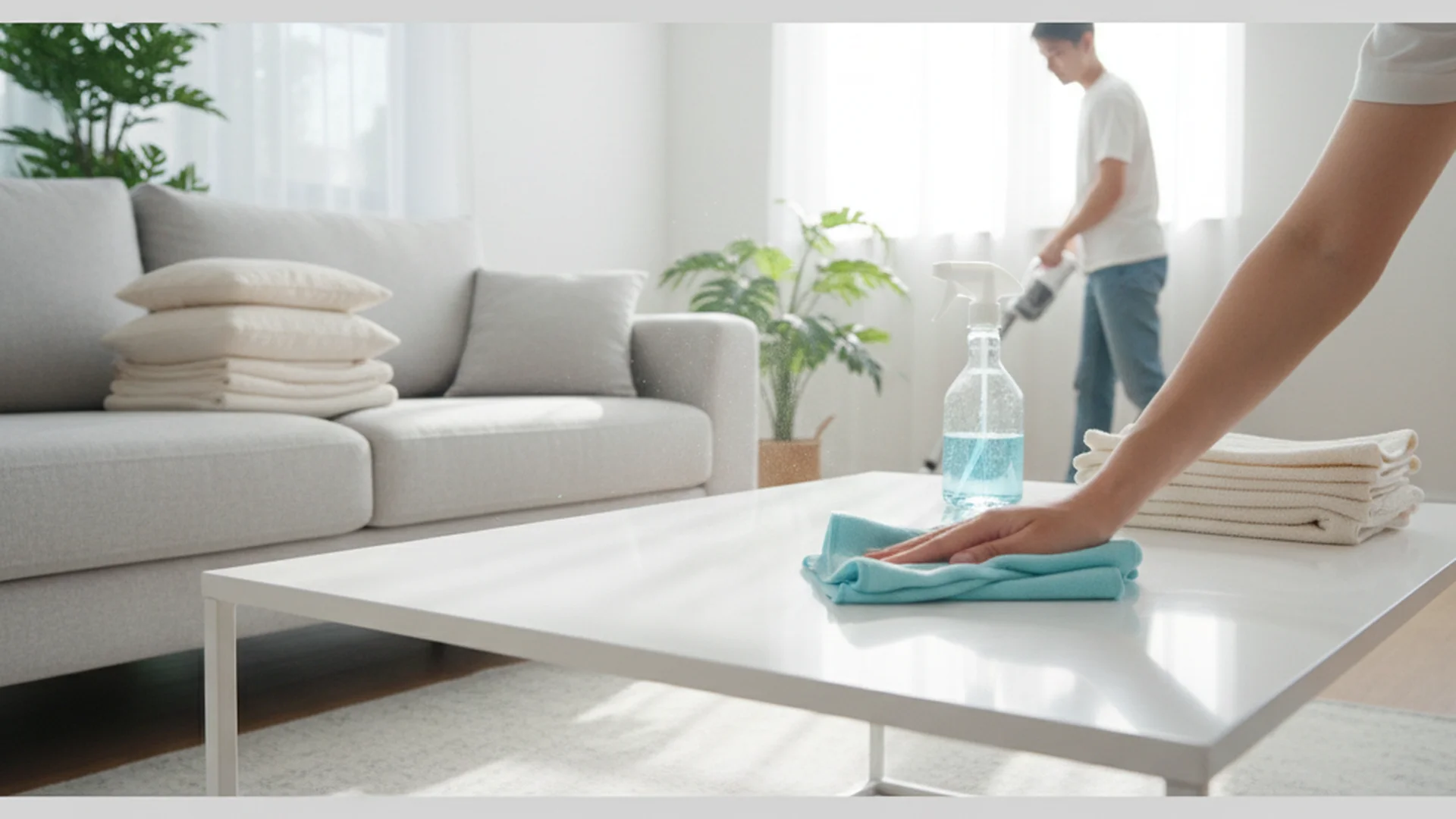
- Surface Clearout: Remove everything from coffee tables and side tables. Only put back items that serve a decorative or functional purpose.
- Doom Piles: Tackle those random stacks of magazines and half-finished projects. If you haven't touched a magazine in three months, recycle it.
The Bedroom: The Reverse Hanger Method
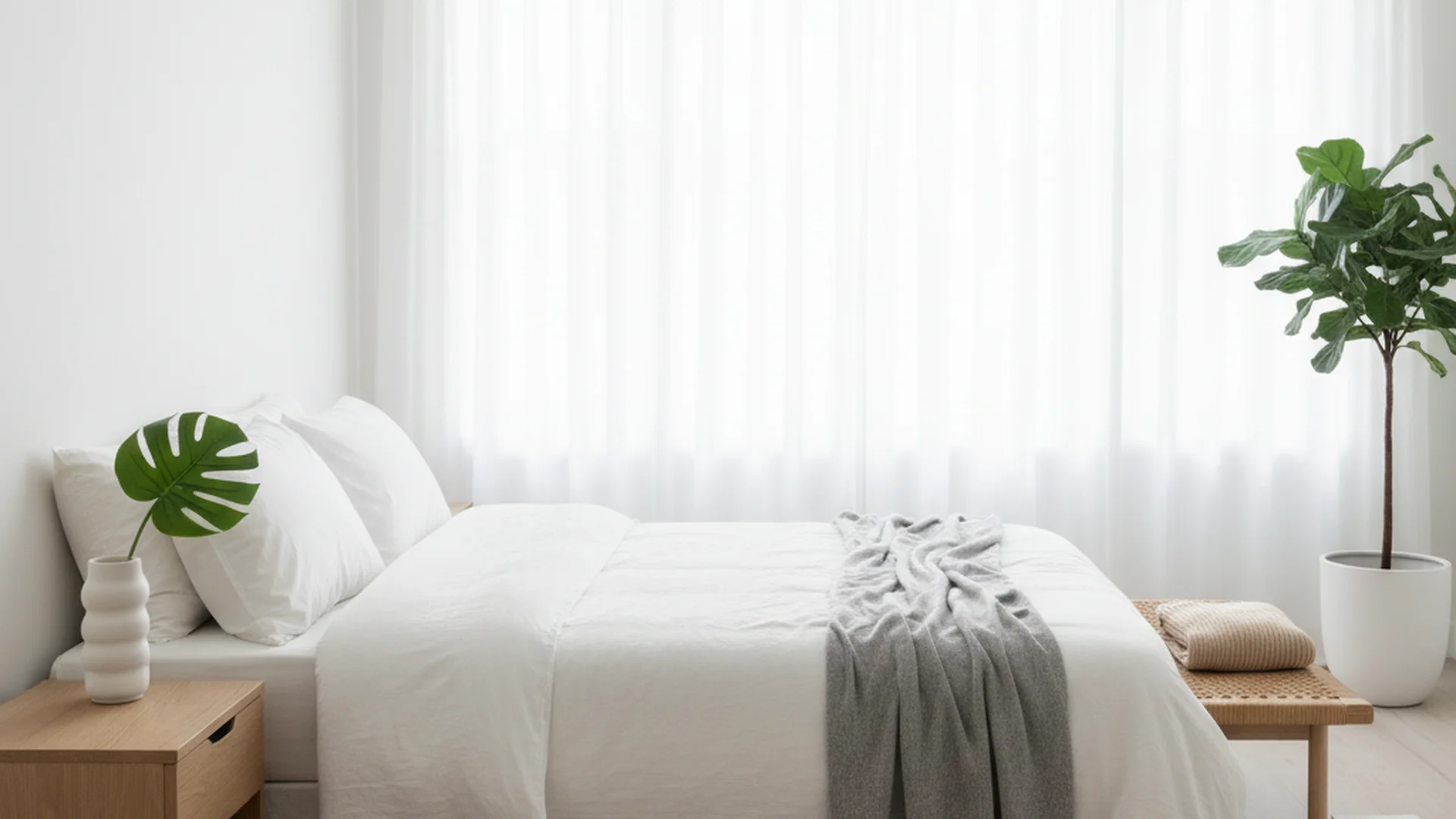
Your bedroom should be a sanctuary. Clutter here directly impacts your sleep quality.
- The Closet: Use the Reverse Hanger Method. Turn all your clothing hangers backward. When you wear an item, turn the hanger the right way. After six months, any hanger still backward represents an item you don't wear.
- Nightstands: Clear everything except a lamp, a book, and perhaps a glass of water.
- Under the Bed: This is not a storage unit for things you want to forget. If you store items here, use clear, labeled bins.
The Bathroom: Expiration Audit
Bathrooms are magnets for half-used products and expired medications.
- Medicine Cabinet: Safely dispose of expired prescriptions and old skincare.
- Linens: Real-world example: Most households only need two to three sets of towels per person. If you have a stack of frayed towels, donate them to a local animal shelter—they always need rags!
2025–2026 Trends: The Future of Organization
The way we approach our belongings is shifting. We are moving away from the rigid "minimalism" of the past and toward more "intuitive" and "sustainable" systems.
1. AI-Driven Organization
In 2025, people are increasingly using AI tools to manage their homes. You can now use AI to generate personalized decluttering schedules based on your available time, or even to create meal plans that use up your specific pantry "clutter" to reduce waste.
2. Sustainable "Eccluttering"
There is a massive shift away from plastic storage bins. The 2026 trend favors natural, biodegradable materials like bamboo, seagrass, and glass. "Upcycling" is also key; instead of buying new, people are repurposing old wooden crates or glass jars to organize their spaces.
3. Digital Reset Focus
Clutter isn't just physical anymore. Modern decluttering includes managing cloud storage, thousands of unorganized photos, and subscription fatigue. Schedule a "Digital Reset" once a season to clear out your inbox and phone storage.
Note: Virtual decluttering services are on the rise. You can now hire a professional organizer via video call to coach you through the process for a fraction of the cost of in-person services.
Common Mistakes to Avoid
Even with the best decluttering room by room tips, it's easy to fall into common traps.
- The "One and Done" Myth: Decluttering is not a one-time event; it is a maintenance habit. Without a "one-in, one-out" rule, the clutter will return within months.
- Sentimental Hoarding: Keeping a gift out of guilt is a heavy burden. Remember: The purpose of a gift is to be received. Once that moment has passed, its mission is complete. You are not obligated to store it forever.
- Confusing "Neat" with "Organized": A room can look spotless but have "hidden clutter" in the drawers. True organization means you can find exactly what you need in seconds.
- The "I Might Need It" Anxiety: This is often a trauma-based response or general anxiety. If you haven't needed it in two years, you are almost certainly never going to need it.
| Common Mistake | The Better Approach |
|---|---|
| Buying bins first | Declutter first, measure second |
| Tackling the whole house | Focus on one "micro-area" at a time |
| Keeping items "just in case" | Use the 20/20 Rule |
| Feeling guilty about gifts | Focus on the memory, not the object |
Frequently Asked Questions
Where do I even start?
Should I clean or declutter first?
How do I let go of sentimental items?
How often should I do a full-house declutter?
Conclusion
Decluttering room by room is more than just a home improvement project; it’s a path to a more intentional life. By removing the physical barriers in your home, you clear the mental space needed to focus on what truly matters. Whether you’re using the latest AI-driven schedules or sticking to the classic Five-Box Method, the key is to start small and stay consistent.
The "clutter crisis" of 2025 doesn't have to be your reality. With these strategies, you can transform your home into a space that supports your goals rather than hindering them.
Success: By following this guide, you are joining the thousands of homeowners who have reclaimed their time, reduced their stress, and saved money by living with less.
Cleaning that keeps score
Every task earns points, every streak multiplies them, and Premium adds a household leaderboard plus a monthly Dustagorgon to beat.
- Free forever
- 30 badges to earn
- Up to 6 in a household
No card needed. Set up your rooms in a couple of minutes.