In this article
What you’ll learn
- The bathroom is the most widely hated room to clean, thanks to biological grime.
- The kitchen requires the most physical effort to combat airborne grease and food residue.
- New 2026 trends like probiotic cleaning and UV-C sanitization are changing how we tackle tough spots.
When it comes to home maintenance, everyone has a nemesis. Whether you are staring down a soap-scum-covered bathtub or a grease-splattered stove, you have likely paused mid-scrub to wonder: what is the hardest room to clean? While the answer might feel subjective based on your personal habits, a couple of rooms come up again and again as the winners of this unenviable title. Understanding why certain rooms are more difficult than others is the first step toward reclaiming your weekend and making your home maintenance more efficient.
The Great Debate: Bathroom vs. Kitchen
The competition for the title of the "hardest room" usually boils down to a fight between the bathroom and the kitchen. Both present unique challenges that test even the most dedicated homeowners.
The Bathroom: The Biological Battleground
The bathroom is the most deep-cleaned room in the house, and also the most dreaded. Ask almost anyone to name the chore they hate most and scrubbing the toilet and tub tops the list.
Why is the bathroom so difficult? It comes down to biological grime. Unlike dust or dirt, the bathroom hosts mold, mildew, and bacteria that thrive in high-humidity environments. Porous surfaces like grout are particularly troublesome, as they can harbor "pink mold" (Serratia marcescens) that seems to reappear just days after a thorough scrub.
The Kitchen: The Grease Factor
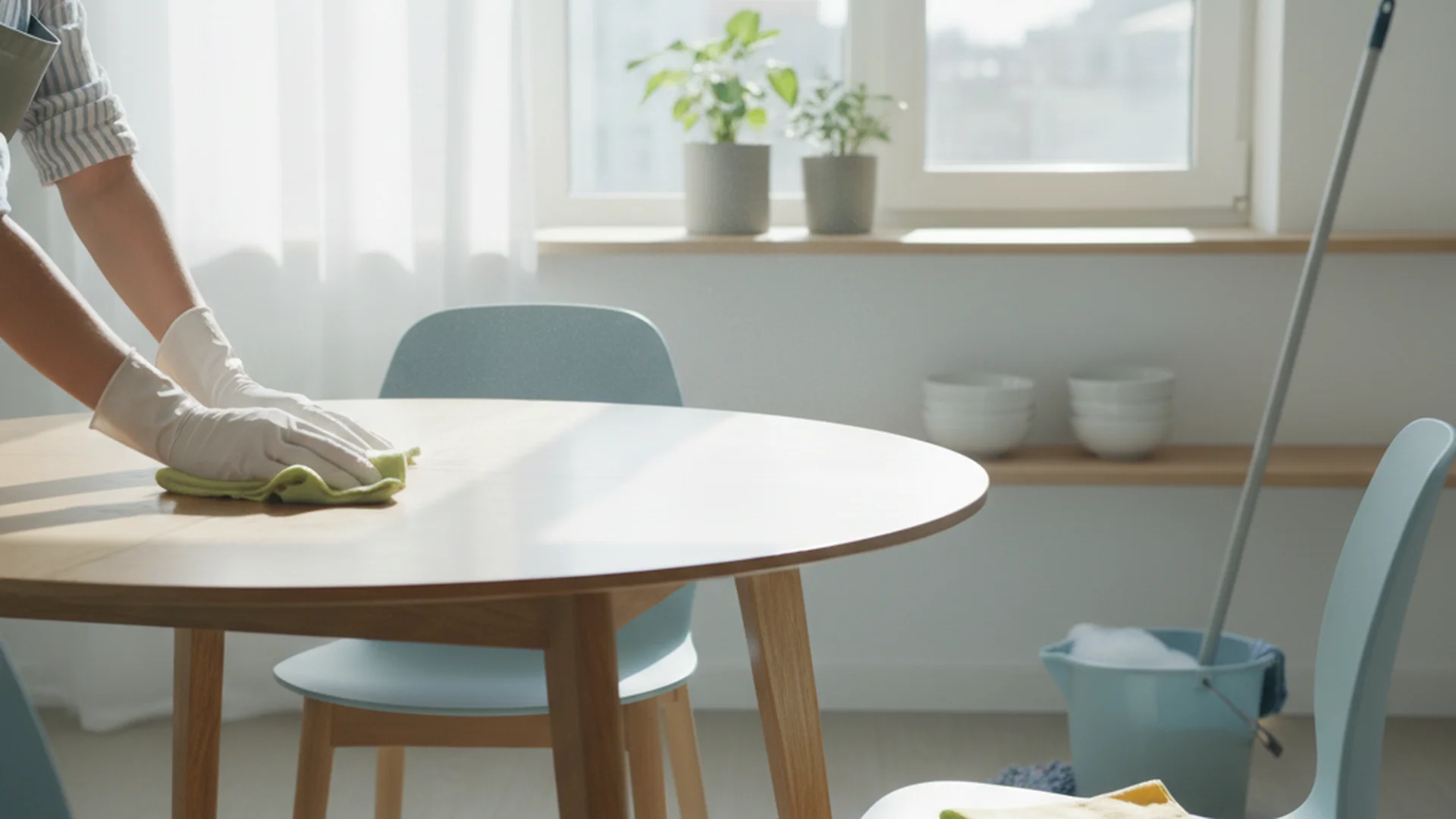
While the bathroom wins on the "gross" factor, the kitchen is arguably the "hardest" room based on the sheer volume of effort required. It is the room people search for help with most often, and the questions are always the same: grease, appliances, and sink grime.
The kitchen is difficult because of airborne grease. When you cook, fine particles of oil settle on top of cabinets, light fixtures, and backsplashes, creating a sticky film that attracts dust and hardens over time. This requires significantly more physical "elbow grease" than the chemical-based cleaning often used in bathrooms.
Tip: To tackle kitchen grease effectively, use a specialized degreaser and allow it to sit for several minutes before wiping to break down the carbon bonds in the oil.
Beyond the Usual Suspects: The Garage
If you ask a homeowner which room causes them the most mental fatigue, the answer shifts. The garage is often the most stressful area to clean. People report real dread at the thought of organizing it, largely because this space becomes a "catch-all" for items that don't have a home elsewhere.
Unlike the kitchen or bathroom, the garage often lacks climate control, making the cleaning process physically uncomfortable. It also presents unique challenges like oil stains on concrete, spider webs in rafters, and the daunting task of sorting through years of accumulated clutter.
Note: The "hardest room to clean" answer can also be a riddle! In the world of wordplay, the answer is often "The Mushroom," because you can't clean a room you eat.
Expert Strategies for Tough Spaces
To tackle these difficult rooms, professional cleaners rely on systems rather than just effort. By adopting these expert recommendations, you can reduce the time spent on your most-hated chores.
The "Top-to-Bottom" Rule
Never start with the floors. Always begin at the highest point in the room—ceiling fans, the tops of cabinets, or high shelving—and work your way down. Gravity ensures that dust and debris fall to the ground. If you clean the floors first, you’ll just have to do them again once the dust from the shelves settles.
Embrace "Dwell Time"
This is perhaps the most important professional secret. Most household disinfectants and cleaners are not instant. They require "dwell time"—usually between 5 to 10 minutes—to effectively kill bacteria or dissolve mineral deposits like limescale. Spray your shower, walk away to fold a load of laundry, and return later to wipe it down. You will find that the grime comes off with half the effort.
The "S-Pattern" Wipe
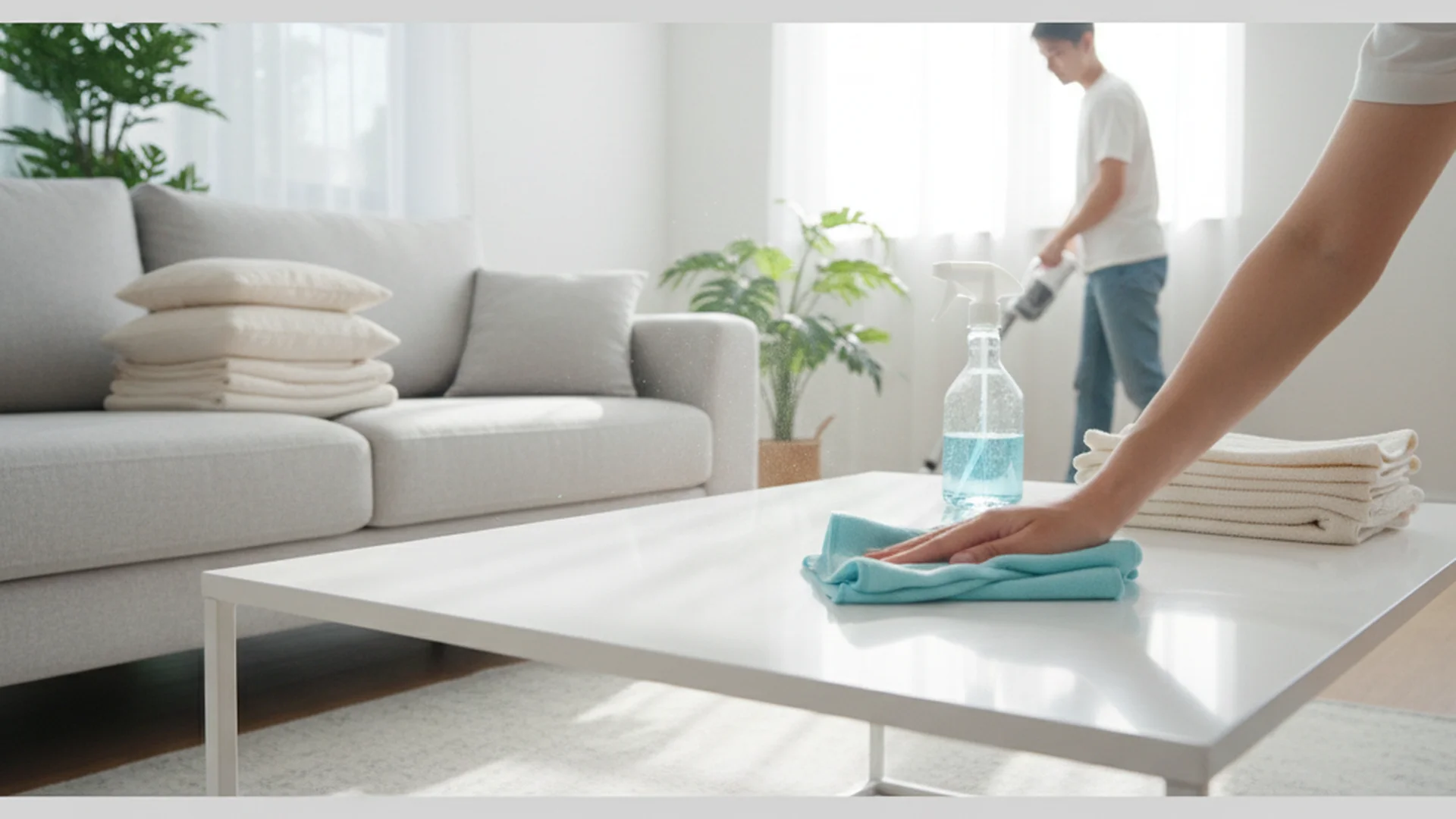
Most people wipe in circular motions, but this actually redeposits dirt back onto the area you just cleaned. Instead, use an "S" shape. Start at the top left, wipe to the right, drop down, and wipe back to the left. This ensures you are always moving the dirt toward the uncleaned area and off the surface.
Success: Using the S-pattern on mirrors and glass surfaces all but eliminates streaks, saving you from the frustration of re-cleaning the same spot.
Cleaning Trends for 2025 and 2026
The way we clean is undergoing a technological revolution. As we move into 2026, several trends are making the "hardest rooms" significantly easier to manage.
- Probiotic Cleaning: Brands like Unilever are leading the charge with probiotic cleaners. These products leave "good bacteria" on your surfaces that continue to "eat" organic grime for up to 72 hours after you finish wiping. This is a game-changer for bathrooms prone to mold.
- AI-Driven Automation: New appliances now feature sensors that detect soil levels. From dishwashers that adjust water pressure based on grease levels to washing machines that dose detergent perfectly, AI is removing the guesswork.
- Whole Home Filtration: A major 2026 trend is the rise of filtered showerheads and whole-home water filtration. By removing minerals at the source, homeowners can prevent hard water stains and limescale buildup before they even start.
- UV-C Sanitization: Portable UV-C light wands are becoming standard in deep-cleaning kits, allowing you to sanitize high-touch items like remote controls and keyboards without using liquids.
Common Mistakes to Avoid
Even with the best intentions, certain habits can make cleaning harder or even dangerous.
- Mixing Chemicals: This is a critical safety issue. Never mix bleach with ammonia (found in many window cleaners) or vinegar. This creates toxic chloramine or chlorine gas, which can be fatal.
- Overusing Product: Many people believe more soap equals more clean. In reality, excess soap leaves a sticky residue that acts as a magnet for hair and dust. Use the minimum amount recommended on the label.
- Cleaning on Sunny Days: While it seems like a great time to wash windows, the sun dries the cleaning solution too quickly. This results in permanent streaks that are nearly impossible to buff out.
- Ignoring the Vacuum Filter: If your home still feels dusty after vacuuming, your HEPA filter might be clogged. A dirty filter simply blows fine dust particles back into the air.
Warning: Using a kitchen sponge for more than a week without sanitizing it can make your counters dirtier than a toilet seat. Microwave damp sponges daily or replace them weekly.
Frequently Asked Questions
Is the kitchen or bathroom harder to clean?
What is the "hardest room to clean" answer for a job interview?
Why does my bathroom always feel dirty even after scrubbing?
What is the most forgotten spot in the hardest rooms?
Conclusion
Determining the hardest room to clean often depends on what you dislike most: the biological grime of the bathroom, the greasy residue of the kitchen, or the overwhelming clutter of the garage. By using professional techniques like dwell time and the S-pattern wipe, and by embracing new technologies like probiotic cleaners, you can take the "hard" out of housecleaning.
Success: Consistently applying the "Top-to-Bottom" rule shaves a meaningful chunk off your total cleaning time each week.
Cleaning that keeps score
Every task earns points, every streak multiplies them, and Premium adds a household leaderboard plus a monthly Dustagorgon to beat.
- Free forever
- 30 badges to earn
- Up to 6 in a household
No card needed. Set up your rooms in a couple of minutes.