In this article
What you’ll learn
- Moisture is the primary enemy of laminate; use the "Mist, Don't Soak" method.
- Avoid steam mops and vacuum beater bars to prevent permanent damage.
- pH-neutral cleaners are essential for maintaining the protective wear layer.
Laminate flooring has become the gold standard for modern homeowners seeking the perfect blend of aesthetic appeal and everyday durability. However, despite its rugged appearance, knowing how to clean laminate floors correctly is the difference between a surface that lasts 25 years and one that fails in five. Because laminate is a composite material rather than solid wood, it requires a specific approach to maintenance that prioritizes moisture control and surface protection.
In this comprehensive guide, we will explore the best way to clean laminate floors using 2025’s latest industry standards. From the rise of antimicrobial surfaces to the emergence of probiotic cleaning solutions, you will learn how to protect your investment while achieving a streak-free, mirror-like finish.
The Anatomy of Laminate: Why Traditional Mopping Fails
Before reaching for the bucket and mop, it is vital to understand what you are cleaning. Laminate flooring is typically composed of a high-density fiberboard (HDF) core topped with a photographic image and a clear, hard wear layer. While the top layer is incredibly resilient against scratches, the seams between the planks are vulnerable.
This growth is largely due to the material's cost-effectiveness, but market data from Markville Flooring highlights a sobering reality: moisture damage remains the number one cause of premature floor failure. Even "water-resistant" varieties are not waterproof. When excess water sits on the surface, it seeps into the seams, causing the HDF core to swell and "peak," a condition that is usually irreversible.
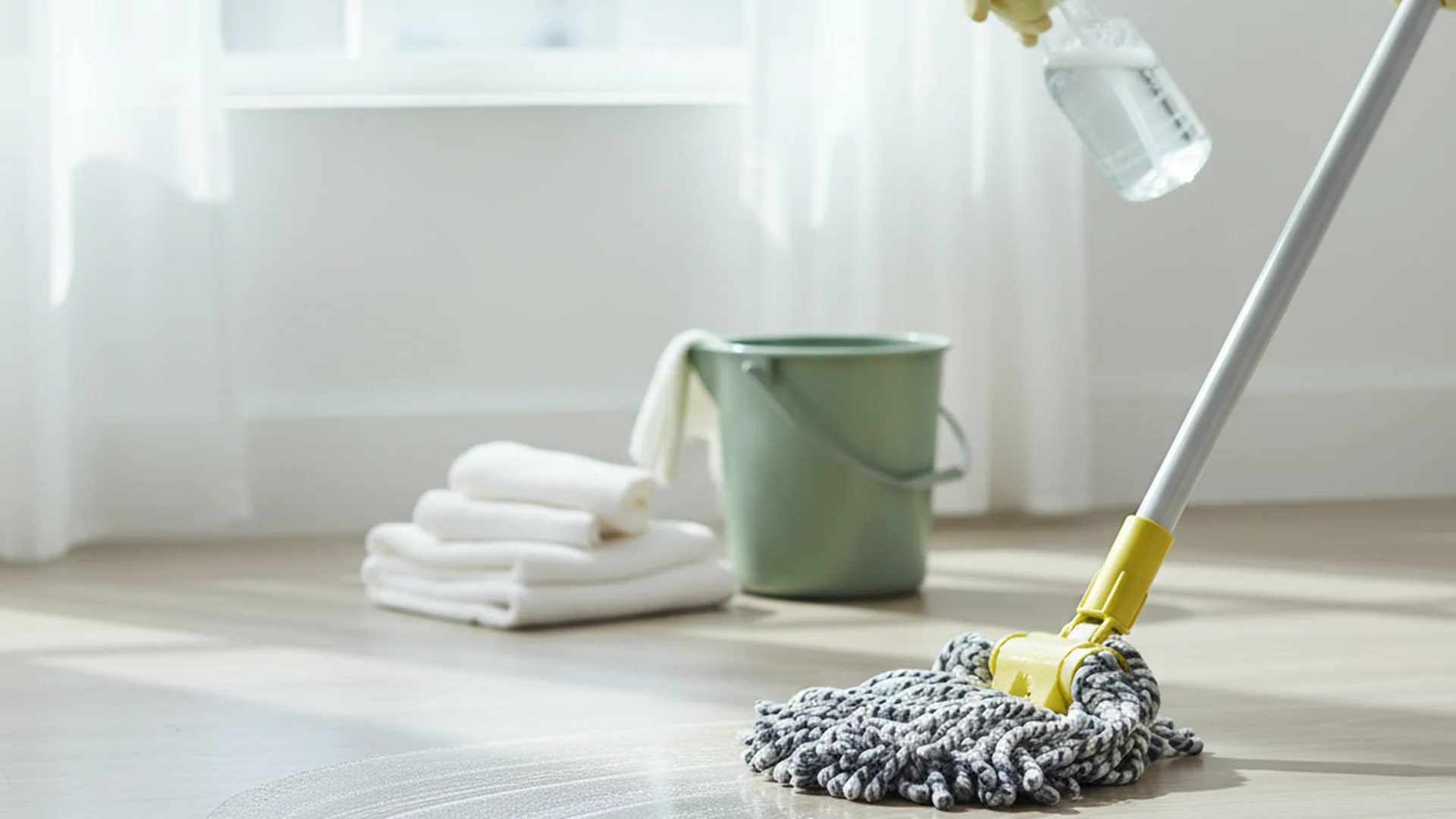
Warning: Never use a traditional "mop and bucket" system where the floor remains wet for more than a minute. Standing water is the fastest way to void your flooring warranty.
The Foundation: Daily and Weekly Maintenance
The most effective laminate floor cleaning tips start with prevention. Grit, sand, and pet hair act like sandpaper underfoot, slowly grinding down the protective wear layer.
The "Directional Sweep" Rule
Always sweep or vacuum in the direction that the planks are laid. This prevents dirt from being pushed and trapped into the micro-beveled seams between the boards. For routine maintenance, use an electrostatic dry mop. These tools use physics rather than moisture to attract dust, making them the most sustainable and "floor-safe" option available in 2025.
The Double-Mat Strategy
To reduce cleaning frequency, implement a "double-mat" system at every entrance. Place a heavy-duty scraper mat outside the door to catch large debris and a soft, absorbent microfiber rug inside to catch moisture and fine dust. This simple setup can catch up to 99% of external grit before it ever touches your laminate.
Tip: If using a vacuum, ensure the "Beater Bar" or rotating brush is turned off. Use the "Hard Floor" setting to prevent the stiff bristles from scratching the wear layer.
How to Deep Clean Laminate Floors: The "Mist, Don't Soak" Method
When a dry sweep isn't enough, it’s time for a damp clean. However, the "damp" should be minimal. Experts from leading brands like Bona and Shaw Floors recommend a method often called "Mist, Don't Soak."
Step-by-Step Deep Cleaning
- Clear the Area: Remove all rugs and lightweight furniture.
- Dry Prep: Thoroughly vacuum or sweep to ensure no loose grit remains.
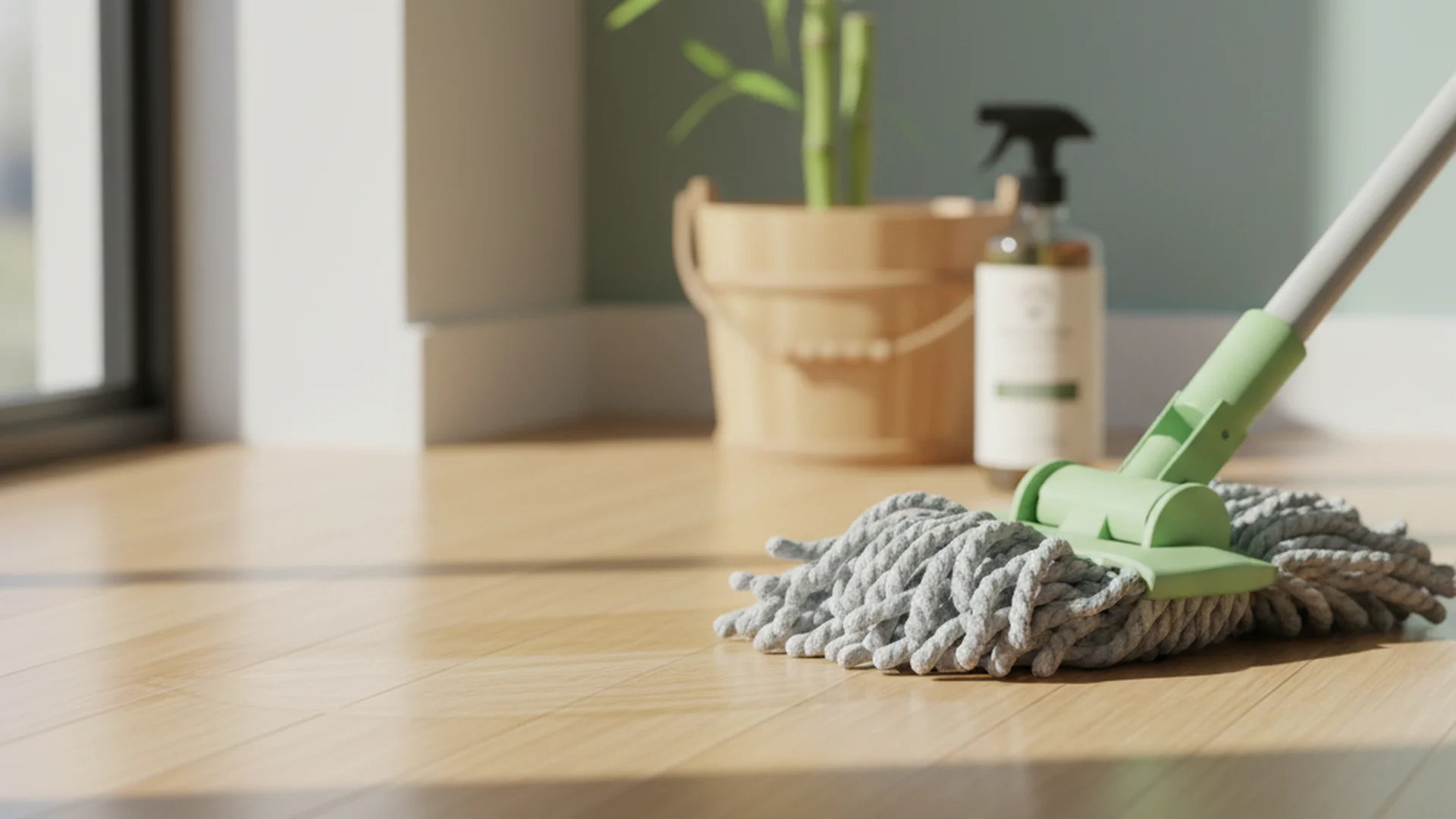
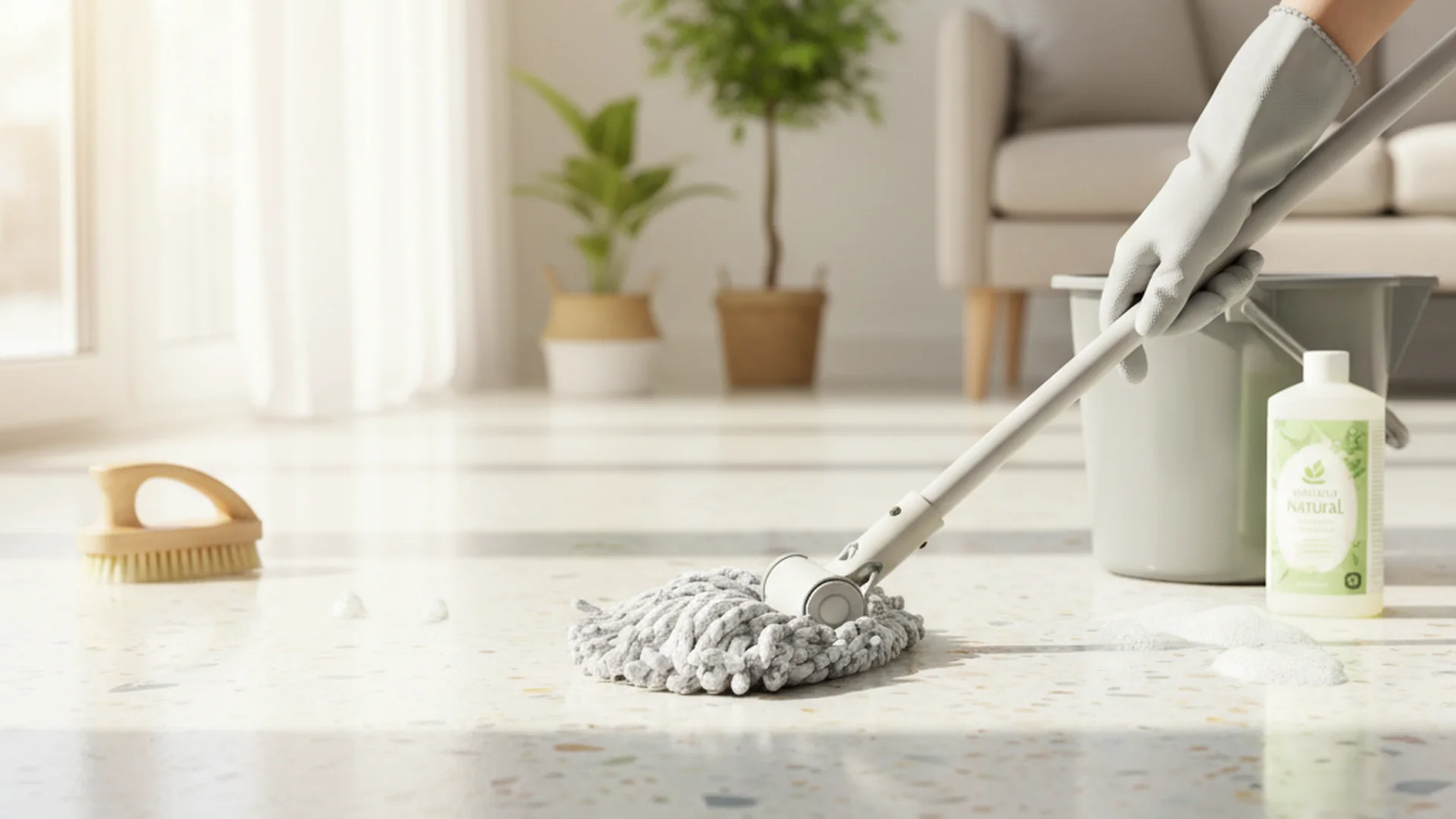
- The Misting Process: Fill a spray bottle with a pH-neutral cleaner. Lightly mist a 3x3 foot section of the floor or, better yet, mist the microfiber mop head itself.
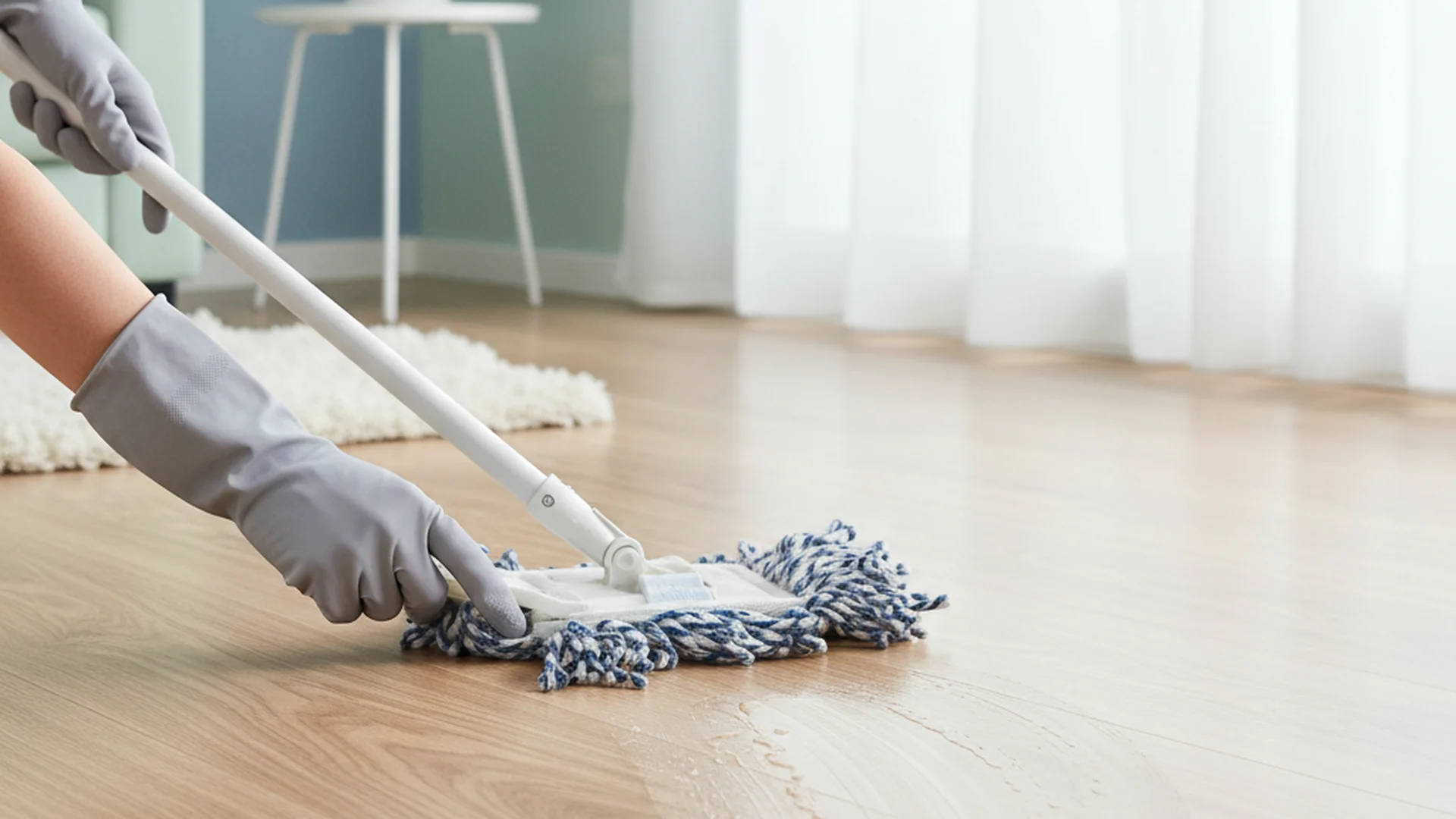
- The Pass: Use a microfiber mop in a "figure-8" motion to pick up dirt efficiently.
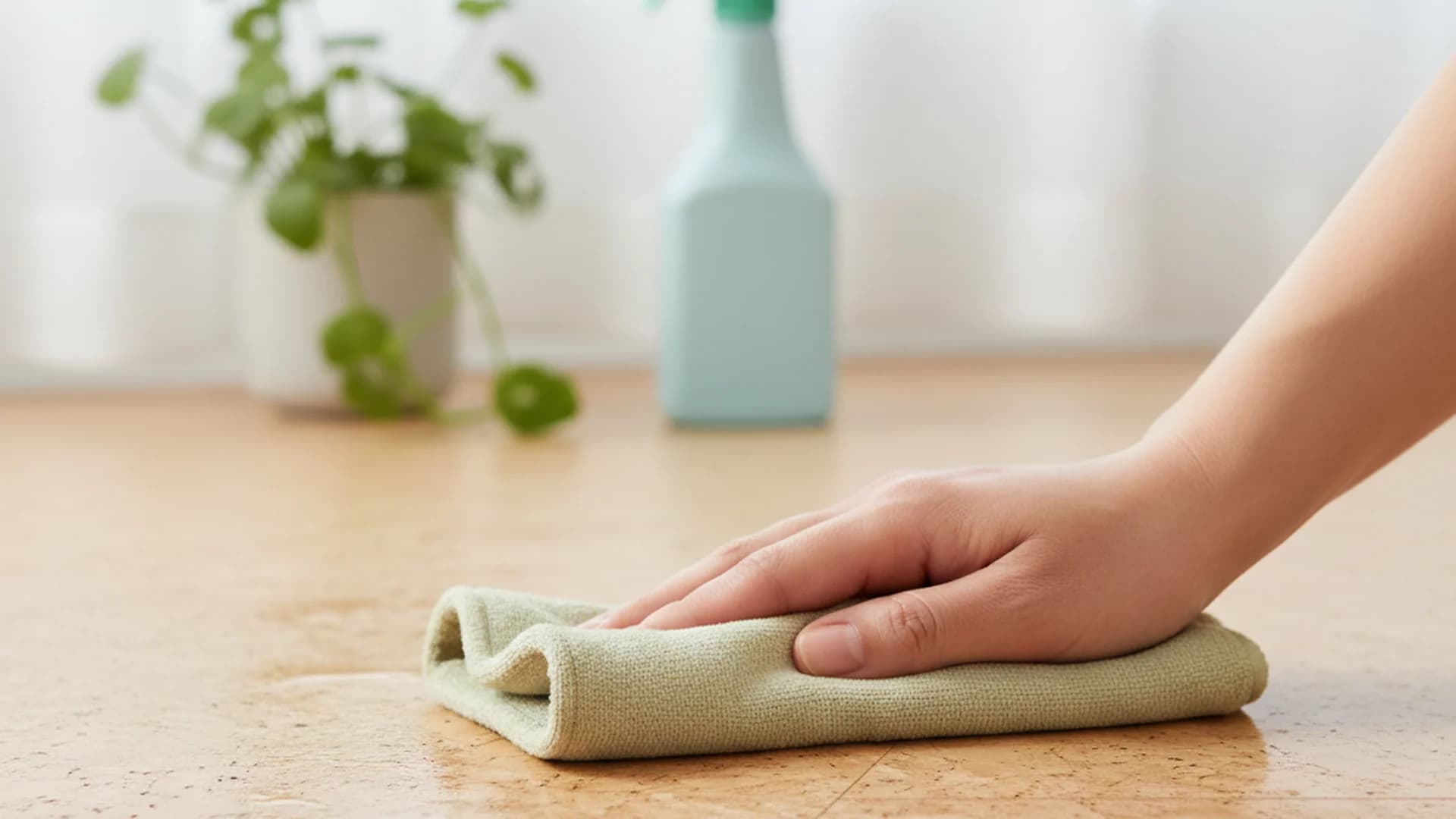
- The Buff: If any moisture remains, follow up immediately with a dry microfiber cloth to buff the floor.
Success: A correctly cleaned laminate floor should be bone-dry within 60 seconds of the mop passing over it.
DIY vs. Commercial Cleaners: Making the Right Choice
Many homeowners wonder if the best way to clean laminate floors involves store-bought chemicals or a home-brewed solution. The answer depends on your floor's age and the type of grime you're facing.
| Cleaner Type | Best For | Pros | Cons |
|---|---|---|---|
| pH-Neutral Commercial | Daily/Weekly use | Safe for all finishes, no residue | Higher cost per bottle |
| Diluted Vinegar | Cutting through grease | Eco-friendly, very cheap | Can dull finish if used too often |
| Probiotic Cleaners | Homes with pets/kids | Active cleaning for days | Newer tech, harder to find |
| Isopropyl Alcohol Mix | Removing ink/scuffs | Evaporates instantly | Dries out skin, strong odor |
The Vinegar Debate
Is vinegar safe? Yes, but with a major caveat. You must use a highly diluted ratio: 1 cup of white vinegar to 1 gallon of water. Using high concentrations of acid can eventually eat away at the protective wear layer, leaving the floor looking dull and "cloudy."
Note: Avoid "Mop and Shine" products. These often contain waxes or oils that create a temporary glow but eventually build up into a sticky film that attracts even more dirt.
2025 Trends: Smart Mops and Probiotic Cleaning
The landscape of home maintenance is shifting toward "smart" efficiency. One of the most significant trends in 2025 is the rise of Probiotic Cleaning Solutions. Brands like Unilever have introduced cleaners that utilize beneficial bacteria to consume organic matter (like skin cells and food particles) at a microscopic level. This keeps the floor cleaner for several days after the initial wipe-down.
Furthermore, 2026-gen smart sensor mops, such as the Tineco Floor One S9 series, have revolutionized the process. These devices feature "Dirt Detect" sensors that automatically adjust water flow. If the sensor detects only light dust, it uses a microscopic amount of water, ensuring the laminate is never oversaturated.
Tip: If you use a robotic mop, ensure it has "Zone Mapping" so you can set it to "low moisture mode" specifically for your laminate areas.
Common Mistakes to Avoid
Even with the best intentions, it is easy to damage laminate. Here are the most frequent errors reported by domestic efficiency specialists:
- Using a Steam Mop: This is the most common mistake. The high-pressure steam forces moisture deep into the HDF core, leading to warped planks and delamination.
- Air-Drying: Never leave a "wet trail" behind you. Air-drying allows water time to find its way into the joints. Always buff dry.
- Abrasive Tools: Never use steel wool, scouring pads, or stiff-bristled brushes. Once the wear layer is scratched, it cannot be sanded down or refinished like hardwood.
- Over-Cleaning: Mopping with liquid every day is unnecessary and increases the risk of moisture buildup. Stick to dry cleaning 3x a week and damp cleaning once every few months.
Real-World Examples
Example 1: The Pet-Friendly Household
Sarah, a Golden Retriever owner, struggled with "dog smell" and muddy prints. By switching to a laminate with a built-in antimicrobial wear layer (a major 2025 trend) and using a probiotic cleaner, she reduced her deep-cleaning frequency by 40%. The probiotics continued to break down pet dander in the seams long after she finished mopping.
Example 2: The Kitchen Spill
In a busy kitchen, a spilled glass of red wine can be a disaster for laminate seams. The "Pro Method" involves blotting the liquid immediately with paper towels, then using a pH-neutral spray and a microfiber cloth to clean the residue, followed by a final buff with a dry cloth to ensure no liquid remains in the cracks.
Example 3: The Renovator's Mistake
A homeowner attempted to "refresh" their 10-year-old laminate by using a floor sander, assuming it was engineered hardwood. This destroyed the photographic layer instantly, revealing the brown fiberboard beneath. Example Lesson: Always identify your floor type before attempting aggressive restoration. Laminate cannot be sanded.
Frequently Asked Questions
Can I use a steam mop on laminate?
How do I remove streaks from laminate?
Is vinegar safe for laminate floors?
How often should I mop?
What is the best way to clean laminate floors without leaving a film?
Conclusion
Maintaining the beauty of your home doesn't have to be a chore. By understanding that "less is more" when it comes to water and chemicals, you can keep your laminate floors looking brand new for decades. Stick to a routine of frequent dry sweeping, use pH-neutral sprays for spot cleaning, and embrace the latest 2025 cleaning technologies to save time and effort.
Success: Consistent, low-moisture care will preserve your floor's structural integrity and keep that factory-fresh shine for its entire 25-year lifespan.
Cleaning that keeps score
Every task earns points, every streak multiplies them, and Premium adds a household leaderboard plus a monthly Dustagorgon to beat.
- Free forever
- 30 badges to earn
- Up to 6 in a household
No card needed. Set up your rooms in a couple of minutes.