In this article
What you’ll learn
- Visual cleanliness doesn't mean the internal pipes are sanitary.
- Enzyme-based cleaners are more effective against biofilm than bleach.
- Regular maintenance extends the tub's lifespan by up to 50 years.
There is nothing quite like sinking into a warm, bubbling jetted tub after a long day. However, for many homeowners, that relaxation is cut short when mysterious black flakes begin floating to the surface. If you have ever wondered how to clean a jacuzzi tub properly, you aren't alone. Most people focus on scrubbing the acrylic basin, but the real challenge—and the real danger—lies within the 15 to 20 feet of hidden internal plumbing that powers those soothing jets.
As we move into 2025 and 2026, the focus of home wellness has shifted from "looking clean" to "biological hygiene." Stagnant water trapped in your tub’s internal lines is a primary breeding ground for biofilm—a complex colony of bacteria that standard cleaners often fail to touch. In this guide, we will explore the most effective, modern methods to ensure your home spa remains a sanctuary rather than a science experiment.
The Hidden Science of Jetted Tubs
Before we dive into the scrubbing, it is vital to understand what you are cleaning. A standard jetted tub isn't just a basin; it is a complex circulatory system. When you turn off the jets, several gallons of lukewarm water remain trapped in the pipes.
This environment is the "Goldilocks zone" for bacteria. Over time, body oils, skin cells, and soap residue combine to form "scrud," which acts as a glue for bacterial colonies. This resulting layer is known as biofilm. Recent research indicates that biofilm is remarkably resilient; it creates a protective slime layer that prevents standard disinfectants from reaching the bacteria beneath. To truly clean your tub, you need to break that glue.
Note: Biofilm buildup creates "back pressure," which forces your tub's pump to work harder. Regular cleaning can extend the life of your tub, which should typically last 20 to 50 years, whereas neglect can lead to premature mechanical failure.
The Eco-Purge Method: How to Clean a Jacuzzi Tub Without Bleach
While many older guides suggest using high concentrations of chlorine, 2026 industry standards are shifting away from harsh chemicals. Modern manufacturers like Kohler and Aquatica now warn that frequent bleach use can dry out internal rubber gaskets and O-rings, leading to expensive leaks.
The best way to clean tub components safely is the "Eco-Purge" method, which utilizes the power of white vinegar and enzyme-based cleaners.
Step 1: The Initial Fill
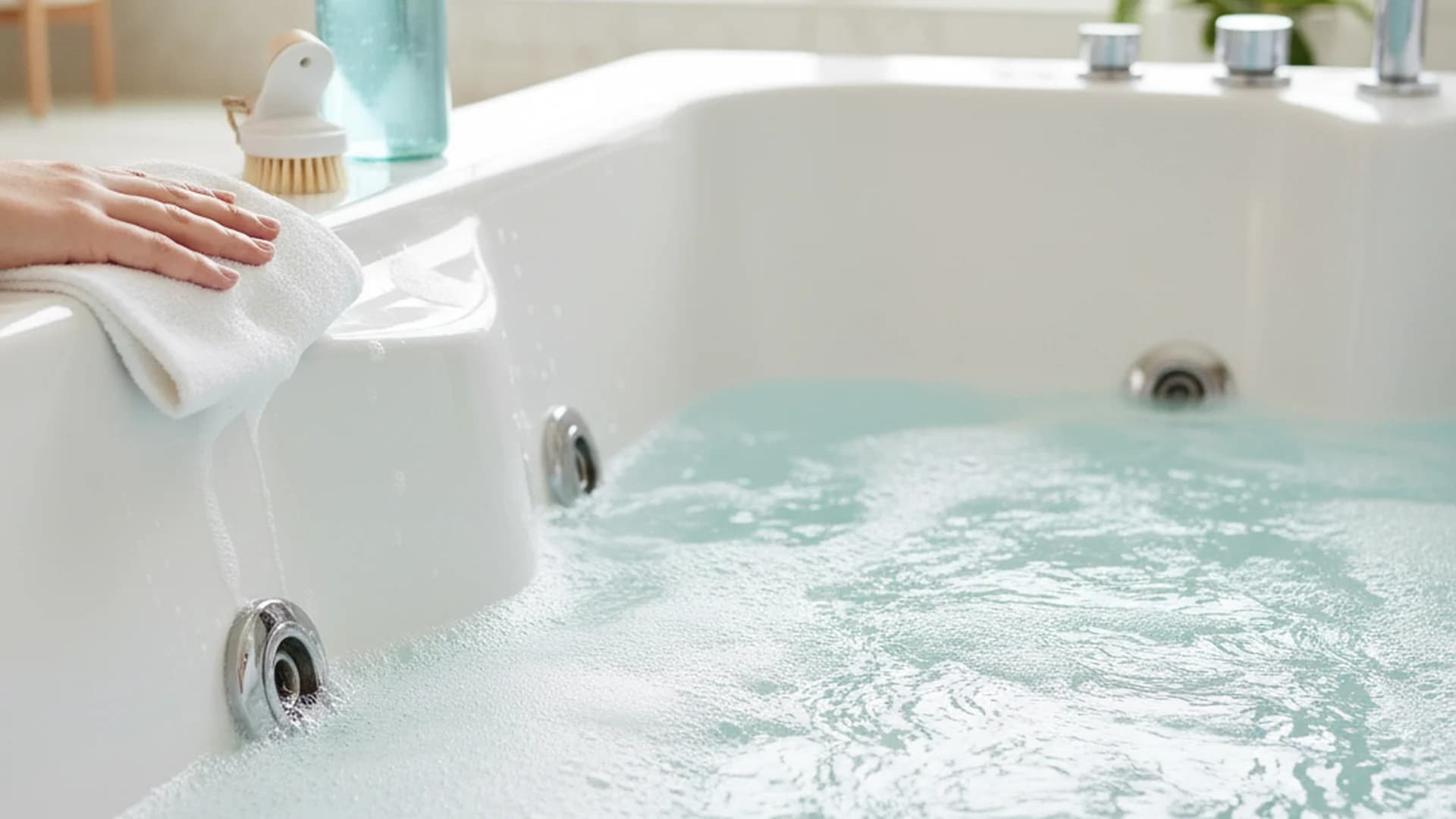
Fill the tub with hot water (ideally around 120°F). You must ensure the water level is at least 2–3 inches above the highest jets. If the water is too low, the pump may suck in air, causing the motor to sputter or fail to circulate the cleaning solution effectively.
Step 2: Add Your Cleaning Solutions
Add 2 cups of white distilled vinegar to the water. The acidity of the vinegar is essential for dissolving calcium deposits and hard water scale that can narrow the diameter of your pipes.
Next, add 1/2 cup of a high-quality, enzyme-based pipe cleaner. Unlike bleach, which only kills surface bacteria, enzymes physically "eat" the organic glue holding the biofilm together, allowing it to be flushed out.
Step 3: Configure Your Valves
This is a step many homeowners miss. Locate your air-induction valves (usually small knobs on the rim of the tub) and turn them clockwise to the closed position.
Tip: Closing the air valves forces the cleaning solution to circulate exclusively through the water pipes without being diluted by air. This concentrated flow provides the "scrubbing" action needed for the internal plumbing.
Step 4: The Deep Cycle
Run the jets on high for 15–20 minutes. You may begin to see brown or black debris discharging into the water. Don't be alarmed—this is a sign the treatment is working. After the cycle, let the water sit for another 10 minutes to allow the enzymes to continue their work, then drain the tub.
Step 5: The Final Rinse
Refill the tub with cool water and run the jets for another 10 minutes. This ensures that any loosened debris or remaining vinegar is completely flushed out of the system. Drain one last time and wipe the basin with a microfiber cloth.
Success: Using this method once a month keeps the internal plumbing free of "scrud" and prevents the dreaded appearance of black flakes during your bath.
Real-World Examples of Tub Maintenance
To understand why these steps are necessary, consider these three common scenarios:
- The "Suds-mageddon" Incident: A homeowner once attempted to clean their jets using standard liquid dish soap. Because dish soap is high-sudsing, the aeration from the jets created a foam volcano that filled the entire bathroom and seeped into the tub’s electrical housing. Always use "low-sudsing" or dedicated jetted tub cleaners.
- The Bath Bomb Clog: A frequent user of glitter-infused bath bombs noticed their jet pressure dropping significantly over six months. Upon inspection, the "glitter" had combined with body oils to create a concrete-like sludge in the intake cover. If you use bath bombs, you must perform a purge clean immediately after the bath.
- The "Invisible" Danger: A family in 2024 reported recurring skin rashes after using their whirlpool. Although the tub looked "sparkling white," a pipe inspection revealed heavy Pseudomonas aeruginosa colonization. After switching to a monthly probiotic cleaning routine, the issues resolved.
Modern Trends in Tub Hygiene (2025–2026)
The world of home maintenance is evolving. Here are the latest trends making waves in the industry:
Probiotic Cleaning
A major 2025 trend is the shift from "killing all bacteria" to "competitive exclusion." Probiotic cleaners leave behind "good" bacteria that stay in the pipes and prevent biofilm from re-attaching to the walls. It’s like a "reset" for your plumbing's microbiome.
Smart-Purge and UV-C
Newer 2026 luxury models now feature "Dry Purge" technology. These systems use high-velocity air to blow out any remaining water from the lines 30 minutes after the tub is drained, effectively eliminating the stagnation problem. Additionally, some retrofits now include inline UV-C light sanitizers that kill 99.9% of bacteria as water passes through the pipes.
Sustainable Concentrates
With water conservation becoming a top priority, "low-water" cleaning concentrates have gained popularity. these allow for effective pipe purging using only 50% of the usual water volume, significantly reducing the environmental footprint of your maintenance routine.
Common Mistakes to Avoid
- Using Abrasive Scrubbers: Never use steel wool or harsh scouring pads on your tub's acrylic or fiberglass surface. 2026 experts recommend only microfiber or magic erasers to maintain the non-porous finish and prevent micro-scratches where bacteria can hide.
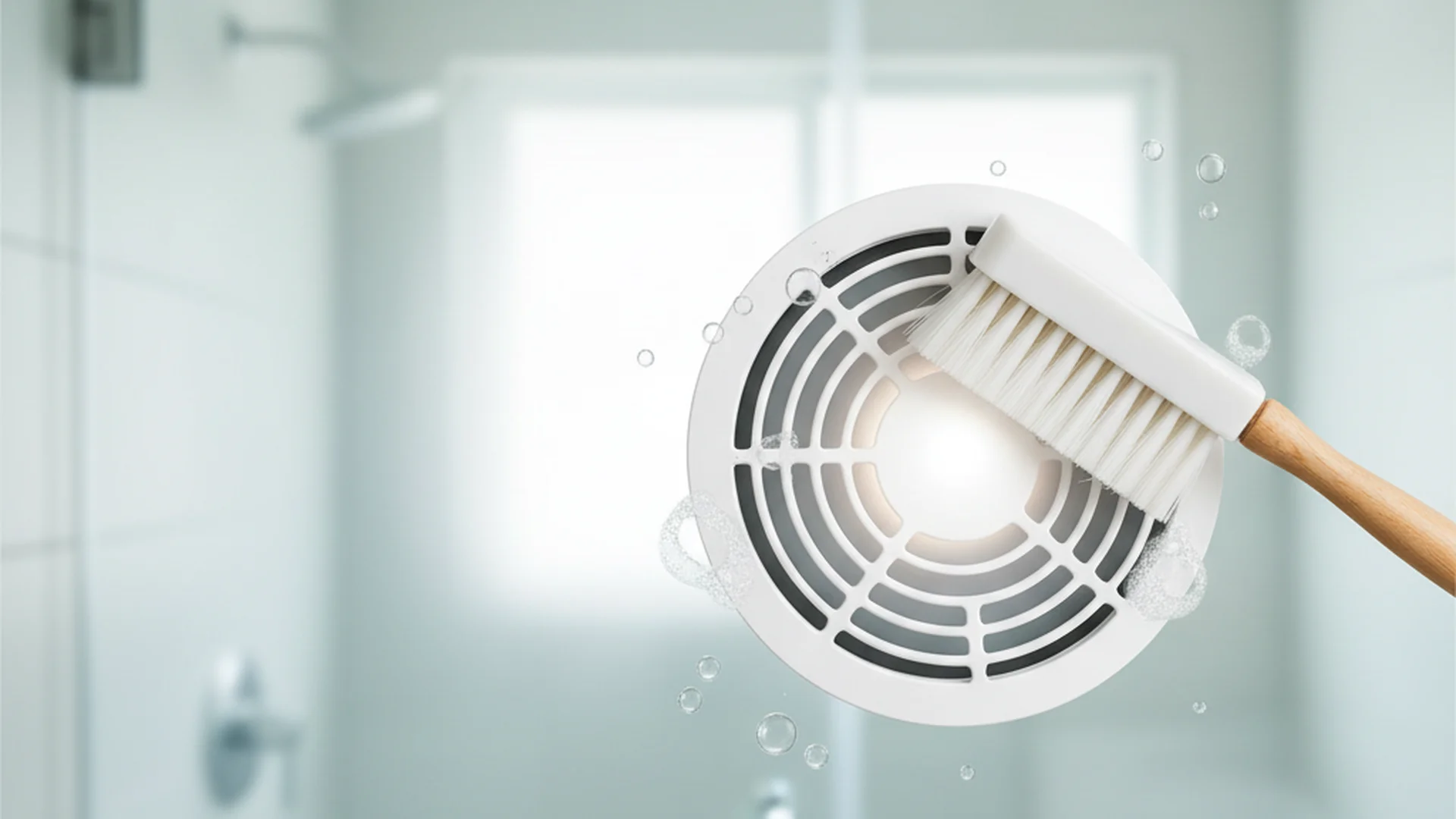
- Neglecting the Intake Cover: The suction intake (usually a large slotted disc near the bottom) is the primary trap for hair and lint. Use a screwdriver to remove it once a month and clean the debris trapped behind it.
- Using Essential Oils: Oils are the #1 cause of catastrophic jet clogging. They do not dissolve in water and eventually solidify within the internal plumbing.
- Mixing Chemicals:
Warning: Never mix bleach and vinegar. This creates toxic chlorine gas, a dangerous DIY error that can lead to severe respiratory distress.
Frequently Asked Questions
Why are black flakes coming out of my jets?
Can I use bleach to clean my tub?
How often should I clean my jetted tub?
Is it safe to use "Magic Erasers" on the tub surface?
Conclusion
Maintaining a Jacuzzi tub doesn't have to be a daunting chore. By understanding that the real "cleaning" happens where you can't see, you can ensure a safer and more relaxing experience. Moving away from harsh bleach and toward enzyme-based "Eco-Purge" methods is the best way to clean tub components while protecting the environment and your plumbing.
Success: Regular maintenance not only keeps your water sanitary but protects your investment for decades to come.
Cleaning that keeps score
Every task earns points, every streak multiplies them, and Premium adds a household leaderboard plus a monthly Dustagorgon to beat.
- Free forever
- 30 badges to earn
- Up to 6 in a household
No card needed. Set up your rooms in a couple of minutes.