In this article
What you’ll learn
- Avoid vinegar and steam mops to protect the wood's finish.
- Use pH-neutral, water-based cleaners for weekly maintenance.
- Maintain indoor humidity between 35% and 55% to prevent warping.
Hardwood flooring remains the "gold standard" for home value and timeless aesthetics. It is one of the features buyers most consistently look for when house hunting. However, knowing how to clean hardwood floors correctly is the difference between a surface that lasts a century and one that requires expensive refinishing after just a few years.
The 2026 Outlook: Modern Hardwood Trends
The landscape of wood flooring is shifting. High-gloss finishes are being replaced by matte and satin finishes, which homeowners increasingly favour for their ability to hide dust, footprints, and scratches.
Furthermore, 2025 has seen the rise of "smart" cleaning. Homeowners are increasingly moving away from traditional string mops in favor of smart wet/dry vacuums and probiotic cleaners that continue to break down grime long after the cleaning is finished.
Note: Modern matte finishes require specific care to avoid "polishing" the surface into an uneven shine. Always use the manufacturer-recommended cleaners.
The Master Cleaning Routine: A Three-Tiered Approach
To maintain the longevity of your investment, stick to a structured cleaning schedule. This prevents the "sandpaper effect," where microscopic grit scratches the finish every time you walk across the room.
Daily Maintenance: Grit Control
Dirt and sand are the primary enemies of wood. Think of small particles as sandpaper; under the weight of a footstep, they grind into the sealant.
- The Tool: Use a microfiber dust mop or a vacuum specifically designed for hard floors.
- The Rule: Ensure the "beater bar" or brush roll on your vacuum is turned OFF. Rotating brushes can leave swirl marks or chip the finish.
- Real-World Example: Consider a busy household with a Golden Retriever. In this scenario, daily vacuuming is non-negotiable to remove pet hair and the outdoor grit trapped in paws before it settles into the wood grain.
Weekly Cleaning: The "Damp, Not Wet" Method
Once the loose debris is gone, a deeper clean is necessary to remove spills and allergens.
- Select Your Cleaner: Use a pH-neutral, water-based cleaner like Bona or a plant-based alternative.
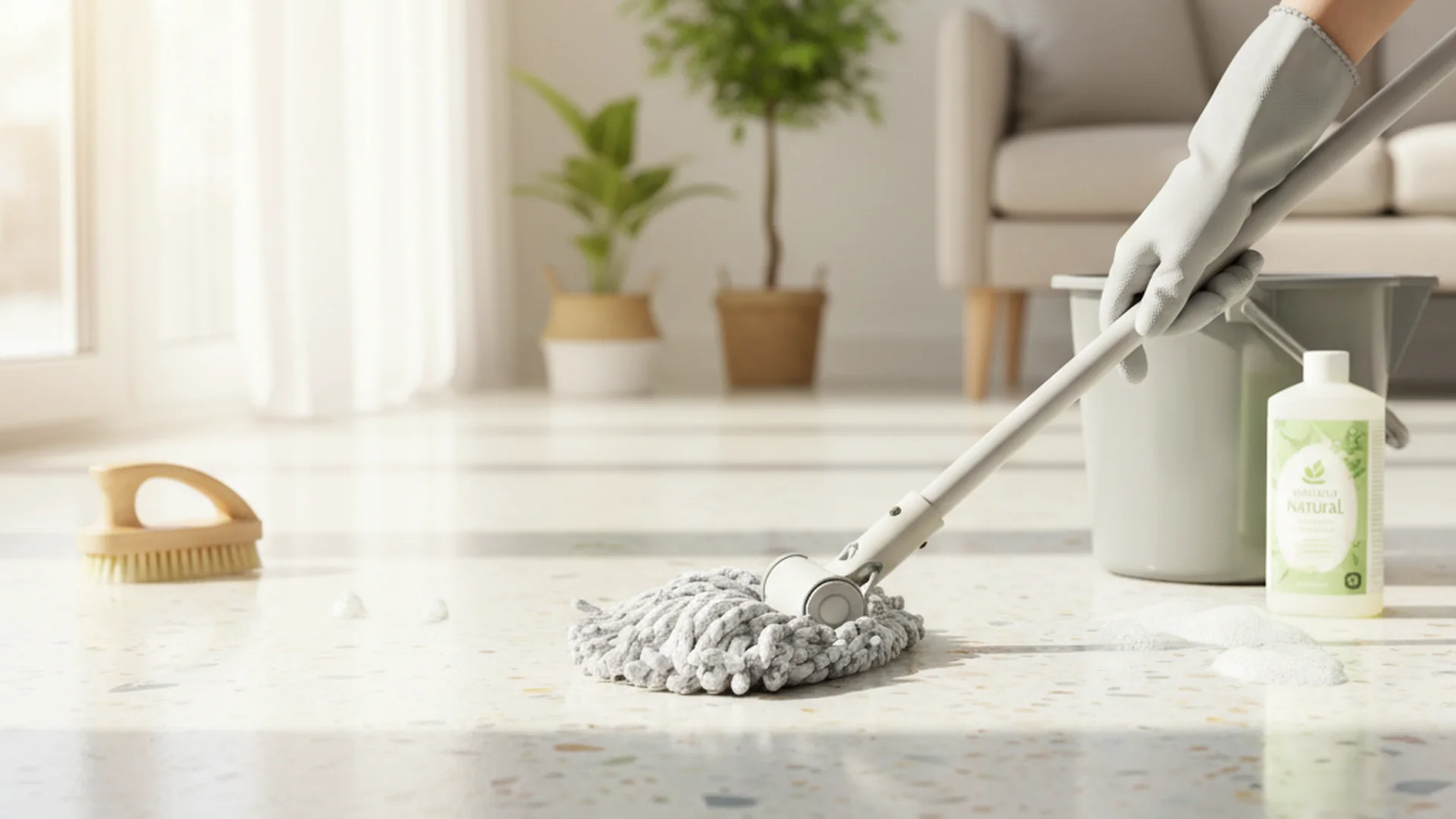
- Mop Direction: Always mop in the direction of the wood grain. This ensures the cleaner reaches the natural textures and prevents visible streaks.
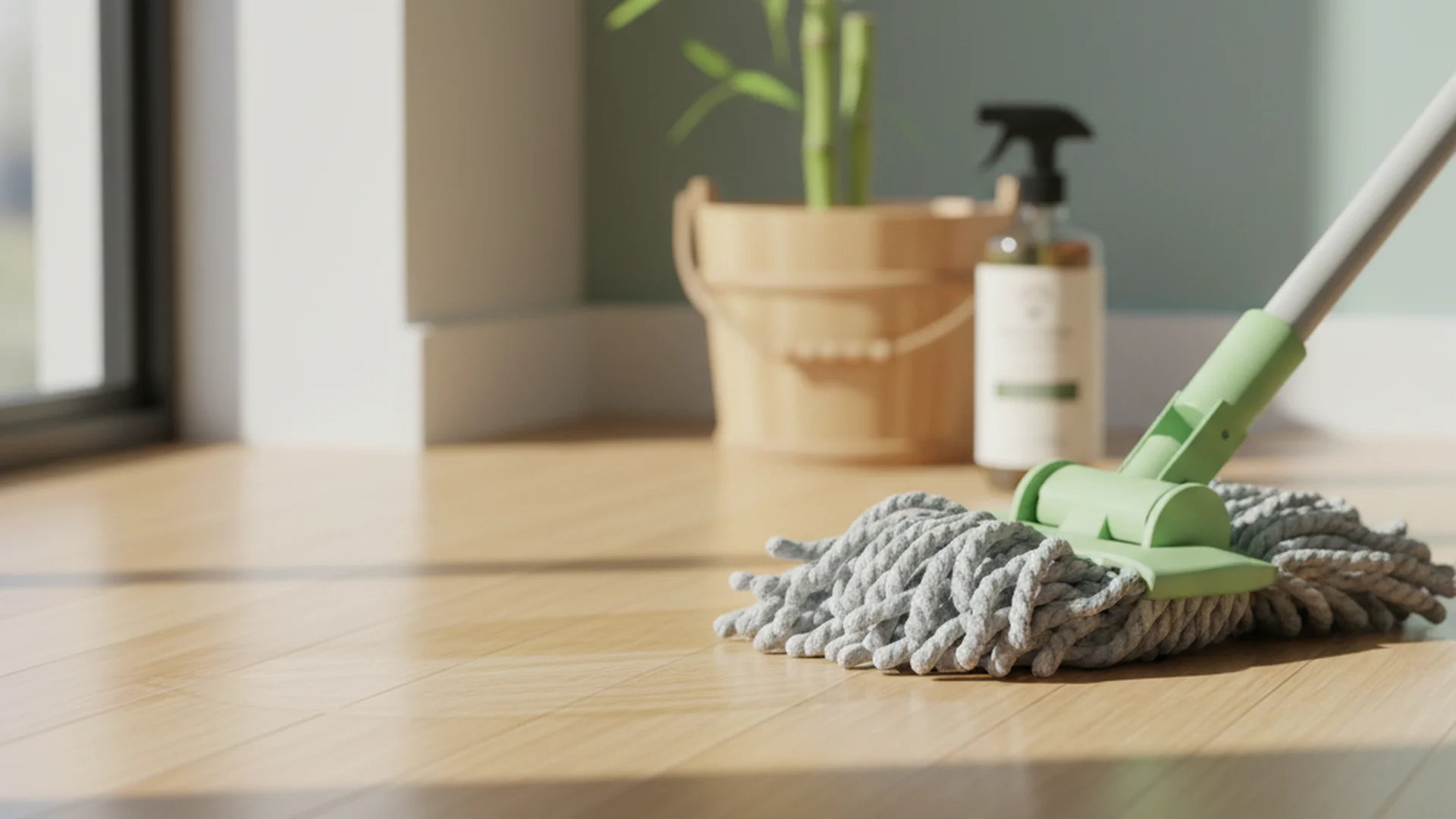
- Moisture Control: Your mop should be barely damp. If you see "puddles," you are using too much water.
Tip: Place high-quality, non-slip mats at every entrance. This simple step can catch up to 80% of outdoor grit before it ever touches your hardwood.
Quarterly and Long-Term Protection
Every few months, or as the finish begins to look dull, you may consider a hardwood-specific polish. However, this is only applicable to floors with a surface-sealed finish (like polyurethane).
Warning: Never polish a floor that has a wax or oil finish, as the products will not adhere and will create a slippery, dangerous mess.
Recommended Cleaning Tools and Methods
The "best way to clean hardwood floors" often depends on your lifestyle and the specific finish of your wood.
| Tool Type | Best For | Pros | Cons |
|---|---|---|---|
| Microfiber Mop | Daily Dusting | Traps allergens, no water needed | Requires frequent washing |
| Smart Wet/Dry Vac | Deep Cleaning | Controlled water flow, saves time | High initial cost |
| pH-Neutral Spray | Spot Cleaning | Safe for all finishes, low-VOC | Not for heavy-duty grime |
| Felt Pads | Prevention | Inexpensive, prevents gouges | Must be replaced annually |
Common Mistakes to Avoid
Even well-intentioned homeowners often fall for cleaning myths that can permanently damage their floors. Here are the most critical errors to avoid:
1. The Vinegar and Water Myth
Many "natural" cleaning blogs suggest a mixture of vinegar and water. This is a mistake. Vinegar is an acid; over time, that acidity eats away at the chemical bonds of your floor’s protective finish. This leaves the wood looking dull and makes it vulnerable to water damage.
2. Steam Mops
Steam mops are excellent for tile, but they are disastrous for wood. The high-heat steam is forced into the seams of the wood planks. This can lead to "cupping" (edges of boards rising), warping, and even mold growth beneath the flooring.
3. Using All-Purpose Cleaners
Generic sprays often contain ammonia or bleach. Ammonia strips the finish, while oil-based soaps can leave a "sludge" or residue that makes it impossible to apply a fresh coat of finish in the future without a full, aggressive sanding.
Success: Switching from a steam mop to a microfiber damp-mop system can extend the time between professional refinishing projects by 5 to 10 years.
Advanced Maintenance: 2025-2026 Innovations
If you want the absolute best results, look toward these emerging trends in floor care:
- Probiotic Cleaning: Products like Cif Infinite Clean use "good" bacteria to consume organic waste (food spills, skin cells) in the cracks of the wood, providing a deeper clean than traditional chemicals.
- Humidity Management: Wood is a hygroscopic material—it breathes. For 2026, smart home systems are being used to maintain indoor humidity between 35% and 55%. This prevents the wood from shrinking (creating gaps) in the winter or expanding (warping) in the summer.
- Sandless Refinishing: Instead of a full "dusty" sanding, many homeowners are opting for maintenance coats (re-coating) every 3–5 years. This sustainable approach adds a fresh layer of protection before the original finish is worn through.
Frequently Asked Questions
How often should I clean my floors?
Can I use a steam mop on hardwood?
Is vinegar and water safe for wood?
What should I do for sticky spills?
How do I prevent scratches from furniture?
Conclusion
Maintaining beautiful hardwood floors doesn't require harsh chemicals or hours of scrubbing. By following the "sandpaper rule" of daily grit removal and sticking to pH-neutral, low-moisture cleaning methods, you can preserve the luster and value of your home for decades. As we embrace the sustainable trends of 2025 and 2026, remember that less is often more: less water, less acidity, and fewer harsh chemicals lead to a longer life for your wood surfaces.
Success: Consistent, gentle care is the ultimate secret to keeping your hardwood floors looking brand new.
Cleaning that keeps score
Every task earns points, every streak multiplies them, and Premium adds a household leaderboard plus a monthly Dustagorgon to beat.
- Free forever
- 30 badges to earn
- Up to 6 in a household
No card needed. Set up your rooms in a couple of minutes.