In this article
What you’ll learn
- The pillowcase method is the best way to clean fans without spreading dust.
- Regular cleaning improves indoor air quality and extends motor life.
- Use fabric softener to create an anti-static barrier against future dust.
Ceiling fans are the unsung heroes of home comfort, circulating air to keep us cool in the summer and helping distribute heat in the winter. However, they are also notorious dust magnets. If you’ve ever turned on your fan only to be greeted by a "dust-storm" of allergens, you know exactly why learning how to clean ceiling fans properly is an essential household skill. In 2025, as we focus more on indoor air quality and energy efficiency, keeping these fixtures pristine is more important than ever.
Beyond the aesthetics of a clean home, a dusty fan is a literal drag on your HVAC system. When dust accumulates on the leading edges of the blades, it creates drag and imbalances that force the motor to work harder. By mastering the best way how to clean ceiling fans, you aren't just tidying up—you’re protecting your investment and your health.
Why Do Ceiling Fans Get So Dusty?
It seems counterintuitive: how can something that spins at high speeds collect so much debris? The answer lies in fluid dynamics. As fan blades slice through the air, the air speed at the very surface of the blade is actually zero. This creates a "boundary layer" of still air that protects dust particles from being blown off.
Furthermore, most modern blades (especially those made of plastic or resin) build up a static charge through friction with air molecules. This static acts like a magnet for skin cells, pet dander, and pollen. This is why a fan that runs 24/7 can still look like it’s covered in gray velvet.
Note: Americans spend approximately 90% of their time indoors. Because fans recirculate trapped allergens, a dirty fan can make indoor pollutant levels 2 to 5 times higher than outdoor levels.
Preparation: What You’ll Need
Before you begin, gather your supplies. Having everything on hand is the secret to how to clean ceiling fans quickly.
| Tool | Purpose | Recommended For |
|---|---|---|
| Old Pillowcase | Trapping dust without mess | Standard height fans |
| Microfiber Cloth | Fine detailing and wiping | All fan types |
| Vinegar & Water (1:1) | Degreasing blades | Kitchen fans |
| Compressed Air | Cleaning motor housing | All fans (bi-annually) |
| Long-handled Duster | Reaching high fixtures | Vaulted ceilings |
| Fabric Softener | Anti-static coating | Preventing future dust |
Method 1: The Pillowcase Method (Best for Mess-Free Cleaning)
If you are looking for the absolute best way how to clean ceiling fans without getting dust on your bed or carpet, the pillowcase method is the gold standard.
- Safety First: Ensure the fan is completely turned off.
- The Slide: Take an old pillowcase and slide it over one of the fan blades, as if you were putting it on a pillow.
- The Trap: Press your hands against the top and bottom of the blade through the cloth.
- The Pull: Pull the pillowcase back toward the tip of the blade. The fabric will wipe the surface, and all the "dust bunnies" will fall directly into the bag instead of onto your floor.
- Repeat: Move around the fan until all blades are clear.
Tip: Once you’re done, turn the pillowcase inside out and shake it into the trash before tossing it in the washing machine.
Method 2: How to Clean Ceiling Fans Quickly (The "C-Shape" Duster)
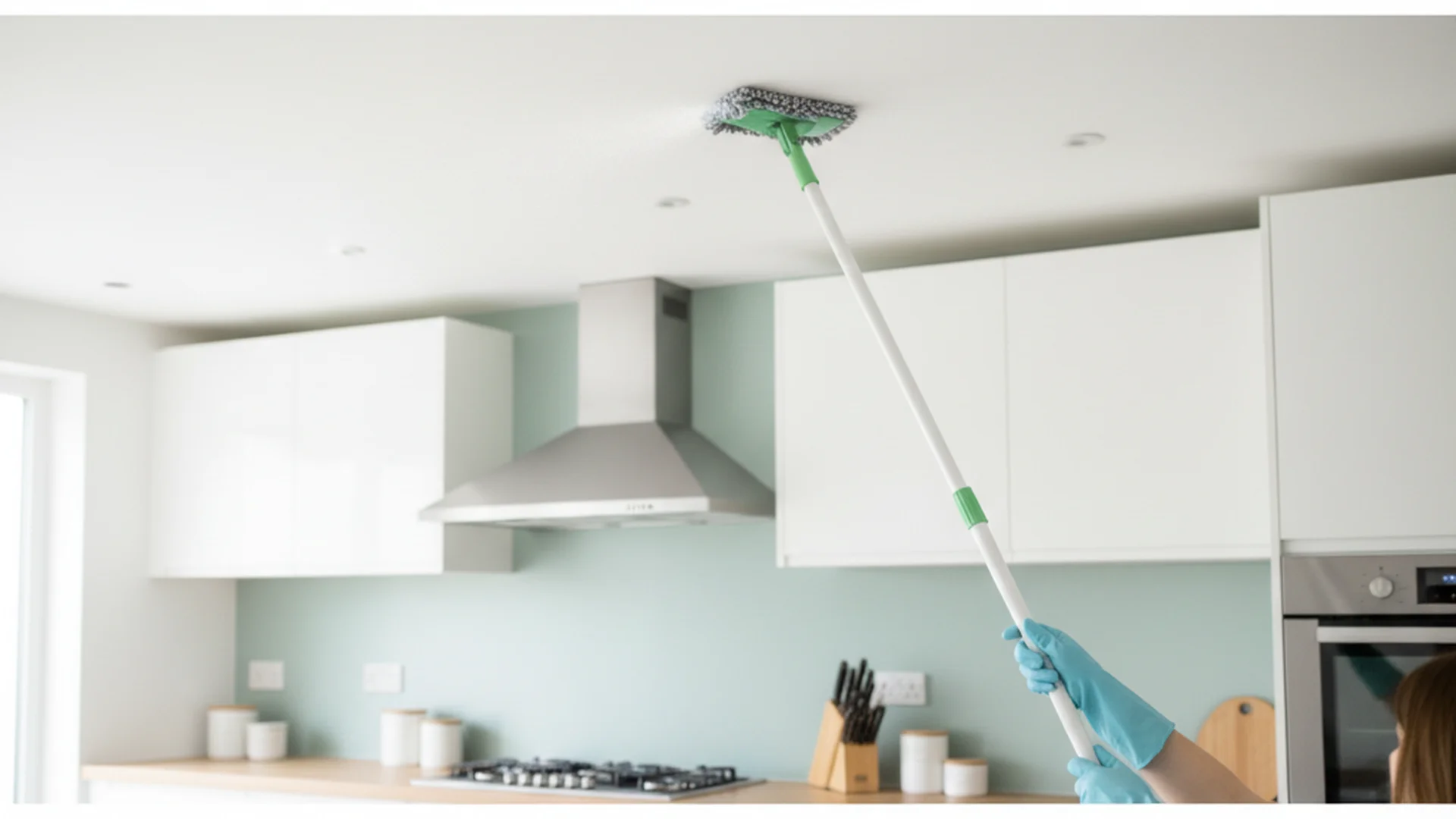
For those with many fans in the house or very high ceilings, the pillowcase method might be too slow or require a ladder. In 2025, professional cleaners recommend using a Chenille Microfiber High Duster with an extension pole.
To use this effectively, bend the flexible duster head into a "C" or "U" shape. This allows you to hook the duster over the blade, cleaning the top, bottom, and edges in a single pass from the safety of the floor.
Success: This method allows you to clean a standard 52-inch fan in under two minutes, making it the ideal choice for weekly maintenance.
Advanced Maintenance: Deep Cleaning and the Motor
Every 3 to 6 months, your fan needs more than just a quick dusting. This is especially true for kitchen fans, where airborne grease mixes with dust to create a sticky, stubborn grime.
Tackling Sticky Blades
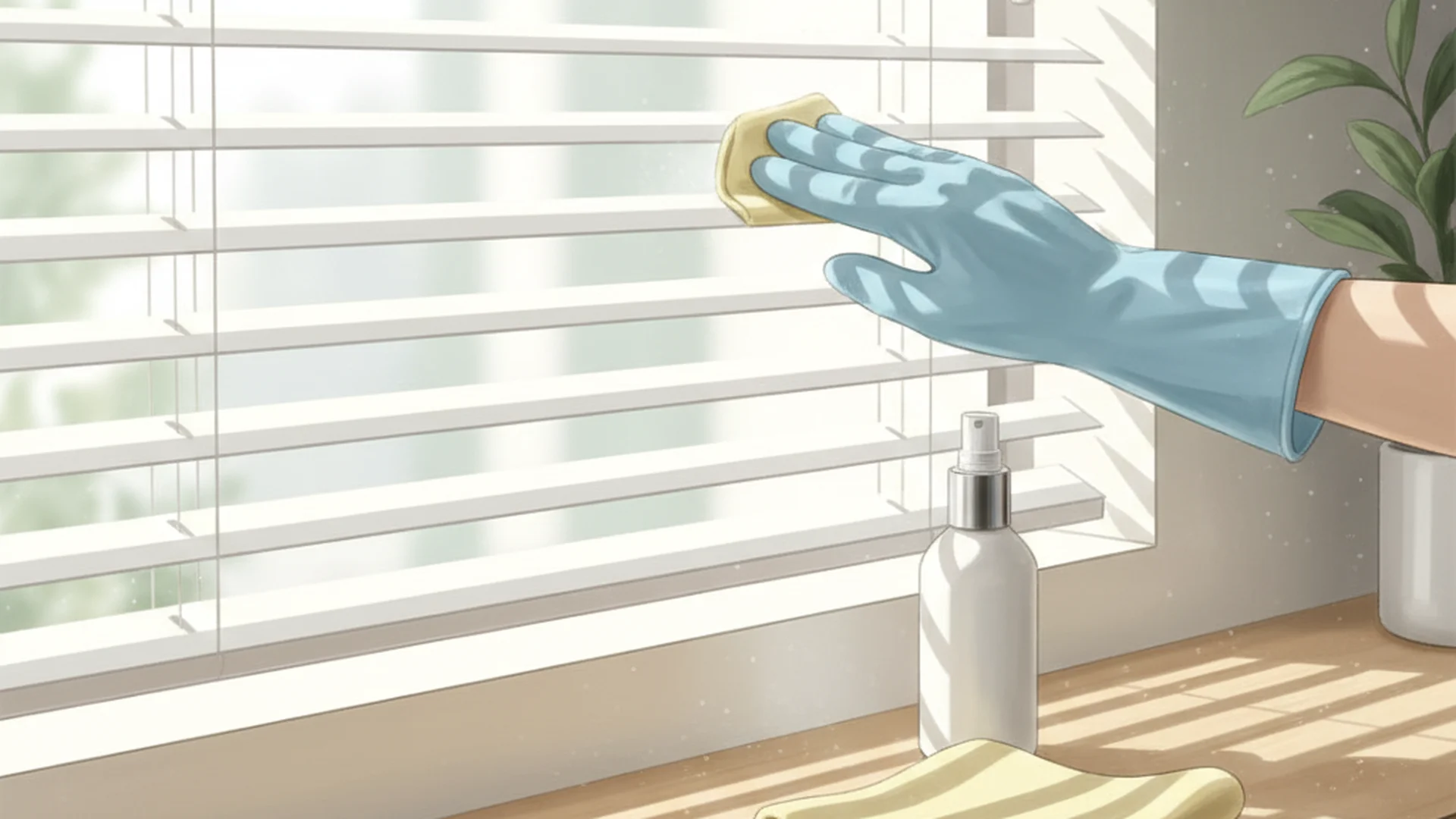
In the kitchen, dust becomes "glued" to the blades. For these cases, a dry cloth won't work. Use a mixture of 1:1 distilled white vinegar and warm water. This natural solution cuts through grease without damaging the wood or metal finish of the blades.
The Motor Housing
Dust inside the motor housing is a silent killer of fans. It causes overheating and increases friction in the bearings.
- The Fix: Every 6 months, use a can of compressed air to blow out the vents in the motor housing. You’ll be surprised at how much hidden dust emerges.
Warning: Never spray liquid cleaners directly into the motor housing. This can cause a short circuit or permanent electrical damage.
The 2025 Dust-Repellent Hack
Once your fan is spotless, you want to keep it that way. One of the best recent trends in home maintenance is the use of liquid fabric softener as an anti-static barrier.
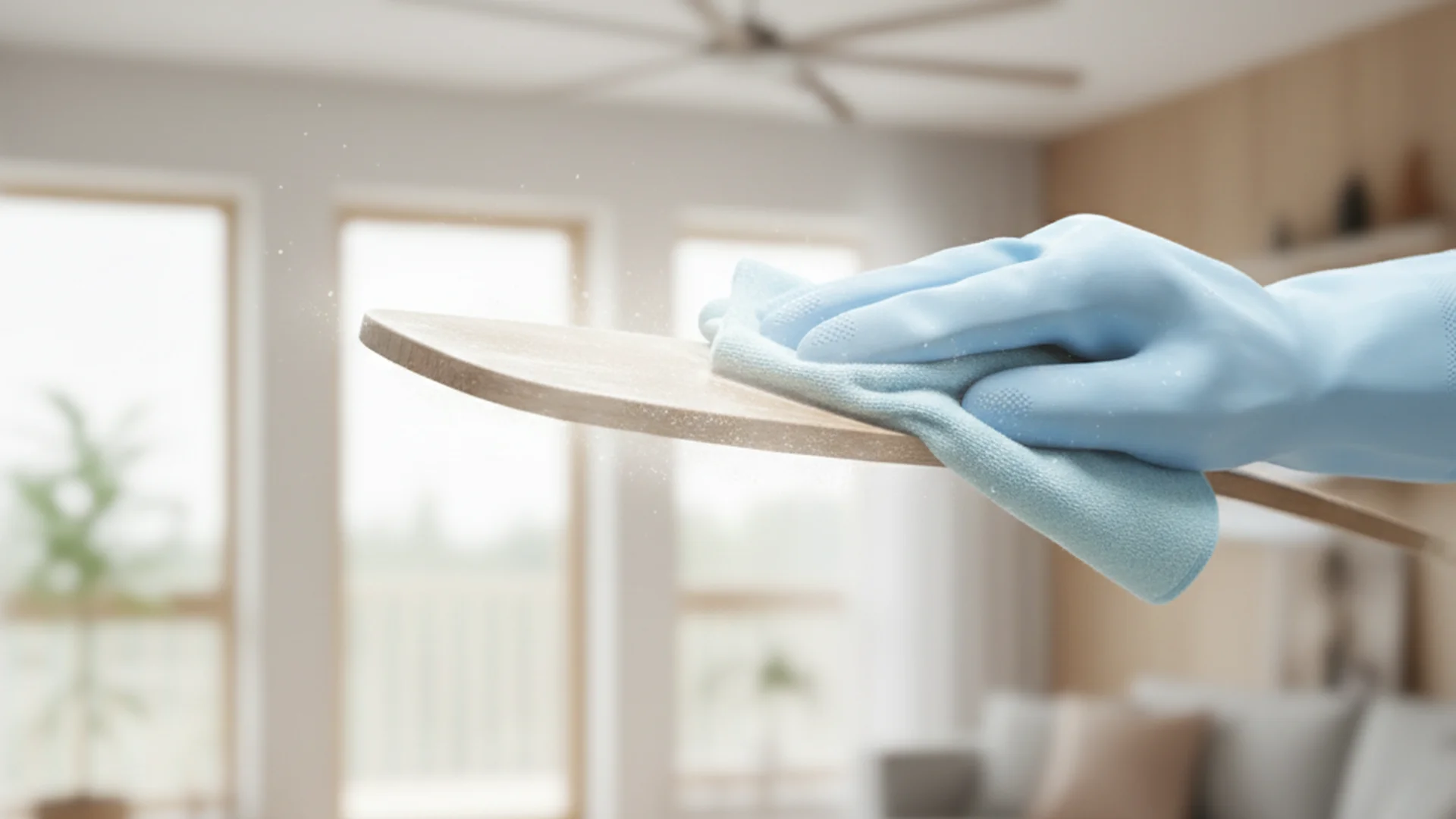
The Recipe: Mix 1 part liquid fabric softener with 4 parts water in a spray bottle. Lightly dampen a microfiber cloth with this solution and wipe down the blades. The softener neutralizes the static charge on the blades, meaning dust will simply slide off rather than sticking. This can reduce the frequency of your cleaning by half!
Real-World Examples
- The Allergy Sufferer: Sarah, a homeowner in a high-pollen area, noticed her hay fever was worse at night. After implementing a bi-weekly microfiber dusting and using the fabric softener hack, she reported a significant decrease in morning congestion.
- The Kitchen Grease Trap: A local restaurant owner struggled with "furry" fans in the dining area near the kitchen. Switching to a vinegar-based deep clean once a month prevented the grease-dust buildup that previously required heavy scrubbing.
- The High-Ceiling Challenge: A family with 20-foot vaulted ceilings used to rent a scaffold once a year to clean. By switching to a C-shaped duster on a 24-foot extension pole, they now maintain their fans monthly from the ground.
Common Mistakes to Avoid
- Cleaning While the Fan is On: It sounds obvious, but many try to "hold" a moving blade. This is a safety hazard and can easily bend the blade brackets, leading to a permanent "wobble."
- Pushing Down Too Hard: When cleaning the top of the blade, always support it from underneath with your other hand. Applying too much downward pressure can warp the metal brackets (irons), ruining the fan's balance.
- Using Harsh Chemicals: Avoid bleach or ammonia-based cleaners. These can strip the finish off wood blades or cause "faux-wood" veneers to peel and warp over time.
- Ignoring the Light Bulbs: Light fixtures on fans attract dust which then gets "baked" on by the heat of the bulb. Always wipe the glass shades and bulbs (when cool) during your deep clean.
Trends in Fan Technology (2025-2026)
As we move into 2026, fan technology is evolving to make cleaning even easier.
- Integrated Air Purification: High-end models now feature HEPA-grade filtration within the motor housing, actively scrubbing the air of the very dust that usually settles on the blades.
- DC Motor Dominance: New fans are shifting to Direct Current (DC) motors. These run 70% more efficiently and much cooler than traditional motors, reducing the "dust-bake" effect on the housing.
- Smart Sensors: Some 2025 "Smart Fans" now include sensors that detect weight imbalances. If your fan starts to wobble due to uneven dust buildup, you’ll receive a notification on your smartphone that it’s time to clean.
Frequently Asked Questions
How often should I clean my fan?
Which direction should my fan spin?
Why is my fan making a clicking noise?
Is it safe to use a vacuum attachment?
Conclusion
Mastering the best way how to clean ceiling fans is about more than just aesthetics; it's about maintaining a healthy, energy-efficient home. By using the pillowcase method for mess-free results and the fabric softener hack to repel future dust, you can keep your air clear and your fans running smoothly for years to come. Remember, a clean fan is a quiet, efficient fan.
Success: Regular cleaning can extend the lifespan of your fan from 10 years to over 20 years by preventing motor strain and overheating.
Cleaning that keeps score
Every task earns points, every streak multiplies them, and Premium adds a household leaderboard plus a monthly Dustagorgon to beat.
- Free forever
- 30 badges to earn
- Up to 6 in a household
No card needed. Set up your rooms in a couple of minutes.