In this article
What you’ll learn
- Always declutter and measure your space before buying storage containers.
- Use the Organizational Triangle®: One home for everything, like with like, and one in/one out.
- Success in 2025-2026 focuses on "Personalized Functionality" rather than strict minimalism.
Walking into a cluttered home can feel like walking into a storm of unfinished to-do lists. If you find yourself constantly moving piles from one chair to another, you aren't alone. For home organization beginners, the prospect of sorting through years of accumulated "stuff" can feel paralyzing. However, the shift toward a more organized life in 2025 is less about achieving a "Pinterest-perfect" showroom and more about reclaiming your mental clarity and time.
The impact of a messy home is more than just an eyesore. Plenty of people, especially younger adults, feel a real jolt of stress when their living space is unorganized. By mastering a few foundational habits, you can stop the cycle of "duplicate buying" and start enjoying a home that works for you, rather than against you.
The High Cost of Disorganization
Before we dive into the "how-to," it is important to understand the "why." Disorganization is a quiet thief. It steals your time, your money, and your peace of mind.
Think of all the minutes lost each week hunting for misplaced keys, remotes, and phones—over a year it adds up to days of your life. We are spending more than ever just to manage the things we already own.
Furthermore, with new homes getting smaller rather than larger, "smart" organization is no longer a luxury—it is a survival skill for modern living. Whether you live in a sprawling suburban house or a 500-square-foot studio, these principles will help you maximize every inch.
The Golden Rule: Declutter Before You Shop
The most common mistake home organization beginners make is rushing to the store to buy beautiful acrylic bins and wicker baskets before they’ve actually sorted their belongings. This is known as the "Container Trap."
Warning: Buying bins before decluttering leads to "organized clutter"—neatly boxed items that you don't actually need, use, or love.
The Measuring Phase
Once you have purged the items you no longer need, you must measure your space. Measure the depth of your shelves, the height of your drawers, and the width of your cabinets. In 2025, the trend is moving toward sustainable materials like bamboo and glass, but even the most eco-friendly container is useless if it doesn't fit your drawer.
Real-World Example: The "Junk Drawer" Success
Consider Sarah, a first-time homeowner who felt overwhelmed by her kitchen. Instead of tackling the whole room, she started with one junk drawer. She emptied it completely, threw away 15 dead batteries and three broken pens, and measured the drawer’s dimensions. By buying one simple bamboo divider that fit those exact measurements, she created a "win" that gave her the momentum to tackle the pantry the following weekend.
The Organizational Triangle® and Expert Strategies
To move from a beginner to a pro, you need a system. Professional organizer Andrew Mellen popularized the "Organizational Triangle®," which consists of three simple rules that anyone can follow.
1. One Home for Everything
Every item in your house must have a specific "parking spot." If your keys don't have a hook or a bowl by the door, they will end up on the kitchen island, the sofa, or the bathroom counter. When an item has a home, putting it away becomes a mindless habit rather than a decision.
2. Like with Like
This is the cornerstone of diy home organization beginners' success. Store all your batteries in one place. Keep all your lightbulbs in one bin. Put all your baking supplies on one shelf. This prevents "hide and seek" and ensures you know exactly when you are running low on a specific item.
3. One In, One Out
To maintain your space in 2026 and beyond, you must adopt a "gatekeeper" mentality. If you bring a new pair of sneakers into the house, an old pair must be donated or recycled. This prevents the "root cause" of clutter: a shopping habit that outpaces your home’s capacity.
Tip: Use the "12-12-12 Challenge" for a quick reset. Find 12 items to throw away, 12 to donate, and 12 to be returned to their proper place.
Room-by-Room Wins for Beginners
The Entryway (The Launchpad)
The entryway is the most important area for stress reduction. If you can leave the house in the morning without searching for your wallet, your entire day starts better.
- Vertical Space: Use over-the-door organizers for shoes or umbrellas.
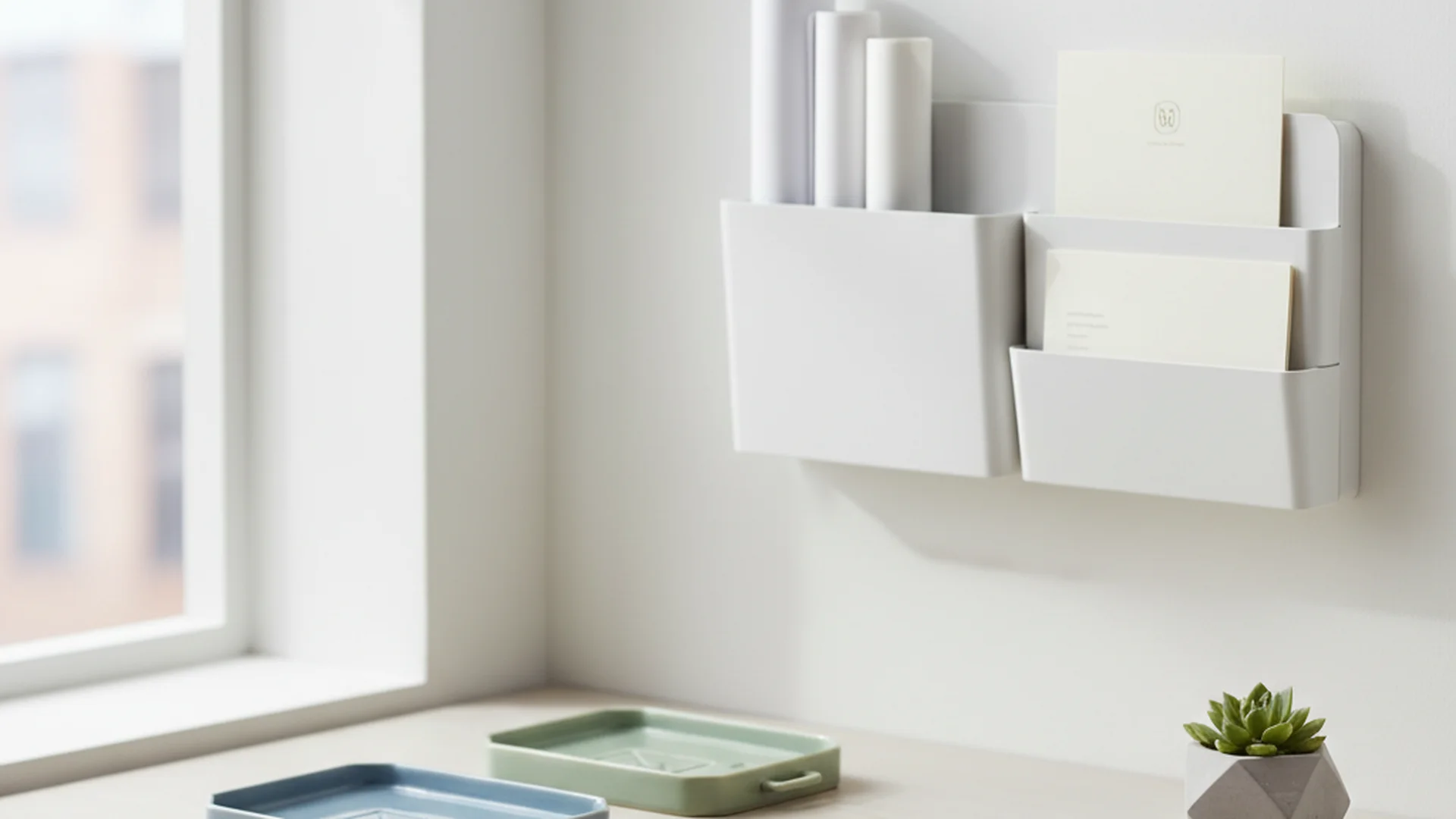
- Visibility: Use a clear tray for mail so it doesn't pile up and get forgotten.
The Kitchen (The Heart)
The kitchen is often the most cluttered room. Focus on budget home organization beginners' hacks here.
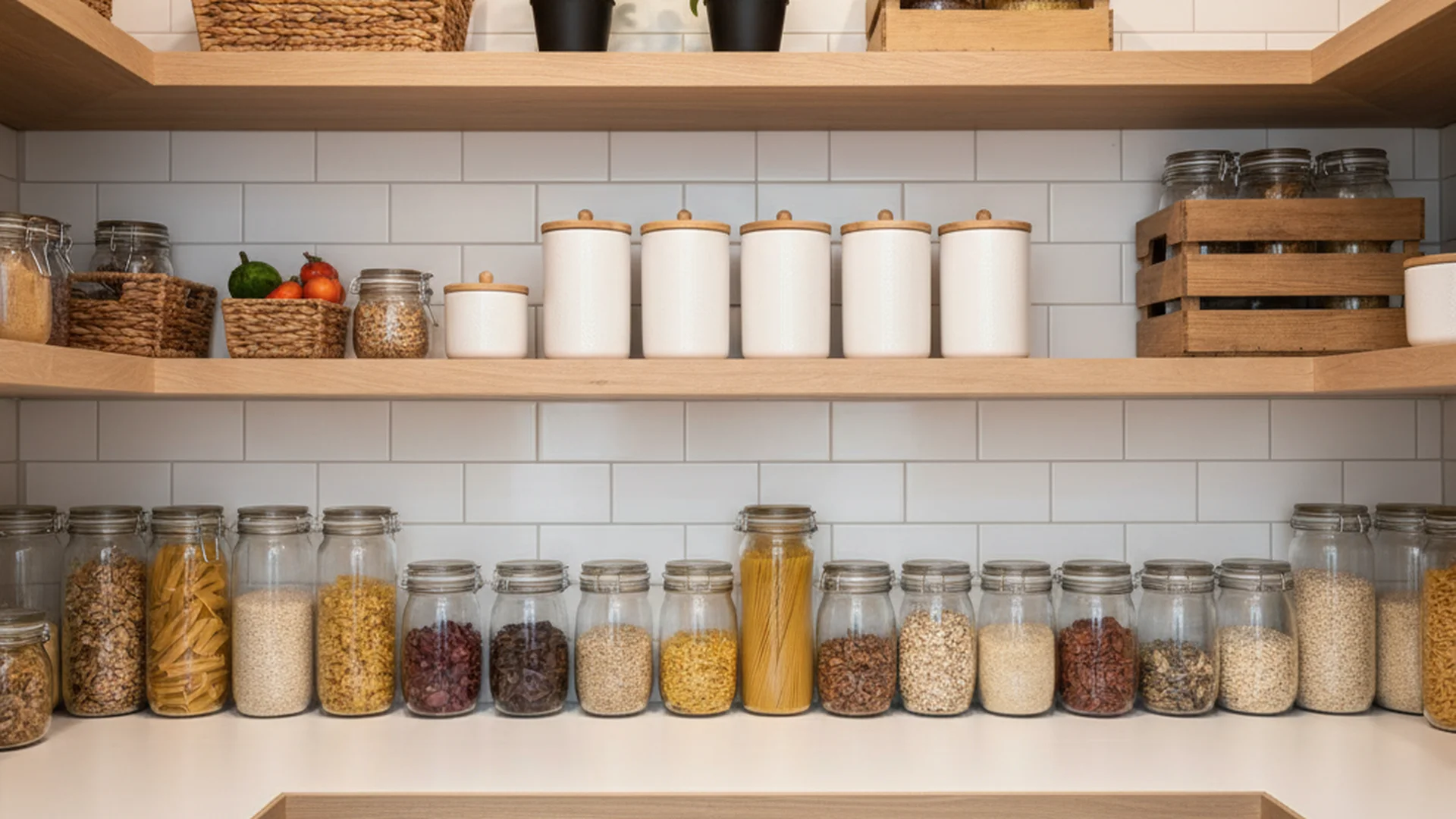
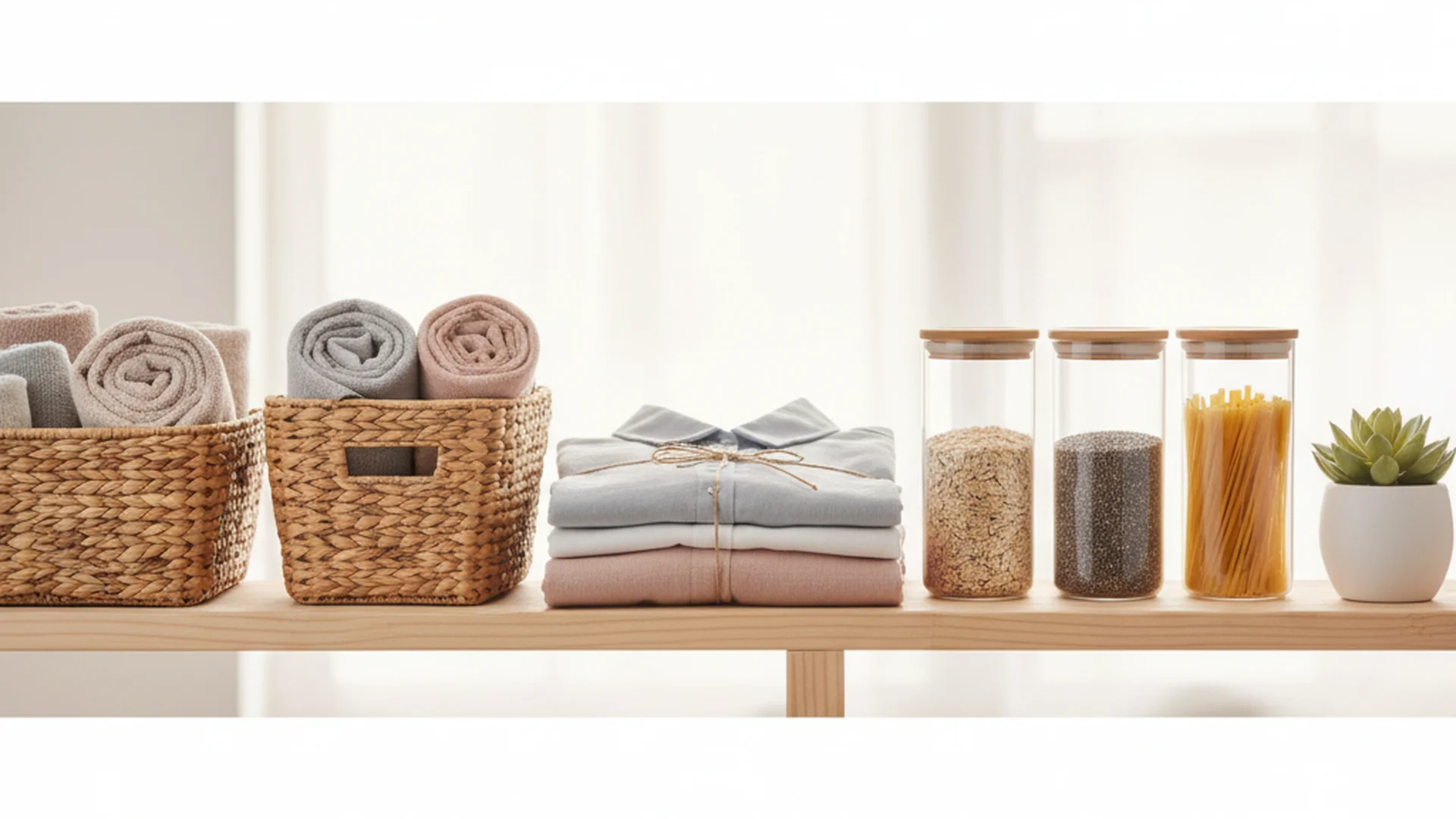
- Decanting: Transferring cereal or pasta into clear glass jars isn't just for looks; it allows you to see exactly how much you have left.
- The "Prime Real Estate" Rule: Store items you use daily (coffee maker, toaster) on the counter or at eye level. Seasonal items (turkey roaster, holiday platters) should go on the highest shelves.
The Closet (The Sanctuary)
A crowded closet makes getting dressed a chore.
- The Hanger Trick: Turn all your hangers backward. When you wear an item, turn the hanger the right way. After six months, any hanger still facing backward holds an item you haven't touched—it's time to donate it.
| Room | Beginner Strategy | 2025 Trend |
|---|---|---|
| Entryway | Hook for every key | Sustainable jute baskets |
| Kitchen | Like-with-like bins | Glass & Bamboo sets |
| Closet | The Hanger Trick | Personalized "Capsule" zones |
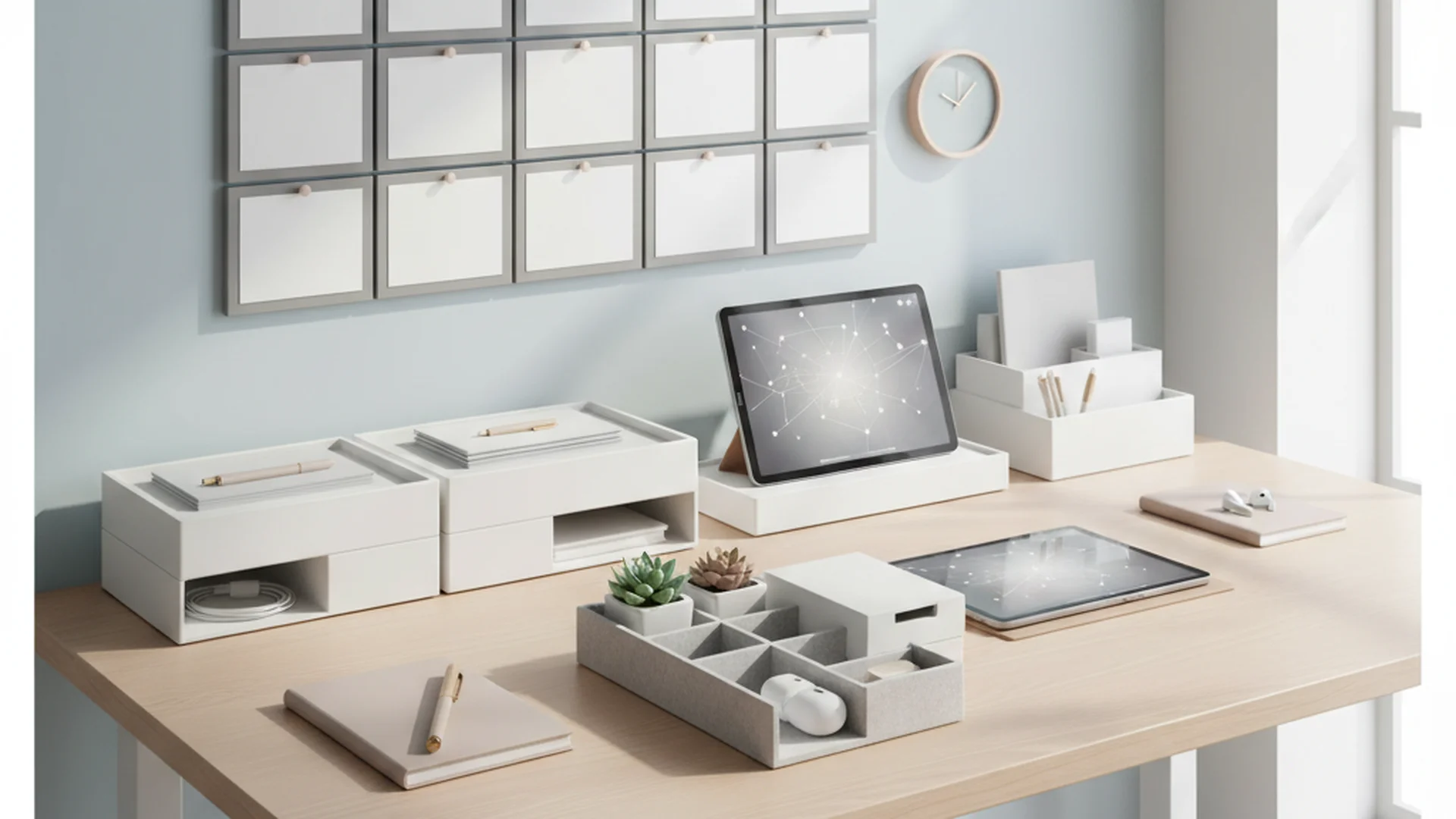
| Office | Cord management | Dual-purpose storage furniture |
Budget DIY Hacks for Beginners
You don't need a massive budget to get organized. In fact, some of the most effective systems are budget home organization beginners' projects that use items you already have.
Repurposed Household Items
- Shoe Boxes: These make excellent drawer dividers for socks or t-shirts. You can even wrap them in leftover wallpaper or contact paper to make them look high-end.
- Mason Jars: Perfect for office supplies like paperclips, rubber bands, or pens.
- Tension Rods: Place these under the kitchen sink to hang spray bottles, freeing up the "floor" of the cabinet for bins.
Note: DIY doesn't mean "cheap-looking." Focus on uniformity—using the same color of shoebox or the same style of jar—to create a cohesive, professional look.
2025–2026 Trends: The Future of Home Organization
The world of organization is evolving. We are moving away from the "all-white, sterile" minimalism of the 2010s and toward a more lived-in, functional aesthetic.
Personalized Functionality
The "Cluttercore" movement has taught us that it is okay to have items on display. The key is "curated display." If you love your vintage camera collection, don't hide it in a bin. Give it a dedicated, organized shelf where it can be appreciated without cluttering the coffee table.
Sustainable Materials
Consumers are increasingly rejecting plastic. In 2026, expect to see more organizers made from recycled felt, cork, and seaweed. These materials add warmth to a room while being kinder to the planet.
Digital and AI Organization
Home organization now extends to your devices. Book in a "monthly digital sweep" to organize cloud photos and desktop files. Furthermore, AI-powered inventory apps are becoming standard.
- Example: You can now take a photo of your holiday decor bin, and an app will tag the contents. Next year, you can simply search "red ornaments" on your phone to remember which box they are in.
Success: Adopting a digital inventory system can save you hours of physical searching during seasonal transitions.
Common Mistakes to Avoid
Even with the best intentions, beginners often fall into these traps:
- The "All-at-Once" Fallacy: Trying to organize your entire house in a single weekend. This leads to "mid-project burnout," where your house is messier than when you started. Start with one drawer.
- Over-Complicating Systems: If your system requires more than two steps to put something away (e.g., opening a lid, then a sub-divider, then a clip), you won't do it. Keep it "low-friction."
- Ignoring the "Root Cause": Organization is a tool, not a cure for over-shopping. If you continue to bring in more than you take out, no amount of bins will save you.
- Buying for a "Fantasy Self": Don't organize a craft room if you haven't crafted in five years. Organize for the life you actually live today.
Frequently Asked Questions
Where do I even start when I'm overwhelmed?
How do I handle sentimental items?
How do I stay organized long-term?
Is it okay to have some clutter?
Conclusion: Perfect is the Enemy of Organized
The journey of home organization for beginners isn't about achieving a state of perfection where not a single toy or paper is out of place. It is about creating a system that supports your lifestyle and reduces your stress. By starting small, measuring your space, and following the Organizational Triangle®, you can transform your home into a sanctuary.
Remember, the best time to start was yesterday, but the second-best time is right now. Pick one drawer, empty it, and take your first step toward a more organized life.
Success: Following these steps will not only give you back the hours you lose searching for misplaced items but will also take a lot of low-grade daily stress out of your home.
Cleaning that keeps score
Every task earns points, every streak multiplies them, and Premium adds a household leaderboard plus a monthly Dustagorgon to beat.
- Free forever
- 30 badges to earn
- Up to 6 in a household
No card needed. Set up your rooms in a couple of minutes.